





























































































About The Differents- Drug Rehab in Reno
The Differents is a luxury, private alcohol and drug treatment center with two locations in Reno, Nevada. The Rock Road Farm location is the residential treatment center in the foothills of the Sierra Nevada mountains.
The program includes treatment from those experienced in recovery, holistic care and creative therapy modalities. You can use most major health insurance plans to pay for treatment. They also offer some private and self pay options. The facility is minutes from beautiful Lake Tahoe.
Beneficial Staff-To-Client Ratio
One of the unique things about this program is the 1:3 staff-to-client ratio. This ensures a safe experience, from detox through aftercare, with plenty of individualized attention.
You’ll have access to a basketball court with private coaching, yoga, meditation, Jiu Jitsu training and a fitness center. You can engage in art and music therapy and explore an individualized treatment plan that includes group and individual therapy, as well as lifetime aftercare.
Luxury Accommodations
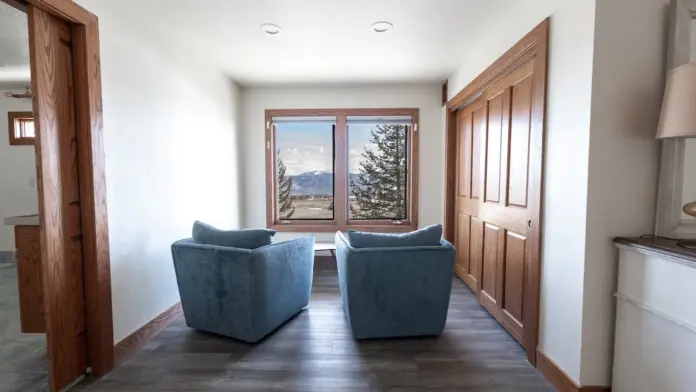
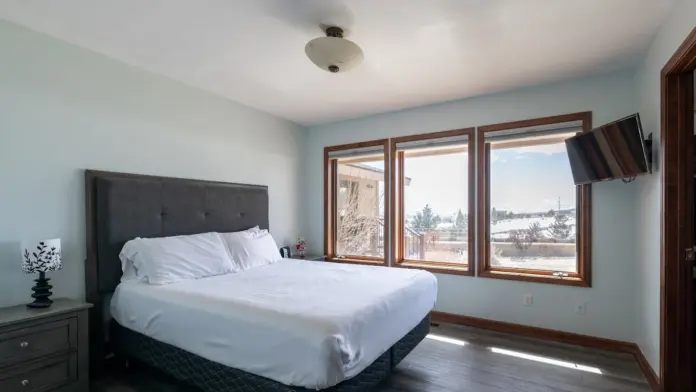
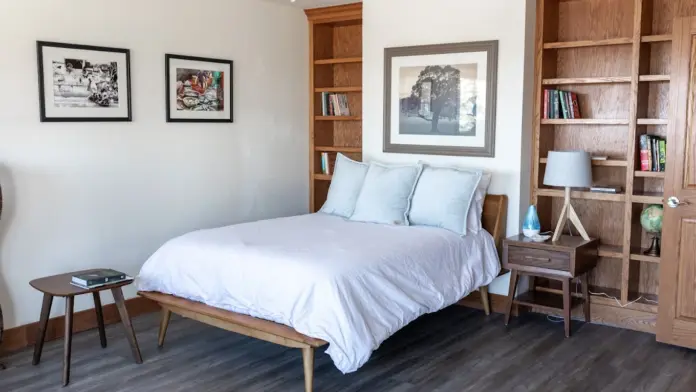
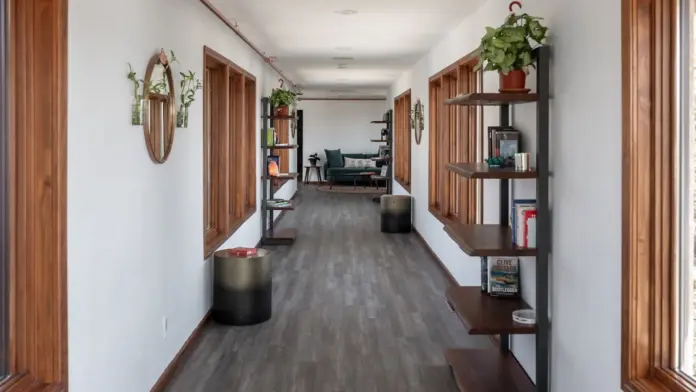
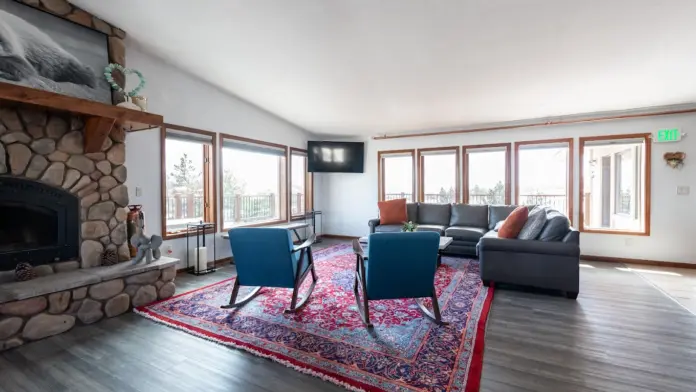
The facility features private rooms with en-suite bathrooms, a photography studio, art rooms and a music studio. There’s a luxury spa on site where you can go for a massage and other services. From equine therapy to exhilarating winter activities, you’ll have everything you need to make your rehab comfortable and effective.
Latest Reviews



Rehab Score
 Our Methodology


Gallery



Accepted Insurance
Other Forms of Payment
Financial aid can take many forms. Centers may have grants or scholarships available to clients who meet eligibility requirements. Programs that receive SAMHSA grants may have financial aid available for those who need treatment as well. Grants and scholarships can help you pai for treatment without having to repay.
Military members, veterans, and eligible dependents have access to specific insurance programs that help them get the care they need. TRICARE and VA insurance can help you access low cost or no cost addiction and mental health treatment. Programs that accept military insurance often have targeted treatment focused on the unique challenges military members, veterans, and their families face.
Private insurance refers to any kind of healthcare coverage that isn't from the state or federal government. This includes individual and family plans offered by an employer or purchased from the Insurance Marketplace. Every plan will have different requirements and out of pocket costs so be sure to get the full details before you start treatment.
Self-pay involves paying for treatment out of your own pocket. You can use savings or credit, get a personal loan, or receive help from family and friends to fund your treatment. If you don't have insurance or your insurance plan doesn't cover a specific program, self-pay can help ensure you still get the care you need.
Sliding scale payments are based on a client's income and family size. The goal is to make treatment affordable to everyone. By taking these factors into account, addiction recovery care providers help ensure that your treatment does not become a financial burden to you or your family, eliminating one barrier to care.
Addiction Treatments
Levels of Care
One of the top benefits of 24-hour clinical care in Nevada is the ability to safely withdraw from alcohol or drugs. This supervised setting lowers the risk of life-threatening complications that can occur as a result of withdrawal. Medical staff provide constant monitoring of your health, so you receive immediate treatment for any symptoms. This medically supervised detox is much safer and comfortable than trying to detox at home.
Clients receiving services in a rehab aftercare program are typically in the maintenance phase of their recovery, having already completed intensive inpatient treatment. These clients are generally strongly engaged in addiction counseling and recovery-focused life skills training. Case managers and care teams work with clients to identify and access the medical, mental health, and social service programs they need to promote long-term sobriety. Rehab aftercare services often include peer coaching, relapse prevention, and 12 step program induction.
Participants in 12 step programs receive intensive peer support, including one-on-one mentoring from a self-selected sponsor. They also regularly participate in 12 step meetings, which are free, anonymous, open to the public, and available multiple times a day in most communities. The steps of recovery involve spiritual principles designed to enable participants to address the sources of their addiction, take responsibility for their life choices, and accept the circumstances they cannot change.
Inpatient rehab provides a highly structured and supportive environment for clients at an increased risk of relapse, including clients exiting detox, those in early recovery, and those experiencing crisis. Many inpatient treatment centers offer round-the-clock clinical care. Their principal treatment modality is usually psychotherapy, including individual, group, and family counseling. Clients may also participate in extensive life skills training to support their long-term sobriety. Some rehabs offer holistic therapies, including massage, meditation, and nutrition therapy.
Clients receiving addiction treatment in an intensive outpatient program (IOP) typically have completed inpatient rehab or have chosen to forgo hospitalization following detox. The high-level care provided by intensive outpatient rehabs is particularly suited to clients in early recovery, those in crisis, and those at an elevated relapse risk. Clients engage in nine to 20 hours of treatment per week on average. Common services include psychotherapy, recovery education, holistic therapies, and medication assisted treatment (MAT).
The goal of a drug intervention in Nevada is to encourage the individual to make positive changes and accept professional treatment. Friends and family typically do this carefully planned process, in collaboration with intervention services. A professional such as a drug counselor or certified interventionist can lead the discussion and provide guidance for next steps.
Ridding your body of alcohol and drugs in a medically supervised environment is known as medically supervised detox. During this period of inpatient care, you are monitored by a team of medical professionals whose job it is to help keep you as safe and comfortable as possible while addressing any withdrawal symptoms. Medically supervised detox is typically the first step in the recovery process, and usually takes an average of 5-7 days.
Outpatient rehabs provide addiction treatment aligned with clients' unique schedule and evolving needs. Many programs offer evening, night, morning, and weekend services to accommodate clients who are working professionals or full-time caregivers. They also provide a full continuum of care, including psychotherapy, recovery-focused life skills training, and, for clients in alcohol and/or opioid recovery, medication assisted treatment (MAT).
Sober living homes in Nevada provides a place to stay where individuals in recovery have a supportive community to start a new life free from substances. While living in this type of setting, residents agree to abstain from substance use and participate in 12-step programs. Typically, each halfway house has set rules about individual chores, shared living areas, visitor hours, and curfew.
Treatments
When a person is unable to control their drinking despite negative effects in their life, they are experiencing alcoholism (alcohol use disorder). Recovering from alcohol addiction typically requires professional intervention such as alcohol rehab in Nevada. This may occur in a residential program, intensive outpatient program, partial hospitalization program, or support groups. Recovery typically begins with detox and continues long after rehab with ongoing supports.
When you enter drug rehab in Nevada, you receive professional assistance to remove drugs from your body and cease your body's need for the substance. You learn coping strategies and receive support to prevent relapse and enjoy long-term sobriety.
In Nevada, dual-diagnosis addiction treatment programs provide integrated care for individuals with co-occurring substance use disorders and mental health conditions. Outpatient and inpatient programs generally include individual and group therapy, recovery support groups, dialectical behavioral therapy, trauma-informed care, and skills workshops to treat both disorders successfully. Dual-diagnosis treatment can improve long-term recovery success and improve mental health, making your life and sobriety more manageable.
Addiction and mental health disorders are often present at the same time, a condition that is known as dual diagnosis. The reasoning behind that is twofold. Firstly, using drugs and alcohol is a way to self-medicate many of the most stressful aspects of mental health. On the other hand, having an addiction vastly increases your chances of developing a mental health disorder.
 Mental Health And Substance Abuse
 Opioid Addiction
Specialized substance abuse treatment in Nevada can support individuals who need help for substance abuse. Care levels include outpatient, inpatient, and partial hospitalization programs. By incorporating evidence-based therapies such as cognitive-behavioral therapy (CBT), dialectical behavior therapy (DBT), counseling, clinicians can help you to get to the root cause of your addiction and equip you with the tools to maintain your recovery.
Programs
Adult rehab programs include therapies tailored to each client's specific needs, goals, and recovery progress. They are tailored to the specific challenges adult clients may face, including family and work pressures and commitments. From inpatient and residential treatment to various levels of outpatient services, there are many options available. Some facilities also help adults work through co-occurring conditions, like anxiety, that can accompany addiction.
Serving in the military is both mentally and physically challenging, and can result in trauma that persists even after combat ends. Military programs are tailored to the specific and often complex needs of active duty personnel, veterans, and military families. Clients often access these programs through the U.S. Department of Veterans Affairs (VA).
Clinical Services
Substance abuse counselors may apply cognitive behavioral therapy in Nevada during individual, family, or group sessions. Using a goal oriented approach, the therapist will help participants change negative thinking and behavioral patterns to address substance use and related challenges.
Sessions for couples therapy may involve joint meetings with the counselor as well as individual sessions. Between sessions, both partners are asked to do "homework," which involves practicing the insights and behaviors they learned about during therapy.
During rehab treatment in Nevada, it may be difficult to put your emotions and thoughts into words. Creative arts therapy provides an alternative form of expression that allows you to communicate your struggles and process your emotions.
If you're experiencing substance use disorder, dialectical behavior therapy in Nevada can help you reduce cravings, learn healthier ways to manage stress, and avoid situations that can lead to substance abuse. Treatment includes one on one sessions with your therapist as well as group sessions to practice the skills you're learning.
 Eye Movement Desensitization And Reprocessing
During family therapy sessions, your therapist facilitates discussions that help members of the family unit understand addiction and how it affects the entire family, providing you with coping strategies that help to strengthen the family unit.
Group therapy opportunities in Nevada allow you to see how successful recovery behaviors are modeled by your peers. You learn conflict resolution skills and are empowered to recognize your strengths and overcome your addiction.
Individual therapy provides you with a confidential setting to explore the complex factors that contribute to drug and alcohol addiction. Your therapist can provide tailored support and help you develop healthy coping strategies, improve self control, and build a foundation for sustainable sobriety.
Amenities
-
 Luxury Accommodations
 -
 Art Activities
 -
 Basketball Court
 -
 Gym
Gym -
 Hiking
 -
Luxury Accommodations
-
 Mountain Views
 -
 Music Room
 -
 Private Rooms
 -
 Recreation Room
 -
 Residential Setting
 -
 Tennis Court
 -
 Wilderness Setting
Accreditations

The Joint Commission, formerly known as JCAHO, is a nonprofit organization that accredits rehab organizations and programs. Founded in 1951, the Joint Commision's mission is to improve the quality of patient care and demonstrating the quality of patient care.
Joint Commission Accreditation: Yes

LegitScript has reviewed The Differents- Drug Rehab in Reno as part of their certification program, and has determined that it meets the LegitScript standards for legality, safety and transparency.
LegitScript verified in
Rehab.com regularly reviews this listing for accuracy but changes may occur between updates. For the most up-to-date information, please contact The Differents- Drug Rehab in Reno.
Contact Information


5950 Rock Farm Rd
Reno, NV 89511
Sponsored Helpline



