






























































































Called to ask about my mother who's there and they were unable to transfer me someone who could give me the information I needed. After many tries, I tried to go there and I was faced with a very rude nurse who was also not willing to give me any info on her. Finally found s ...
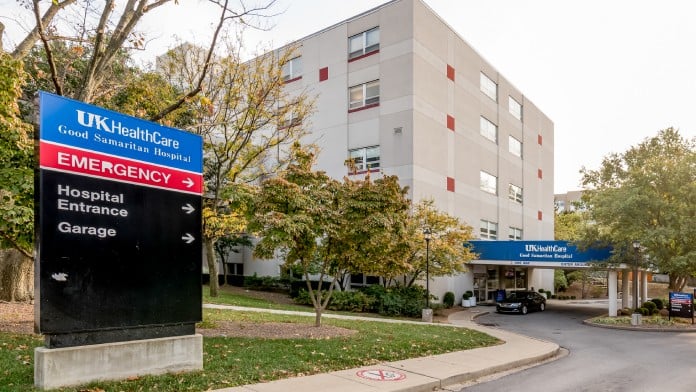
About UK Good Samaritan Hospital
In this unit, they specialize in helping people with acute mental illness, including co-occurring addictions. Their treatment periods are typically short, so think days as opposed to months. They provide leading edge mental health treatment and strive to continually advance their model of care.
They recently moved their Adolescent Unit, which is called the Pediatric Behavioral Health Unit, to a new space at Kentucky Children’s Hospital. They have private and semi-private rooms to care for those aged 17 and under who are struggling with behavioral health problems.
The Adult Unit is a 19 bed area that helps adults who may have been diagnosed with a number of psychiatric issues like mood or anxiety disorders, personality or thought disorders, and or substance use disorder (SUD).
All of their Behavioral Health Unit staff have special certifications such as Basic Life Support, Crisis Prevention Intervention and Suicide Assessment and Prevention.
Good Samaritan also works in collaboration with Eastern State Hospital (ESH) which provides recovery focused acute mental health care. At ESH, they help people 18 and over who are diagnosed with any number of psychiatric mental health issues.
They also have a recovery center here that provides Personal Care Homes for people with severe and persistent mental illnesses. One former patient said they helped them in their darkest time and the staff is amazing.
Facility Overview
 180
180 Number of Available Beds
Latest Reviews
Great experience. Everyone was kind and friendly.
I’m giving a 5 star bc of Chaplin Leo Castro. I don’t know where he will end up but I hope you see this one day. You made a difference in my life sat with me when I was scared held my hands and cried with me and treated me as I was like a family member and prayed with me. You didn’t have to show me kindness but you did. Just know you will always be on my mind and in my heart. I pray God leads you where you need to be.
Alie was a great nurse she made me comfortable and helped tremendously

Rehab Score
 Our Methodology
Scoring is assigned by a proprietary system which helps surface key metrics that determine quality. The 10-point scale factors in categories such as operations, customer satisfaction, and trust metrics. Read Full Methodology

7.8 / 10
Gallery
Accepted Insurance
Other Forms of Payment
Medicaid is a state based program that helps lower-income individuals and families pay for healthcare. Medicaid covers addiction treatment so those enrolled can use their coverage to pay for rehab. When a program accepts Medicaid the client often pays very little or nothing out of their own pocket.
Private insurance refers to any kind of healthcare coverage that isn't from the state or federal government. This includes individual and family plans offered by an employer or purchased from the Insurance Marketplace. Every plan will have different requirements and out of pocket costs so be sure to get the full details before you start treatment.
Self-pay involves paying for treatment out of your own pocket. You can use savings or credit, get a personal loan, or receive help from family and friends to fund your treatment. If you don't have insurance or your insurance plan doesn't cover a specific program, self-pay can help ensure you still get the care you need.
Financial aid can take many forms. Centers may have grants or scholarships available to clients who meet eligibility requirements. Programs that receive SAMHSA grants may have financial aid available for those who need treatment as well. Grants and scholarships can help you pai for treatment without having to repay.
Medicare is a federal program that provides health insurance for those 65 and older. It also serves people under 65 with chronic and disabling health challenges. To use Medicare for addiction treatment you need to find a program that accepts Medicare and is in network with your plan. Out of pocket costs and preauthorization requirements vary, so always check with your provider.
Military members, veterans, and eligible dependents have access to specific insurance programs that help them get the care they need. TRICARE and VA insurance can help you access low cost or no cost addiction and mental health treatment. Programs that accept military insurance often have targeted treatment focused on the unique challenges military members, veterans, and their families face.
Addiction Treatments
Levels of Care
Residential treatment programs are those that offer housing and meals in addition to substance abuse treatment. Rehab facilities that offer residential treatment allow patients to focus solely on recovery, in an environment totally separate from their lives. Some rehab centers specialize in short-term residential treatment (a few days to a week or two), while others solely provide treatment on a long-term basis (several weeks to months). Some offer both, and tailor treatment to the patient's individual requirements.
Participants in 12 step programs attend regular group meetings, which are free, anonymous, and open to the public. Most communities offer multiple meetings daily, with specialized formats, including programs for seniors, teens, and families, widely available. 12 step recovery prioritizes participants' spiritual, emotional, and psychological growth and healing to support their sustained sobriety. Participants also receive one-on-one mentoring from a self-selected sponsor as they work through the 12 steps of recovery.
A sober living home in Kentucky offers many benefits to those in recovery. These drug-free environments allow individuals to distance themselves from situations that would prompt triggers and lead to relapse. Men's and women's sober living also offers 12-step programs, counseling, job placement services, and long-term residence after treatment. During their stay, residents are required to abstain from alcohol and drug use, pay rent, and contribute to household responsibilities.
Intervention services provide an experienced professional to guide families through a drug intervention in Kentucky. The interventionist starts with an introduction, then acts as a mediator as family members share their concerns with the substance user. This addiction expert can then guide the family in appropriate next steps based on the outcome of the intervention. They can offer ongoing support for the intervention process, whether the individual chooses treatment or not.
Medical detox is the process of weaning your body off addictive substances in a medically supervised environment. An on-site medical team may include physicians, nurses, therapists, and other clinical staff whose job it is to monitor your vitals and provide medications if necessary to alleviate withdrawal symptoms. Their goal is to keep you as safe and comfortable as possible throughout the process.. Medically assisted detox programs are individualized to meet your specific needs and can vary in length, but they tend to last 5-7 days.
Treatments
Many of those suffering from addiction also suffer from mental or emotional illnesses like schizophrenia, bipolar disorder, depression, or anxiety disorders. Rehab and other substance abuse facilities treating those with a dual diagnosis or co-occurring disorder administer psychiatric treatment to address the person's mental health issue in addition to drug and alcohol rehabilitation.
Mental health rehabs focus on helping individuals recover from mental illnesses like bipolar disorder, clinical depression, anxiety disorders, schizophrenia, and more. Mental health professionals at these facilities are trained to understand and treat mental health issues, both in individual and group settings.
Programs
Adult rehab programs include therapies tailored to each client's specific needs, goals, and recovery progress. They are tailored to the specific challenges adult clients may face, including family and work pressures and commitments. From inpatient and residential treatment to various levels of outpatient services, there are many options available. Some facilities also help adults work through co-occurring conditions, like anxiety, that can accompany addiction.
Young adulthood can be an exciting, yet difficult, time of transition. Individuals in their late teens to mid-20s face unique stressors related to school, jobs, families, and social circles, which can lead to a rise in substance use. Rehab centers with dedicated young adult programs will include activities and amenities that cater to this age group, with an emphasis on specialized counseling, peer socialization, and ongoing aftercare.
Serving in the military is both mentally and physically challenging, and can result in trauma that persists even after combat ends. Military programs are tailored to the specific and often complex needs of active duty personnel, veterans, and military families. Clients often access these programs through the U.S. Department of Veterans Affairs (VA).
Clinical Services
Cognitive Behavioral Therapy (CBT) is a therapy modality that focuses on the relationship between one's thoughts, feelings, and behaviors. It is used to establish and allow for healthy responses to thoughts and feelings (instead of unhealthy responses, like using drugs or alcohol). CBT has been proven effective for recovering addicts of all kinds, and is used to strengthen a patient's own self-awareness and ability to self-regulate. CBT allows individuals to monitor their own emotional state, become more adept at communicating with others, and manage stress without needing to engage in substance abuse.
ECT is a form of treatment in which controlled electric currents are passed through the brain, sometimes causing short seizures. Treatments are done under general anesthesia. ECT appears to change brain chemistry for the better, and has been shown to provide fast and sometimes dramatic improvements in severe mental health conditions that can exist alongside addiction, including depression, bipolar disorder, psychosis, and suicidality. ECT is also often used by those who prefer it to taking medication.
Experiential therapy is a form of therapy in which clients are encouraged to surface and work through subconscious issues by engaging in real-time experiences. Experiential therapy departs from traditional talk therapy by involving the body, and having clients engage in activities, movements, and physical and emotional expression. This can involve role-play or using props (which can include other people). Experiential therapy can help people process trauma, memories, and emotion quickly, deeply, and in a lasting fashion, leading to substantial and impactful healing.
Group therapy is any therapeutic work that happens in a group (not one-on-one). There are a number of different group therapy modalities, including support groups, experiential therapy, psycho-education, and more. Group therapy involves treatment as well as processing interaction between group members.
In individual therapy, a patient meets one-on-one with a trained psychologist or counselor. Therapy is a pivotal part of effective substance abuse treatment, as it often covers root causes of addiction, including challenges faced by the patient in their social, family, and work/school life.
Nicotine Replacement Therapy (NRT) is a way of getting nicotine into the bloodstream without smoking. It uses products that supply low doses of nicotine to help people stop smoking. The goal of therapy is to cut down on cravings for nicotine and ease the symptoms of nicotine withdrawal.
Nutrition therapy, aka medical nutrition therapy (MNT), is a way of treating physical, emotional, and medical conditions through diet. Specific dietary plans are designed by professional nutritionists or registered dietitians, and patients follow them in order to positively affect their physical and mental health.
Trauma therapy provides you with a safe space to work through a trauma that you witnessed or experienced. Trauma informed therapy supports you to understand your emotional and physical responses and develop healthier coping mechanisms when exposed to triggers in the community. This improves your sense of self confidence and empowerment.
As you begin couples therapy in Kentucky, you'll outline the goals for therapy. Your therapist will then arrange to meet with you in weekly joint sessions and, in some cases, individual sessions. You'll receive homework assignments to practice each week between sessions that will help you reach your goals.
Family therapy provides families with a structured environment to address the complexities of addiction. You work with an experienced therapist to develop effective strategies for supporting your loved one's recovery while focusing on the well being of each member of the family unit.
Amenities
-
 Private Rooms
 -
 Residential Setting
Staff & Accreditations
Staff
Craig Collins
Senior VP & CFO
Chris DeSimone, MD
Executive Chief Medical Officer
Rob Edwards, DPH, MBA
VP & Chief Strategy & Growth Officer
Donald H. Lloyd II
President & CEO, UK St. Claire
Gwen Moreland, DNP, RN, NEA-BC
Chief Nurse Executive
Jason Schlafer
Executive Associate Athletic Director & Chief Revenue Officer
Brett Short, CHC, CHPC, CHRC
Chief Compliance Officer
Accreditations

The Commission on Accreditation of Rehabilitation Facilities (CARF) is a non-profit organization that specifically accredits rehab organizations. Founded in 1966, CARF's, mission is to help service providers like rehab facilities maintain high standards of care.
CARF Accreditation: Yes

State Licenses are permits issued by government agencies that allow rehab organizations to conduct business legally within a certain geographical area. Typically, the kind of program a rehab facility offers, along with its physical location, determines which licenses are required to operate legally.
State License: Kentucky
Rehab.com regularly reviews this listing for accuracy but changes may occur between updates. For the most up-to-date information, please contact UK Good Samaritan Hospital.
Contact Information

University of Kentucky
1000 S. Limestone
Lexington, KY 40536
Get Help Now - 859-592-2997
Sponsored Helpline
Sponsored Helpline



