







































































































Zero stars. I was in outpatient and the moderator therapist Eve, who thank god is no longer going to be working with the women's group and will be background staff instead, made a lot of bogus assumptions and did not know how to help someone who is triggered (by her) and did ...
About Saint Francis Hospital Muskogee
There are four different tracks for inpatient programs including crisis stabilization, adult mental health, addiction detox, and rehabilitation. During crisis stabilization you can expect intensive support and ongoing monitoring and management when in a serious psychiatric crisis.
Inpatient care can take two forms: short term crisis stabilization or long term treatment. Clients reside at the facility in both, where they can receive highly specialized care around the clock. Services offered include psychiatric evaluations, individual and group counseling, medication management, introduction to NA and AA groups, and coping skill development. It may also include meditation, breathing courses, experiential therapy, relationship education, anger management, and relapse prevention.
To be eligible for the partial hospitalization program you must not be an immediate threat to yourself or others. This program includes four hours of clinical therapy per day, weekly education groups, and medication monitoring. During the intensive outpatient program, you’ll choose three days per week to attend three hours of treatment per day. Groups focus on developing strategies to improve mood, relationships, and handle conflict.
The intensive outpatient program (IOP) is offered as a step down from inpatient or PHP care. IOP aims to help clients cope with symptoms and a variety of stressors to prevent relapse and hospitalization. It features group, individual, and family therapy.
Some services are available via telehealth.
Valley Hospital accepts many insurance plans, which may include United Healthcare, Optum, Aetna, and Amerigroup. Clients are encouraged to confirm coverage with their plan before enrolling, as out of network benefits may vary.
Fact checked and written by:
Kelly Junco, CPC, CPRC, BA, BS
Edited by:
Anna Spooner
Latest Reviews
My time at the Valley Hospital gave me a positive outlook on life. It was God's timing. God is good, All the time. The staffs are knowledgeable and always prompt to assist you.
Response from the owner1 month ago
Thank you for taking the time to share your feedback with us. We greatly appreciate the kind words and wish you all the best. Take care!
I’m reviewing specifically Michelle in intake and Marisol interim director. Michelle was professional, courteous, helpful, knowledgeable and delight to work with. She spoke with Marisol and got her up to speed on our situation and then transferred me over. Marisol was professional, polite, knowledgeable, and very capable. Marisol listened and took notes on the situation. She educated me on the next step and asked some questions to move further in our situation. She kept matters private and discreet and did not disclose any information she was not authorized to. We are so grateful to have worked with Michelle and Marisol on our situation. Both were understanding and compassionate. Both need to be recognized for their exemplary service to the facility. Thank you Michelle and Marisol!
Response from the owner1 month ago
Thank you for taking the time to give our staff a shout-out! Hearing kind words and sentiments such as these are always so meaningful. We will be sure to forward your positive messages along to our team. Take care, and we hope you are well!
One of the best places i came to for my sobriety & mental health . Everything is a process on bettering yourself and takes time . But everyone is more than willing and patient to work with you .
Response from the owner1 month ago
We are so glad to hear this! Thank you for taking the time to share your feedback with us. We hope you are doing well. Take care! 
Rehab Score
 Our Methodology
Scoring is assigned by a proprietary system which helps surface key metrics that determine quality. The 10-point scale factors in categories such as operations, customer satisfaction, and trust metrics. Read Full Methodology

7 / 10
Gallery





Accepted Insurance
Other Forms of Payment
Self-pay involves paying for treatment out of your own pocket. You can use savings or credit, get a personal loan, or receive help from family and friends to fund your treatment. If you don't have insurance or your insurance plan doesn't cover a specific program, self-pay can help ensure you still get the care you need.
Private insurance refers to any kind of healthcare coverage that isn't from the state or federal government. This includes individual and family plans offered by an employer or purchased from the Insurance Marketplace. Every plan will have different requirements and out of pocket costs so be sure to get the full details before you start treatment.
Medicaid is a state based program that helps lower-income individuals and families pay for healthcare. Medicaid covers addiction treatment so those enrolled can use their coverage to pay for rehab. When a program accepts Medicaid the client often pays very little or nothing out of their own pocket.
Medicare is a federal program that provides health insurance for those 65 and older. It also serves people under 65 with chronic and disabling health challenges. To use Medicare for addiction treatment you need to find a program that accepts Medicare and is in network with your plan. Out of pocket costs and preauthorization requirements vary, so always check with your provider.
Military members, veterans, and eligible dependents have access to specific insurance programs that help them get the care they need. TRICARE and VA insurance can help you access low cost or no cost addiction and mental health treatment. Programs that accept military insurance often have targeted treatment focused on the unique challenges military members, veterans, and their families face.
Addiction Treatments
Levels of Care
Outpatient treatment is a less-structured but intensive therapeutic program designed to support recovery in those who do not require full-time hospitalization or residential care. The convenient schedule allows individuals to get treatment without disruption to work or family commitments.
Inpatient rehab is designed primarily for persons in early recovery and those who are exiting detox programs. It's ideal for clients in crisis or at an elevated risk of relapse. Inpatient treatment centers provide housing and meals, allowing clients to focus on their recovery away from distractions and addiction triggers. Clients engage in intensive psychotherapy, and many inpatient programs feature recovery-focused life skills training and/or complementary therapies like meditation, creative arts therapy, and other holistic treatments.
IOP offers comprehensive, coordinated services that address a variety of needs, including, but not limited to, situational stressors, family relations, interpersonal relationships, mental health issues, life span issues, psychiatric illnesses and addictions. The program was designed for people who are having difficulty functioning in their daily lives.
Many addiction recovery centers base their treatment modalities on the 12 step program model, and those in treatment often transition to community-based programs. These programs can also be effective for clients who choose not to enter rehab. Traditionally, 12 step meetings are designed to provide intensive peer support whenever it is needed. In addition to group meetings and peer sponsorship, participants "work the steps" to achieve recovery through a systematic healing of the mind, body, and spirit.
A partial hospitalization program (PHP) offers a short-term alternative to inpatient treatment or a step-down option after a residential program. With PHP treatment, you'll receive 6 to 8 hours of daily support, up to 5 days a week. The duration of a partial hospitalization program can vary with the average length being 90 days. While commuting is necessary, some programs also offer telehealth options. PHP treatment is often covered by insurance and typically offers medication management, relapse prevention techniques, and behavioral therapy.
The initial phase of recovery treatment typically includes 24-hour clinical care in Arizona. This constant supervision ensures a safe detox process, which helps the individual physically stabilize from substance use. Patients will receive medications to curb withdrawal symptoms and cravings, as well as other necessary medical treatment. This period typically lasts up to a week, then the individual will receive medical clearance to begin inpatient or outpatient rehab.
Drug and alcohol addiction often takes a heavy toll on one’s body. Over time, a physical dependence can develop, meaning the body physiologically needs the substance to function. Detox is the process of removing drugs and/or alcohol from the body, a process that can be lethal if mismanaged. Medical detox is done by licensed medical professionals who monitor vital signs and keep you safe, healthy, and as comfortable as possible as you go through detox and withdrawal. Valley Hospital’s inpatient Detox program allows those struggling with chemical dependency to cleanse the body of alcohol or drugs while managing the symptoms of withdrawal. But detoxification isn’t an end-all, be-all solution. It’s merely the beginning of a two-part process and should always be followed by a comprehensive drug treatment program.
Treatments
The goal of treatment for alcoholism is abstinence. Those with poor social support, poor motivation, or psychiatric disorders tend to relapse within a few years of treatment. For these people, success is measured by longer periods of abstinence, reduced use of alcohol, better health, and improved social functioning. Recovery and Maintenance are usually based on 12 step programs and AA meetings.
Drug rehab in Arizona is the process of treating individuals who are dependent on a particular addictive drug. Because addiction is complex, this treatment typically includes a variety of interventions that address the many physical and emotional issues involved.
Many of those suffering from addiction also suffer from mental or emotional illnesses like schizophrenia, bipolar disorder, depression, or anxiety disorders. Rehab and other substance abuse facilities treating those with a dual diagnosis or co-occurring disorder administer psychiatric treatment to address the person's mental health issue in addition to drug and alcohol rehabilitation.
A combined mental health and substance abuse rehab has the staff and resources available to handle individuals with both mental health and substance abuse issues. It can be challenging to determine where a specific symptom stems from (a mental health issue or an issue related to substance abuse), so mental health and substance abuse professionals are helpful in detangling symptoms and keeping treatment on track.
Opioid rehabs specialize in supporting those recovering from opioid addiction. They treat those suffering from addiction to illegal opioids like heroin, as well as prescription drugs like oxycodone. These centers typically combine both physical as well as mental and emotional support to help stop addiction. Physical support often includes medical detox and subsequent medical support (including medication), and mental support includes in-depth therapy to address the underlying causes of addiction.
Programs
Adult rehab programs include therapies tailored to each client's specific needs, goals, and recovery progress. They are tailored to the specific challenges adult clients may face, including family and work pressures and commitments. From inpatient and residential treatment to various levels of outpatient services, there are many options available. Some facilities also help adults work through co-occurring conditions, like anxiety, that can accompany addiction.
Clinical Services
Individual therapy for drug and alcohol addiction includes focused attention on the unique challenges that trigger addictive behavior. During individual therapy sessions, you have a safe space in which to discuss stressors and emotional struggles. Therapy fosters trust and open communication that helps develop personalized strategies to overcome addiction.
The goal of motivational interviewing in Arizona is to enhance your confidence in your ability to make changes in your life. It encourages you to commit to change and plan for the process of making those changes that will allow you to reach your goals.
Amenities
-
 Private Rooms
Staff & Accreditations
Staff
Julie Miller, MA, LPC
CEO
Andrea Raby, DO
Chief Medical Officer
Accreditations

The Joint Commission, formerly known as JCAHO, is a nonprofit organization that accredits rehab organizations and programs. Founded in 1951, the Joint Commision's mission is to improve the quality of patient care and demonstrating the quality of patient care.
Joint Commission Accreditation: Yes
Rehab.com regularly reviews this listing for accuracy but changes may occur between updates. For the most up-to-date information, please contact Saint Francis Hospital Muskogee.
Contact Information

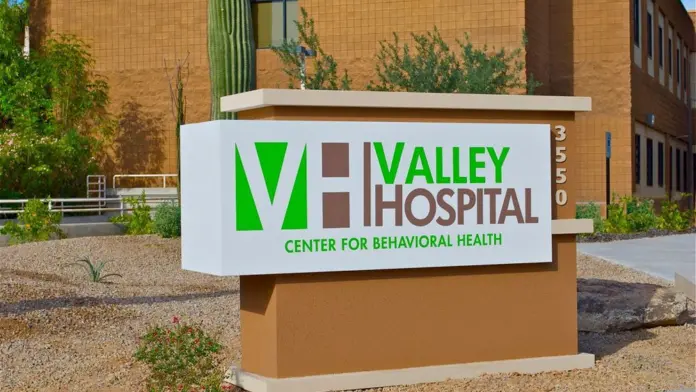
3550 East Pinchot Avenue
Phoenix, AZ 85018
Get Help Now - 602-834-1056
Sponsored Helpline
Sponsored Helpline


