




























































































About Westborough Behavioral Healthcare Hospital
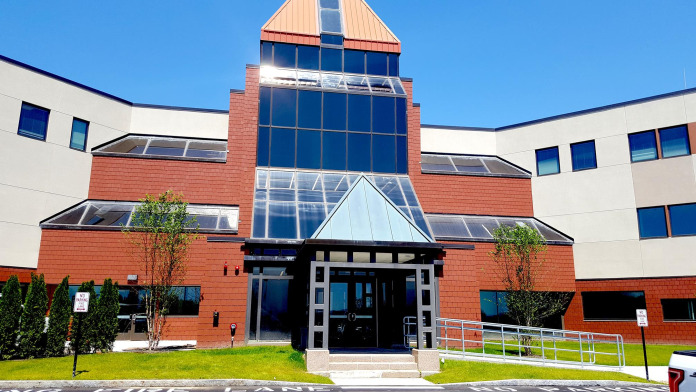
Westborough Behavioral Healthcare Hospital is a psychiatric hospital in Westborough, Massachusetts. They provide acute inpatient and outpatient behavioral health care with substance use adjacent support.
A specialized inpatient track for youth with developmental disabilities and a dedicated program for first responders makes this facility distinguishable from others.
Crisis Stabilization for Youth
Its programs span crisis stabilization and psychiatric care with medication management. PHP and IOP are offered across a segmented age based continuum.
The hospital operates a specialized inpatient unit for youth ages five to 17 with Autism Spectrum Disorder and intellectual or developmental disabilities. These youth must also present with psychiatric or behavioral needs.
The unit combines behavioral interventions with psychiatry and psychology as well as occupational therapy rather than treating these children within a general child unit.
A higher acuity inpatient placement for a child with ASD and co-occurring psychiatric concerns is difficult to find. The hospital is the right fit for parents needing a hospital level setting equipped for developmental complexity.
The F.R.S.T. Program for First Responders
The F.R.S.T. track at Westborough Behavioral is built around first responder and frontline culture. This track delivers PHP and IOP with counseling and a peer support group. It blends trauma focused methods including Cognitive Processing Therapy and Critical Incident Stress Management skill.
Trauma sensitive yoga and expressive arts are combined with meditation and therapeutic visits from a NEADS trained assistance dog. PHP runs five days weekly with four groups daily. IOP meets three days per week with three different groups.
Westborough Behavioral serves the Westborough area and accepts commercial insurance, MassHealth Medicaid, Medicare, and TRICARE.
Latest Reviews



Rehab Score
 Our Methodology


Gallery
Accepted Insurance


Other Forms of Payment
Private insurance refers to any kind of healthcare coverage that isn't from the state or federal government. This includes individual and family plans offered by an employer or purchased from the Insurance Marketplace. Every plan will have different requirements and out of pocket costs so be sure to get the full details before you start treatment.
Self-pay involves paying for treatment out of your own pocket. You can use savings or credit, get a personal loan, or receive help from family and friends to fund your treatment. If you don't have insurance or your insurance plan doesn't cover a specific program, self-pay can help ensure you still get the care you need.
Financial aid can take many forms. Centers may have grants or scholarships available to clients who meet eligibility requirements. Programs that receive SAMHSA grants may have financial aid available for those who need treatment as well. Grants and scholarships can help you pai for treatment without having to repay.
Medicaid is a state based program that helps lower-income individuals and families pay for healthcare. Medicaid covers addiction treatment so those enrolled can use their coverage to pay for rehab. When a program accepts Medicaid the client often pays very little or nothing out of their own pocket.
Medicare is a federal program that provides health insurance for those 65 and older. It also serves people under 65 with chronic and disabling health challenges. To use Medicare for addiction treatment you need to find a program that accepts Medicare and is in network with your plan. Out of pocket costs and preauthorization requirements vary, so always check with your provider.
Military members, veterans, and eligible dependents have access to specific insurance programs that help them get the care they need. TRICARE and VA insurance can help you access low cost or no cost addiction and mental health treatment. Programs that accept military insurance often have targeted treatment focused on the unique challenges military members, veterans, and their families face.
Addiction Treatments
Levels of Care
Outpatient programs are designed for clients who are medically stable and not at an elevated risk of relapse, including those who have already completed inpatient care. Outpatient programs typically advance clients' established treatment plans, offering continuing addiction counseling and recovery education. Clients who enter outpatient care immediately following detox may also receive medical and mental health assessments and personalized treatment plans. Most outpatient rehabs provide multiple levels of care to align with clients' unique needs.
Residential treatment programs are those that offer housing and meals in addition to substance abuse treatment. Rehab facilities that offer residential treatment allow patients to focus solely on recovery, in an environment totally separate from their lives. Some rehab centers specialize in short-term residential treatment (a few days to a week or two), while others solely provide treatment on a long-term basis (several weeks to months). Some offer both, and tailor treatment to the patient's individual requirements.
Intensive Outpatient Programs (IOP) are for those who want or need a very structured treatment program but who also wish to live at home and continue with certain responsibilities (such as work or school). IOP substance abuse treatment programs vary in duration and intensity, and certain outpatient rehab centers will offer individualized treatment programs.
A partial hospitalization program (PHP), also known as day treatment, allows you to receive rehab-level care while living at home. PHP treatment requires a minimum of 20 hours of treatment each week for an average of 90 days. PHP treatment plans can vary depending on your needs but typically includes relapse prevention, medication management, and evidence-based therapies, such as cognitive-behavioral therapy (CBT), and dialectical behavior therapy (DBT). Most insurance providers fully or partially cover PHP treatment.
Treatments
Many of those suffering from addiction also suffer from mental or emotional illnesses like schizophrenia, bipolar disorder, depression, or anxiety disorders. Rehab and other substance abuse facilities treating those with a dual diagnosis or co-occurring disorder administer psychiatric treatment to address the person's mental health issue in addition to drug and alcohol rehabilitation.
Mental health rehabs focus on helping individuals recover from mental illnesses like bipolar disorder, clinical depression, anxiety disorders, schizophrenia, and more. Mental health professionals at these facilities are trained to understand and treat mental health issues, both in individual and group settings.
A person who has alcohol use disorder (alcoholism) builds up a physical tolerance to alcohol. If they try to stop drinking, they experience withdrawal symptoms. Treatment is available for this condition, through alcohol rehab in Massachusetts. Treatment options include AA, detox, counseling, medication, residential programs, and outpatient treatment. Social and family support systems are crucial during and after treatment of any kind.
Addiction is a highly complex problem, and drug rehab in Massachusetts is often necessary to address it. These programs treat physical, mental, and relational issues that are involved. Treatment empowers individuals to manage these issues without the use of drugs.
 Opioid Addiction
In Massachusetts, substance abuse treatment programs can help to address addiction and, if relevant, any co-occurring mental health conditions. Programs include outpatient, inpatient, dual-diagnosis, and partial hospitalization. You'll receive therapies like cognitive behavioral therapy, or dialectical behavioral therapy, and sometimes complementary therapies like acupuncture and mindfulness-based therapy. By attending skills training and recovery groups you'll build a strong foundation for your recovery and strengthen your support network, increasing your chances of long-term recovery success.
Programs
Adult rehab programs include therapies tailored to each client's specific needs, goals, and recovery progress. They are tailored to the specific challenges adult clients may face, including family and work pressures and commitments. From inpatient and residential treatment to various levels of outpatient services, there are many options available. Some facilities also help adults work through co-occurring conditions, like anxiety, that can accompany addiction.
Young adulthood can be an exciting, yet difficult, time of transition. Individuals in their late teens to mid-20s face unique stressors related to school, jobs, families, and social circles, which can lead to a rise in substance use. Rehab centers with dedicated young adult programs will include activities and amenities that cater to this age group, with an emphasis on specialized counseling, peer socialization, and ongoing aftercare.
The providers who specialize in the children's rehab space understand the specialized needs that this population faces. School-based and social services such as tutoring and family counseling are often central to treatment. Child programs may also address the needs of youth experiencing substance abuse in the home, including a parent's or sibling's addiction.
Clinical Services
Cognitive Behavioral Therapy (CBT) is a therapy modality that focuses on the relationship between one's thoughts, feelings, and behaviors. It is used to establish and allow for healthy responses to thoughts and feelings (instead of unhealthy responses, like using drugs or alcohol). CBT has been proven effective for recovering addicts of all kinds, and is used to strengthen a patient's own self-awareness and ability to self-regulate. CBT allows individuals to monitor their own emotional state, become more adept at communicating with others, and manage stress without needing to engage in substance abuse.
Group therapy is any therapeutic work that happens in a group (not one-on-one). There are a number of different group therapy modalities, including support groups, experiential therapy, psycho-education, and more. Group therapy involves treatment as well as processing interaction between group members.
In individual therapy, a patient meets one-on-one with a trained psychologist or counselor. Therapy is a pivotal part of effective substance abuse treatment, as it often covers root causes of addiction, including challenges faced by the patient in their social, family, and work/school life.
Life skills trainings involve all the skills a person must have in order to function successfully in the world. These include time management, career guidance, money management, and effective communication. Truly successful addiction recovery is based on the ability to not only live substance-free, but to thrive. Life skills teaches the practical necessities of functioning in society, which sets clients up for success in life, and therefore sobriety.
During family therapy, the therapist works with every member of the family unit to understand the role they play in their loved one's addiction. By addressing these patterns, family members learn healthier ways to interact with each other and contribute to a more effective recovery journey for the family member who is addicted.
Recreational therapy helps you as you recover from drug and alcohol addiction in Massachusetts by giving you structured activities to improve your physical and mental health. By participating in sports, creative arts, or nature activities, you have a positive outlet for emotions and stress that may have otherwise triggered alcohol or drug use. This helps to foster a healthy sober lifestyle.
Amenities
-
 Private Setting
Accreditations

The Joint Commission, formerly known as JCAHO, is a nonprofit organization that accredits rehab organizations and programs. Founded in 1951, the Joint Commision's mission is to improve the quality of patient care and demonstrating the quality of patient care.
Joint Commission Accreditation: Yes
Rehab.com regularly reviews this listing for accuracy but changes may occur between updates. For the most up-to-date information, please contact Westborough Behavioral Healthcare Hospital.
Contact Information


300 Friberg Pkwy
Westborough, MA 03298
Sponsored Helpline


