
























































































I used to work there, and I must say the nurses and staff are great!!!! but the management are horrible. I would never have any of my relatives go there, nor would I encourage ANYONE to work there. The management tried to paint me and everyone working in the department ...
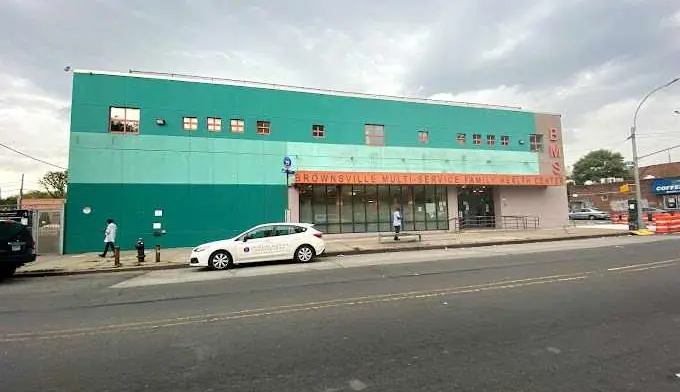
About BMS Family Health and Wellness Center
It can be painful and dangerous to use heroin and other opioid drugs. In addition to saving you money and reducing your risk of overdosing, MAT with Suboxone can help you stay away from potentially lethal street drugs that contain fentanyl. To determine whether Suboxone is right for you, you can schedule a consultation with a counselor.
In partnership with the NYC Department of Health and Mental Hygiene, they offer an opioid overdose prevention program. They provide the East New York Community with free life-saving Narcan (naloxone), which is an emergency medication that stops heroin and prescription painkiller overdose deaths. They don’t require a prescription to offer free Naloxone. Ask a staff member if you want to carry naloxone.
Their guidance is based on a collection of useful tactics and concepts meant to lessen the harmful effects of drug use. Their team also helps patients who have physical, cognitive, language, or other limitations by assisting them in advocating for and applying for high quality services.
The facility is authorized under the Federal Tort Claims Act. They offer a sliding fee scale according to family size and income. Services are never refused to patients because of their insurance, immigration status or financial situation.
Fact checked and written by:
Sehar Uddin
Edited by:
Courtney Myers, MS
Latest Reviews
Dentist dislike I don't like to do it everything in one time in the same day
Thank you for sharing your concerns. We understand that completing multiple dental procedures in a single visit can feel overwhelming for some patients. Our goal is always to provide care in a way that is comfortable and convenient for you.
You may contact our Patient Complaint Hotline at 1-866-202-2242, where a member of our team will follow up with you promptly.
We appreciate the chance to address your concerns and hope to demonstrate our commitment to providing you high- quality care.
Warm regards,
BMS Family Health and Wellness Centers
Response from the owner4 months ago
Hi Xavier, Thank you for sharing your concerns. We understand that completing multiple dental procedures in a single visit can feel overwhelming for some patients. Our goal is always to provide care in a way that is comfortable and convenient for you.
You may contact our Patient Complaint Hotline at 1-866-202-2242, where a member of our team will follow up with you promptly.
We appreciate the chance to address your concerns and hope to demonstrate our commitment to providing you high- quality care.
Warm regards,
BMS Family Health and Wellness Centers
I don’t understand, you need to saint 20 30 minutes on call to make a appointment or request a refell but if you press to call you back they call you in one minute so that mean they don’t answer the phone and if you don’t have a appointment doctor will no see you only the nurse and you can’t even have a doctor note I will changue to another care provider honestly
Thank you for taking the time to share your concerns. I am very sorry to hear about your recent experience and the frustration it has caused. This is not the level of service we strive to provide, and we sincerely apologize for the inconvenience you encountered when attempting to schedule an appointment and request a refill.
We understand how concerning it can feel when it appears that calls are not being answered in a timely manner. Please know that we are actively reviewing our phone and scheduling processes to ensure that all patients receive prompt and consistent service.
We value your feedback and would appreciate the opportunity to speak with you directly so we can look into your experience more thoroughly. You may contact our Patient Complaint Hotline at 1-866-202-2242, where a member of our team will follow up with you promptly.
Thank you again for bringing this to our attention. We truly hope you will give us the opportunity to restore your confidence in our care.
Warm regards,
BMS Family Health and Wellness Centers
Response from the owner4 months ago
Hi Doris,Thank you for taking the time to share your concerns. I am very sorry to hear about your recent experience and the frustration it has caused. This is not the level of service we strive to provide, and we sincerely apologize for the inconvenience you encountered when attempting to schedule an appointment and request a refill.
We understand how concerning it can feel when it appears that calls are not being answered in a timely manner. Please know that we are actively reviewing our phone and scheduling processes to ensure that all patients receive prompt and consistent service.
We value your feedback and would appreciate the opportunity to speak with you directly so we can look into your experience more thoroughly. You may contact our Patient Complaint Hotline at 1-866-202-2242, where a member of our team will follow up with you promptly.
Thank you again for bringing this to our attention. We truly hope you will give us the opportunity to restore your confidence in our care.
Warm regards,
BMS Family Health and Wellness Centers
The service here is decent but wouldn’t recommend this place if you’re a patient looking for hospitality.

Rehab Score
 Our Methodology
Scoring is assigned by a proprietary system which helps surface key metrics that determine quality. The 10-point scale factors in categories such as operations, customer satisfaction, and trust metrics. Read Full Methodology

6.4 / 10
Gallery
Other Forms of Payment
Private insurance refers to any kind of healthcare coverage that isn't from the state or federal government. This includes individual and family plans offered by an employer or purchased from the Insurance Marketplace. Every plan will have different requirements and out of pocket costs so be sure to get the full details before you start treatment.
Self-pay involves paying for treatment out of your own pocket. You can use savings or credit, get a personal loan, or receive help from family and friends to fund your treatment. If you don't have insurance or your insurance plan doesn't cover a specific program, self-pay can help ensure you still get the care you need.
Financial aid can take many forms. Centers may have grants or scholarships available to clients who meet eligibility requirements. Programs that receive SAMHSA grants may have financial aid available for those who need treatment as well. Grants and scholarships can help you pai for treatment without having to repay.
Sliding scale payments are based on a client's income and family size. The goal is to make treatment affordable to everyone. By taking these factors into account, addiction recovery care providers help ensure that your treatment does not become a financial burden to you or your family, eliminating one barrier to care.
Addiction Treatments
Levels of Care
Inpatient rehabs provide a space for clients to focus exclusively on their recovery while receiving intensive supervision and support. Inpatient treatment centers provide housing and food and most offer round-the-clock clinical care. Their primary treatment modalities typically consist of addiction counseling using various psychotherapeutic methods, including CBT, DBT, RBT, and motivational interviewing. Many rehabs also provide specialized services for clients with co-occurring addiction and mental illness. Recovery-focused life skills training and holistic therapies are other common services.
Outpatient Programs (OP) are for those seeking mental rehab or drug rehab, but who also stay at home every night. The main difference between outpatient treatment (OP) and intensive outpatient treatment (IOP) lies in the amount of hours the patient spends at the facility. Most of the time an outpatient program is designed for someone who has completed an inpatient stay and is looking to continue their growth in recovery. Outpatient is not meant to be the starting point, it is commonly referred to as aftercare.
Medical detox involves weaning your body off of addictive substances in a medically supervised environment. If you've become dependent on alcohol and/or drugs, quitting on your own can be uncomfortable and even dangerous. In medically assisted detox, a team of licensed medical professionals will help manage potential withdrawal symptoms, ensuring that you're as safe and comfortable as possible. This process typically takes about 5-7 days, although the length will depend on your individual needs.
Clients who enroll in an intensive outpatient program (IOP) are typically either in early recovery or are experiencing a crisis that increases their relapse risk. These programs promote clients' sustained sobriety through robust support, including multiple, extended care sessions per week. Intensive outpatient treatment often encompasses an array of services, including psychotherapy, recovery education, and evidence-based holistic therapies, such as acupuncture and meditation. Many outpatient rehabs also offer medication assisted treatment (MAT).
Participants in 12 step programs maintain access to community-based peer support, which is the programs' primary treatment modality. 12 step recovery combines personal growth with paper coaching. Participants regularly attend group meetings, which are free, anonymous, open to the public, and available multiple times per day in most communities. They are also mentored by self-selected sponsors who guide them through the steps of recovery. Age and gender specific and other specialized formats are common.
Treatments
Mental health rehabs focus on helping individuals recover from mental illnesses like bipolar disorder, clinical depression, anxiety disorders, schizophrenia, and more. Mental health professionals at these facilities are trained to understand and treat mental health issues, both in individual and group settings.
Programs
Adult rehab programs include therapies tailored to each client's specific needs, goals, and recovery progress. They are tailored to the specific challenges adult clients may face, including family and work pressures and commitments. From inpatient and residential treatment to various levels of outpatient services, there are many options available. Some facilities also help adults work through co-occurring conditions, like anxiety, that can accompany addiction.
Young adulthood can be an exciting, yet difficult, time of transition. Individuals in their late teens to mid-20s face unique stressors related to school, jobs, families, and social circles, which can lead to a rise in substance use. Rehab centers with dedicated young adult programs will include activities and amenities that cater to this age group, with an emphasis on specialized counseling, peer socialization, and ongoing aftercare.
Clinical Services
Whether a marriage or other committed relationship, an intimate partnership is one of the most important aspects of a person's life. Drug and alcohol addiction affects both members of a couple in deep and meaningful ways, as does rehab and recovery. Couples therapy and other couples-focused treatment programs are significant parts of exploring triggers of addiction, as well as learning how to build healthy patterns to support ongoing sobriety.
Research clearly demonstrates that recovery is far more successful and sustainable when loved ones like family members participate in rehab and substance abuse treatment. Genetic factors may be at play when it comes to drug and alcohol addiction, as well as mental health issues. Family dynamics often play a critical role in addiction triggers, and if properly educated, family members can be a strong source of support when it comes to rehabilitation.
Group therapy is any therapeutic work that happens in a group (not one-on-one). There are a number of different group therapy modalities, including support groups, experiential therapy, psycho-education, and more. Group therapy involves treatment as well as processing interaction between group members.
In individual therapy, a patient meets one-on-one with a trained psychologist or counselor. Therapy is a pivotal part of effective substance abuse treatment, as it often covers root causes of addiction, including challenges faced by the patient in their social, family, and work/school life.
Amenities
-
 Residential Setting
Staff & Accreditations
Staff
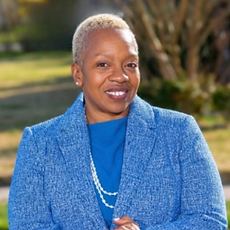
Michelle Everett-Oxley
President & CEO

Camille Taylor Mullings
Chief Medical Officer

Edmund Awuah
CFO & Executive VP
Accreditations

The Joint Commission, formerly known as JCAHO, is a nonprofit organization that accredits rehab organizations and programs. Founded in 1951, the Joint Commision's mission is to improve the quality of patient care and demonstrating the quality of patient care.
Joint Commission Accreditation: Yes
Accreditation Number: 194517
Contact Information

592 Rockaway Avenue
Brooklyn NY, 11212
Get Help Now - 646-439-0877
Sponsored Helpline
Sponsored Helpline

