






























































































CCR was a liberating life changing experience.The staff was kind and professional,they put the clients first.I am 5 months into sobriety now and life is so much better.Gone is the drudgery of my former life and they provided me the map to recovery. Thanks ,Bill D.
About Carolina Center for Recovery
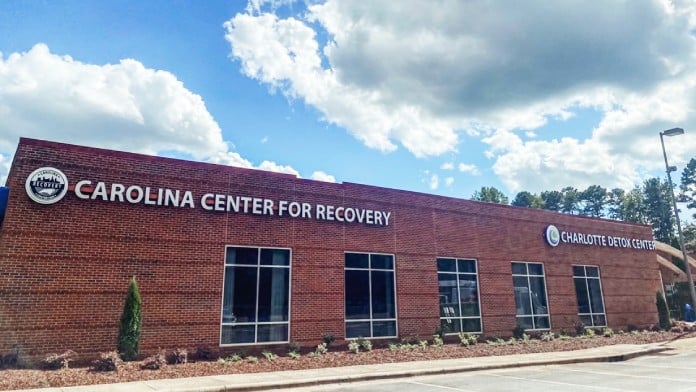
Carolina Center for Recovery provides substance addiction treatment in Charlotte, North Carolina. It offers outpatient care that allows flexibility for guests to continue with daily activities like working or attending school. The intimate setting encourages recovery and tranquility.
Medication-assisted treatment (MAT) is available here. This prrogram uses FDA-approved medicines to lessen withdrawal symptoms for those with opioid or alcohol addiction. MAT can make guests more comfortable and potentially avoid relapse issues.
Whole-Person Treatment for Healing
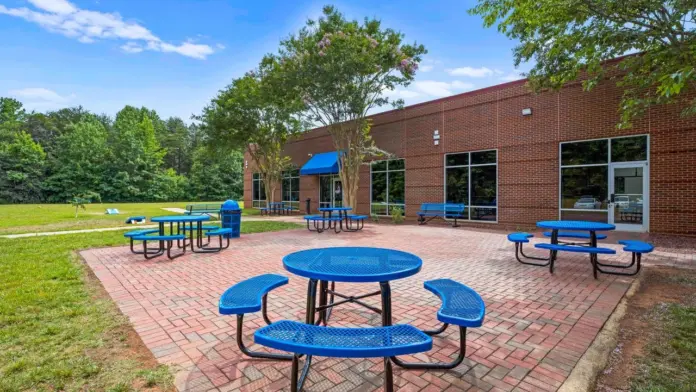
They provide compassionate care through traditional counseling methods and also with education. You’ll learn about addiction and how it affects thoughts, reactions, and relationships with others. There is a gym and recreational areas where you can unwind and enjoy interacting with others.
Life Skills That Make a Difference
Life skills therapy is a vital component of the program. The team at Carolina Center doesn’t want you to abstain from drugs and alcohol only but also to understand the root causes of your addiction and develop the skills to avoid relapse. You’ll learn coping methods that help you reduce stress and continue with a sober lifestyle after treatment. Life skills topics include maintaining healthy relationships, managing stress, improving communication, and learning problem-solving techniques.
Focusing on Recovery, Not Paperwork
Your overall health is crucial and part of their program. Self-care is a primary focus, and you’ll learn how to shop for and prepare nutritious meals, lower stress levels, have healthy hygiene, and create a budget for your finances.
Carolina Center for Recovery is an in-network provider, contracting with numerous health insurance companies. This relationship keeps costs more efficient for you, so you get the addiction care you need with savings that make it more affordable. You can focus on recovery and not mountains of paperwork because they do all the insurance billing, ensuring the administrative stress is streamlined and not on your shoulders.
Latest Reviews
I absolutely love this place would recommend 10/10 I’ve never been to a place where the environment was so loving and so healthy I’ve honestly learned so much about my addiction as well as what led me to it in the first place it will always have a huge place in my heart
This facility is great. The staff really try to help you recover. At no point did I not feel seen. The counselors are knowledgeable annd emphasize this is a disease that requires work. As long as you put in effort you can’t go wrong here!
It was great highly recommend

Rehab Score
 Our Methodology
Scoring is assigned by a proprietary system which helps surface key metrics that determine quality. The 10-point scale factors in categories such as operations, customer satisfaction, and trust metrics. Read Full Methodology

8 / 10
Gallery



Accepted Insurance
Other Forms of Payment
Private insurance refers to any kind of healthcare coverage that isn't from the state or federal government. This includes individual and family plans offered by an employer or purchased from the Insurance Marketplace. Every plan will have different requirements and out of pocket costs so be sure to get the full details before you start treatment.
Self-pay involves paying for treatment out of your own pocket. You can use savings or credit, get a personal loan, or receive help from family and friends to fund your treatment. If you don't have insurance or your insurance plan doesn't cover a specific program, self-pay can help ensure you still get the care you need.
Sliding scale payments are based on a client's income and family size. The goal is to make treatment affordable to everyone. By taking these factors into account, addiction recovery care providers help ensure that your treatment does not become a financial burden to you or your family, eliminating one barrier to care.
Medicaid is a state based program that helps lower-income individuals and families pay for healthcare. Medicaid covers addiction treatment so those enrolled can use their coverage to pay for rehab. When a program accepts Medicaid the client often pays very little or nothing out of their own pocket.
Addiction Treatments
Levels of Care
Outpatient Programs (OP) are for those seeking mental rehab or drug rehab, but who also stay at home every night. The main difference between outpatient treatment (OP) and intensive outpatient treatment (IOP) lies in the amount of hours the patient spends at the facility. Most of the time an outpatient program is designed for someone who has completed an inpatient stay and is looking to continue their growth in recovery. Outpatient is not meant to be the starting point, it is commonly referred to as aftercare.
Intensive Outpatient programs are for those who want or need a very structured treatment program but who also wish to live at home and continue with certain responsibilities (such as work or school). IOP substance abuse treatment programs vary in duration and intensity, and certain outpatient rehab centers will offer individualized treatment programs. The Intensive Outpatient Program gives patients the chance to participate in a structured treatment plan part-time while they transition back to home and work or other responsibilities. This program provides half-day treatment (Monday, Wednesday and Friday, 9:15 am to 12:30 pm).
Programs
Adult rehab programs include therapies tailored to each client's specific needs, goals, and recovery progress. They are tailored to the specific challenges adult clients may face, including family and work pressures and commitments. From inpatient and residential treatment to various levels of outpatient services, there are many options available. Some facilities also help adults work through co-occurring conditions, like anxiety, that can accompany addiction.
Clinical Services
Men and women enjoy a supportive environment within group therapy sessions for drug and alcohol addiction treatment. You can share your experiences and build connections with your peers while receiving encouragement from individuals who have faced similar challenges.
You usually develop a strong bond with your therapist during individual therapy sessions. This helps you explore the underlying causes of your substance use in a safe and nonjudgmental environment. Therapists help you develop effective coping strategies you can use in the community and improve your self awareness so you understand your addiction triggers.
Staff & Accreditations
Staff
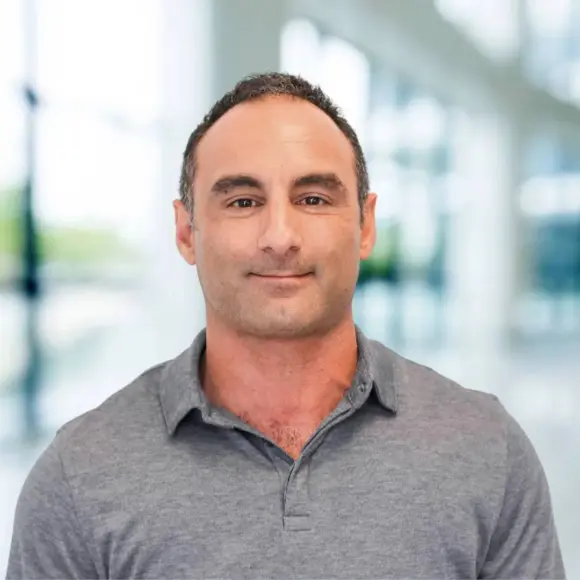
Russ Guccio
COO & CO-Founder
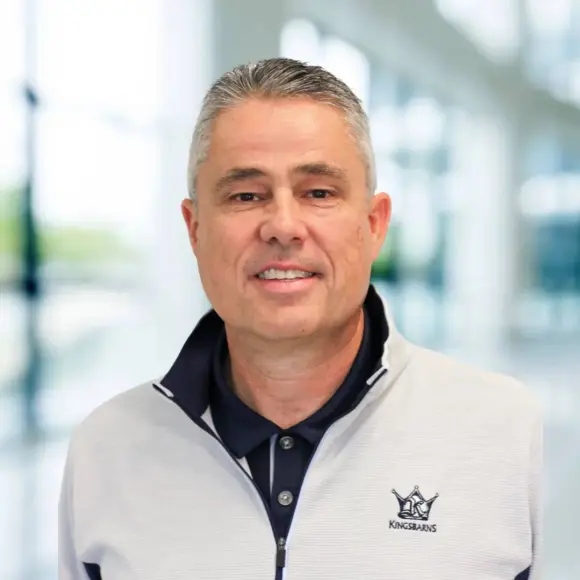
Chris Doyle
CEO
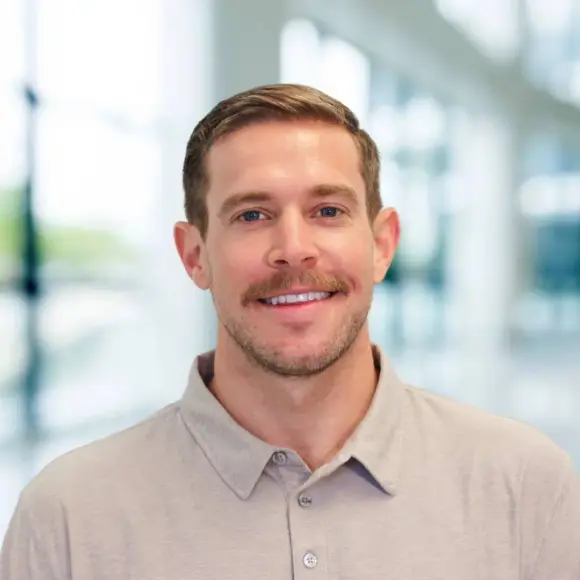
Ryan Ledoux
Executive Director

Mary Jane McGill, LCAS, CCS, LCMHC-MAC
Clinical Director
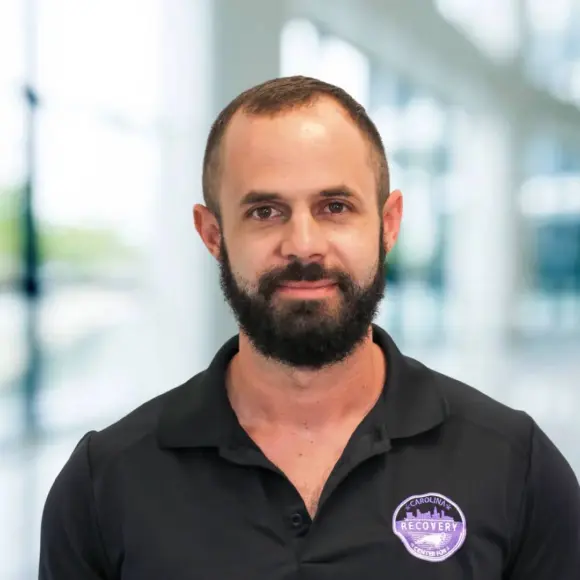
Daniel Hearne
Director of Operations
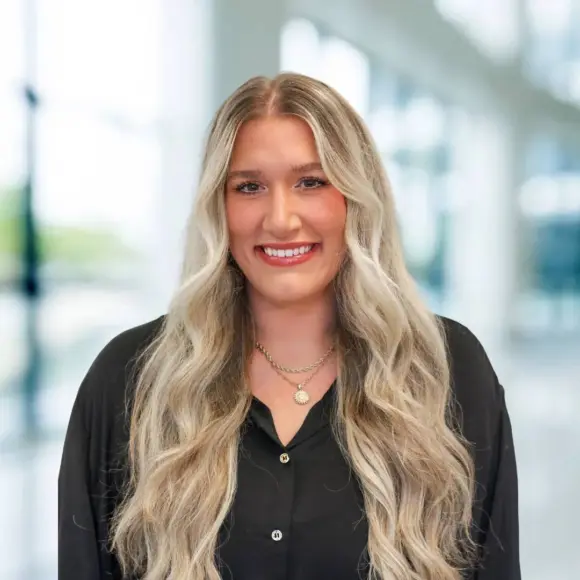
Brie Doyle
Director of Human Resources

Taylor Lovallo
Director of Admissions
Accreditations

The Commission on Accreditation of Rehabilitation Facilities (CARF) is a non-profit organization that specifically accredits rehab organizations. Founded in 1966, CARF's, mission is to help service providers like rehab facilities maintain high standards of care.
CARF Accreditation: Yes
Rehab.com regularly reviews this listing for accuracy but changes may occur between updates. For the most up-to-date information, please contact Carolina Center for Recovery.
Contact Information

7349 Statesville Rd
Charlotte, NC 28269
Get Help Now - 910-260-4665
Sponsored Helpline
Sponsored Helpline



