












Footprints to Recovery Addiction Treatment Centers
1
Top 10 Rehab Centers In Centennial



















































































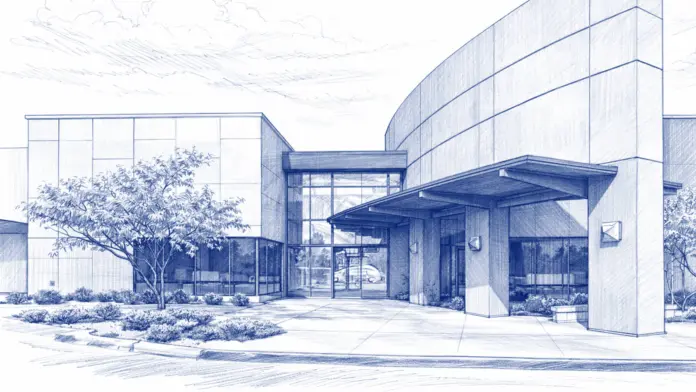
Denver Recovery Group is an opioid addiction treatment facility in Lakeland, Florida. The services available at this location include addiction counseling and medication assisted treatment. The staff focuses on providing clients with evidence based treatment in a compassionate environment.
The therapists at Denver Recovery Group specialize in treating opioid addiction. The primary therapeutic approach they use to help is cognitive behavioral therapy. It’s designed to help you change the negative thoughts and beliefs that influence your addiction.
Clients can sometimes have difficulty engaging in counseling services because of their withdrawal symptoms. The facility can provide you with medications to reduce the physical discomfort you’re experiencing.
One of the things I like most about this facility is how involved they are in the discharge planning resources. The plan put together includes strategies for maintaining sobriety, preventing relapse and promoting your overall well being.
The staff will make sure you continue to have access to counseling and support groups. They’ll also schedule your follow up appointments to keep monitoring your progress and address any ongoing concerns you may have. Denver Recovery Group also has a case management team available to connect you to services that address any psychological, medical or social needs you have.
The facility is just 20 minutes away from Denver and all of its unique attractions. Outside of your treatment sessions, you can enjoy activities such as visiting the Denver Botanic Gardens or taking a nice walk around Denver City Park.

 Our Methodology


Private insurance refers to any kind of healthcare coverage that isn't from the state or federal government. This includes individual and family plans offered by an employer or purchased from the Insurance Marketplace. Every plan will have different requirements and out of pocket costs so be sure to get the full details before you start treatment.
Self-pay involves paying for treatment out of your own pocket. You can use savings or credit, get a personal loan, or receive help from family and friends to fund your treatment. If you don't have insurance or your insurance plan doesn't cover a specific program, self-pay can help ensure you still get the care you need.
Outpatient Programs (OP) are for those seeking mental rehab or drug rehab, but who also stay at home every night. The main difference between outpatient treatment (OP) and intensive outpatient treatment (IOP) lies in the amount of hours the patient spends at the facility. Most of the time an outpatient program is designed for someone who has completed an inpatient stay and is looking to continue their growth in recovery. Outpatient is not meant to be the starting point, it is commonly referred to as aftercare.
Clients entering an inpatient rehab typically require more intensive treatment than those in outpatient care. Clients often start inpatient treatment immediately after completing a detox program. Upon admission, they engage in extensive psychotherapy, receive recovery-focused life skills training, and participate in evidence-based complementary therapies, such as meditation, massage, acupuncture, and/or animal, creative arts, recreational, and experiential therapy.
Residents of a sober living home in Colorado are encouraged to continue to develop coping skills and habits they learned in treatment. They can typically live at the halfway house as long as they want, until they feel they are ready to transition home. During their stay, they must adhere to house rules, which may include contributing to household chores, abiding by a curfew, and maintaining a job.
Drug and alcohol addiction often takes a heavy toll on one’s body. Over time, a physical dependence can develop, meaning the body physiologically needs the substance to function. Detox is the process of removing drugs and/or alcohol from the body, a process that can be lethal if mismanaged. Medical detox is done by licensed medical professionals who monitor vital signs and keep you safe, healthy, and as comfortable as possible as you go through detox and withdrawal.
Adult rehab programs include therapies tailored to each client's specific needs, goals, and recovery progress. They are tailored to the specific challenges adult clients may face, including family and work pressures and commitments. From inpatient and residential treatment to various levels of outpatient services, there are many options available. Some facilities also help adults work through co-occurring conditions, like anxiety, that can accompany addiction.
Young adulthood can be an exciting, yet difficult, time of transition. Individuals in their late teens to mid-20s face unique stressors related to school, jobs, families, and social circles, which can lead to a rise in substance use. Rehab centers with dedicated young adult programs will include activities and amenities that cater to this age group, with an emphasis on specialized counseling, peer socialization, and ongoing aftercare.
Recovery is most successful when clients feel accepted and validated by their peers and treatment providers. Facilities that offer LGBTQ-inclusive programming are committed to creating a safe space where everyone can grow and recover without fear of judgment or discrimination. They will have dedicated policies in place to create a safe and supportive environment that fosters free expression.
Group therapy in Colorado offers you a platform to share your stories about drug addiction and co occurring mental health conditions. You'll receive encouragement and empathy from peers who understand your journey, fostering a sense of community and belonging.
Men and women in Colorado have access to customized individual therapy sessions for drug and alcohol addiction treatment. These sessions explore your life experiences and patterns of substance abuse. Your therapist helps you recognize harmful behaviors and thoughts that empower you to make positive changes for lasting recovery.
Therapists who employ motivational interview techniques seek to draw out the client's ideas about change and allow them to draw their own conclusions about the need for change. This method is often effective for clients who feel unsure about their ability to change or the need for change.
During trauma therapy, you explore the impact that a traumatic event has had on your life. Your therapist can help you develop strategies to manage the emotional and physical symptoms while improving emotional regulation. This improves your overall quality of life.
Based on the couple's needs, couples therapy may take different forms. Your therapist will probably take an integrated approach, using techniques from several methods such as cognitive behavioral therapy and psychodynamic couple's therapy. The goal is to work through challenges and strengthen your relationship.
During family therapy sessions, family members in Colorado work with therapists to understand addiction as a disease that has affected the entire family. This approach fosters empathy and reduces blame on any one member. Promoting this collective effort helps to support the recovery process.
 Residential Setting
  Private Rooms
Founder
Regional Director

Manager of Administrative Operations and Coordinator of Program Services
Nursing Supervisor
Assistant Director and Director of Clinical Operations

The Commission on Accreditation of Rehabilitation Facilities (CARF) is a non-profit organization that specifically accredits rehab organizations. Founded in 1966, CARF's, mission is to help service providers like rehab facilities maintain high standards of care.
CARF Accreditation: Yes
Rehab.com regularly reviews this listing for accuracy but changes may occur between updates. For the most up-to-date information, please contact Denver Recovery Group Lakewood.

8790 W Colfax Ave
Lakewood, CO 80215
Sponsored Helpline

Bless this place and the people that make it

Wonderful place for people in recovery


Very caring, attentive and professional staff. Can’t say enough positive things. James is a phenomenal counselor and goes above and beyond, as does the rest of the team.
 Back
Back
Sharing your insights and experiences can help others learn more about this rehab center.