





























































































About Embark Behavioral Health – Benton
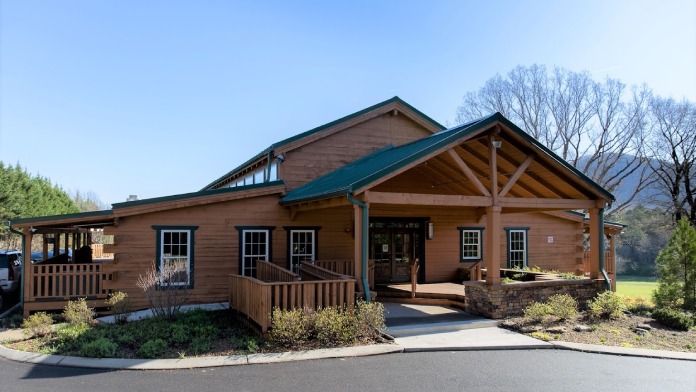
The center’s unique developmental framework is designed to help residents heal and grow, all within the calming, therapeutic backdrop of Tennessee’s natural mountainous beauty. A structured daily schedule of mental and behavioral treatment is designed to provide a mixed bag of therapy, recreational activities, and schooling for a holistic recovery program. Support is also available for individuals engaging in high-risk behaviors like drug use, self-harm and addiction.
A typical daily routine at this center might include individual, group, or family counseling; outdoor experiences; exercise; and functional daily activities. The center really makes the most of its surroundings to incorporate the healing power of the great outdoors as much as possible, through activities like strength training, mountain biking, hiking, white water rafting, rock climbing, camping, soccer and basketball. In this way, residents can reconnect with nature, their physicality, and emotions as they integrate all the therapeutic work they’re doing.
Activities like mindfulness, arts and crafts, and journaling help consolidate this and encourage further self-awareness throughout the recovery process. Meanwhile, taking part in service projects, games, and regular outings fulfills social needs.
A range of therapy styles is offered here, including dialectical behavior therapy (DBT), trauma-focused cognitive behavioral therapy (TF-CBT), attachment-focused therapy, and brainspotting. Other experiential and recreational therapies offered include music therapy and equine therapy.
Facility Overview
 6-15
6-15  61 - 90
 Latest Reviews



Rehab Score
 Our Methodology


Gallery
Accepted Insurance
Other Forms of Payment
Private insurance refers to any kind of healthcare coverage that isn't from the state or federal government. This includes individual and family plans offered by an employer or purchased from the Insurance Marketplace. Every plan will have different requirements and out of pocket costs so be sure to get the full details before you start treatment.
Self-pay involves paying for treatment out of your own pocket. You can use savings or credit, get a personal loan, or receive help from family and friends to fund your treatment. If you don't have insurance or your insurance plan doesn't cover a specific program, self-pay can help ensure you still get the care you need.
Sliding scale payments are based on a client's income and family size. The goal is to make treatment affordable to everyone. By taking these factors into account, addiction recovery care providers help ensure that your treatment does not become a financial burden to you or your family, eliminating one barrier to care.
Addiction Treatments
Levels of Care
Outpatient rehabs enable clients to receive care without leaving their home, workplace, and community. Clients typically receive intensive addiction counseling, including individual, group, and family therapy. Many programs promote clients' long-term sobriety through recovery-focused life skills training and ancillary services, such as peer coaching. Medication assisted treatment (MAT), including medication induction and maintenance, are common in outpatient care. Most facilities offer multiple levels of care to accommodate clients' evolving needs, including intensive outpatient (IOP) and standard outpatient programming.
Residential treatment programs are those that offer housing and meals in addition to substance abuse treatment. Rehab facilities that offer residential treatment allow patients to focus solely on recovery, in an environment totally separate from their lives. Some rehab centers specialize in short-term residential treatment (a few days to a week or two), while others solely provide treatment on a long-term basis (several weeks to months). Some offer both, and tailor treatment to the patient's individual requirements.
Clients in intensive outpatient programs (IOP) receive robust, personalized care to support their reintegration into their community. Clients stepping down from inpatient treatment frequently enroll in IOP before entering standard outpatient care or community-based recovery programs, such as AA. Intensive outpatient treatment generally involves between nine and 20 therapeutic hours weekly, with the frequency and duration of sessions decreasing as clients stabilize. IOP services commonly include counseling, recovery education, holistic therapies, and medication assisted treatment (MAT).
Clients receiving support in a rehab aftercare program typically have abstained from drugs or alcohol for a period of weeks or months and have completed high-level (often inpatient) treatment. Drug rehab aftercare is designed to support clients in maintaining their sobriety as they re-engage with their ordinary lives at home, in the workplace, and in the community. Services are highly individualized and evolve with clients' changing needs, but generally include peer coaching and relapse prevention.
When enrolld in an addiction recovery program that's based on the 12 step model, clients are able to cultivate recovery-focused life skills emphasizing spiritual, mental, and emotional healing. Participants receive intensive peer support in 12 step meetings, which are anonymous, free, open to the public, and available day and night in most communities. Self-selected sponsors guide sponsees through the recovery journey, cultivating self-awareness, forgiveness, acceptance, and accountability. Though these programs are rooted in spiritual principles, participants aren't required to be religiously affiliated.
A partial hospitalization program (PHP) is an intensive outpatient option for those with moderate to severe addictions, allowing you to return home at the end of the day. It can be an alternative to hospitalization or used as a step-down option. PHP treatment requires a minimum of 20 hours of treatment per week for an average of 90 days. Depending on your needs, PHP treatment includes relapse prevention, medication management, and behavioral therapy services. PHP treatment is often covered by providers.
To keep you safe and comfortable during the detoxification process, a medically assisted detox provides you with a team of medical professionals who can provide the necessary medications to treat any potential withdrawal symptoms. Suddenly stopping chronic abuse of substances like alcohol, benzodiazepines, or opioids can have uncomfortable and even dangerous side effects.
Treatments
Mental health rehabs focus on helping individuals recover from mental illnesses like bipolar disorder, clinical depression, anxiety disorders, schizophrenia, and more. Mental health professionals at these facilities are trained to understand and treat mental health issues, both in individual and group settings.
Programs
Adult rehab programs include therapies tailored to each client's specific needs, goals, and recovery progress. They are tailored to the specific challenges adult clients may face, including family and work pressures and commitments. From inpatient and residential treatment to various levels of outpatient services, there are many options available. Some facilities also help adults work through co-occurring conditions, like anxiety, that can accompany addiction.
Young adulthood can be an exciting, yet difficult, time of transition. Individuals in their late teens to mid-20s face unique stressors related to school, jobs, families, and social circles, which can lead to a rise in substance use. Rehab centers with dedicated young adult programs will include activities and amenities that cater to this age group, with an emphasis on specialized counseling, peer socialization, and ongoing aftercare.
Teen programs are designed to address the unique pressures teens face, pressures that can drive them to experiment with dangerous, addictive substances. They need programs that meet them exactly where they are and give them tools for long-term recovery. Therapy can help teenagers understand and work through underlying issues so they can reclaim the life ahead of them.
Clinical Services
Typical cognitive behavioral therapy in Tennessee involves recognizing negative thinking and learning techniques to change that thinking and create new, positive behaviors. Strategies may include SMART goals, journaling, and situation exposure.
Counseling in Tennessee that takes a dialectical behavior therapy approach can last from six to 12 months. During that time, you'll develop skills in the areas of distress tolerance, mindfulness, emotional regulation, and interpersonal effectiveness.
 Equine Therapy
Group therapy is any therapeutic work that happens in a group (not one-on-one). There are a number of different group therapy modalities, including support groups, experiential therapy, psycho-education, and more. Group therapy involves treatment as well as processing interaction between group members.
In individual therapy, a patient meets one-on-one with a trained psychologist or counselor. Therapy is a pivotal part of effective substance abuse treatment, as it often covers root causes of addiction, including challenges faced by the patient in their social, family, and work/school life.
Trauma therapy is a safe place to work through the lingering effects of traumatic events in your life. Your therapist will help you understand the physical and emotional responses that can develop after witnessing or experiencing a traumatic event. You then work toward developing healthier coping mechanisms to reduce your symptoms.
While engaged in couples therapy in Tennessee, you'll learn how to trust, communicate, forgive, and manage emotions. Developing these skills can be beneficial at any time during the relationship, but they are particularly crucial when facing life challenges.
Research clearly demonstrates that recovery is far more successful and sustainable when loved ones like family members participate in rehab and substance abuse treatment. Genetic factors may be at play when it comes to drug and alcohol addiction, as well as mental health issues. Family dynamics often play a critical role in addiction triggers, and if properly educated, family members can be a strong source of support when it comes to rehabilitation.
Life skills training teaches you how to cope with challenging situations in non destructive ways. This crucial piece of drug rehab in Tennessee gives you tools for decision making, relationship building, and self care.
Recreational therapy supports addiction recovery by giving you structured activities that promote physical and mental health. These help build a supportive network of your peers that promotes sobriety. Activities can include sports, creative arts, and outdoor adventures that help you reduce cravings, manage stress, and give you an emotional outlet.
Creative arts therapy can be integrated with other therapeutic methods during drug rehab in Tennessee. This treatment can provide unique experiences that allow you to better understand your feelings and experiences. Methods include music, art, dance, and writing therapy.
Experiential therapy is a form of therapy in which clients are encouraged to surface and work through subconscious issues by engaging in real-time experiences. Experiential therapy departs from traditional talk therapy by involving the body, and having clients engage in activities, movements, and physical and emotional expression. This can involve role-play or using props (which can include other people). Experiential therapy can help people process trauma, memories, and emotion quickly, deeply, and in a lasting fashion, leading to substantial and impactful healing.
Amenities
-
 Gym
Gym -
 Yoga Studio
 -
 Residential Setting
 -
 Private Rooms
 -
 Hiking
 -
 Mountain Views
 -
 Gardens
 -
 Walking Trails
Staff & Accreditations
Staff
Jeremy Behling
COO
Brian Beutin
Division President, Embark Residential
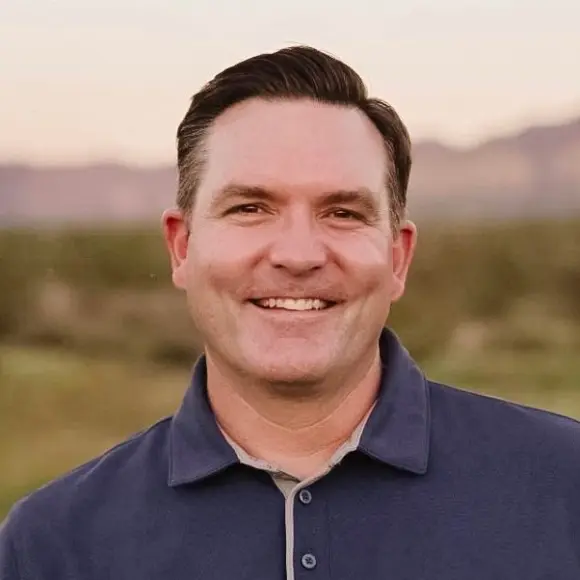
Darren Wight
CFO

Chris Johstoneaux, LCSW
Executive Director

Peter Marvin
Clinical Director

Jake McNelley
Residential Director

Dr. Cassandra Simms
Psychiatrist

Kristen Thompson
Clinical Outreach Specialist
Accreditations

The Joint Commission, formerly known as JCAHO, is a nonprofit organization that accredits rehab organizations and programs. Founded in 1951, the Joint Commision's mission is to improve the quality of patient care and demonstrating the quality of patient care.
Joint Commission Accreditation: Yes
Rehab.com regularly reviews this listing for accuracy but changes may occur between updates. For the most up-to-date information, please contact Embark Behavioral Health – Benton.
Contact Information


5842 TN-30
Benton, TN 37307
Sponsored Helpline


