






































































































A gentleman named Ron Harris who works there did a really great job with getting my son inside the center taking care of he was prompt he was courteous it's all around great staff person you have. Ron Harris is exceptional The doctor's not so much.
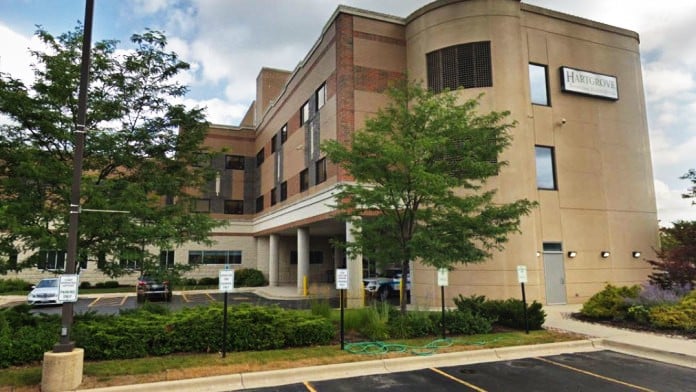
About Hartgrove Behavioral Health System
The center has contractual relationships with more than 30 different insurance companies. They also take TRICARE and Medicare. They’ll work with your insurance company throughout the process to ensure you get the most out of your mental health coverage.
The Steps to Recovery Dual Diagnosis Program is an adult intensive outpatient program (IOP) for those 18 and up with substance use disorder and co-occurring mental health issues. The program provides medication assisted treatment (MAT) for alcohol and opioid addiction.
You’ll receive treatment from registered MISA (Mental Illness/Substance Abuse) counselors. You’ll learn about the impact of substance use on your mental and physical health, attend counseling and develop a readiness to change plan. You’ll learn how to regulate your mood and how to appropriately express your feelings
The inpatient services include recovery and crisis stabilization. If you’re in the crisis stabilization unit, you’ll be separated from those in the recovery unit. Crisis stabilization patients are given support for external behaviors such as psychosis and aggression. If you’re in the recovery unit, you’ll get help with internalized behaviors such as depression and anxiety.
In both units, you’ll get evidence based treatments with different therapy modalities as well as medication treatment if appropriate. Children and adolescents receive schooling through the Hartgrove Academy program.
Fact checked and written by:
Susan Bertram, BA
Edited by:
Kerry Nenn, BSW
Facility Overview
 160
160 Number of Available Beds
Latest Reviews
I’m concerned about the treatment of my family member in this hospital. The nurses are very stern, even when I’m trying to get information about my family member or advocate for their care. I called during calling hours and the call isn’t transferring and I feel as though they’re (specifically Mina) playing games with me, routing me to other section and telling me to call back later and hanging up on me despite calling hours being 1 hour. I have already called patient advocacy to help address these concerns and some of the other medical needs, but fear that I will need to get a lawyer to resolve any of these issues.
They keep hanging up on me when I try to call my family member causing me lots of stress. It’s so unnecessary and unprofessional. They keep changing the contact hours… it’s 7-8… it’s 7-830…. But really they just keep you hoping that you’ll get to talk to someone when really all hope is lost at this place. They are making my life worse and are making my loved one’s life worse…. Do not send your loved one here. I promised my loved one we’d talk tonight and they’re making an active attempt to sew divide and not have us follow through with our promise to call.
Response from the owner5 months ago
Thank you for taking the time to reach out to us. We take your comments very seriously and would like to learn more about your loved one’s concerns. So that we can better assist you, please provide us with your loved one’s full name and location in our facility by visiting http://www.hartgrovehospital.com/contact-us/. Again, thank you. We hope to hear from you soon.
Fast professional service, With a side of compassion. Thank you for accepting my daughter in her time of having a mental health crisis.
If I could give them zero stars ms niyah was very disrespectful cursing at me I just left the hospital and Mr jackiee was very unprofessional due to them leaving me in the quite room with nothing no clothes but a T-shirt and underwear no blanket while air is blowing it’s the start of winter at that they are very disrespectful and unprofessional they treat you like shit I rate this hospital the worst of worst

Rehab Score
 Our Methodology
Scoring is assigned by a proprietary system which helps surface key metrics that determine quality. The 10-point scale factors in categories such as operations, customer satisfaction, and trust metrics. Read Full Methodology

6.8 / 10
Gallery
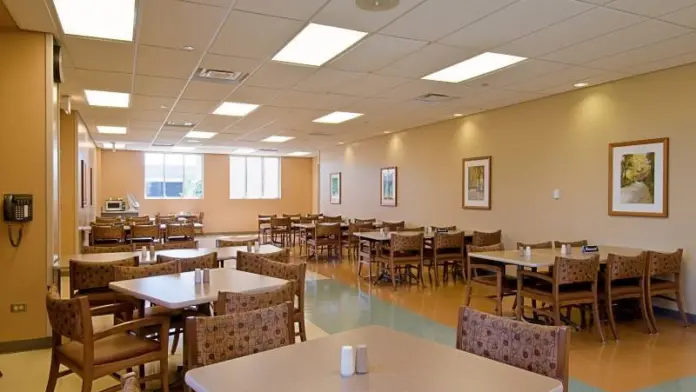

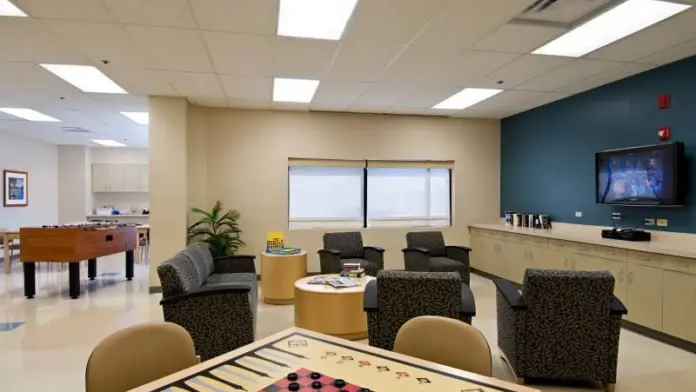

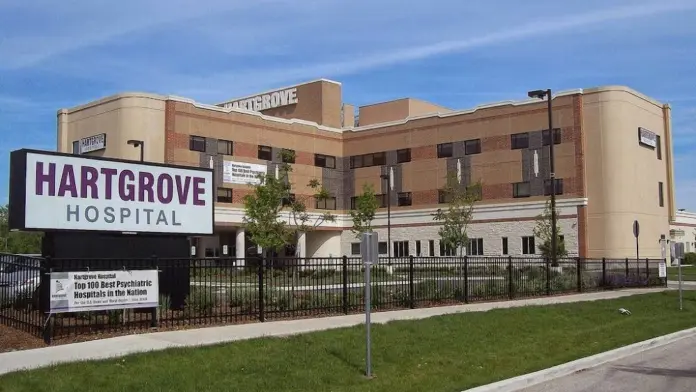
Accepted Insurance

Beech Street
Community Care
HealthSpring
IlliniCare Health
Other Forms of Payment
Medicaid is a state based program that helps lower-income individuals and families pay for healthcare. Medicaid covers addiction treatment so those enrolled can use their coverage to pay for rehab. When a program accepts Medicaid the client often pays very little or nothing out of their own pocket.
Private insurance refers to any kind of healthcare coverage that isn't from the state or federal government. This includes individual and family plans offered by an employer or purchased from the Insurance Marketplace. Every plan will have different requirements and out of pocket costs so be sure to get the full details before you start treatment.
Self-pay involves paying for treatment out of your own pocket. You can use savings or credit, get a personal loan, or receive help from family and friends to fund your treatment. If you don't have insurance or your insurance plan doesn't cover a specific program, self-pay can help ensure you still get the care you need.
Financial aid can take many forms. Centers may have grants or scholarships available to clients who meet eligibility requirements. Programs that receive SAMHSA grants may have financial aid available for those who need treatment as well. Grants and scholarships can help you pai for treatment without having to repay.
Medicare is a federal program that provides health insurance for those 65 and older. It also serves people under 65 with chronic and disabling health challenges. To use Medicare for addiction treatment you need to find a program that accepts Medicare and is in network with your plan. Out of pocket costs and preauthorization requirements vary, so always check with your provider.
Military members, veterans, and eligible dependents have access to specific insurance programs that help them get the care they need. TRICARE and VA insurance can help you access low cost or no cost addiction and mental health treatment. Programs that accept military insurance often have targeted treatment focused on the unique challenges military members, veterans, and their families face.
Private insurance refers to any kind of healthcare coverage that isn't from the state or federal government. This includes individual and family plans offered by an employer or purchased from the Insurance Marketplace. Every plan will have different requirements and out of pocket costs so be sure to get the full details before you start treatment.
Addiction Treatments
Levels of Care
Outpatient Programs (OP) are for those seeking mental rehab or drug rehab, but who also stay at home every night. The main difference between outpatient treatment (OP) and intensive outpatient treatment (IOP) lies in the amount of hours the patient spends at the facility. Most of the time an outpatient program is designed for someone who has completed an inpatient stay and is looking to continue their growth in recovery. Outpatient is not meant to be the starting point, it is commonly referred to as aftercare.
Residential treatment programs are those that offer housing and meals in addition to substance abuse treatment. Rehab facilities that offer residential treatment allow patients to focus solely on recovery, in an environment totally separate from their lives. Some rehab centers specialize in short-term residential treatment (a few days to a week or two), while others solely provide treatment on a long-term basis (several weeks to months). Some offer both, and tailor treatment to the patient's individual requirements.
Intensive outpatient programs (IOP) enable clients to receive high-level care while living at home. Clients may choose to enter IOP instead of enrolling in inpatient care post-detox or they may transition from an inpatient rehab into IOP. Intensive outpatient treatment involves multiple therapeutic sessions per week and includes a combination of psychotherapy and addiction and recovery education. Many programs also offer medication assisted treatment (MAT) and/or holistic therapies, such as acupuncture and massage.
As a flexible option, a partial hospitalization program (PHP) is tailored for those who don't require 24-hour care. PHP treatment can include daily therapeutic sessions and services such as relapse prevention and medication management. Based on your needs, PHP treatment duration can average 90 days and require a minimum of 20 hours of commitment weekly. While a partial hospitalization program typically requires a commute, telehealth may be available. PHP treatment costs can vary but are often covered by most insurance.
Addiction treatment often begins with 24-hour clinical care in Illinois. This supervised setting is the best environment for detox.where medical staff can provide 24/7 supervision and responsive care as your body is cleansed of addictive substances. Doctors may prescribe antagonist and partial agonist drugs to counteract the effects of drugs or alcohol, or they may slowly taper down dosages of substances to end physical dependence on the drug.
Treatments
Many of those suffering from addiction also suffer from mental or emotional illnesses like schizophrenia, bipolar disorder, depression, or anxiety disorders. Rehab and other substance abuse facilities treating those with a dual diagnosis or co-occurring disorder administer psychiatric treatment to address the person's mental health issue in addition to drug and alcohol rehabilitation.
Mental health rehabs focus on helping individuals recover from mental illnesses like bipolar disorder, clinical depression, anxiety disorders, schizophrenia, and more. Mental health professionals at these facilities are trained to understand and treat mental health issues, both in individual and group settings.
Alcohol use disorder (alcoholism) can be severe, moderate, or mild. Symptoms include spending a lot of time drinking, wanting to stop but being unsuccessful, and feeling strong cravings that lead to overuse of alcohol. At any severity level, alcohol addiction is treatable through alcohol rehab in Illinois. Most comprehensive rehab programs include medical detox, inpatient rehab, and ongoing alcohol counseling/support (maintenance).
Drug rehab in Illinois is designed to help people recover from addiction to a number of substances. The length of each program and its intensity tend to vary, and the plan of care is based on your individual needs.
 Opioid Addiction
 Mental Health And Substance Abuse
Programs
Adult rehab programs include therapies tailored to each client's specific needs, goals, and recovery progress. They are tailored to the specific challenges adult clients may face, including family and work pressures and commitments. From inpatient and residential treatment to various levels of outpatient services, there are many options available. Some facilities also help adults work through co-occurring conditions, like anxiety, that can accompany addiction.
Young adulthood can be an exciting, yet difficult, time of transition. Individuals in their late teens to mid-20s face unique stressors related to school, jobs, families, and social circles, which can lead to a rise in substance use. Rehab centers with dedicated young adult programs will include activities and amenities that cater to this age group, with an emphasis on specialized counseling, peer socialization, and ongoing aftercare.
Teen programs are designed to address the unique pressures teens face, pressures that can drive them to experiment with dangerous, addictive substances. They need programs that meet them exactly where they are and give them tools for long-term recovery. Therapy can help teenagers understand and work through underlying issues so they can reclaim the life ahead of them.
The providers who specialize in the children's rehab space understand the specialized needs that this population faces. School-based and social services such as tutoring and family counseling are often central to treatment. Child programs may also address the needs of youth experiencing substance abuse in the home, including a parent's or sibling's addiction.
Clinical Services
Cognitive Behavioral Therapy (CBT) is a therapy modality that focuses on the relationship between one's thoughts, feelings, and behaviors. It is used to establish and allow for healthy responses to thoughts and feelings (instead of unhealthy responses, like using drugs or alcohol). CBT has been proven effective for recovering addicts of all kinds, and is used to strengthen a patient's own self-awareness and ability to self-regulate. CBT allows individuals to monitor their own emotional state, become more adept at communicating with others, and manage stress without needing to engage in substance abuse.
Dialectical Behavior Therapy (DBT) is a modified form of Cognitive Behavioral Therapy (CBT), a treatment designed to help people understand and ultimately affect the relationship between their thoughts, feelings, and behaviors. DBT is often used for individuals who struggle with self-harm behaviors, such as self-mutilation (cutting) and suicidal thoughts, urges, or attempts. It has been proven clinically effective for those who struggle with out-of-control emotions and mental health illnesses like Borderline Personality Disorder.
Group therapy is any therapeutic work that happens in a group (not one-on-one). There are a number of different group therapy modalities, including support groups, experiential therapy, psycho-education, and more. Group therapy involves treatment as well as processing interaction between group members.
In individual therapy, a patient meets one-on-one with a trained psychologist or counselor. Therapy is a pivotal part of effective substance abuse treatment, as it often covers root causes of addiction, including challenges faced by the patient in their social, family, and work/school life.
Motivational interviewing in Illinois is person centered and collaborative. This method allows the therapist to come alongside the client to address the issue of ambivalence toward change. By listening and reflecting, the therapist helps the client see the need for change and commit to making changes.
Trauma therapy addresses traumatic incidents from a client's past that are likely affecting their present-day experience. Trauma is often one of the primary triggers and potential causes of addiction, and can stem from child sexual abuse, domestic violence, having a parent with a mental illness, losing one or both parents at a young age, teenage or adult sexual assault, or any number of other factors. The purpose of trauma therapy is to allow a patient to process trauma and move through and past it, with the help of trained and compassionate mental health professionals.
Research clearly demonstrates that recovery is far more successful and sustainable when loved ones like family members participate in rehab and substance abuse treatment. Genetic factors may be at play when it comes to drug and alcohol addiction, as well as mental health issues. Family dynamics often play a critical role in addiction triggers, and if properly educated, family members can be a strong source of support when it comes to rehabilitation.
Life skills training in Illinois gives you the tools you need to meet daily demands. These fall into three main categories: personal skills, interpersonal skills, and cognitive skills. While in rehab, you'll work on each of these areas as part of your recovery treatment.
Recreational therapy in an addiction treatment program in Idaho helps you rediscover the joy and build healthy habits you can continue as you reenter the community. Activities can include gardening, yoga, and group games that all promote relaxation, improve mood, and encourage interaction and community building. These factors are crucial for sustaining long term recovery.
A therapist who specializes in creative arts therapy in Illinois helps you communicate your feelings through expressive activities such as painting, music, or acting. Skill in the art form is not required to benefit from this type of therapy.
Amenities
-
 Yoga Studio
 -
 Residential Setting
 -
 Private Rooms
 -
 Gym
Gym -
 Recreation Room
 -
 Art Activities
 -
 Music Room
Staff & Accreditations
Staff
Meh Jabeen Hussain, MD
Clinical Director of the Pediatric Unit
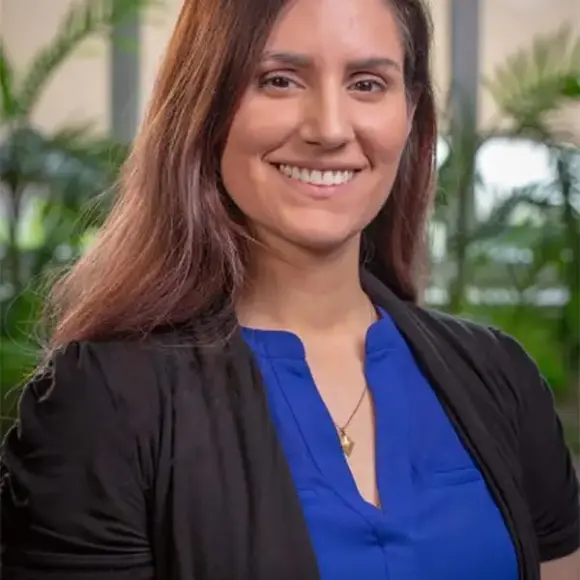
Mabel Avilas, MD
Clinical Director
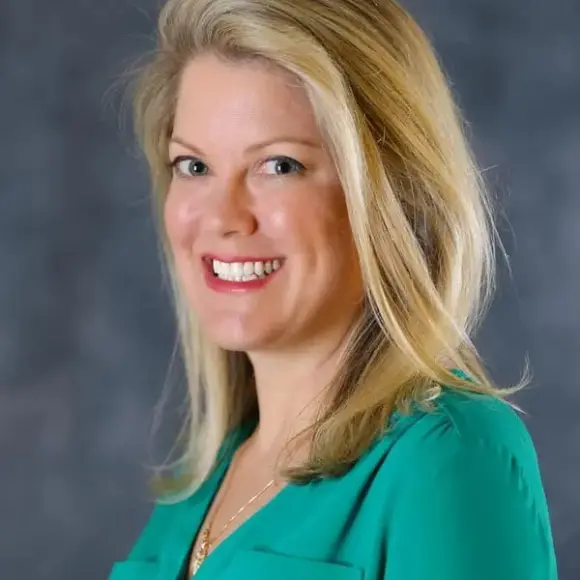
Lynda Pettigrew, PMHNP-BC, APN, RN
Psychiatric Nurse Practitioner

Ashley Kuhl Piwowarski, PsyD
Executive Director of Outpatient Services

Sanjay Dharmapuri, PhD
Group Chief Medical Officer, Clinical Director
Accreditations

The Joint Commission, formerly known as JCAHO, is a nonprofit organization that accredits rehab organizations and programs. Founded in 1951, the Joint Commision's mission is to improve the quality of patient care and demonstrating the quality of patient care.
Joint Commission Accreditation: Yes
Contact Information

5730 West Roosevelt Road
Chicago, IL 60644
Get Help Now - 708-470-6914
Sponsored Helpline
Sponsored Helpline


