






























































































90 day program (if you do what you are supposed to). Free due to grants. The staff was friendly and genuinely interested in my recovery. They do a lot of work with the drug court and family court, and they do expect you to attend your classes and call the drop line, as an ...
About Heartland Center for Behavioral Change – Independence Outpatient Clinic
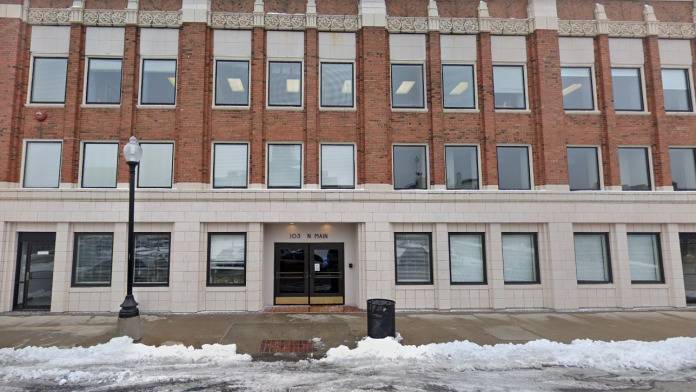
Heartland Center for Behavioral Change is an outpatient clinic that provides substance use disorder treatment in Independence, Missouri. Clients can receive services such as counseling, drug court services, and medication assisted treatment (MAT). They’ve been around for 40+ years.
Assistance For DUI Offenses
Heartland Center for Behavioral Change provides substance awareness traffic offender programs to help individuals with substance related offenses. You’ll undergo an evaluation to determine which service is appropriate for your needs. Options include the offender education program, the clinical intervention program, and the serious and repeat offenders program.
The offender education program is designed for low risk first time offenders. You’ll learn about the consequences of driving under the influence and explore your own ideas and behaviors for change. Clients must satisfy requirements of the substance awareness traffic offender program before obtaining or regaining their driver’s license.
Proven Therapies To Heal Your Addiction
The facility utilizes different proven therapies for healing addiction such as individual and group counseling, family therapy, and MAT. MAT can help you through withdrawal by curbing your cravings. The facility will also incorporate trauma counseling to resolve any trauma that may be contributing to your addiction.
Moral reconation therapy is also featured. This approach focuses on enhancing your decision making and moral reasoning so you’re more likely to avoid using substances. In addition to these services, Heartland Center for Behavioral Change provides peer support and community support services.
They’re located less than a half hour outside of Kansas City. Some sober activities you can enjoy outside of your treatment sessions include visiting the Kansas City Zoo & Aquarium or enjoying the rides at the Worlds of Fun theme park.
Latest Reviews
I have had a family member addicted to fentanyl for years. I have taken them to many places only to be sent away with a script of suboxone. This DID NOT WORK. it was only abused. Then I made the phone call that is saving my sons life and he wad on detox within 4 hours of that call. 5 days later he entered their 90 day program and is doing great. He is 7 days in that program today, my grandson and I were able to have a short visit with him and he looks a thousand times better.. he looks healthy and his mind is clear and there is hope. FINALLY. They didn't just write him a script and send him away like everyone else listed below Research
Rediscover(the absolute worst)
Truman hospital
Centerpoint
All the above failed where Heartland is succeeding. Make that call to them they know what they are doing.
This amazing caring staff IS the difference at heartland. This is an underrated community resource in independence and Jackson county. It's not the abundance of resources, or judgements free environment of learning the art of new patterns and behaviors as tools to combat a variety of epidemics that affect every family. It is the HUMAN compassion, patience, counseling and tools for accountability. This place is a lifeline for those who have and have not other options or resources. Walk in and ask for help. It's that easy. First step.
I have worked with this organization and have several contacts enroll and receive services here. They are one of the best around if you are struggling with alcohol or substance use disorder. Very compassionate and genuinely want to help those that are wanting and needing to make positive changes in their lives. BECKY PELLEHAM IS ABSOLUTELY THE BEST. MAKE SURE YOU ASK TO MEET HER WHEN YOU ARE ON SITE. SHE IS EXTREMELY RESOURCEFUL, AND IF SHE SEES THAT YOU ARE TAKING YOUR RECOVERY SERIOUS AND TRYING TO BETTER YOUR LIFE THEN THE SKYS THE LIMIT AS FAR AS WHAT SHE CAN DO FOR YOU. I wouldn't mislead or try to benefit from someone seeking recovery as so many people and places do. This is the best place around especially if you dont have private health insurance.

Rehab Score
 Our Methodology
Scoring is assigned by a proprietary system which helps surface key metrics that determine quality. The 10-point scale factors in categories such as operations, customer satisfaction, and trust metrics. Read Full Methodology

7.2 / 10
Gallery
Other Forms of Payment
Self-pay involves paying for treatment out of your own pocket. You can use savings or credit, get a personal loan, or receive help from family and friends to fund your treatment. If you don't have insurance or your insurance plan doesn't cover a specific program, self-pay can help ensure you still get the care you need.
Medicaid is a state based program that helps lower-income individuals and families pay for healthcare. Medicaid covers addiction treatment so those enrolled can use their coverage to pay for rehab. When a program accepts Medicaid the client often pays very little or nothing out of their own pocket.
Sliding scale payments are based on a client's income and family size. The goal is to make treatment affordable to everyone. By taking these factors into account, addiction recovery care providers help ensure that your treatment does not become a financial burden to you or your family, eliminating one barrier to care.
 Free
FreeAddiction Treatments
Levels of Care
Intensive Outpatient Programs (IOP) are for those who want or need a very structured treatment program but who also wish to live at home and continue with certain responsibilities (such as work or school). IOP substance abuse treatment programs vary in duration and intensity, and certain outpatient rehab centers will offer individualized treatment programs.
Outpatient Programs (OP) are for those seeking mental rehab or drug rehab, but who also stay at home every night. The main difference between outpatient treatment (OP) and intensive outpatient treatment (IOP) lies in the amount of hours the patient spends at the facility. Most of the time an outpatient program is designed for someone who has completed an inpatient stay and is looking to continue their growth in recovery. Outpatient is not meant to be the starting point, it is commonly referred to as aftercare.
12-step programs are addiction recovery models based on Alcoholics Anonymous (AA). A number of substance abuse programs (including some drug and alcohol rehab centers) use the 12 steps as a basis for treatment. Beginning steps involve admitting powerlessness over the addiction and creating a spiritual basis for recovery. Middle steps including making direct amends to those who've been hurt by the addiction, and the final step is to assist others in addiction recovery in the same way. 12-Step offshoots including Narcotics Anonymous (NA), Cocaine Anonymous (CA), Dual Recovery Anonymous (DRA), Sex and Love Addicts Anonymous (SLAA) and Gamblers Anonymous (GA).
Treatments
The goal of treatment for alcoholism is abstinence. Those with poor social support, poor motivation, or psychiatric disorders tend to relapse within a few years of treatment. For these people, success is measured by longer periods of abstinence, reduced use of alcohol, better health, and improved social functioning. Recovery and Maintenance are usually based on 12 step programs and AA meetings.
Drug rehab in Missouri usually involves several phases: detox, rehab, and aftercare. The rehab phase may include a combination of inpatient and outpatient treatments, as the individual moves through a continuum of care on their recovery journey.
Opioid rehabs specialize in supporting those recovering from opioid addiction. They treat those suffering from addiction to illegal opioids like heroin, as well as prescription drugs like oxycodone. These centers typically combine both physical as well as mental and emotional support to help stop addiction. Physical support often includes medical detox and subsequent medical support (including medication), and mental support includes in-depth therapy to address the underlying causes of addiction.
Substance rehabs focus on helping individuals recover from substance abuse, including alcohol and drug addiction (both illegal and prescription drugs). They often include the opportunity to engage in both individual as well as group therapy.
Programs
Adult rehab programs include therapies tailored to each client's specific needs, goals, and recovery progress. They are tailored to the specific challenges adult clients may face, including family and work pressures and commitments. From inpatient and residential treatment to various levels of outpatient services, there are many options available. Some facilities also help adults work through co-occurring conditions, like anxiety, that can accompany addiction.
Young adulthood can be an exciting, yet difficult, time of transition. Individuals in their late teens to mid-20s face unique stressors related to school, jobs, families, and social circles, which can lead to a rise in substance use. Rehab centers with dedicated young adult programs will include activities and amenities that cater to this age group, with an emphasis on specialized counseling, peer socialization, and ongoing aftercare.
Clinical Services
Research clearly demonstrates that recovery is far more successful and sustainable when loved ones like family members participate in rehab and substance abuse treatment. Genetic factors may be at play when it comes to drug and alcohol addiction, as well as mental health issues. Family dynamics often play a critical role in addiction triggers, and if properly educated, family members can be a strong source of support when it comes to rehabilitation.
Group therapy is any therapeutic work that happens in a group (not one-on-one). There are a number of different group therapy modalities, including support groups, experiential therapy, psycho-education, and more. Group therapy involves treatment as well as processing interaction between group members.
In individual therapy, a patient meets one-on-one with a trained psychologist or counselor. Therapy is a pivotal part of effective substance abuse treatment, as it often covers root causes of addiction, including challenges faced by the patient in their social, family, and work/school life.
 Moral Reconation Therapy
Staff & Accreditations
Staff
Kyle Mead
President & CEO
Casey Spartz
VP Behavioral Health Services
Shawna Drake
VP Behavioral Health Services
Anita Morris
Director of Finance
Accreditations

The Commission on Accreditation of Rehabilitation Facilities (CARF) is a non-profit organization that specifically accredits rehab organizations. Founded in 1966, CARF's, mission is to help service providers like rehab facilities maintain high standards of care.
CARF Accreditation: Yes
Rehab.com regularly reviews this listing for accuracy but changes may occur between updates. For the most up-to-date information, please contact Heartland Center for Behavioral Change – Independence Outpatient Clinic.
Contact Information

103 N. Main
Independence, MO 64050
Get Help Now - 816-892-9904
Sponsored Helpline
Sponsored Helpline



