






























































































My son was a patient there four times. He was put out without me being notified and had no shoes or any of his belongings. It was dead of winter and pouring rain. This facility is a joke. I will never trust this place again
About Highland Hospital
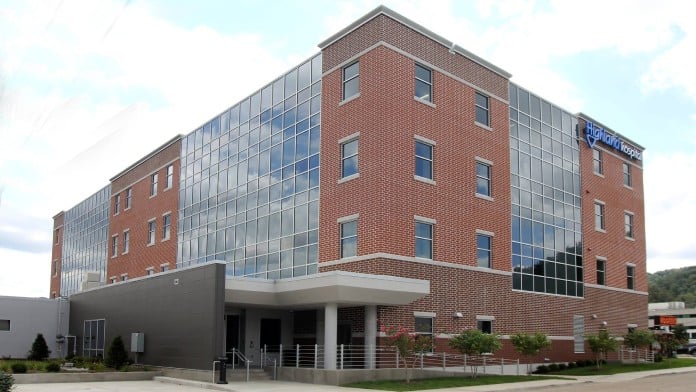
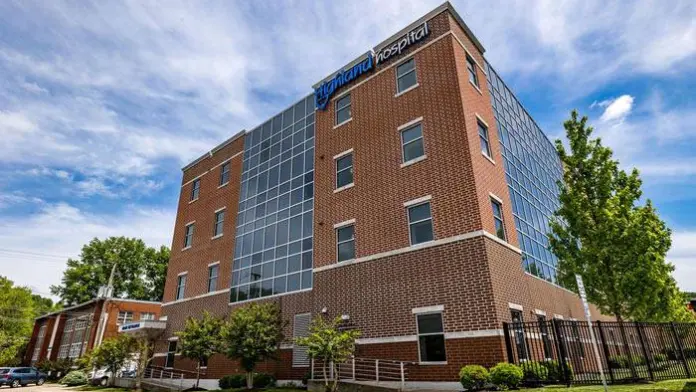
Highland Hospital is an acute inpatient psychiatric hospital and addiction treatment provider in Charleston, West Virginia offering behavioral health care for all ages plus adult alcohol and drug detox through the on-campus Highland Recovery Center.
Having served the Charleston area for more than 70 years Highland Hospital is valued for its sense of safety and outdoor groups as well as supportive treatment.
What kinds of treatment does Highland Hospital offer?
The hospital provides medically monitored detox, psychiatric crisis stabilization, and integrated dual-diagnosis care using a trauma-informed and evidence-based approach.
Highland Recovery Center provides adult residential detox with medication-assisted treatment (MAT), 24 hour nursing, and structured daily programming.
The hospital also offers acute inpatient psychiatric care plus counseling and peer support, NA/AA participation, and aftercare planning.
Who can get help here?
Psychiatric inpatient services are available for children and adolescents ages eight to 17, adults, and senior adults. The adult detox program treats alcohol and drug addiction including co-occurring mental-health and substance-use disorders under board-certified psychiatrists.
What sets the program apart?
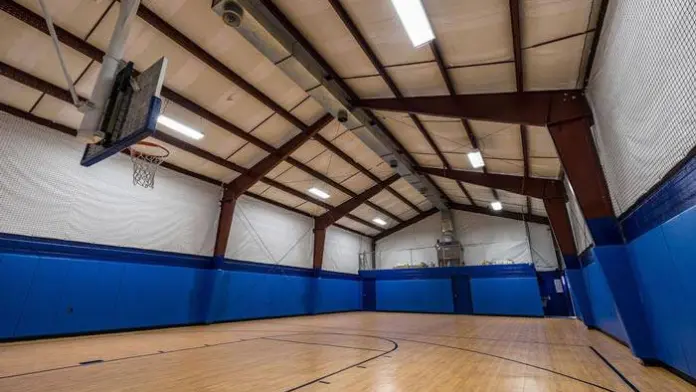
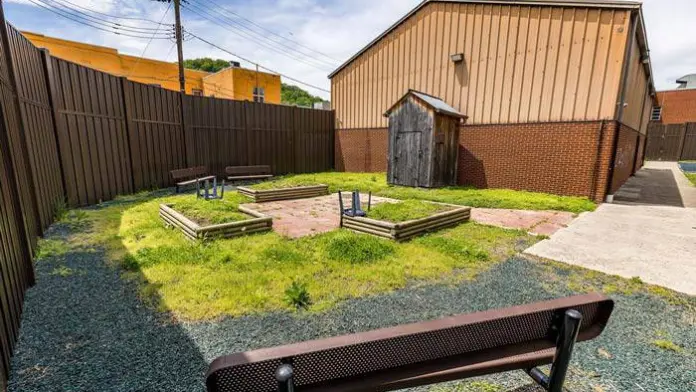
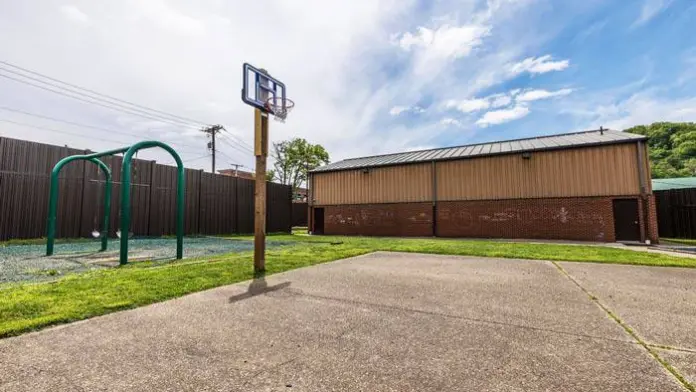
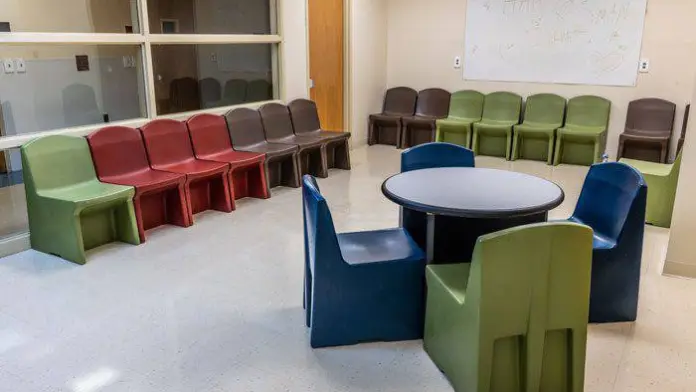
Highland pairs clinical care with restorative experiential supports like pet therapy and therapeutic horticulture, music therapy, and recreational therapy. Onsite features include day rooms and a courtyard, garden, basketball courts, and a gym.
Do they take insurance?
Highland Hospital accepts private insurance, Medicare, Medicaid, and most commercial plans. Payment plans and possible financial assistance may be available.
Latest Reviews
I recently had a stay here, the rooms were clean, food wasn’t bad, staff was never mean and more than patient with me. Grateful for the help and safety that I received from this facility during my stay on 3 west. I don’t want to publicly name names but I do appreciate the nurse with red hair from 3 west specifically, her kindness went the furthest way with me and really did shine a light into my darkness. All of the staff on 3 west genuinely deserve so much more than a thank you from me, they helped me more than I think they know🫶
Absolutely loved my time at Highland Hospital!
It was beautiful to draw out a hairsvill adoption leave as Megan Lee stansberry I love you all even without keys to a car or food or drinks or brain coma I love the Charleston all around the world aids thanks but I have a kids to be here I'm at 75hanes and 130 market manor house adoption lawyer courts arms urgent cop transports 133 exit 77 under the highway Denver Boulder blizzard Colorado dumpster is where my ♥️🍒 duffel bag is Nike duhhams mall tag computer notebook type a black kols jackets long and a 🤎 brown roller pull up gater luggage with books n yellow envelopes with a bunch of books from the airport n the red Nike duhhams mall bag red 🖤 and 🤍 and ♥️

Rehab Score
 Our Methodology
Scoring is assigned by a proprietary system which helps surface key metrics that determine quality. The 10-point scale factors in categories such as operations, customer satisfaction, and trust metrics. Read Full Methodology

6.9 / 10
Gallery
Accepted Insurance
Other Forms of Payment
Medicaid is a state based program that helps lower-income individuals and families pay for healthcare. Medicaid covers addiction treatment so those enrolled can use their coverage to pay for rehab. When a program accepts Medicaid the client often pays very little or nothing out of their own pocket.
Private insurance refers to any kind of healthcare coverage that isn't from the state or federal government. This includes individual and family plans offered by an employer or purchased from the Insurance Marketplace. Every plan will have different requirements and out of pocket costs so be sure to get the full details before you start treatment.
Self-pay involves paying for treatment out of your own pocket. You can use savings or credit, get a personal loan, or receive help from family and friends to fund your treatment. If you don't have insurance or your insurance plan doesn't cover a specific program, self-pay can help ensure you still get the care you need.
Financial aid can take many forms. Centers may have grants or scholarships available to clients who meet eligibility requirements. Programs that receive SAMHSA grants may have financial aid available for those who need treatment as well. Grants and scholarships can help you pai for treatment without having to repay.
Medicare is a federal program that provides health insurance for those 65 and older. It also serves people under 65 with chronic and disabling health challenges. To use Medicare for addiction treatment you need to find a program that accepts Medicare and is in network with your plan. Out of pocket costs and preauthorization requirements vary, so always check with your provider.
Military members, veterans, and eligible dependents have access to specific insurance programs that help them get the care they need. TRICARE and VA insurance can help you access low cost or no cost addiction and mental health treatment. Programs that accept military insurance often have targeted treatment focused on the unique challenges military members, veterans, and their families face.
Private insurance refers to any kind of healthcare coverage that isn't from the state or federal government. This includes individual and family plans offered by an employer or purchased from the Insurance Marketplace. Every plan will have different requirements and out of pocket costs so be sure to get the full details before you start treatment.
Addiction Treatments
Levels of Care
Residential treatment programs are those that offer housing and meals in addition to substance abuse treatment. Rehab facilities that offer residential treatment allow patients to focus solely on recovery, in an environment totally separate from their lives. Some rehab centers specialize in short-term residential treatment (a few days to a week or two), while others solely provide treatment on a long-term basis (several weeks to months). Some offer both, and tailor treatment to the patient's individual requirements.
The primary rule in a sober living home in West Virginia is that residents stay sober. In addition to this rule, residents are encouraged to find work or attend school and must contribute to household chores and abide by a curfew. These rules encourage responsible behavior and help residents maintain a structured, sober lifestyle. The halfway house setting helps people in recovery avoid isolation, practice responsibility, and develop supportive relationships.
If you have become physically dependent on drugs or alcohol, quitting abruptly can cause withdrawal symptoms like anxiety, headaches, flu-like symptoms, and more. In severe cases, these withdrawal symptoms can even be dangerous. In medically assisted detox, a team of licensed professionals will monitor your vitals, provide medication if needed, and help keep you as safe and comfortable as possible during this process.
When you enter 24-hour clinical care in West Virginia, you gain access to a comprehensive team of professionals who are on-call to help you in your recovery. Nurses and doctors can help you through detox by managing withdrawal using medication and other clinical treatment. For psychological withdrawal and other mental health concerns, counselors are available. This on-site care is designed to meet all physical, mental, and emotional needs.
Treatments
Many of those suffering from addiction also suffer from mental or emotional illnesses like schizophrenia, bipolar disorder, depression, or anxiety disorders. Rehab and other substance abuse facilities treating those with a dual diagnosis or co-occurring disorder administer psychiatric treatment to address the person's mental health issue in addition to drug and alcohol rehabilitation.
Mental health rehabs focus on helping individuals recover from mental illnesses like bipolar disorder, clinical depression, anxiety disorders, schizophrenia, and more. Mental health professionals at these facilities are trained to understand and treat mental health issues, both in individual and group settings.
When a person struggles with alcoholism, they have become dependent on alcohol and require treatment to overcome the addiction. Alcohol rehab in West Virginia teaches you new coping skills and helps you process emotional issues related to drinking. Medications may also be provided to help control the alcohol addiction and maintain sobriety.
Drug addiction causes psychological and physical damage through repeated and uncontrollable use of substances. Drug rehab in West Virginia focuses on providing a full continuum of care, from detox to aftercare, and treatment can take place in outpatient or inpatient settings, based on your needs.
 Opioid Addiction
Programs
Adult rehab programs include therapies tailored to each client's specific needs, goals, and recovery progress. They are tailored to the specific challenges adult clients may face, including family and work pressures and commitments. From inpatient and residential treatment to various levels of outpatient services, there are many options available. Some facilities also help adults work through co-occurring conditions, like anxiety, that can accompany addiction.
Young adulthood can be an exciting, yet difficult, time of transition. Individuals in their late teens to mid-20s face unique stressors related to school, jobs, families, and social circles, which can lead to a rise in substance use. Rehab centers with dedicated young adult programs will include activities and amenities that cater to this age group, with an emphasis on specialized counseling, peer socialization, and ongoing aftercare.
Recovery is most successful when clients feel accepted and validated by their peers and treatment providers. Facilities that offer LGBTQ-inclusive programming are committed to creating a safe space where everyone can grow and recover without fear of judgment or discrimination. They will have dedicated policies in place to create a safe and supportive environment that fosters free expression.
Teen programs are designed to address the unique pressures teens face, pressures that can drive them to experiment with dangerous, addictive substances. They need programs that meet them exactly where they are and give them tools for long-term recovery. Therapy can help teenagers understand and work through underlying issues so they can reclaim the life ahead of them.
The providers who specialize in the children's rehab space understand the specialized needs that this population faces. School-based and social services such as tutoring and family counseling are often central to treatment. Child programs may also address the needs of youth experiencing substance abuse in the home, including a parent's or sibling's addiction.
Clinical Services
Cognitive Behavioral Therapy (CBT) is a therapy modality that focuses on the relationship between one's thoughts, feelings, and behaviors. It is used to establish and allow for healthy responses to thoughts and feelings (instead of unhealthy responses, like using drugs or alcohol). CBT has been proven effective for recovering addicts of all kinds, and is used to strengthen a patient's own self-awareness and ability to self-regulate. CBT allows individuals to monitor their own emotional state, become more adept at communicating with others, and manage stress without needing to engage in substance abuse.
Whether a marriage or other committed relationship, an intimate partnership is one of the most important aspects of a person's life. Drug and alcohol addiction affects both members of a couple in deep and meaningful ways, as does rehab and recovery. Couples therapy and other couples-focused treatment programs are significant parts of exploring triggers of addiction, as well as learning how to build healthy patterns to support ongoing sobriety.
Experiential therapy is a form of therapy in which clients are encouraged to surface and work through subconscious issues by engaging in real-time experiences. Experiential therapy departs from traditional talk therapy by involving the body, and having clients engage in activities, movements, and physical and emotional expression. This can involve role-play or using props (which can include other people). Experiential therapy can help people process trauma, memories, and emotion quickly, deeply, and in a lasting fashion, leading to substantial and impactful healing.
Research clearly demonstrates that recovery is far more successful and sustainable when loved ones like family members participate in rehab and substance abuse treatment. Genetic factors may be at play when it comes to drug and alcohol addiction, as well as mental health issues. Family dynamics often play a critical role in addiction triggers, and if properly educated, family members can be a strong source of support when it comes to rehabilitation.
Group therapy is any therapeutic work that happens in a group (not one-on-one). There are a number of different group therapy modalities, including support groups, experiential therapy, psycho-education, and more. Group therapy involves treatment as well as processing interaction between group members.
In individual therapy, a patient meets one-on-one with a trained psychologist or counselor. Therapy is a pivotal part of effective substance abuse treatment, as it often covers root causes of addiction, including challenges faced by the patient in their social, family, and work/school life.
Nicotine Replacement Therapy (NRT) is a way of getting nicotine into the bloodstream without smoking. It uses products that supply low doses of nicotine to help people stop smoking. The goal of therapy is to cut down on cravings for nicotine and ease the symptoms of nicotine withdrawal.
Trauma therapy addresses traumatic incidents from a client's past that are likely affecting their present-day experience. Trauma is often one of the primary triggers and potential causes of addiction, and can stem from child sexual abuse, domestic violence, having a parent with a mental illness, losing one or both parents at a young age, teenage or adult sexual assault, or any number of other factors. The purpose of trauma therapy is to allow a patient to process trauma and move through and past it, with the help of trained and compassionate mental health professionals.
The core philosophies of dialectical behavior therapy in West Virginia are that everything is interconnected, change is inevitable, and you can integrate opposites to reach the truth. Treatment focuses on acceptance and change. You'll learn how emotions and behaviors are connected, accept your feelings, and learn how to change patterns of emotion and behavior.
Addiction can dismantle your life skills, making it difficult to manage daily tasks and challenges. Life skills training reteaches these skills and gives you the capabilities to navigate day to day life. Your training during rehab may include topics such as self care, communication, finances, and decision making.
Amenities
-
 Gym
Gym
Staff & Accreditations
Staff
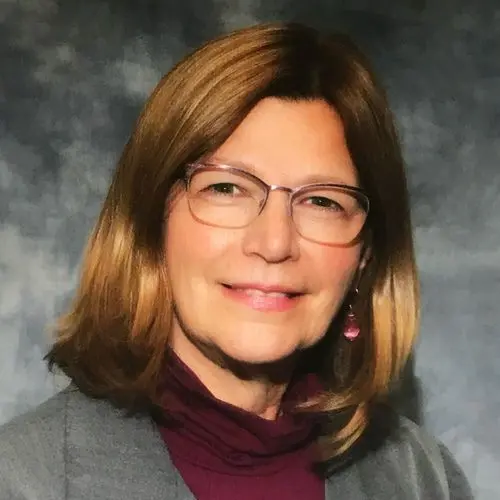
Nadine Dexter
CEO
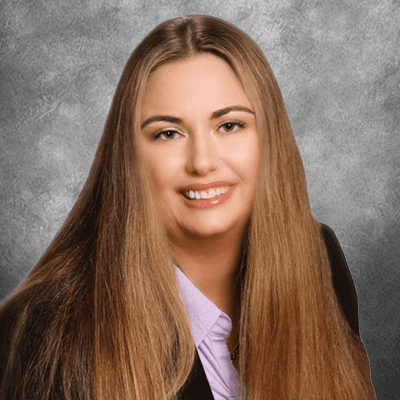
Veronica Marin
CFO
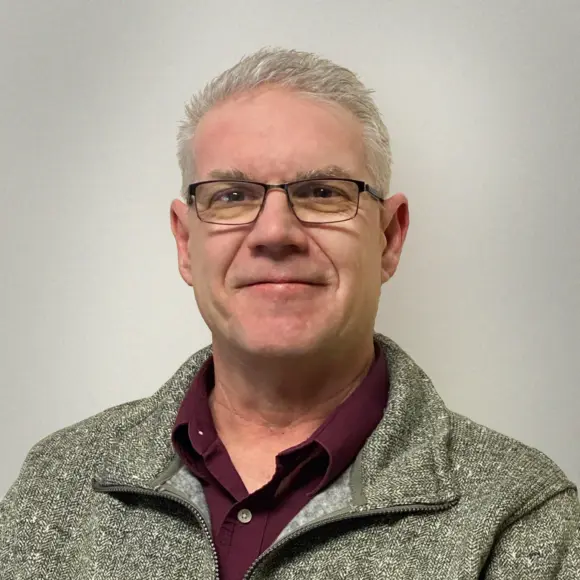
Edward Cox
CNO
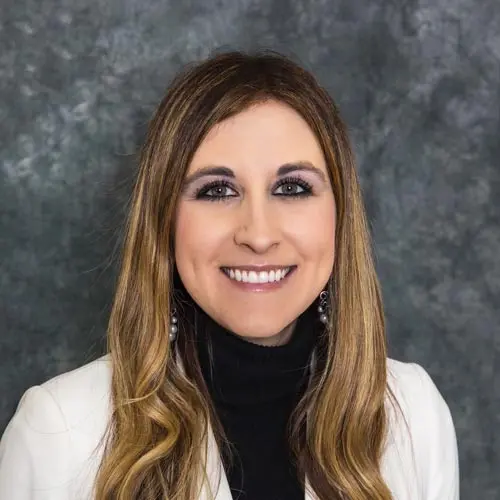
Katie Hackney
Director of Clinical Services
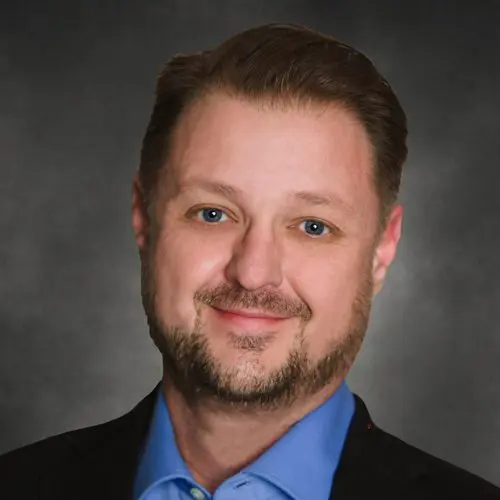
Chad Clagg
Admissions Director
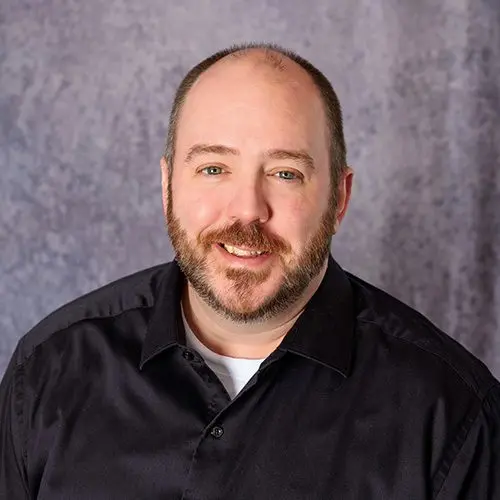
Gerald Bragg
Director of Quality & Risk
Accreditations

The Joint Commission, formerly known as JCAHO, is a nonprofit organization that accredits rehab organizations and programs. Founded in 1951, the Joint Commision's mission is to improve the quality of patient care and demonstrating the quality of patient care.
Joint Commission Accreditation: Yes
Rehab.com regularly reviews this listing for accuracy but changes may occur between updates. For the most up-to-date information, please contact Highland Hospital.
Contact Information

300 56th street Se
Charleston WV, 25304
Get Help Now - 304-578-5627
Sponsored Helpline
Sponsored Helpline


