Professional staff and responsible administration. It is too bad that some patients are not ready to take responsibility for their recovery. This clinic provides treatment not just medicine. ==I was there 8 years ago and I am sober and successful
About Integrated Health Clinics
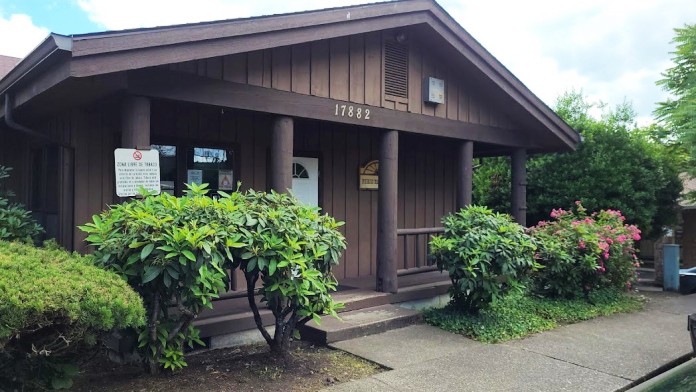
Integrated Health Clinics (IHC) offers drug and alcohol rehabilitation services in Portland, Oregon, less than a mile away from the Willamette River. IHC’s mission is to help people access affordable and comprehensive outpatient care at any stage in their rehabilitative journey. They accept a wide range of payment options including Medicare, Medicaid and cash. For private insurance, their direct partners are Pacificsource, Kaiser Managed Care, Trillium and Healthsare. They also give patients itemized statements in the event that they’re covered under a different insurance carrier.
Dignified, Respectful and Comprehensive Accountability
IHC is set up to deal with many different types of alcohol and substance use disorders, as well as many disorders that typically lead to or occur with substance dependency. They can start with behavioral screening and other assessments to see what the best course of action for a patient might be. Their treatment methods therapy, counselling, and medically assisted treatment to help people stick to the outpatient model.
IHC requires that participants abstain from addictive substances, and employs the necessary tests to hold them accountable. However, they prioritize respect for their patients at all times throught the process.
Prioritizing Safe and Sustainable Assistance
IHC’s approach is necessarily holistic, which means that their services extend far beyond an individual patient’s experience. The first way this plays out is that they engage in trauma informed care. This means that they account for and are sensitive to the fact that many people turn to substance use after traumatic experiences.
Secondly, they counsel and interact with a patient’s close loved ones during their rehabilitation. This can help heal families as well as create a home environment in which patients can build long lasting success stories. One patient said that having her family and friends brought into her recovery played a huge role in helping her focus on her daily steps to long term recovery.
Helping You In All Parts of Your Recovery
IHC also offers additional health and vocational assistance. They have CDC trained testing and counseling for common illnesses associated with substance use. They can also refer patients for vocational training.

Latest Reviews
Rehab Score
Gallery
Accepted Insurance
Other Forms of Payment
Medicaid is a state based program that helps lower-income individuals and families pay for healthcare. Medicaid covers addiction treatment so those enrolled can use their coverage to pay for rehab. When a program accepts Medicaid the client often pays very little or nothing out of their own pocket.
Private insurance refers to any kind of healthcare coverage that isn't from the state or federal government. This includes individual and family plans offered by an employer or purchased from the Insurance Marketplace. Every plan will have different requirements and out of pocket costs so be sure to get the full details before you start treatment.
Self-pay involves paying for treatment out of your own pocket. You can use savings or credit, get a personal loan, or receive help from family and friends to fund your treatment. If you don't have insurance or your insurance plan doesn't cover a specific program, self-pay can help ensure you still get the care you need.
Financial aid can take many forms. Centers may have grants or scholarships available to clients who meet eligibility requirements. Programs that receive SAMHSA grants may have financial aid available for those who need treatment as well. Grants and scholarships can help you pai for treatment without having to repay.
Medicare is a federal program that provides health insurance for those 65 and older. It also serves people under 65 with chronic and disabling health challenges. To use Medicare for addiction treatment you need to find a program that accepts Medicare and is in network with your plan. Out of pocket costs and preauthorization requirements vary, so always check with your provider.
Addiction Treatments
Levels of Care
Outpatient programs are for those seeking mental rehab or drug rehab, but who also stay at home every night. The main difference between outpatient treatment (OP) and intensive outpatient treatment (IOP) lies in the amount of hours the patient spends at the facility. Most of the time an outpatient program is designed for someone who has completed an inpatient stay and is looking to continue their growth in recovery. Outpatient is not meant to be the starting point, it is commonly referred to as aftercare. Outreach is especially important to people in the earliest stages of experiencing alcohol and drug problems. Their services are available to family members and significant people in the client’s life, and to the community at large.
Drug and alcohol addiction often takes a heavy toll on one's body. Over time, a physical dependence can develop, meaning the body physiologically needs the substance to function. Detox is the process of removing drugs and/or alcohol from the body, a process that can be lethal if mismanaged. Medical detox is done by licensed medical professionals who monitor vital signs and keep you safe, healthy, and as comfortable as possible as you go through detox and withdrawal.
Intensive Outpatient Programs (IOP) are for those who want or need a very structured treatment program but who also wish to live at home and continue with certain responsibilities (such as work or school). IOP substance abuse treatment programs vary in duration and intensity, and certain outpatient rehab centers will offer individualized treatment programs.
Completing a drug or alcohol rehab program shouldn't spell the end of substance abuse treatment. Aftercare involves making a sustainable plan for recovery, including ongoing support. This can include sober living arrangements like halfway houses, career counseling, and setting a patient up with community programs like Alcoholics Anonymous (AA) or Narcotics Anonymous (NA).
Intervention services helps family or friends of addicts stage an intervention, which is a meeting in which loved ones share their concerns and attempt to get an addict into treatment. Professional intervention specialists can help loved ones organize, gather, and communicate with an addict. They can guide intervention participants in describing the damage the addict's behavior is causing and that outside help is necessary to address the addiction. The ideal outcome of an intervention is for the addict to go to rehab and get the help they need.
Treatments
The goal of treatment for alcoholism is abstinence. Those with poor social support, poor motivation, or psychiatric disorders tend to relapse within a few years of treatment. For these people, success is measured by longer periods of abstinence, reduced use of alcohol, better health, and improved social functioning. Recovery and Maintenance are usually based on 12 step programs and AA meetings.
Drug rehab in Oregon offers a full continuum of care for those struggling with addiction. From detox, to inpatient, to outpatient, to aftercare, Oregon residents can find the support they need for recovery. This treatment empowers individuals to replace drug use with positive alternatives and develop a healthier lifestyle.
Opioid rehabs specialize in supporting those recovering from opioid addiction. They treat those suffering from addiction to illegal opioids like heroin, as well as prescription drugs like oxycodone. These centers typically combine both physical as well as mental and emotional support to help stop addiction. Physical support often includes medical detox and subsequent medical support (including medication), and mental support includes in-depth therapy to address the underlying causes of addiction.

Substance rehabs focus on helping individuals recover from substance abuse, including alcohol and drug addiction (both illegal and prescription drugs). They often include the opportunity to engage in both individual as well as group therapy.
Programs
Adult rehab programs include therapies tailored to each client's specific needs, goals, and recovery progress. They are tailored to the specific challenges adult clients may face, including family and work pressures and commitments. From inpatient and residential treatment to various levels of outpatient services, there are many options available. Some facilities also help adults work through co-occurring conditions, like anxiety, that can accompany addiction.
Recovery is most successful when clients feel accepted and validated by their peers and treatment providers. Facilities that offer LGBTQ-inclusive programming are committed to creating a safe space where everyone can grow and recover without fear of judgment or discrimination. They will have dedicated policies in place to create a safe and supportive environment that fosters free expression.

Young adulthood can be an exciting, yet difficult, time of transition. Individuals in their late teens to mid-20s face unique stressors related to school, jobs, families, and social circles, which can lead to a rise in substance use. Rehab centers with dedicated young adult programs will include activities and amenities that cater to this age group, with an emphasis on specialized counseling, peer socialization, and ongoing aftercare.
Clinical Services
Group therapy is any therapeutic work that happens in a group (not one-on-one). There are a number of different group therapy modalities, including support groups, experiential therapy, psycho-education, and more. Group therapy involves treatment as well as processing interaction between group members.
In individual therapy, a patient meets one-on-one with a trained psychologist or counselor. Therapy is a pivotal part of effective substance abuse treatment, as it often covers root causes of addiction, including challenges faced by the patient in their social, family, and work/school life.
Amenities
-
Residential Setting
Staff
Kasey
Counselor
Tim
Counselor
Contact Information
17882 Se Mcloughlin Boulevard
Portland OR, 97267