





























































































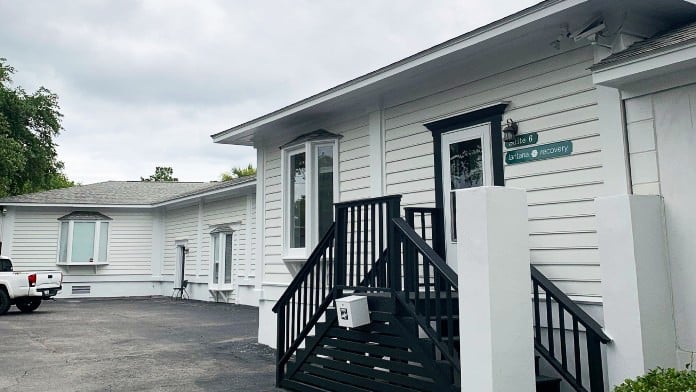
About Lantana Recovery Rehab
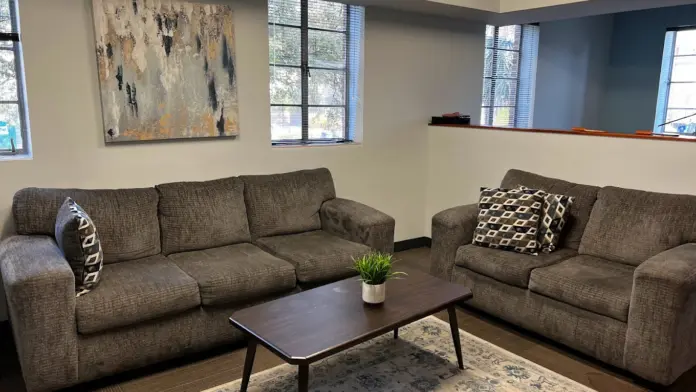
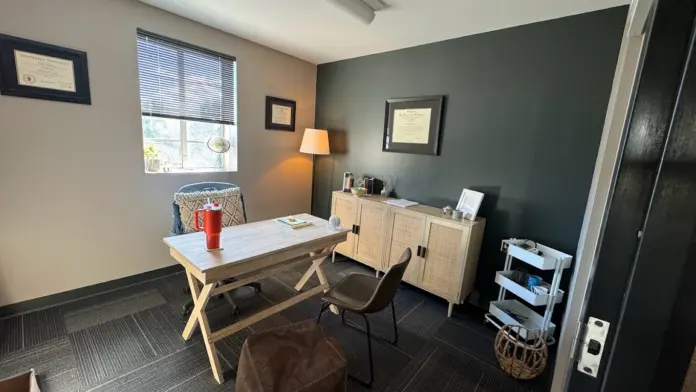
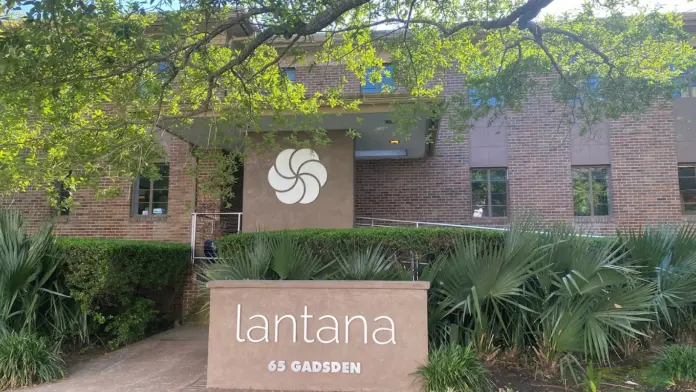
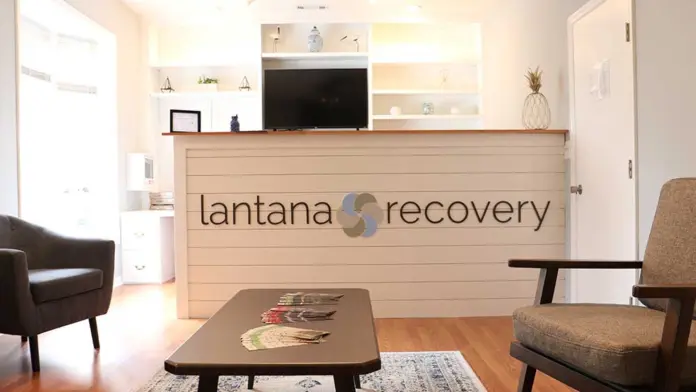
You may consider their outpatient programs for flexible and accessible treatment. That’s if you have a mild to moderate substance use disorder. More severe symptoms may require residential treatment. The facility boasts a calm, comfortable and welcoming environment for recovery. Their outpatient treatment integrates proven therapeutic techniques like cognitive behavioral therapy and dialectical behavior therapy with holistic and experiential approaches. These techniques are delivered via group therapy and individual sessions. The focus is on helping you address negative behavior that triggers substance use.
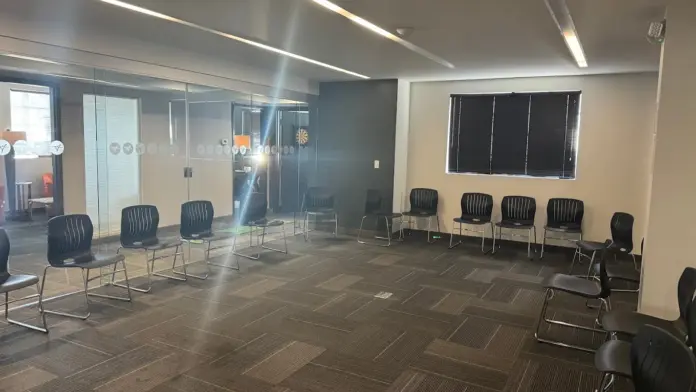
Through interaction with a supportive community in a group setting you’ll learn essential life skills like effective communication and mood management. You’ll also learn how to strengthen or build a healthy relationship. All of these steps help you develop strong coping and relapse prevention strategies that foster lasting sobriety. You’ll participate in yoga, meditation and mindfulness exercises to heal your mind and spirit. Family counseling and educational workshops are also provided to help your loved ones understand addiction and how to assist you in recovery.
You may receive medication assisted treatment (MAT) if relevant to your recovery journey. This may be the case if you’re struggling with addiction to opioids, alcohol or stimulants. The facility offers specialized programming for those with co-occurring disorders. The treatment integrates addiction therapy and psychiatric services including assessment/evaluation and medication management.
All these services are available in both their general and intensive outpatient care. The latter is relatively structured and involves more intense therapy. You can expect to participate in up to nine hours of group sessions weekly for about 28 to 40 days. The general outpatient program may require just 90 minutes of therapy weekly and lasts 10 weeks.
Aftercare services may involve referral to 12 Step groups like AA/NA for ongoing support. They may also connect you to community resources like employment opportunities, housing and educational assistance.
Facility Overview
 $6900
$6900 Latest Reviews



Rehab Score
 Our Methodology


Gallery
Accepted Insurance
Other Forms of Payment
Private insurance refers to any kind of healthcare coverage that isn't from the state or federal government. This includes individual and family plans offered by an employer or purchased from the Insurance Marketplace. Every plan will have different requirements and out of pocket costs so be sure to get the full details before you start treatment.
Self-pay involves paying for treatment out of your own pocket. You can use savings or credit, get a personal loan, or receive help from family and friends to fund your treatment. If you don't have insurance or your insurance plan doesn't cover a specific program, self-pay can help ensure you still get the care you need.
Military members, veterans, and eligible dependents have access to specific insurance programs that help them get the care they need. TRICARE and VA insurance can help you access low cost or no cost addiction and mental health treatment. Programs that accept military insurance often have targeted treatment focused on the unique challenges military members, veterans, and their families face.
Private insurance refers to any kind of healthcare coverage that isn't from the state or federal government. This includes individual and family plans offered by an employer or purchased from the Insurance Marketplace. Every plan will have different requirements and out of pocket costs so be sure to get the full details before you start treatment.
Addiction Treatments
Levels of Care
Outpatient Programs (OP) are for those seeking mental rehab or drug rehab, but who also stay at home every night. The main difference between outpatient treatment (OP) and intensive outpatient treatment (IOP) lies in the amount of hours the patient spends at the facility. Most of the time an outpatient program is designed for someone who has completed an inpatient stay and is looking to continue their growth in recovery. Outpatient is not meant to be the starting point, it is commonly referred to as aftercare.
Clients who have just completed detox, those who are in crisis, and those with a history of relapse often require treatment in an inpatient rehab. These facilities provide high-level supervision, structure, and support, allowing clients to focus on their recovery away from their addiction triggers. Most inpatient treatment programs center upon various forms of psychotherapy, including CBT, DBT, RBT, and motivational interviewing. Clients may also receive recovery-focused life skills training and evidence-based holistic therapies, such as massage.
Intensive Outpatient programs are for those who want or need a very structured treatment program but who also wish to live at home and continue with certain responsibilities (such as work or school). IOP substance abuse treatment programs vary in duration and intensity, and certain outpatient rehab centers will offer individualized treatment programs. The Intensive Outpatient Program gives patients the chance to participate in a structured treatment plan part-time while they transition back to home and work or other responsibilities. This program provides half-day treatment (Monday, Wednesday and Friday, 9:15 am to 12:30 pm).
Clients engaged in a rehab aftercare program are in a more advanced stage of recovery. Many have already completed inpatient detox and/or rehab and have returned to their home, workplace, and community. Rehab aftercare services are designed to support clients' recovery over the long term and typically include a broad portfolio of resources, such as peer coaching and 12 step program induction. Clients may collaborate with their case manager and care team to create their care plan.
A partial hospitalization program (PHP) is a short-term form of intensive rehab, usually for those with acute symptoms that are hard to manage but don’t require 24-hour care. PHPs have structured programming (i.e. individual and/or group therapy), and usually meet 3-5 days a week for around 6 hours (i.e. 9am-3m). Some PHPs are residential (patients sleep on site) and some are not, so patients sleep at home. PHPs can last from 1-6 months, and some offer transportation and meals.
24-hour clinical care in South Carolina is designed to protect those in recovery from health risks of withdrawal. For example, opioid withdrawal can cause vomiting and diarrhea that results in a life-threatening level of dehydration. Withdrawal from benzodiazepines can cause seizures which can be fatal. To avoid these risks, supervised medical detox is recommended. Under this care, medical professionals constantly monitor patients to ensure a safe detox process.
Withdrawing from addictive substances, like alcohol, benzodiazepines (like Xanax), or opioids, occurs during the detox process. Since this process can have uncomfortable and even dangerous side effects, the mission of a medically assisted detox is to provide an expert medical team to help monitor your health around the clock. They will work to keep you as safe and comfortable as possible, administering necessary medications to alleviate any withdrawal symptoms.
Treatments
Alcoholism is characterized by a lack of control over drinking habits, use of alcohol despite negative consequences, and preoccupation with alcohol. Often, alcohol use disorder occurs simultaneously with other mental health disorders. If you have a co-occurring disorder, it is important to get treatment for both. Alcohol rehab in South Carolina can provide this dual diagnosis treatment through inpatient or outpatient care.
 Opioid Addiction
Specialized dual-diagnosis treatment programs in South Carolina can help individuals looking for substance abuse treatment. Dual-diagnosis simply means treating individuals struggling with addiction and any other mental health problems, like anxiety. These conditions often co-occur and treating them at the same time can dramatically improve your odds of success. You can typically expect these addiction treatment programs to utilize evidence-based therapies such as cognitive-behavioral therapy (CBT), with skill-based education to enhance your coping skills and improve your overall well-being.
Programs
Adult rehab programs include therapies tailored to each client's specific needs, goals, and recovery progress. They are tailored to the specific challenges adult clients may face, including family and work pressures and commitments. From inpatient and residential treatment to various levels of outpatient services, there are many options available. Some facilities also help adults work through co-occurring conditions, like anxiety, that can accompany addiction.
Young adulthood can be an exciting, yet difficult, time of transition. Individuals in their late teens to mid-20s face unique stressors related to school, jobs, families, and social circles, which can lead to a rise in substance use. Rehab centers with dedicated young adult programs will include activities and amenities that cater to this age group, with an emphasis on specialized counseling, peer socialization, and ongoing aftercare.
Serving in the military is both mentally and physically challenging, and can result in trauma that persists even after combat ends. Military programs are tailored to the specific and often complex needs of active duty personnel, veterans, and military families. Clients often access these programs through the U.S. Department of Veterans Affairs (VA).
Men face specific challenges and concerns when seeking addiction treatment. Gender-specific recovery programs help them tackle these issues head-on in an environment that's focused, targeted, and distraction-free. It also gives them the opportunity to connect with and learn from other men who have been through a similar journey and can offer support for the next step.
Rehabs for women provide a safe, nurturing space for female clients to heal. These treatment programs consider the specific obstacles that women can face during recovery and place a special emphasis on mental, social, physical, and reproductive health. They explore how each woman's experience has shaped the trajectory of their substance use, addressing issues such as sexual abuse and past trauma.
Clinical Services
Group therapy participants in South Carolina learn practical conflict resolution skills they can practice within the group. These skills are essential for improving your relationships and reducing stress outside rehabilitation. Both of these factors are crucial to help maintain your recovery.
Men and women in South Carolina undergoing individual therapy work closely with their therapist to address the personal challenges and lifestyle changes that can help address addiction triggers. You have a unique situation and your therapist will spend time helping you develop healthy coping strategies so you can work toward achieving and maintaining sobriety.
The overall goal of trauma therapy is to address and reduce the lingering physical and emotional effects that trauma has had on your life. You work within a safe space with an experienced therapist to understand your responses and develop healthier coping mechanisms.
During couples therapy in South Carolina, a licensed therapist offers techniques for how both partners can resolve conflict and manage challenges in the relationship. The couple may also engage in individual or family therapy for further support.
The goal of all family therapy sessions is to support their loved one's recovery effectively by learning new and healthy communication skills as well as ways of managing stress and resolving conflicts. This helps improve interactions and addresses underlying issues within the family that often influence recovery.
The main basis of cognitive behavioral therapy in South Carolina is that all your thoughts, feelings, and behaviors are interconnected. Therefore, the therapist will help you change your thoughts, which will lead to different emotions and actions.
If you struggle with managing your emotions, dialectical behavior therapy in South Carolina might be a good method of treatment for you. This form of talk therapy helps you learn to accept yourself while working on changing unhealthy patterns of thoughts and reactions.
Life skills allow you to manage the highs and lows of daily life. They include interpersonal skills, emotional skills, and cognitive skills. Life skills training in South Carolina helps you relearn or strengthen these skills so you can move forward successfully in recovery.
Amenities
-
 Private Transportation
Staff & Accreditations
Staff
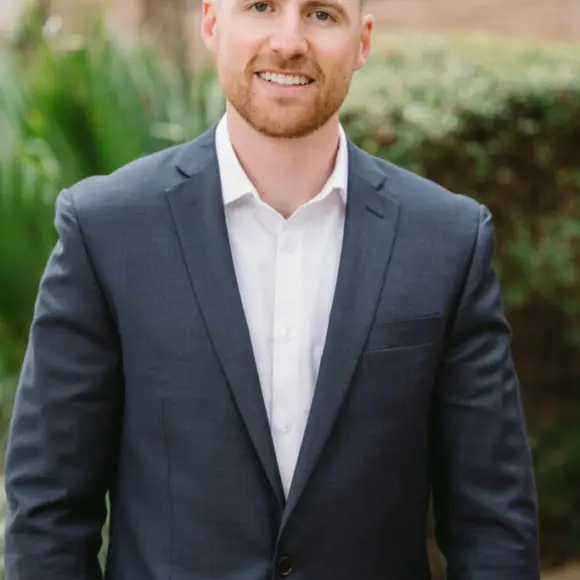
Eric Carver
Co-Founder & CEO

Lindsay Richerson, DNP, PMHNP-BC, CARN-AP
Executive Director
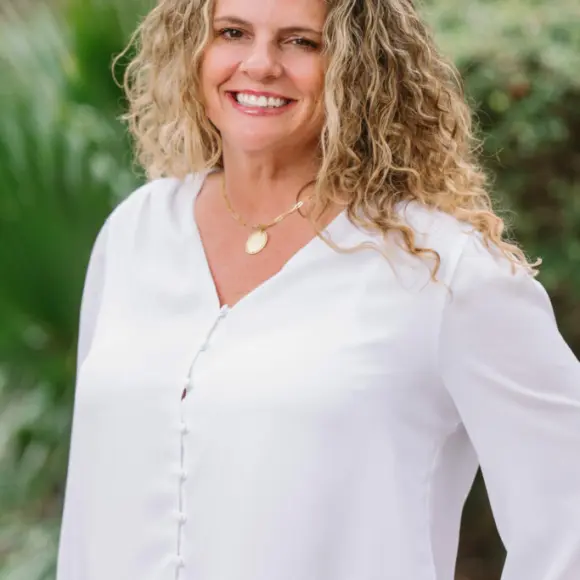
Kimberly Sheahan
Executive VP of Growth

Chantal Stith, PMHNP
Behavioral Health Specialist

Missa Borah
Clinical Director
Accreditations

The Joint Commission, formerly known as JCAHO, is a nonprofit organization that accredits rehab organizations and programs. Founded in 1951, the Joint Commision's mission is to improve the quality of patient care and demonstrating the quality of patient care.
Joint Commission Accreditation: Yes

LegitScript has reviewed Lantana Recovery Rehab as part of their certification program, and has determined that it meets the LegitScript standards for legality, safety and transparency.
LegitScript verified in

State Licenses are permits issued by government agencies that allow rehab organizations to conduct business legally within a certain geographical area. Typically, the kind of program a rehab facility offers, along with its physical location, determines which licenses are required to operate legally.
State License: South Carolina
Rehab.com regularly reviews this listing for accuracy but changes may occur between updates. For the most up-to-date information, please contact Lantana Recovery Rehab.
Contact Information


65 Gadsden St
Charleston, SC 29401
Sponsored Helpline


