





























































































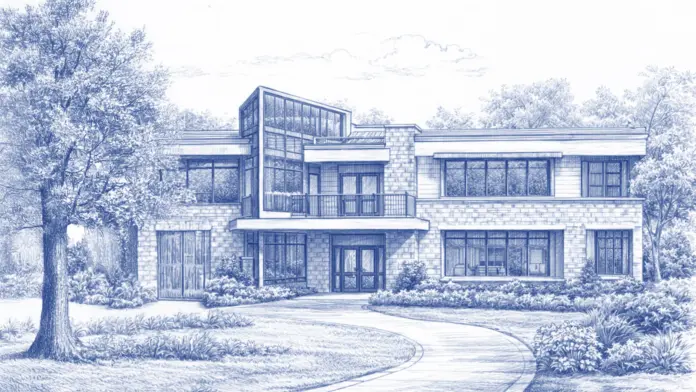


My wife and I visited this center for about one year and was the most horrible experience lived. They are completely disorganized and unprofessional, it is almost impossible to book appointments and get med refills, they don't have an actual receptionist, you just sit and wa ...
About Awakenings KC
Awakenings KC is a psychiatric practice in Prairie Village, Kansas, and is an affiliate of Midwest Psychiatric, Pennsylvania. They help with a wide range of mental health conditions including drug and alcohol addiction. This can make them a perfect option if you have dual diagnosis, especially if your mental health condition could benefit from medication.
Choose from Outpatient and IOP Treatment
This clinic is an outpatient treatment center so they don’t have residential treatment. What they offer instead is an intensive outpatient program (IOP). An IOP is a more rigorous program where you come to the office several days a week for a few hours at a time for treatment. This allows you to receive intensive treatment while still living at home. The IOP sessions are mostly group therapy.
Discover Which Medications Work for You
Awakenings KC takes a comprehensive and individualized approach to addiction recovery. They work toward healing your mind, body and soul in your personalized treatment plan. One service they have here that I found particularly interesting and unique is biochemical testing. Essentially this is testing to find out how different medications will interact with your body so you can find out which psychiatric medicines may be the best for you.
What Clients Are Saying About Awakenings
Clients have good feedback about this treatment center. They say that the doctors here listen with compassion and care and that the providers are excellent at what they do. Clients say that their treatment here makes a powerful difference in their recovery.
Latest Reviews
Dr. Miguel Stamati, MD, is the best! I am very grateful to have him by my side, helping me stay on track with my mental health. I'm looking forward to our next appointments!
Response from the owner3 weeks ago
Hello Dev, we are utterly delighted to hear about your positive experience. We look forward to continuing to provide the care you deserve!
The care and admin team is exceptional!
Response from the owner3 weeks ago
Hi Regan, thank you for recognizing our care and admin team! We're thrilled to know their dedication made a positive impact on your experience. We look forward to continuing to provide you with exceptional support!
Amazing experience! A friend recommended them to me, since I've had a difficult time finding a provider that accepts my insurance. Awakenings got me in the same week, they were kind and the office was clean and welcoming. I am so thankful to have found them and recommend to anyone!
Response from the owner3 weeks ago
Hi Jo! We are honored to have you as part of our care community! It's wonderful that your friend connected you with us, and we're so glad we could accommodate your insurance and schedule you quickly. Thank you for trusting us and for sharing your experience! 
Rehab Score
 Our Methodology
Scoring is assigned by a proprietary system which helps surface key metrics that determine quality. The 10-point scale factors in categories such as operations, customer satisfaction, and trust metrics. Read Full Methodology

6.4 / 10
Location
Accepted Insurance
Other Forms of Payment
Private insurance refers to any kind of healthcare coverage that isn't from the state or federal government. This includes individual and family plans offered by an employer or purchased from the Insurance Marketplace. Every plan will have different requirements and out of pocket costs so be sure to get the full details before you start treatment.
Self-pay involves paying for treatment out of your own pocket. You can use savings or credit, get a personal loan, or receive help from family and friends to fund your treatment. If you don't have insurance or your insurance plan doesn't cover a specific program, self-pay can help ensure you still get the care you need.
Medicare is a federal program that provides health insurance for those 65 and older. It also serves people under 65 with chronic and disabling health challenges. To use Medicare for addiction treatment you need to find a program that accepts Medicare and is in network with your plan. Out of pocket costs and preauthorization requirements vary, so always check with your provider.
Addiction Treatments
Levels of Care
Outpatient Programs (OP) are for those seeking mental rehab or drug rehab, but who also stay at home every night. The main difference between outpatient treatment (OP) and intensive outpatient treatment (IOP) lies in the amount of hours the patient spends at the facility. Most of the time an outpatient program is designed for someone who has completed an inpatient stay and is looking to continue their growth in recovery. Outpatient is not meant to be the starting point, it is commonly referred to as aftercare.
Drug and alcohol addiction often takes a heavy toll on one's body. Over time, a physical dependence can develop, meaning the body physiologically needs the substance to function. Detox is the process of removing drugs and/or alcohol from the body, a process that can be lethal if mismanaged. Medical detox is done by licensed medical professionals who monitor vital signs and keep you safe, healthy, and as comfortable as possible as you go through detox and withdrawal.
Intensive Outpatient Programs (IOP) are for those who want or need a very structured treatment program but who also wish to live at home and continue with certain responsibilities (such as work or school). IOP substance abuse treatment programs vary in duration and intensity, and certain outpatient rehab centers will offer individualized treatment programs.
Treatments
The goal of treatment for alcoholism is abstinence. Those with poor social support, poor motivation, or psychiatric disorders tend to relapse within a few years of treatment. For these people, success is measured by longer periods of abstinence, reduced use of alcohol, better health, and improved social functioning. Recovery and Maintenance are usually based on 12 step programs and AA meetings.
The length, intensity, setting, and treatment methods vary for each drug rehab in Kansas. Plans of care can be tailored to meet each person's own unique situation and needs. With the right program, individuals can successfully achieve long-term sobriety.
Many of those suffering from addiction also suffer from mental or emotional illnesses like schizophrenia, bipolar disorder, depression, or anxiety disorders. Rehab and other substance abuse facilities treating those with a dual diagnosis or co-occurring disorder administer psychiatric treatment to address the person's mental health issue in addition to drug and alcohol rehabilitation.
A combined mental health and substance abuse rehab has the staff and resources available to handle individuals with both mental health and substance abuse issues. It can be challenging to determine where a specific symptom stems from (a mental health issue or an issue related to substance abuse), so mental health and substance abuse professionals are helpful in detangling symptoms and keeping treatment on track.
Opioid rehabs specialize in supporting those recovering from opioid addiction. They treat those suffering from addiction to illegal opioids like heroin, as well as prescription drugs like oxycodone. These centers typically combine both physical as well as mental and emotional support to help stop addiction. Physical support often includes medical detox and subsequent medical support (including medication), and mental support includes in-depth therapy to address the underlying causes of addiction.
Programs
Adult rehab programs include therapies tailored to each client's specific needs, goals, and recovery progress. They are tailored to the specific challenges adult clients may face, including family and work pressures and commitments. From inpatient and residential treatment to various levels of outpatient services, there are many options available. Some facilities also help adults work through co-occurring conditions, like anxiety, that can accompany addiction.
Clinical Services
Group therapy is any therapeutic work that happens in a group (not one-on-one). There are a number of different group therapy modalities, including support groups, experiential therapy, psycho-education, and more. Group therapy involves treatment as well as processing interaction between group members.
Rehab.com regularly reviews this listing for accuracy but changes may occur between updates. For the most up-to-date information, please contact Awakenings KC.
Contact Information

5300 W 94th Terrace
Suite 200
Prairie Village, KS 66207
Get Help Now - 913-363-0419
Sponsored Helpline
Sponsored Helpline



