





























































































About Northpoint Nebraska
They treat addictions to various substances including illicit substances, alcohol and prescription drugs. Some of the treatment services clients will receive are relapse prevention education, mindfulness and meditation, and family therapy. They also have an alumni program where clients can participate in local events and online support groups after they complete residential treatment.
Individuals can receive same-day admission and be housed in semi-private rooms. Assessments will be done prior to beginning any program at no cost to the patient. The programs that clinicians may recommend for clients include medical detox, co-occurring disorders treatment and relapse prevention therapy.
During detox, patients will receive medication and engage in therapeutic activities to help reduce withdrawal symptoms. Clients will be supervised by trained professionals to ensure their safety.
The main medication used at the facility to reduce withdrawal symptoms is Vivitrol, which is non-addictive and effective at reducing cravings. The relapse prevention program can help patients recognize their triggers.
Some common triggers that can cause relapse are stress, environmental pressures and isolation. Staff members will help patients set up an aftercare plan that will have strategies to help clients maintain sobriety after completing treatment. The relapse prevention program will also provide clients access to support groups, therapy, and addiction recovery resources.
Facility Overview
 44
44 Latest Reviews



Rehab Score
 Our Methodology


Gallery
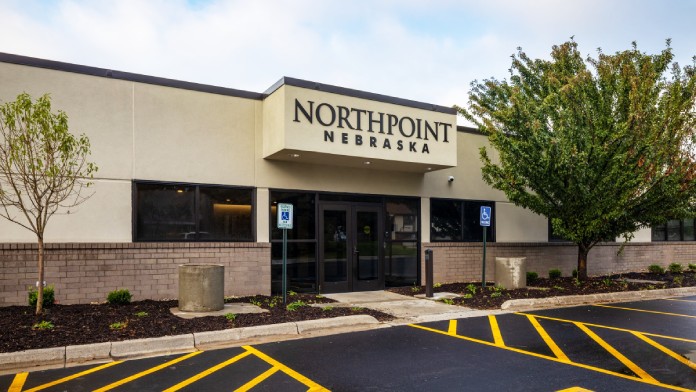
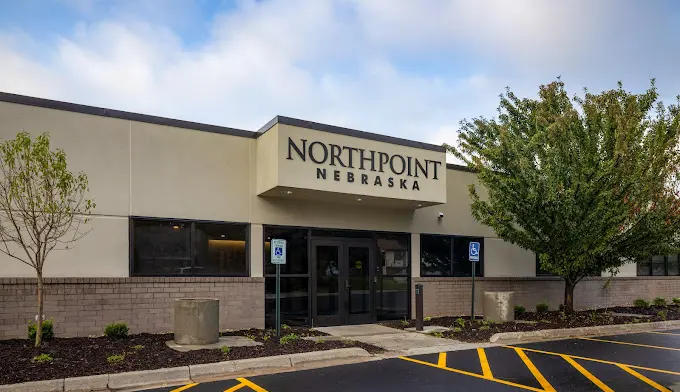
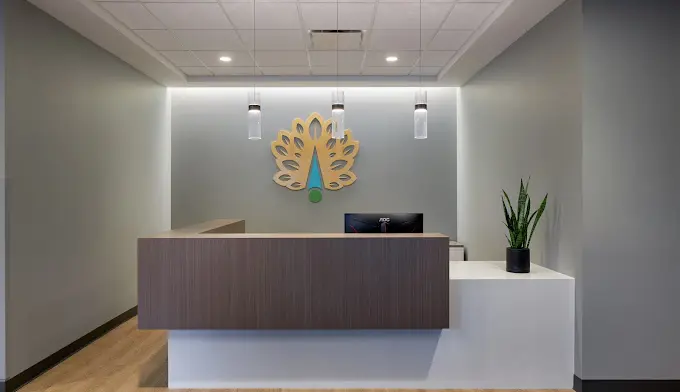
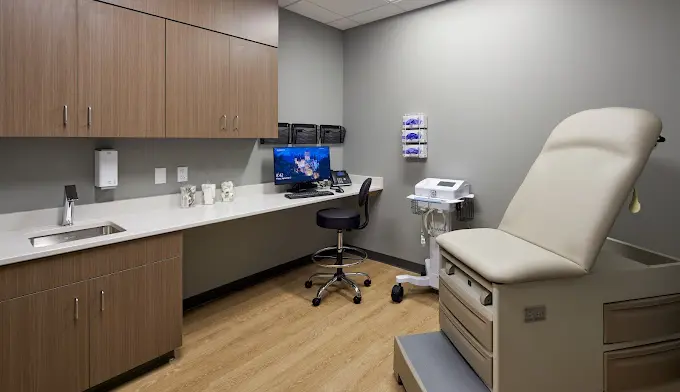
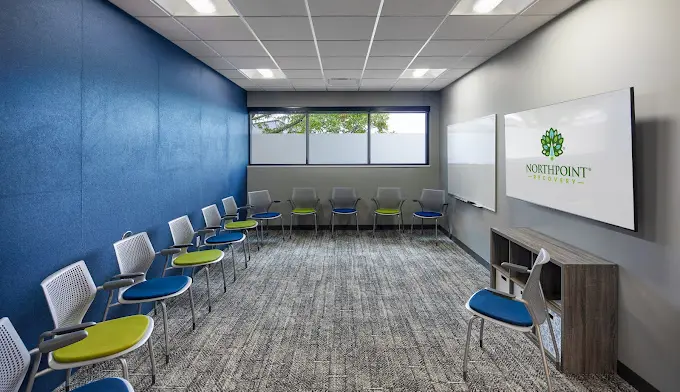
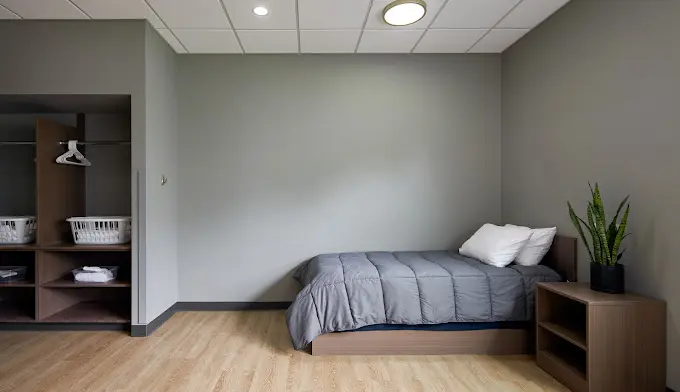
Other Forms of Payment
Private insurance refers to any kind of healthcare coverage that isn't from the state or federal government. This includes individual and family plans offered by an employer or purchased from the Insurance Marketplace. Every plan will have different requirements and out of pocket costs so be sure to get the full details before you start treatment.
Self-pay involves paying for treatment out of your own pocket. You can use savings or credit, get a personal loan, or receive help from family and friends to fund your treatment. If you don't have insurance or your insurance plan doesn't cover a specific program, self-pay can help ensure you still get the care you need.
Medicaid is a state based program that helps lower-income individuals and families pay for healthcare. Medicaid covers addiction treatment so those enrolled can use their coverage to pay for rehab. When a program accepts Medicaid the client often pays very little or nothing out of their own pocket.
Medicare is a federal program that provides health insurance for those 65 and older. It also serves people under 65 with chronic and disabling health challenges. To use Medicare for addiction treatment you need to find a program that accepts Medicare and is in network with your plan. Out of pocket costs and preauthorization requirements vary, so always check with your provider.
Addiction Treatments
Levels of Care
Inpatient rehabs primarily serve clients who are transitioning out of detox and those who are at a heightened risk of relapse, including those with a history of recurrence. Clients in inpatient treatment receive multiple counseling sessions per week using a variety of psychotherapeutic approaches, including CBT, DBT, RBT, and motivational interviewing. Relapse prevention is also prioritized and many programs feature recovery-focused life skills training. Some facilities also offer holistic therapies, such as meditation and yoga.
Intensive outpatient programs (IOP) are designed to evolve with clients' evolving needs. Most programs provide between nine and 20 hours of care weekly, with the frequency and intensity of treatment gradually decreasing as clients grow stronger and more stable in their recovery. Intensive outpatient rehabs specialize in myriad treatment modalities, including medication assisted treatment (MAT) for those in alcohol and/or opioid recovery, addiction counseling, recovery-focused life skills training, and evidence-based holistic care.
Rehab aftercare programs ensure clients receive a complete continuum of care after completing high-level treatment in a detox center or inpatient rehab. Clients typically partner with their case manager and care team to outline their specific recovery needs and goals. Rehab aftercare services are often highly customized and designed to evolve as clients progress in their recovery. Standard services include outpatient treatment and peer coaching, career counseling, and 12 step program induction following outpatient care.
12 step programs are based on a treatment model combining peer support with personal growth. The 12 steps of recovery deploy spiritual principles to promote participants' psychological and emotional healing, enabling them to identify and address the origins of their addiction, accept responsibility for their life choices, and relinquish control over that which cannot be changed. Religious affiliation is not required, and most meetings are non-denominational, though some formats, such as Celebrate Recovery! are rooted in Biblical principles.
A sober living home in Nebraska offers an in-between place for recovery as individuals transition from inpatient care to home. Residents must pay rent and contribute to costs of living. Typically, insurance does not cover this housing expense. However, ongoing treatment received while living at a men's or women's sober living home, such as counseling or other outpatient treatment, may be covered.
24-hour clinical care in Nebraska lowers the risk of complications during detox. If you detox on your own, you may experience life-threatening symptoms such as seizures or heart palpitations that require medication to treat. In a supervised clinical setting, medical staff can provide this treatment and monitor your health 24/7. You'll receive tailored treatment to ensure a safe and more comfortable detox that allows you to overcome drug or alcohol dependence.
Medical detox is the process of removing alcohol and drugs from your body in a medically supervised environment and helping manage withdrawal symptoms. If you've become dependent on alcohol and some drugs (like benzodiazepines and opioids), quitting on your own can be uncomfortable and even dangerous. In an inpatient environment, you will be monitored by a team of medical professionals who will help keep you as safe and comfortable as possible throughout the process.
Clinical Services
Cognitive behavioral therapy in Nebraska is often the preferred method of treatment for substance use. In just a few sessions, clients can learn how to identify challenges and start to develop healthy coping methods to manage them.
The premise of dialectical behavior therapy is that many problems are due to a lack of skills to properly handle them. This therapy aims to give you the skills to manage your emotions and challenging situations so you can live a healthier, productive life.
Group therapies are a safe place for people to express their feelings and openly discuss their problems and issues as they relate to addiction, relationships, work, and other challenges associated with drug and alcohol addiction. Within a group therapy environment, you can share each other's responsibility for recovery, creating a network of mutual support.
Collaboration is key during individual therapy. This requires a trusting relationship between the therapist and the patient so that personal experiences and emotional struggles can be addressed in a nonjudgmental environment, building the patient's resilience and providing a foundation for sustainable recovery.
Couples therapy in Nebraska often focuses on one specific matter of concern. It is usually short term, with the goal of addressing the main issue and learning how to manage it. The focus might be addiction, finances, children, or any other challenge that is putting stress on the relationship.
Therapists in Nebraska offer family therapy to help facilitate discussions about how addiction is a disease and can affect the entire family. This approach fosters empathy between family members and helps to reduce blame. This collective effort supports recovery and reduces negative behaviors within the family unit.
Recreational therapy is often included in a holistic addiction recovery program in Nebraska. It incorporates fun activities that improve your overall physical and mental health. These activities can include sports, music, and nature explosions that help reduce cravings, manage stress, and build a supportive social network to aid in your path to sobriety.
Amenities
-
 Gym
Gym -
 Yoga Studio
 -
 Residential Setting
 -
 Private Rooms
Staff & Accreditations
Staff
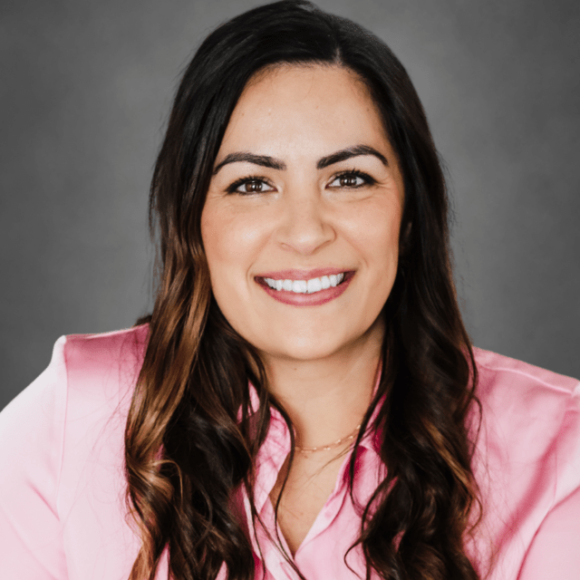
Erica Lopez, LCSW
Executive VP of Operations

Nycole Thomas, BSN, RN
Executive VP, Patient Services & Marketing

Stokes Aiken
CEO
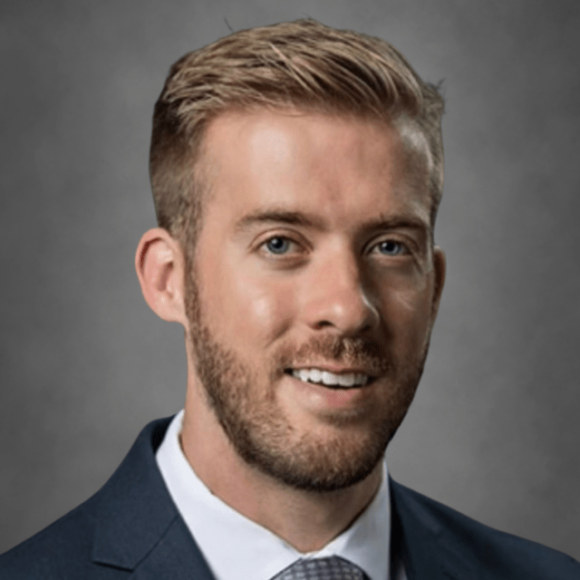
Trevor Bixler, Ph.D
Vice President of Clinical Services

Noressa Kennedy Hinkler
Vice President, Marketing

Becky Kartagener
Vice President of Quality & Compliance

Johnny Paglino, MBA
Vice President of Finance
Accreditations

The Joint Commission, formerly known as JCAHO, is a nonprofit organization that accredits rehab organizations and programs. Founded in 1951, the Joint Commision's mission is to improve the quality of patient care and demonstrating the quality of patient care.
Joint Commission Accreditation: Yes

LegitScript has reviewed Northpoint Nebraska as part of their certification program, and has determined that it meets the LegitScript standards for legality, safety and transparency.
LegitScript verified in
Rehab.com regularly reviews this listing for accuracy but changes may occur between updates. For the most up-to-date information, please contact Northpoint Nebraska.
Contact Information


7215 Ontario St
Omaha, NE 68124
Sponsored Helpline



