











Elevate Addiction Services - SLT
1
Top 10 Rehab Centers In South Lake Tahoe



















































































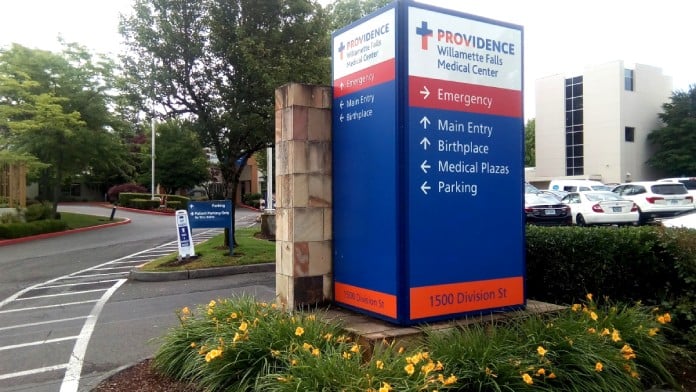
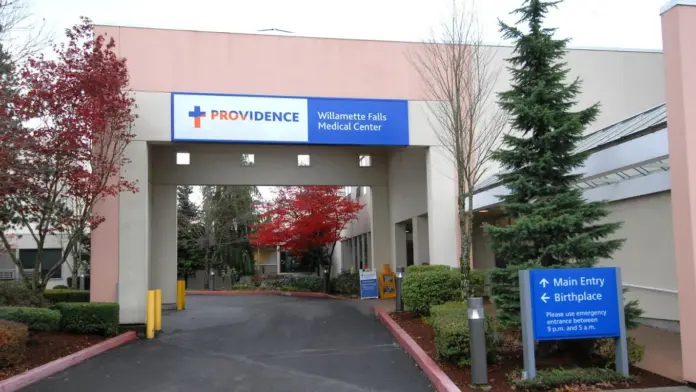
Providence Willamette Falls Medical Center, located in Oregon City, Oregon, offers comprehensive healthcare services for the entire family. They provide specialized behavioral healthcare for both adolescents and children.
They’ve been taking care of the Oregon City community since 1954. Oregon City, with its unique history as the first capital of the Oregon Territory, is the perfect backdrop for a hospital that’s grown alongside it. There’s both that small-town feel and the convenience of being close to Portland.
Here’s something you’ll probably appreciate: This hospital is Joint Commission accredited, which means they’re held to some pretty high standards for patient care and safety.
At the Willamette Falls location, they have a few options for kids four to 17 years of age who need mental health support. Their outpatient clinic provides a mix of therapy, medication management, and group treatment. They also offer inpatient mental healthcare for adolescents 12-17 years of age.
For teens who need a bit more help, there’s the Pathways Program. It’s a more intensive, group based treatment that runs from 10 am to 3 pm, Monday through Friday. Teens will learn skills to cope with things like anxiety, depression, self-harm, and emotional dysregulation, which often go hand-in-hand with substance abuse.
While they may not offer direct substance abuse treatment, they’re part of a larger healthcare network that can help. They’ll connect you with addiction programs, whether you need detox, inpatient care, or outpatient therapy.
And because so many seniors take multiple medications, they help older adults prevent medication dependency. The focus is on helping them age safely and avoid the risk of medication misuse.
Money should not prevent you from getting the care you need. Their financial assistance offers free or low-cost care for uninsured or underinsured patients. They can also help you apply for the Oregon Health Plan.
With their comprehensive services and a solid network of referrals, Providence Willamette Falls could be a valuable starting point for anyone looking for support for substance use issues.



 Our Methodology


Private insurance refers to any kind of healthcare coverage that isn't from the state or federal government. This includes individual and family plans offered by an employer or purchased from the Insurance Marketplace. Every plan will have different requirements and out of pocket costs so be sure to get the full details before you start treatment.
Self-pay involves paying for treatment out of your own pocket. You can use savings or credit, get a personal loan, or receive help from family and friends to fund your treatment. If you don't have insurance or your insurance plan doesn't cover a specific program, self-pay can help ensure you still get the care you need.
Financial aid can take many forms. Centers may have grants or scholarships available to clients who meet eligibility requirements. Programs that receive SAMHSA grants may have financial aid available for those who need treatment as well. Grants and scholarships can help you pai for treatment without having to repay.
Medicare is a federal program that provides health insurance for those 65 and older. It also serves people under 65 with chronic and disabling health challenges. To use Medicare for addiction treatment you need to find a program that accepts Medicare and is in network with your plan. Out of pocket costs and preauthorization requirements vary, so always check with your provider.
Medicaid is a state based program that helps lower-income individuals and families pay for healthcare. Medicaid covers addiction treatment so those enrolled can use their coverage to pay for rehab. When a program accepts Medicaid the client often pays very little or nothing out of their own pocket.
Military members, veterans, and eligible dependents have access to specific insurance programs that help them get the care they need. TRICARE and VA insurance can help you access low cost or no cost addiction and mental health treatment. Programs that accept military insurance often have targeted treatment focused on the unique challenges military members, veterans, and their families face.
Clients who wish to remain in their homes while in recovery may elect to enroll in an outpatient rehab, many of which offer evening, night, and weekend services to accommodate clients' schedules. Most outpatient facilities provide multiple levels of care to align with clients' evolving needs, including partial hospitalization (PHP) and intensive outpatient (IOP) for clients who require robust support and supervision. Addiction counseling and recovery-focused life skills training are the most common treatment modalities.
24-hour clinical care in Oregon offers a safe place for those experiencing withdrawal to recover in a medical detox program. Around-the-clock care lessens the risk of serious withdrawal symptoms and provides a more comfortable detox process. With medical staff on-site, more serious symptoms are less likely to develop and pose health threats. Medications and nutritional treatment can be provided, as well as mental health treatment to address any co-occurring disorders.
Medical detox is the process of weaning your body off drugs and/or alcohol under 24/7 medical supervision. Suddenly stopping use of addictive substances can have negative side effects, and in severe cases, it can be extremely dangerous or deadly. In an inpatient environment, a medically assisted detox provides you with a team of medical professionals whose job is to help alleviate potential withdrawal symptoms and keep you safe and comfortable. After this process, you'll likely transition to an inpatient treatment program or other form of continued care.
Mental health rehabs focus on helping individuals recover from mental illnesses like bipolar disorder, clinical depression, anxiety disorders, schizophrenia, and more. Mental health professionals at these facilities are trained to understand and treat mental health issues, both in individual and group settings.
Adult rehab programs include therapies tailored to each client's specific needs, goals, and recovery progress. They are tailored to the specific challenges adult clients may face, including family and work pressures and commitments. From inpatient and residential treatment to various levels of outpatient services, there are many options available. Some facilities also help adults work through co-occurring conditions, like anxiety, that can accompany addiction.
Young adulthood can be an exciting, yet difficult, time of transition. Individuals in their late teens to mid-20s face unique stressors related to school, jobs, families, and social circles, which can lead to a rise in substance use. Rehab centers with dedicated young adult programs will include activities and amenities that cater to this age group, with an emphasis on specialized counseling, peer socialization, and ongoing aftercare.
Recovery is most successful when clients feel accepted and validated by their peers and treatment providers. Facilities that offer LGBTQ-inclusive programming are committed to creating a safe space where everyone can grow and recover without fear of judgment or discrimination. They will have dedicated policies in place to create a safe and supportive environment that fosters free expression.
Serving in the military is both mentally and physically challenging, and can result in trauma that persists even after combat ends. Military programs are tailored to the specific and often complex needs of active duty personnel, veterans, and military families. Clients often access these programs through the U.S. Department of Veterans Affairs (VA).
Cognitive Behavioral Therapy (CBT) is a therapy modality that focuses on the relationship between one's thoughts, feelings, and behaviors. It is used to establish and allow for healthy responses to thoughts and feelings (instead of unhealthy responses, like using drugs or alcohol). CBT has been proven effective for recovering addicts of all kinds, and is used to strengthen a patient's own self-awareness and ability to self-regulate. CBT allows individuals to monitor their own emotional state, become more adept at communicating with others, and manage stress without needing to engage in substance abuse.
Dialectical Behavior Therapy (DBT) is a modified form of Cognitive Behavioral Therapy (CBT), a treatment designed to help people understand and ultimately affect the relationship between their thoughts, feelings, and behaviors. DBT is often used for individuals who struggle with self-harm behaviors, such as self-mutilation (cutting) and suicidal thoughts, urges, or attempts. It has been proven clinically effective for those who struggle with out-of-control emotions and mental health illnesses like Borderline Personality Disorder.
Group therapy is any therapeutic work that happens in a group (not one-on-one). There are a number of different group therapy modalities, including support groups, experiential therapy, psycho-education, and more. Group therapy involves treatment as well as processing interaction between group members.
In individual therapy, a patient meets one-on-one with a trained psychologist or counselor. Therapy is a pivotal part of effective substance abuse treatment, as it often covers root causes of addiction, including challenges faced by the patient in their social, family, and work/school life.
Viewed as a method of communication rather than an intervention, motivational interviewing is an evidence based approach to rehab treatment in Oregon. The principles of this method have a common sense appeal and are readily applied to many therapeutic programs. Core strategies include acceptance, listening, and summarizing.
Trauma therapy addresses traumatic incidents from a client's past that are likely affecting their present-day experience. Trauma is often one of the primary triggers and potential causes of addiction, and can stem from child sexual abuse, domestic violence, having a parent with a mental illness, losing one or both parents at a young age, teenage or adult sexual assault, or any number of other factors. The purpose of trauma therapy is to allow a patient to process trauma and move through and past it, with the help of trained and compassionate mental health professionals.
For couples in Oregon, couples therapy can provide insight into the problems in their relationship. The therapist guides the couple to a greater understanding of themselves and each other. They work individually and together to change how they interact and react to challenges in the relationship.
Research clearly demonstrates that recovery is far more successful and sustainable when loved ones like family members participate in rehab and substance abuse treatment. Genetic factors may be at play when it comes to drug and alcohol addiction, as well as mental health issues. Family dynamics often play a critical role in addiction triggers, and if properly educated, family members can be a strong source of support when it comes to rehabilitation.
 Residential Setting
  Private Rooms
 Rehab.com regularly reviews this listing for accuracy but changes may occur between updates. For the most up-to-date information, please contact Providence Willamette Falls Medical Center.

1500 Division St
2nd floor
Oregon City, OR 97045
Sponsored Helpline


Took great care of me, felt very comfortable

 Back
Back
Sharing your insights and experiences can help others learn more about this rehab center.
 Written By: Amy Ramirez-Leal
MA
Written By: Amy Ramirez-Leal
MA


