





























































































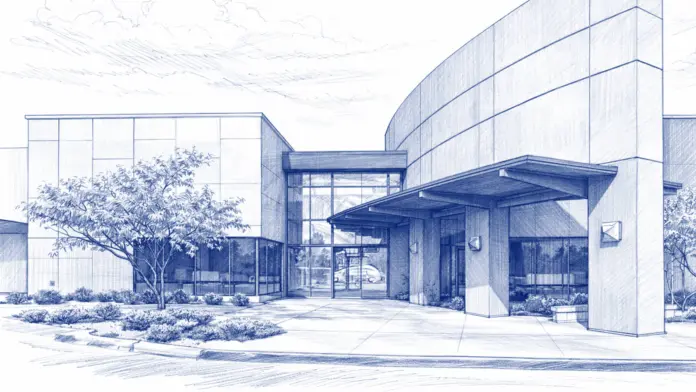
About Quannacut at Stony Brook Eastern Long Island Hospital
Quannacut is the inpatient addiction service at Stony Brook Eastern Long Island Hospital on Manor Place in Greenport, New York. This is a full service hospital with 70 beds and serves the North Fork and Shelter Island residents of Suffolk County. If you’re an adult looking for assistance with substance use disorders or co-occurring mental health issues, this is one option in Greenport and the surrounding area. The hospital accepts private health insurance, Medicaid, Medicare, and IHS/Tribal/Urban (ITU) funds.
Inpatient Medical Detox in Greenport, New York
The hospital rests on a small island that juts out into the water. This beautiful area is the perfect place for beginning your recovery. The inpatient program provides safe, medically monitored detox.
Detox includes mental health treatment, medication management, and discharge planning. If appropriate, you’ll have medication assisted treatment (MAT) for opioid and alcohol use disorders.
Quannacut Signifies Hope for Recovery in Suffolk County
The Native American Word for rainbow, quannacut, signifies new beginnings and hope. In the inpatient addiction program, you’ll receive medical, psychological, and behavioral treatment. The program’s team is composed of alcoholism and substance abuse counselors, social workers, nurses, physicians, dieticians, and creative arts therapists all working together for an integrated treatment approach.
While in the program, you’ll receive customized treatment that includes evidence based practices. Education, life skills, medication management, and mindfulness are part of the program. You’ll participate in group and individual counseling in a supportive and structured environment. The program is licensed by the state and is accredited by The Joint Commission.
Quality Healthcare for the LGBTQ+ Community
The hospital has multiple LGBTQ+ initiatives to provide compassionate, nondiscriminatory care. The Human Rights Campaign Healthcare Equality Index recognized the hospital for affirming and addressing the unique needs of individuals in the LGBTQ+ community. You can be sure you’ll be treated with respect, no matter your identity.
Facility Overview
 23
23 
Rehab Score
 Our Methodology


Location
Other Forms of Payment
Private insurance refers to any kind of healthcare coverage that isn't from the state or federal government. This includes individual and family plans offered by an employer or purchased from the Insurance Marketplace. Every plan will have different requirements and out of pocket costs so be sure to get the full details before you start treatment.
Self-pay involves paying for treatment out of your own pocket. You can use savings or credit, get a personal loan, or receive help from family and friends to fund your treatment. If you don't have insurance or your insurance plan doesn't cover a specific program, self-pay can help ensure you still get the care you need.
Financial aid can take many forms. Centers may have grants or scholarships available to clients who meet eligibility requirements. Programs that receive SAMHSA grants may have financial aid available for those who need treatment as well. Grants and scholarships can help you pai for treatment without having to repay.
Medicare is a federal program that provides health insurance for those 65 and older. It also serves people under 65 with chronic and disabling health challenges. To use Medicare for addiction treatment you need to find a program that accepts Medicare and is in network with your plan. Out of pocket costs and preauthorization requirements vary, so always check with your provider.
Medicaid is a state based program that helps lower-income individuals and families pay for healthcare. Medicaid covers addiction treatment so those enrolled can use their coverage to pay for rehab. When a program accepts Medicaid the client often pays very little or nothing out of their own pocket.
Military members, veterans, and eligible dependents have access to specific insurance programs that help them get the care they need. TRICARE and VA insurance can help you access low cost or no cost addiction and mental health treatment. Programs that accept military insurance often have targeted treatment focused on the unique challenges military members, veterans, and their families face.
Addiction Treatments
Levels of Care
Inpatient rehabs provide a space for clients to focus exclusively on their recovery while receiving intensive supervision and support. Inpatient treatment centers provide housing and food and most offer round-the-clock clinical care. Their primary treatment modalities typically consist of addiction counseling using various psychotherapeutic methods, including CBT, DBT, RBT, and motivational interviewing. Many rehabs also provide specialized services for clients with co-occurring addiction and mental illness. Recovery-focused life skills training and holistic therapies are other common services.
Participants in 12 step programs maintain access to community-based peer support, which is the programs' primary treatment modality. 12 step recovery combines personal growth with paper coaching. Participants regularly attend group meetings, which are free, anonymous, open to the public, and available multiple times per day in most communities. They are also mentored by self-selected sponsors who guide them through the steps of recovery. Age and gender specific and other specialized formats are common.
The ultimate goal of a sober living home in New York is to provide structure and support for those who want to maintain sobriety. Often, sober living homes are a transitional space for those moving from residential treatment to mainstream life. Residents typically stay at least 90 days, with most living in the halfway house for more than six months.
A drug intervention in New York occurs when family members and friends lovingly confront someone with a substance use disorder. The goal of this confrontation is to motivate the person to seek treatment. Loved ones point out how the person's destructive behavior is affecting them in hopes that they will agree to get help. Most inpatient rehab facilities offer intervention services that can help families walk through this process step by step.
For many different stages and therapies offered during addiction treatment, it's essential to offer 24-hour clinical care in New York. often involves medication treatment for drug or alcohol detox. The withdrawal symptoms experienced during detox can be dangerous, but having medical experts on-site around the clock means someone is always there to step in and provide emergency medical care when and if it is ever needed.
Medical detox involves weaning your body off of addictive substances in a medically supervised environment. If you've become dependent on alcohol and/or drugs, quitting on your own can be uncomfortable and even dangerous. In medically assisted detox, a team of licensed medical professionals will help manage potential withdrawal symptoms, ensuring that you're as safe and comfortable as possible. This process typically takes about 5-7 days, although the length will depend on your individual needs.
Programs
Adult rehab programs include therapies tailored to each client's specific needs, goals, and recovery progress. They are tailored to the specific challenges adult clients may face, including family and work pressures and commitments. From inpatient and residential treatment to various levels of outpatient services, there are many options available. Some facilities also help adults work through co-occurring conditions, like anxiety, that can accompany addiction.
Young adulthood can be an exciting, yet difficult, time of transition. Individuals in their late teens to mid-20s face unique stressors related to school, jobs, families, and social circles, which can lead to a rise in substance use. Rehab centers with dedicated young adult programs will include activities and amenities that cater to this age group, with an emphasis on specialized counseling, peer socialization, and ongoing aftercare.
Serving in the military is both mentally and physically challenging, and can result in trauma that persists even after combat ends. Military programs are tailored to the specific and often complex needs of active duty personnel, veterans, and military families. Clients often access these programs through the U.S. Department of Veterans Affairs (VA).
Clinical Services
Cognitive behavioral therapy (CBT) in New York is a short term therapeutic method used to treat substance use and mental health disorders. CBT typically lasts from five to 20 sessions, based on the individual's needs.
Men and women receive emotional support from their peers during group therapy sessions. These are typically people who face the same struggles that you do. This exposure fosters a sense of camaraderie and community while reducing feelings of isolation and loneliness that often accompany addiction.
Men and women in New York undergoing one on one individual therapy for drug and alcohol addiction treatment will address the unique psychological and emotional aspects that are often associated with addiction triggers. Your therapist helps you build a relapse prevention plan and set achievable goals to improve your mental health and achieve long term sobriety.
Introduced in 1983, motivational interviewing is a method to help clients commit to change. It's based on the philosophy that change is hard, and clients must explore their own options and come to their own conclusions rather than receive warnings or advice from the therapist.
Trauma therapy involves working through the psychological and emotional impact of a traumatic event. You learn to identify the triggers and develop coping mechanisms that build a sense of safety and trust in yourself.
You can participate in couples therapy to focus on a specific problem in your relationship or for general strengthening of the relationship. This therapy aims to help you improve communication, address conflict, and grow in affection for one another.
Family therapy helps individual members of the family unit navigate the complexities of addiction. Therapists provide you with the tools you need to improve communication skills and conflict resolution. When families work together, they can support their loved one's recovery and help to restore balance and harmony within the household.
Amenities
-
 Residential Setting
 -
 Private Rooms
Staff & Accreditations
Staff
Carol A. Gomes, MS, FACHE, CPHQ
CEO

Paul J. Connor III
Chief Administrative Officer

Gary E. Bie
Chief Financial Officer, VP

William Wertheim, MD, MBA
Executive Vice President
Accreditations

The Substance Abuse and Mental Health Services Administration (SAMHSA) is a branch of the U.S. Department of Health and Human Services. Established in 1992 by congress, SAMHSA's mission is to reduce the impact of substance abuse and mental illness on American's communities.
SAMHSA Listed: Yes

State Licenses are permits issued by government agencies that allow rehab organizations to conduct business legally within a certain geographical area. Typically, the kind of program a rehab facility offers, along with its physical location, determines which licenses are required to operate legally.
State License: New York

The Joint Commission, formerly known as JCAHO, is a nonprofit organization that accredits rehab organizations and programs. Founded in 1951, the Joint Commision's mission is to improve the quality of patient care and demonstrating the quality of patient care.
Joint Commission Accreditation: Yes
Rehab.com regularly reviews this listing for accuracy but changes may occur between updates. For the most up-to-date information, please contact Quannacut at Stony Brook Eastern Long Island Hospital.
Contact Information


201 Manor Place
Greenport, NY 11944
Sponsored Helpline



