








































































































Seems like the staff/Owner can't step up and take responsibility when they are wrong. Not one time in all the reviews did they ever say "we were wrong". i've never been here but my friend was ordered by the court to attend therapy and after attending the report resulted in ...
About Reflection Family Services, Inc
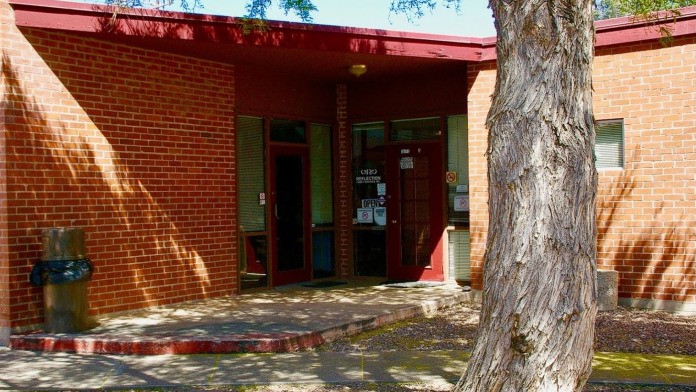
Getting charged with driving under the influence can be a wake up call to folks who have problems with drugs and alcohol. When you get a DUI conviction in the state of Arizona, you’ll often be required to take classes as part of your sentence. Reflections can provide level I and II DUI classes. They will provide a urine test both before you start the class and when you have finished.
One thing I liked was the price. The classes are just $10 an hour. You will have to pay $50 for an intake fee as well. The classes will teach you about the effect substances have on your body. It will also teach you alternatives to driving when you have been drinking. You will learn about the effects of driving under the influence on other people.
They also offer MVD Revocation Packets so you can get your driver’s license reinstated. They can help you fill them out and they will file them for you. The fee for this is $80.
Fact checked and written by:
Eliza Gale
Edited by:
Peter Lee, PhD
Latest Reviews
mp
Reviewed on 06/25/2025
Seems like the staff/Owner can't step up and take responsibility when they are wrong. Not one time in all the reviews did they ever say "we were wrong". i've never been here but my friend was ordered by the court to attend therapy and after attending the report resulted in her not getting any visitation with her kids. report didn't provide evidence or reasons for the opinions. She doesn't do drugs or drink and the dad has 4 DUIs and he got full custody! all because of this place's shady practices and bias attitudes. You should be ashamed
Staff is very rude and unprofessional I wouldn't recommend
very attentive caring staff if you need a listening ear I recommend this place they make you feel they are there for you that your not alone

Rehab Score
 Our Methodology
Scoring is assigned by a proprietary system which helps surface key metrics that determine quality. The 10-point scale factors in categories such as operations, customer satisfaction, and trust metrics. Read Full Methodology

6.5 / 10
Gallery
Accepted Insurance
Other Forms of Payment
Self-pay involves paying for treatment out of your own pocket. You can use savings or credit, get a personal loan, or receive help from family and friends to fund your treatment. If you don't have insurance or your insurance plan doesn't cover a specific program, self-pay can help ensure you still get the care you need.
Private insurance refers to any kind of healthcare coverage that isn't from the state or federal government. This includes individual and family plans offered by an employer or purchased from the Insurance Marketplace. Every plan will have different requirements and out of pocket costs so be sure to get the full details before you start treatment.
Military members, veterans, and eligible dependents have access to specific insurance programs that help them get the care they need. TRICARE and VA insurance can help you access low cost or no cost addiction and mental health treatment. Programs that accept military insurance often have targeted treatment focused on the unique challenges military members, veterans, and their families face.
Addiction Treatments
Levels of Care
Outpatient Programs (OP) are for those seeking mental rehab or drug rehab, but who also stay at home every night. The main difference between outpatient treatment (OP) and intensive outpatient treatment (IOP) lies in the amount of hours the patient spends at the facility. Most of the time an outpatient program is designed for someone who has completed an inpatient stay and is looking to continue their growth in recovery. Outpatient is not meant to be the starting point, it is commonly referred to as aftercare.
Intensive inpatient programs (IOP) offer high-level support for clients in early recovery, those exiting detox or inpatient rehabs, and those at an elevated risk of relapse. Intensive outpatient treatment typically includes rigorous individual, group, and family counseling. Evidence-based complementary therapies, such as acupuncture and massage, are widely available. Medication assisted treatment (MAT) may be provided. Clients in IOP receive a minimum of nine hours of treatment per week but may engage in up to 20 treatment hours weekly.
A partial hospitalization program (PHP) offers a short-term alternative to inpatient treatment or a step-down option after a residential program. With PHP treatment, you'll receive 6 to 8 hours of daily support, up to 5 days a week. The duration of a partial hospitalization program can vary with the average length being 90 days. While commuting is necessary, some programs also offer telehealth options. PHP treatment is often covered by insurance and typically offers medication management, relapse prevention techniques, and behavioral therapy.
Many addiction recovery centers base their treatment modalities on the 12 step program model, and those in treatment often transition to community-based programs. These programs can also be effective for clients who choose not to enter rehab. Traditionally, 12 step meetings are designed to provide intensive peer support whenever it is needed. In addition to group meetings and peer sponsorship, participants "work the steps" to achieve recovery through a systematic healing of the mind, body, and spirit.
Rehab aftercare programs support clients' successful reintegration into their home, workplace, and community. Drug rehab aftercare presumes that recovery requires life-long support. These programs typically offer a wide variety of services customized for the clients' unique and evolving needs. Clients may receive vocational training and career counseling, housing assistance, legal aid, peer coaching, and 12 step program induction, among other services. Clients' case managers often play a lead role in rehab aftercare planning.
Treatments
The goal of treatment for alcoholism is abstinence. Those with poor social support, poor motivation, or psychiatric disorders tend to relapse within a few years of treatment. For these people, success is measured by longer periods of abstinence, reduced use of alcohol, better health, and improved social functioning. Recovery and Maintenance are usually based on 12 step programs and AA meetings.
Drug rehab in Arizona is the process of treating individuals who are dependent on a particular addictive drug. Because addiction is complex, this treatment typically includes a variety of interventions that address the many physical and emotional issues involved.
Many of those suffering from addiction also suffer from mental or emotional illnesses like schizophrenia, bipolar disorder, depression, or anxiety disorders. Rehab and other substance abuse facilities treating those with a dual diagnosis or co-occurring disorder administer psychiatric treatment to address the person's mental health issue in addition to drug and alcohol rehabilitation.
Opioid rehabs specialize in supporting those recovering from opioid addiction. They treat those suffering from addiction to illegal opioids like heroin, as well as prescription drugs like oxycodone. These centers typically combine both physical as well as mental and emotional support to help stop addiction. Physical support often includes medical detox and subsequent medical support (including medication), and mental support includes in-depth therapy to address the underlying causes of addiction.
Substance rehabs focus on helping individuals recover from substance abuse, including alcohol and drug addiction (both illegal and prescription drugs). They often include the opportunity to engage in both individual as well as group therapy.
Programs
Adult rehab programs include therapies tailored to each client's specific needs, goals, and recovery progress. They are tailored to the specific challenges adult clients may face, including family and work pressures and commitments. From inpatient and residential treatment to various levels of outpatient services, there are many options available. Some facilities also help adults work through co-occurring conditions, like anxiety, that can accompany addiction.
Young adulthood can be an exciting, yet difficult, time of transition. Individuals in their late teens to mid-20s face unique stressors related to school, jobs, families, and social circles, which can lead to a rise in substance use. Rehab centers with dedicated young adult programs will include activities and amenities that cater to this age group, with an emphasis on specialized counseling, peer socialization, and ongoing aftercare.
Recovery is most successful when clients feel accepted and validated by their peers and treatment providers. Facilities that offer LGBTQ-inclusive programming are committed to creating a safe space where everyone can grow and recover without fear of judgment or discrimination. They will have dedicated policies in place to create a safe and supportive environment that fosters free expression.
Serving in the military is both mentally and physically challenging, and can result in trauma that persists even after combat ends. Military programs are tailored to the specific and often complex needs of active duty personnel, veterans, and military families. Clients often access these programs through the U.S. Department of Veterans Affairs (VA).
Clinical Services
Also known as CBT, cognitive behavioral therapy in Arizona is one of the most common types of psychotherapy. It offers a structured method of counseling that effectively treats substance use disorder and dual diagnosis disorders.
Residents of Arizona who are experiencing relationship problems may benefit from couples therapy. This form of psychotherapy helps couples express their feelings, resolve conflicts, and increase intimacy and affection.
Dialectical behavior therapy in Arizona focuses on acceptance of your reality and behaviors while also attempting to make changes in unhealthy behaviors. It has been shown to be effective for the treatment of anxiety, depression, PTSD, and substance use disorder.
Research clearly demonstrates that recovery is far more successful and sustainable when loved ones like family members participate in rehab and substance abuse treatment. Genetic factors may be at play when it comes to drug and alcohol addiction, as well as mental health issues. Family dynamics often play a critical role in addiction triggers, and if properly educated, family members can be a strong source of support when it comes to rehabilitation.
Group therapy is any therapeutic work that happens in a group (not one-on-one). There are a number of different group therapy modalities, including support groups, experiential therapy, psycho-education, and more. Group therapy involves treatment as well as processing interaction between group members.
Individual therapy for drug and alcohol addiction includes focused attention on the unique challenges that trigger addictive behavior. During individual therapy sessions, you have a safe space in which to discuss stressors and emotional struggles. Therapy fosters trust and open communication that helps develop personalized strategies to overcome addiction.
The goal of motivational interviewing in Arizona is to enhance your confidence in your ability to make changes in your life. It encourages you to commit to change and plan for the process of making those changes that will allow you to reach your goals.
Some nicotine replacement therapy options are available over the counter. Others require a prescription from your doctor. Common forms in Arizona include nicotine patches, gum, and lozenges. Quit smoking medications are also available.
Trauma therapy addresses traumatic incidents from a client's past that are likely affecting their present-day experience. Trauma is often one of the primary triggers and potential causes of addiction, and can stem from child sexual abuse, domestic violence, having a parent with a mental illness, losing one or both parents at a young age, teenage or adult sexual assault, or any number of other factors. The purpose of trauma therapy is to allow a patient to process trauma and move through and past it, with the help of trained and compassionate mental health professionals.
Staff & Accreditations
Staff
Terry A. Stoe-Bedoya
CEO & Executive Director
Accreditations

State Licenses are permits issued by government agencies that allow rehab organizations to conduct business legally within a certain geographical area. Typically, the kind of program a rehab facility offers, along with its physical location, determines which licenses are required to operate legally.
State License: Arizona
Contact Information

2530 East Broadway Boulevard
Suite A
Tucson, AZ 85716
Get Help Now - 520-428-0475
Sponsored Helpline
Sponsored Helpline


