
























































































About Richard Pruss Wellness Center: Mott Haven Opioid Treatment Clinic
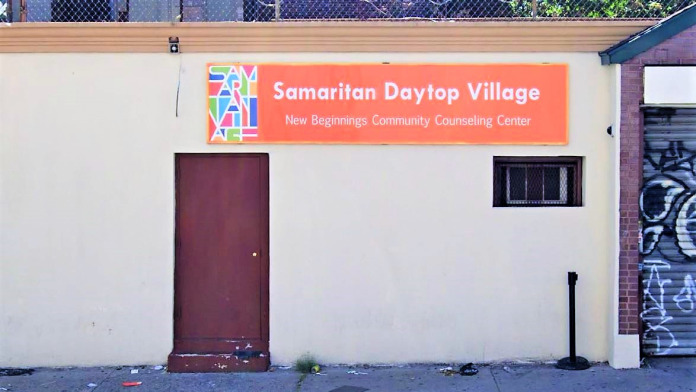
The Mott Haven facility offers many outstanding benefits. They accept Medicaid, Medicare and various major medical insurance plans. This includes those from New York State Medicaid Managed Care Providers. They’re LGBTQ+ friendly and offer peer based services that include recovery coaching. They offer both in person and telehealth services to enhance flexibility. Various support services are also accessible.
Their care team is experienced and committed to helping clients manage addiction, develop healthy and supportive relationships and live a balanced lifestyle. They’re Joint Commission accredited and SAMHSA certified. This means the facility meets the standard for high quality care or treatment. Moreover, they’re licensed by the New York State Office of Addiction Services and Supports and registered by the US Drug Enforcement Administration.
They offer a welcoming outpatient environment. This enhances opioid addiction recovery. Upon arriving at the facility you’ll undergo a comprehensive assessment. This helps the care personnel determine if you need opioid replacement therapy, the severity of your condition and what medicines that’ll be suitable for your needs. In addition, the assessment helps them craft a personalized treatment plan and integrate it into your daily routine at work and home.
Subsequently, you’ll receive daily doses of medication depending on your condition. Clients with severe opioid addiction are typically prescribed methadone. In contrast, those with mild to moderate opioid disorder are given buprenorphine or Suboxone. These medicines minimize withdrawal symptoms and curb cravings. However, unlike others, methadone is susceptible to misuse. Suboxone contains both buprenorphine and naltrexone which prevents misuse or overdose.
Their complete service includes counseling, trauma informed care and stress and anger management. Group and individual counseling help you uncover your addiction trigger and build robust coping strategies against it. This prevents relapse and facilitates lasting recovery. Various group sessions are available including LGBTQ+, Narcotics Anonymous and more. You may also participate in family and parenting sessions among others.
Aftercare services may include telephone wellness checks and connection to social support services. Past clients overwhelmingly praised the facility for their quality of care citing their hospitality, caring and compassionate staff as well as the facility’s easy accessibility.

Rehab Score
 Our Methodology


Gallery
Other Forms of Payment
Self-pay involves paying for treatment out of your own pocket. You can use savings or credit, get a personal loan, or receive help from family and friends to fund your treatment. If you don't have insurance or your insurance plan doesn't cover a specific program, self-pay can help ensure you still get the care you need.
Medicaid is a state based program that helps lower-income individuals and families pay for healthcare. Medicaid covers addiction treatment so those enrolled can use their coverage to pay for rehab. When a program accepts Medicaid the client often pays very little or nothing out of their own pocket.
Private insurance refers to any kind of healthcare coverage that isn't from the state or federal government. This includes individual and family plans offered by an employer or purchased from the Insurance Marketplace. Every plan will have different requirements and out of pocket costs so be sure to get the full details before you start treatment.
Sliding scale payments are based on a client's income and family size. The goal is to make treatment affordable to everyone. By taking these factors into account, addiction recovery care providers help ensure that your treatment does not become a financial burden to you or your family, eliminating one barrier to care.
Addiction Treatments
Levels of Care
Outpatient Programs (OP) are for those seeking mental rehab or drug rehab, but who also stay at home every night. The main difference between outpatient treatment (OP) and intensive outpatient treatment (IOP) lies in the amount of hours the patient spends at the facility. Most of the time an outpatient program is designed for someone who has completed an inpatient stay and is looking to continue their growth in recovery. Outpatient is not meant to be the starting point, it is commonly referred to as aftercare.
Completing a drug or alcohol rehab program shouldn't spell the end of substance abuse treatment. Aftercare involves making a sustainable plan for recovery, including ongoing support. This can include sober living arrangements like halfway houses, career counseling, and setting a patient up with community programs like Alcoholics Anonymous (AA) or Narcotics Anonymous (NA).
Treatments
Opioid rehabs specialize in supporting those recovering from opioid addiction. They treat those suffering from addiction to illegal opioids like heroin, as well as prescription drugs like oxycodone. These centers typically combine both physical as well as mental and emotional support to help stop addiction. Physical support often includes medical detox and subsequent medical support (including medication), and mental support includes in-depth therapy to address the underlying causes of addiction.
Substance rehabs focus on helping individuals recover from substance abuse, including alcohol and drug addiction (both illegal and prescription drugs). They often include the opportunity to engage in both individual as well as group therapy.
Programs
Adult rehab programs include therapies tailored to each client's specific needs, goals, and recovery progress. They are tailored to the specific challenges adult clients may face, including family and work pressures and commitments. From inpatient and residential treatment to various levels of outpatient services, there are many options available. Some facilities also help adults work through co-occurring conditions, like anxiety, that can accompany addiction.
Young adulthood can be an exciting, yet difficult, time of transition. Individuals in their late teens to mid-20s face unique stressors related to school, jobs, families, and social circles, which can lead to a rise in substance use. Rehab centers with dedicated young adult programs will include activities and amenities that cater to this age group, with an emphasis on specialized counseling, peer socialization, and ongoing aftercare.
Clinical Services
Group therapy is any therapeutic work that happens in a group (not one-on-one). There are a number of different group therapy modalities, including support groups, experiential therapy, psycho-education, and more. Group therapy involves treatment as well as processing interaction between group members.
In individual therapy, a patient meets one-on-one with a trained psychologist or counselor. Therapy is a pivotal part of effective substance abuse treatment, as it often covers root causes of addiction, including challenges faced by the patient in their social, family, and work/school life.
Amenities
-
 Private Setting
Accreditations

The Joint Commission, formerly known as JCAHO, is a nonprofit organization that accredits rehab organizations and programs. Founded in 1951, the Joint Commision's mission is to improve the quality of patient care and demonstrating the quality of patient care.
Joint Commission Accreditation: Yes
Accreditation Number: 358720
Contact Information


356 E 148th St
Bronx, NY 10455
Sponsored Helpline
