The staff means well but the way the program is structured, I just can't see how anyone can move toward recovery. My dual diagnosis is eating disorder and depression. I was only able to see my therapist for 30min every two weeks. When I requested a weekly hour meeting my th ...
About Rutgers – UBHC – Psychiatric Hospital
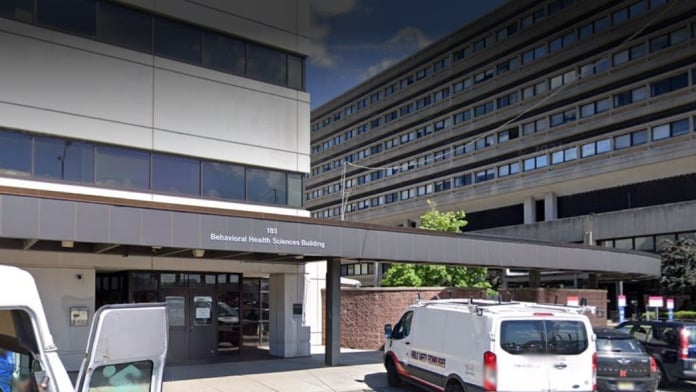
Rutgers University Behavioral Health Care in Newark, New Jersey provides psychiatric services at the Behavioral Health Sciences Building. They serve all ages.
Horticulture and Music Therapies
The Adult Acute Partial Hospital Program at UBHC is open Monday through Friday from 9:00 a.m. to 3:30 p.m.
It uses cognitive behavioral therapy and dialectical behavior therapy informed treatment which is a skills based approach to difficult emotions and distress. Its partial hospitalization program also includes horticulture therapy, art therapy, and music therapy.
The services also include Illness Management and Recovery which is a structured way to manage symptoms and set goals, and a Wellness and Recovery Action Plan. Clients work on how thoughts and actions connect in cognitive behavioral therapy.
Psychiatrists and advanced practice nurses staff the program along with case managers and nursing professionals, and licensed clinicians.
When is substance use treatment offered?
In the Adult Acute Partial Hospital Program at UBHC in Newark, substance use services and trauma-informed services are offered if indicated. The partial hospitalization program is for clients with a mental illness that may involve substance use.
When a mental illness and substance use are treated together, the care is often called dual diagnosis care.
UBHC accepts Medicare and Medicaid, and TRICARE as well as private insurance. A sliding fee scale uses income and other factors, and payment assistance is available.
Latest Reviews
The patients are treating with respect and their families are counting in the process, as a part of healing process, thanks. The communication has been fluid and honest. Thanks for help my son with CIP (Cannabis Induced Psycosis). THANKS 🙏
I give 5 stars because Dr Taha is one of the best ,not only doctors I've ever met,but human being,she's so caring,where others rush to be finished with you,she actually listens,she honestly cares about her patients,she takes the time to know you ,and not judge you by your looks,gender,race,or age😎thank you for coming into my life ,Dr Taha,at a time when I thought all was lost ,she helped me start a new venture,late in life I was scared I was too old,she should me otherwise now I'm thriving ,meg my goal now shooting for the stars,like they say in Hollywood
GIVE THAT LADY A CONTRACT😎♥️🤍💙😎
I was here years ago and loved it . No complaints from my end, which is surprising considering usually how petty I am. Food was pretty okay, they always had events and all the therapy groups were awesome ran by awesome people.
Response from the owner3 weeks ago
Thank you for taking the time to leave a review. We are sorry to hear of your experience at UBHC. We invite you to please reach out to the Patient/Consumer Advocate at 732-235-3921 if you wish to discuss further. Your opinion matters. 
Rehab Score
 Our Methodology
Scoring is assigned by a proprietary system which helps surface key metrics that determine quality. The 10-point scale factors in categories such as operations, customer satisfaction, and trust metrics. Read Full Methodology

6.6 / 10
Gallery
Other Forms of Payment
Medicaid is a state based program that helps lower-income individuals and families pay for healthcare. Medicaid covers addiction treatment so those enrolled can use their coverage to pay for rehab. When a program accepts Medicaid the client often pays very little or nothing out of their own pocket.
Self-pay involves paying for treatment out of your own pocket. You can use savings or credit, get a personal loan, or receive help from family and friends to fund your treatment. If you don't have insurance or your insurance plan doesn't cover a specific program, self-pay can help ensure you still get the care you need.
Financial aid can take many forms. Centers may have grants or scholarships available to clients who meet eligibility requirements. Programs that receive SAMHSA grants may have financial aid available for those who need treatment as well. Grants and scholarships can help you pai for treatment without having to repay.
Medicare is a federal program that provides health insurance for those 65 and older. It also serves people under 65 with chronic and disabling health challenges. To use Medicare for addiction treatment you need to find a program that accepts Medicare and is in network with your plan. Out of pocket costs and preauthorization requirements vary, so always check with your provider.
Addiction Treatments
Levels of Care
Outpatient Programs (OP) are for those seeking mental rehab or drug rehab, but who also stay at home every night. The main difference between outpatient treatment (OP) and intensive outpatient treatment (IOP) lies in the amount of hours the patient spends at the facility. Most of the time an outpatient program is designed for someone who has completed an inpatient stay and is looking to continue their growth in recovery. Outpatient is not meant to be the starting point, it is commonly referred to as aftercare.
Treatments
Many of those suffering from addiction also suffer from mental or emotional illnesses like schizophrenia, bipolar disorder, depression, or anxiety disorders. Rehab and other substance abuse facilities treating those with a dual diagnosis or co-occurring disorder administer psychiatric treatment to address the person's mental health issue in addition to drug and alcohol rehabilitation.
Mental health rehabs focus on helping individuals recover from mental illnesses like bipolar disorder, clinical depression, anxiety disorders, schizophrenia, and more. Mental health professionals at these facilities are trained to understand and treat mental health issues, both in individual and group settings.
Programs
Adult rehab programs include therapies tailored to each client's specific needs, goals, and recovery progress. They are tailored to the specific challenges adult clients may face, including family and work pressures and commitments. From inpatient and residential treatment to various levels of outpatient services, there are many options available. Some facilities also help adults work through co-occurring conditions, like anxiety, that can accompany addiction.
Young adulthood can be an exciting, yet difficult, time of transition. Individuals in their late teens to mid-20s face unique stressors related to school, jobs, families, and social circles, which can lead to a rise in substance use. Rehab centers with dedicated young adult programs will include activities and amenities that cater to this age group, with an emphasis on specialized counseling, peer socialization, and ongoing aftercare.
Clinical Services
Dialectical Behavior Therapy (DBT) is a modified form of Cognitive Behavioral Therapy (CBT), a treatment designed to help people understand and ultimately affect the relationship between their thoughts, feelings, and behaviors. DBT is often used for individuals who struggle with self-harm behaviors, such as self-mutilation (cutting) and suicidal thoughts, urges, or attempts. It has been proven clinically effective for those who struggle with out-of-control emotions and mental health illnesses like Borderline Personality Disorder.
Experiential therapy is a form of therapy in which clients are encouraged to surface and work through subconscious issues by engaging in real-time experiences. Experiential therapy departs from traditional talk therapy by involving the body, and having clients engage in activities, movements, and physical and emotional expression. This can involve role-play or using props (which can include other people). Experiential therapy can help people process trauma, memories, and emotion quickly, deeply, and in a lasting fashion, leading to substantial and impactful healing.
Group therapy is any therapeutic work that happens in a group (not one-on-one). There are a number of different group therapy modalities, including support groups, experiential therapy, psycho-education, and more. Group therapy involves treatment as well as processing interaction between group members.
Nicotine Replacement Therapy (NRT) is a way of getting nicotine into the bloodstream without smoking. It uses products that supply low doses of nicotine to help people stop smoking. The goal of therapy is to cut down on cravings for nicotine and ease the symptoms of nicotine withdrawal.
Nutrition therapy, aka medical nutrition therapy (MNT), is a way of treating physical, emotional, and medical conditions through diet. Specific dietary plans are designed by professional nutritionists or registered dietitians, and patients follow them in order to positively affect their physical and mental health.
Trauma therapy addresses traumatic incidents from a client's past that are likely affecting their present-day experience. Trauma is often one of the primary triggers and potential causes of addiction, and can stem from child sexual abuse, domestic violence, having a parent with a mental illness, losing one or both parents at a young age, teenage or adult sexual assault, or any number of other factors. The purpose of trauma therapy is to allow a patient to process trauma and move through and past it, with the help of trained and compassionate mental health professionals.
Staff
Frank A. Ghinassi, PhD, ABPP
President & CEO
Mary-Catherine Bohan, MSW
VP of Outpatient and Ambulatory Services
Lisa Cox
VP of Operations
J. Chad Knight, MSHA, FACHE
COO
Carl W. O'Brien
CFO
Rehab.com regularly reviews this listing for accuracy but changes may occur between updates. For the most up-to-date information, please contact Rutgers – UBHC – Psychiatric Hospital.
Contact Information

183 South Orange Avenue
Newark, NJ 07103
Get Help Now - 973-969-2144
Sponsored Helpline
Sponsored Helpline