





























































































About Signature Healthcare – Lakewood
Additional services available here include primary care, an on site pharmacy and walk-in assessments. Clients can choose to either schedule in-person visits or attend telemedicine appointments. The process of getting treated starts with completing a 90-minute diagnostic assessment.
After the assessment, the staff will be able to determine the appropriate services for the patient. These assessments can either be scheduled in advance or done during walk-in hours for new patients. Signature Healthcare – Lakewood is available to treat patients from morning to evening, Monday through Friday.
I like that this facility provides a broad range of counseling options for addiction recovery. All of a patient’s intensive outpatient sessions will include group therapy while some of the sessions will include individual therapy. Given that families also struggle with seeing a loved one dealing with substance abuse, they also have family, child and couples counseling available.
Additionally, clients can receive Eye Movement Desensitization and Reprocessing (EMDR) therapy. This can be especially beneficial for clients who are struggling with trauma that may be a cause of their addiction.
Signature Healthcare – Lakewood’s MAT program offers both buprenorphine and naltrexone as medication options. It gives patients the option to either take medication daily or once every few weeks. Along with MAT and counseling, the facility also provides addiction education, which will discuss topics such as wellness activities and relapse triggers. Once patients have completed the intensive outpatient program, they can receive follow-up care through the aftercare program to help prevent relapse.
Facility Overview
 8
8 Latest Reviews



Rehab Score
 Our Methodology


Gallery

Accepted Insurance
Other Forms of Payment
Self-pay involves paying for treatment out of your own pocket. You can use savings or credit, get a personal loan, or receive help from family and friends to fund your treatment. If you don't have insurance or your insurance plan doesn't cover a specific program, self-pay can help ensure you still get the care you need.
Sliding scale payments are based on a client's income and family size. The goal is to make treatment affordable to everyone. By taking these factors into account, addiction recovery care providers help ensure that your treatment does not become a financial burden to you or your family, eliminating one barrier to care.
Medicare is a federal program that provides health insurance for those 65 and older. It also serves people under 65 with chronic and disabling health challenges. To use Medicare for addiction treatment you need to find a program that accepts Medicare and is in network with your plan. Out of pocket costs and preauthorization requirements vary, so always check with your provider.
Medicaid is a state based program that helps lower-income individuals and families pay for healthcare. Medicaid covers addiction treatment so those enrolled can use their coverage to pay for rehab. When a program accepts Medicaid the client often pays very little or nothing out of their own pocket.
Addiction Treatments
Levels of Care
Outpatient rehabs offer robust wraparound care for clients who are stepping down from intensive inpatient care, with many facilities providing multiple levels of care, including partial hospitalization (PHP), intensive outpatient (IOP), sober living/halfway housing, and standard outpatient programming. Clients may also elect to enroll in outpatient care immediately after completing inpatient detox. Those who are at lower risk of withdrawal complications may also choose to receive ambulatory medical detox from an outpatient facility. Outpatient programs typically involve addiction counseling, recovery education, and/or medication assisted treatment (MAT). Holistic therapies, such as art and music therapy, are commonly available.
Intensive Outpatient Programs (IOP) are for those who want or need a very structured treatment program but who also wish to live at home and continue with certain responsibilities (such as work or school). IOP substance abuse treatment programs vary in duration and intensity, and certain outpatient rehab centers will offer individualized treatment programs.
A partial hospitalization program (PHP) is a short-term form of intensive rehab, usually for those with acute symptoms that are hard to manage but don’t require 24-hour care. PHPs have structured programming (i.e. individual and/or group therapy), and usually meet 3-5 days a week for around 6 hours (i.e. 9am-3m). Some PHPs are residential (patients sleep on site) and some are not, so patients sleep at home. PHPs can last from 1-6 months, and some offer transportation and meals.
Medical detox involves clearing your body of drugs and/or alcohol under the 24/7 care of licensed medical professionals. If you've become dependent on alcohol or drugs (like benzodiazepines or opioids), quitting abruptly can have uncomfortable and even dangerous side effects. The purpose of medically assisted detox is to keep you as safe and comfortable as possible during this process. Medications like Suboxone or Vivitrol may be provided if necessary to mitigate any withdrawal symptoms.
Treatments
The goal of treatment for alcoholism is abstinence. Those with poor social support, poor motivation, or psychiatric disorders tend to relapse within a few years of treatment. For these people, success is measured by longer periods of abstinence, reduced use of alcohol, better health, and improved social functioning. Recovery and Maintenance are usually based on 12 step programs and AA meetings.
Drug rehab in Ohio provides comprehensive treatment to address the physical and psychological needs of those struggling with substance use disorders. This may involve inpatient and/or outpatient care.
A combined mental health and substance abuse rehab has the staff and resources available to handle individuals with both mental health and substance abuse issues. It can be challenging to determine where a specific symptom stems from (a mental health issue or an issue related to substance abuse), so mental health and substance abuse professionals are helpful in detangling symptoms and keeping treatment on track.
Opioid rehabs specialize in supporting those recovering from opioid addiction. They treat those suffering from addiction to illegal opioids like heroin, as well as prescription drugs like oxycodone. These centers typically combine both physical as well as mental and emotional support to help stop addiction. Physical support often includes medical detox and subsequent medical support (including medication), and mental support includes in-depth therapy to address the underlying causes of addiction.
Programs
Adult rehab programs include therapies tailored to each client's specific needs, goals, and recovery progress. They are tailored to the specific challenges adult clients may face, including family and work pressures and commitments. From inpatient and residential treatment to various levels of outpatient services, there are many options available. Some facilities also help adults work through co-occurring conditions, like anxiety, that can accompany addiction.
Clinical Services
In individual therapy, a patient meets one-on-one with a trained psychologist or counselor. Therapy is a pivotal part of effective substance abuse treatment, as it often covers root causes of addiction, including challenges faced by the patient in their social, family, and work/school life.
Staff & Accreditations
Staff

Jonathan Lee, LICDC
Founder & CEO
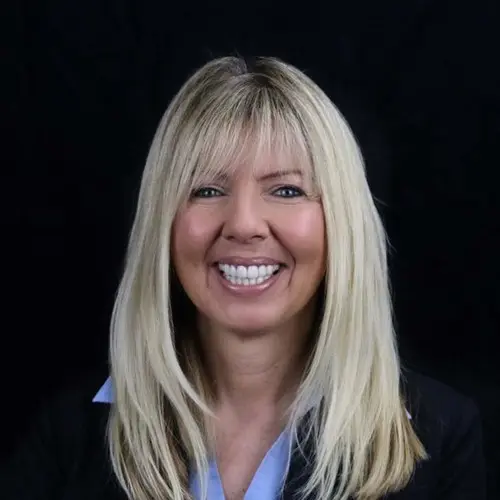
Ann Mason, LICDC-S
Chief Innovation Officer
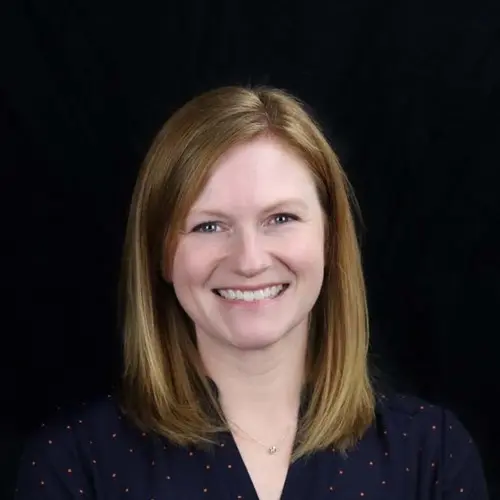
Libbie Stansifer, MD
Chief Clinical Officer
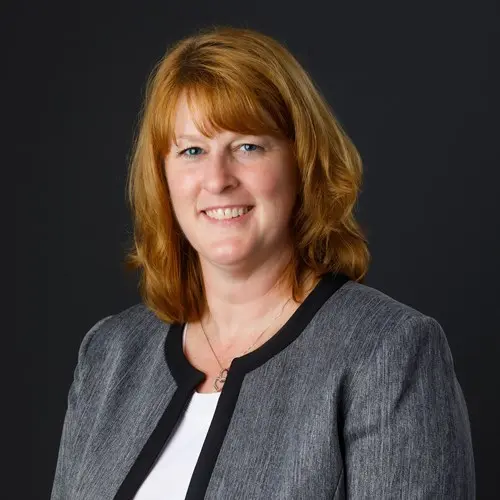
Christine Boulden, BS, NE-BC, HACP, CPHRM
Chief Nursing Officer
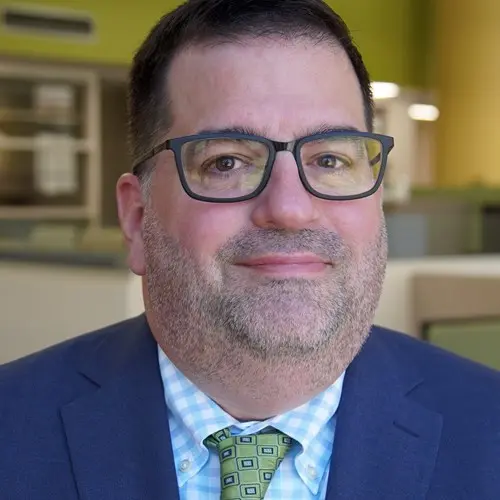
Eric Lewis
Chief Human Resources Officer

Shannon Majoras, Esq.,
Chief Administration Officer
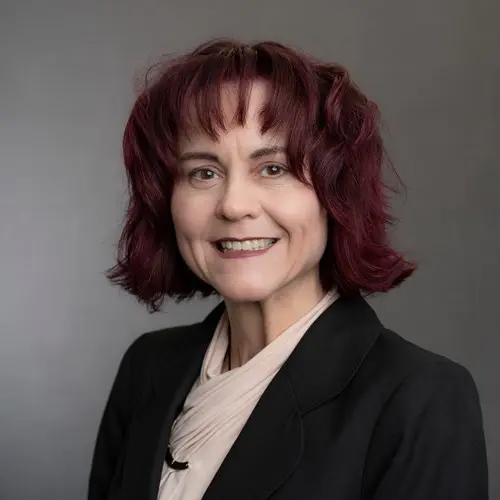
Shayna Jackson, MSSA, LISW-S
Chief Behavioral Health Officer
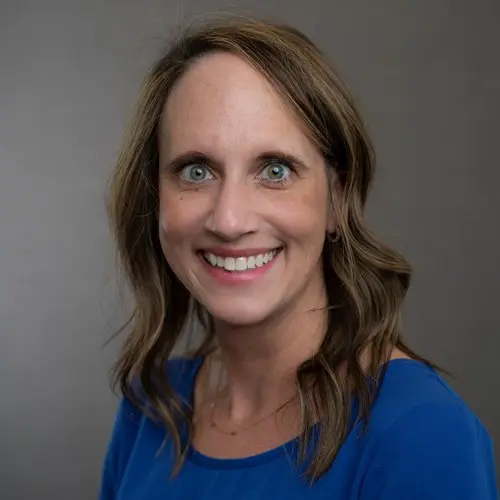
Kelley Sullivan, RPh
Chief Pharmacy Officer

Jared Lucas
Director, Information Technology
Accreditations

The Commission on Accreditation of Rehabilitation Facilities (CARF) is a non-profit organization that specifically accredits rehab organizations. Founded in 1966, CARF's, mission is to help service providers like rehab facilities maintain high standards of care.
CARF Accreditation: Yes
Rehab.com regularly reviews this listing for accuracy but changes may occur between updates. For the most up-to-date information, please contact Signature Healthcare – Lakewood.
Contact Information


14701 Detroit Ave
#620
Lakewood OH, 44107
Sponsored Helpline



