






























































































This is clearly a delayed review - I was treated in Snowden after a suicide attempt in the 90s during my teens. I remember good and bad, but the bottom line is it provided a platform and relationships to move forward in my life. I remember it as a vividly vague experience, t ...
About Snowden at Fredericksburg
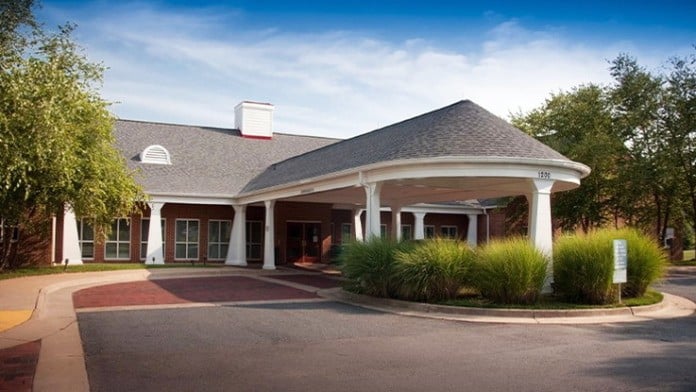
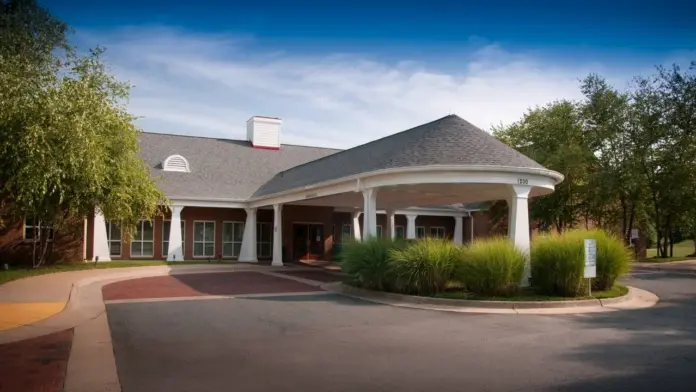
Snowden at Fredericksburg is a hospital based behavioral health facility within Mary Washington Healthcare, offering medically supervised detox, residential rehab and outpatient services for substance use disorders.
The program treats adults and adolescents struggling with alcohol, opioid and other drug addictions as well as co-occurring mental health conditions like depression and anxiety. Snowden provides a full continuum of evidence based care, from acute stabilization through intensive outpatient support, helping patients build lasting recovery skills.
Medically Supervised Detox
Snowden specializes in comprehensive inpatient addiction services, starting with medically monitored detox to safely manage withdrawal from alcohol and other substances. The residential rehab program integrates medication assisted treatment with structured therapies tailored to each patient’s needs.
Treatment includes individual counseling, group therapy and recovery focused education that emphasizes relapse prevention and coping skills development. Patients participate in daily structured groups and one on one sessions designed to address both the physical and psychological aspects of addiction with care planning that supports long term recovery.
Behavioral Health Services
Beyond inpatient care, Snowden offers partial hospitalization, intensive outpatient and outpatient programs allowing patients to step down through levels of care as they progress. The facility also provides specialized services including electroconvulsive therapy for treatment resistant depression and acute psychiatric stabilization for complex behavioral health needs.
Getting Started
Snowden at Fredericksburg serves the Fredericksburg, Virginia area with inpatient and outpatient behavioral health services at 1200 Sam Perry Boulevard. The program is part of the Mary Washington Healthcare system offering hospital based addiction and mental health treatment. Payment options and insurance acceptance can be discussed during the admissions process.
Latest Reviews
I wanted to document my own experience here. I came here before in a moment where I did not feel safe being alone and suicidal. I have dealt with severe depression for a decade and PTSD. They figured that out. Never been screened for ptsd despite already seeking mental treatment elsewhere.
This place saved my life. I had really wanted to get better for so long and I had held on for as long as I could. Nothing had truly helped. It was inpatient for 10 days, and then with the PHP program with the AMAZING ladies over there!
In my own experience the only negative was the way some of the nurses (inpatient) talked down to patients at times.
A really special shout-out to a nurse named April! (Inpatient) She went above and beyond to take care of me while I got extremely sick taking new meds. It truly was the worst I'd ever been sick and she took care of me like I was her own child. Having lost my own mother, she had no clue how much it really meant to me
I have been to snowden 8 times in one year, fair to say I know majority of the staff and security. Some of the staff dont care about their job and it'll show. For context I go to the adolescent unit. Ms. Tara, Tiffany, Jen, Debbi, Summer, and the security guard Kam (I call him milkdud, lol) are thr only people who i can VERY much tell care about the patients. They truly made my stays at snowden so much better and made me see the light at the end of the tunnel. Kam the security guard even got me to stop self harming because of his words of motivation. Dr. Alli & Becca are also the sweetest people ever, they truly care about their job. As many times as I have been go snowden, they never once gave up on me. -Ellie
Response from the owner1 week ago
Thank you for taking the time to share such a thoughtful and detailed review of your experiences. We’re grateful for your kind words about our team members, and we will be sure to share your feedback with them so they know the positive impact they have had on you.
People of the United States you need to stop watching Fox it's very obvious that they are editing information and interviews and everything it's just scary read the newspaper do not vote for Donald Trump we will all regret it the rest of our lives

Rehab Score
 Our Methodology
Scoring is assigned by a proprietary system which helps surface key metrics that determine quality. The 10-point scale factors in categories such as operations, customer satisfaction, and trust metrics. Read Full Methodology

6.7 / 10
Gallery
Accepted Insurance
Other Forms of Payment
Self-pay involves paying for treatment out of your own pocket. You can use savings or credit, get a personal loan, or receive help from family and friends to fund your treatment. If you don't have insurance or your insurance plan doesn't cover a specific program, self-pay can help ensure you still get the care you need.
Sliding scale payments are based on a client's income and family size. The goal is to make treatment affordable to everyone. By taking these factors into account, addiction recovery care providers help ensure that your treatment does not become a financial burden to you or your family, eliminating one barrier to care.
Medicaid is a state based program that helps lower-income individuals and families pay for healthcare. Medicaid covers addiction treatment so those enrolled can use their coverage to pay for rehab. When a program accepts Medicaid the client often pays very little or nothing out of their own pocket.
Medicare is a federal program that provides health insurance for those 65 and older. It also serves people under 65 with chronic and disabling health challenges. To use Medicare for addiction treatment you need to find a program that accepts Medicare and is in network with your plan. Out of pocket costs and preauthorization requirements vary, so always check with your provider.
Military members, veterans, and eligible dependents have access to specific insurance programs that help them get the care they need. TRICARE and VA insurance can help you access low cost or no cost addiction and mental health treatment. Programs that accept military insurance often have targeted treatment focused on the unique challenges military members, veterans, and their families face.
Addiction Treatments
Levels of Care
Outpatient Programs (OP) are for those seeking mental rehab or drug rehab, but who also stay at home every night. The main difference between outpatient treatment (OP) and intensive outpatient treatment (IOP) lies in the amount of hours the patient spends at the facility. Most of the time an outpatient program is designed for someone who has completed an inpatient stay and is looking to continue their growth in recovery. Outpatient is not meant to be the starting point, it is commonly referred to as aftercare.
Residential treatment programs are those that offer housing and meals in addition to substance abuse treatment. Rehab facilities that offer residential treatment allow patients to focus solely on recovery, in an environment totally separate from their lives. Some rehab centers specialize in short-term residential treatment (a few days to a week or two), while others solely provide treatment on a long-term basis (several weeks to months). Some offer both, and tailor treatment to the patient's individual requirements.
A partial hospitalization program (PHP) is a short-term form of intensive rehab, usually for those with acute symptoms that are hard to manage but don’t require 24-hour care. PHPs have structured programming (i.e. individual and/or group therapy), and usually meet 3-5 days a week for around 6 hours (i.e. 9am-3m). Some PHPs are residential (patients sleep on site) and some are not, so patients sleep at home. PHPs can last from 1-6 months, and some offer transportation and meals.
24-hour clinical care in Virginia features a highly trained team of professionals to treat your physical, mental, and emotional needs. Doctors and nurses are available to prescribe and administer medications. Psychologists and counselors provide professional counseling. Other experts such as nutritionists and addiction specialists may also offer support. This 24/7, comprehensive care is designed to give you the support you need to begin a successful recovery.
Treatments
The goal of treatment for alcoholism is abstinence. Those with poor social support, poor motivation, or psychiatric disorders tend to relapse within a few years of treatment. For these people, success is measured by longer periods of abstinence, reduced use of alcohol, better health, and improved social functioning. Recovery and Maintenance are usually based on 12 step programs and AA meetings.
When you enroll in drug rehab in Virginia, a treatment plan is designed by professional staff in order to help you overcome drug addiction and modify addictive behaviors. This may include evidence-based treatments, group and individual therapy, and relapse prevention.
Many of those suffering from addiction also suffer from mental or emotional illnesses like schizophrenia, bipolar disorder, depression, or anxiety disorders. Rehab and other substance abuse facilities treating those with a dual diagnosis or co-occurring disorder administer psychiatric treatment to address the person's mental health issue in addition to drug and alcohol rehabilitation.
A combined mental health and substance abuse rehab has the staff and resources available to handle individuals with both mental health and substance abuse issues. It can be challenging to determine where a specific symptom stems from (a mental health issue or an issue related to substance abuse), so mental health and substance abuse professionals are helpful in detangling symptoms and keeping treatment on track.
Opioid rehabs specialize in supporting those recovering from opioid addiction. They treat those suffering from addiction to illegal opioids like heroin, as well as prescription drugs like oxycodone. These centers typically combine both physical as well as mental and emotional support to help stop addiction. Physical support often includes medical detox and subsequent medical support (including medication), and mental support includes in-depth therapy to address the underlying causes of addiction.
Clinical Services
Cognitive Behavioral Therapy (CBT) is a therapy modality that focuses on the relationship between one's thoughts, feelings, and behaviors. It is used to establish and allow for healthy responses to thoughts and feelings (instead of unhealthy responses, like using drugs or alcohol). CBT has been proven effective for recovering addicts of all kinds, and is used to strengthen a patient's own self-awareness and ability to self-regulate. CBT allows individuals to monitor their own emotional state, become more adept at communicating with others, and manage stress without needing to engage in substance abuse.
Whether a marriage or other committed relationship, an intimate partnership is one of the most important aspects of a person's life. Drug and alcohol addiction affects both members of a couple in deep and meaningful ways, as does rehab and recovery. Couples therapy and other couples-focused treatment programs are significant parts of exploring triggers of addiction, as well as learning how to build healthy patterns to support ongoing sobriety.
Experiential therapy is a form of therapy in which clients are encouraged to surface and work through subconscious issues by engaging in real-time experiences. Experiential therapy departs from traditional talk therapy by involving the body, and having clients engage in activities, movements, and physical and emotional expression. This can involve role-play or using props (which can include other people). Experiential therapy can help people process trauma, memories, and emotion quickly, deeply, and in a lasting fashion, leading to substantial and impactful healing.
Research clearly demonstrates that recovery is far more successful and sustainable when loved ones like family members participate in rehab and substance abuse treatment. Genetic factors may be at play when it comes to drug and alcohol addiction, as well as mental health issues. Family dynamics often play a critical role in addiction triggers, and if properly educated, family members can be a strong source of support when it comes to rehabilitation.
Group therapy is any therapeutic work that happens in a group (not one-on-one). There are a number of different group therapy modalities, including support groups, experiential therapy, psycho-education, and more. Group therapy involves treatment as well as processing interaction between group members.
In individual therapy, a patient meets one-on-one with a trained psychologist or counselor. Therapy is a pivotal part of effective substance abuse treatment, as it often covers root causes of addiction, including challenges faced by the patient in their social, family, and work/school life.
Motivational Interviewing (MI) is a clinical approach to helping people with substance abuse issues and other conditions shift behavior in positive ways. It is more goal-oriented than traditional psychotherapy, as MI counselors directly attempt to get clients to consider making behavioral change (rather than wait for them to come to conclusions themselves). Its primary purpose is to resolve ambivalence and help clients become able to make healthy choices freely.
Recreational therapy (aka therapeutic recreation) uses creative and fun activities to help with addiction recovery. Recreational therapists lead patients in entertaining and engaging activities like sports or games; art (drawing, painting, sculpture); drama, music, and dance; and/or community outings (field trips) to improve patients' physical, social, and emotional well-being.
Amenities
-
 Private Setting
 -
 Private Transportation
Staff & Accreditations
Staff
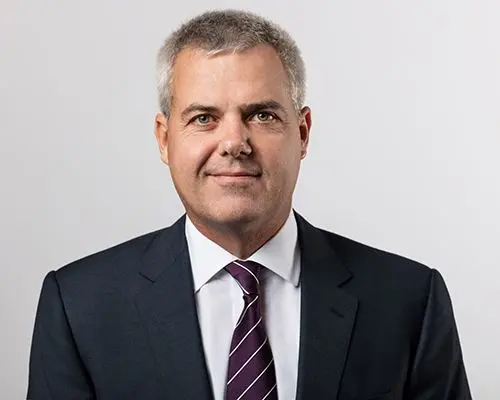
Mike McDermott, MD, MBA
President & Chief Executive Officer
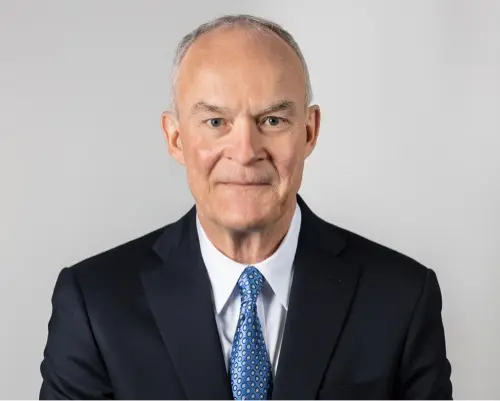
Sean Barden
Executive Vice President & Chief Financial Officer
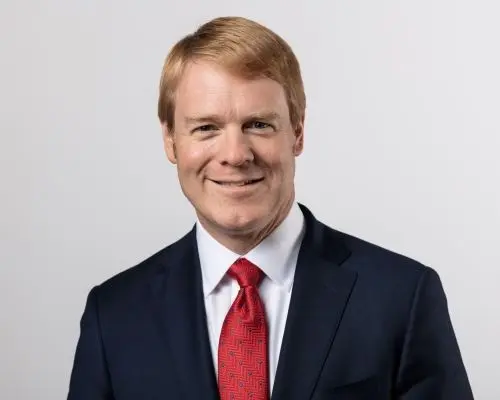
Christopher Newman
Executive Vice President, Chief Operating Officer & Chief Medical Officer
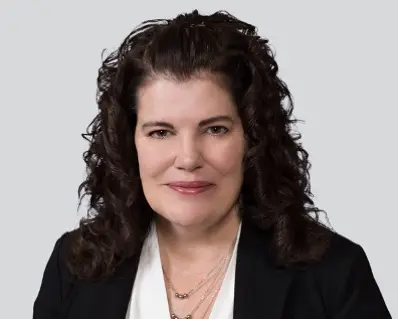
Joanne Huber-Sturans
Senior Vice President & Chief Human Resources Officer
Accreditations

State Licenses are permits issued by government agencies that allow rehab organizations to conduct business legally within a certain geographical area. Typically, the kind of program a rehab facility offers, along with its physical location, determines which licenses are required to operate legally.
State License: Virginia
License Number: 004

The Joint Commission, formerly known as JCAHO, is a nonprofit organization that accredits rehab organizations and programs. Founded in 1951, the Joint Commision's mission is to improve the quality of patient care and demonstrating the quality of patient care.
Joint Commission Accreditation: Yes
Accreditation Number: 6340
Rehab.com regularly reviews this listing for accuracy but changes may occur between updates. For the most up-to-date information, please contact Snowden at Fredericksburg.
Contact Information

1200 Sam Perry Boulevard
Fredericksburg, VA 22401
Get Help Now - 703-214-2471
Sponsored Helpline
Sponsored Helpline


