





























































































Unresponsive staff, unanswered calls from treating psychiatrist and social worker. No family support or discharge support. Minimal help for my family member who was admitted here. I have requested calls to speak to administrators several times with no response. Admitting a ...
About SSM Health St. Joseph Hospital – Wentzville
SSM Health St. Joseph Hospital Wentzville is a hospital-based addiction treatment provider in Wentzville, Missouri, offering medically monitored, individualized outpatient care for adults.
The program includes an adult intensive outpatient program, outpatient group therapy and medication assisted treatment, all delivered through SSM Health Treatment and Recovery services.
As part of a larger health system, it connects clients to broader behavioral health care for co-occurring needs.
Addiction Treatment with Naltrexone
The Wentzville location provides addiction treatment, an adult intensive outpatient program (IOP) and outpatient group therapy.
Care is medically monitored with physician oversight and masters-level clinicians, and may include medication assisted treatment using buprenorphine and naltrexone.
Therapeutic approaches include CBT, motivational interviewing, relapse prevention, trauma focused counseling and family support.
The substance use disorder program serves adults age 18 and older struggling with alcohol or drug misuse, including opiate-related concerns.
It also supports adults with co-occurring mental health and substance use disorders.
Location and Insurance Details
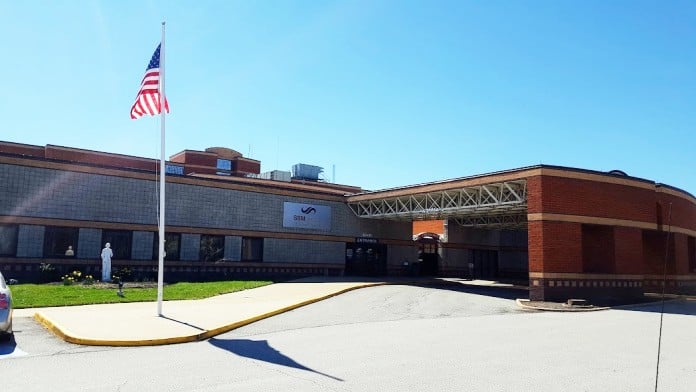
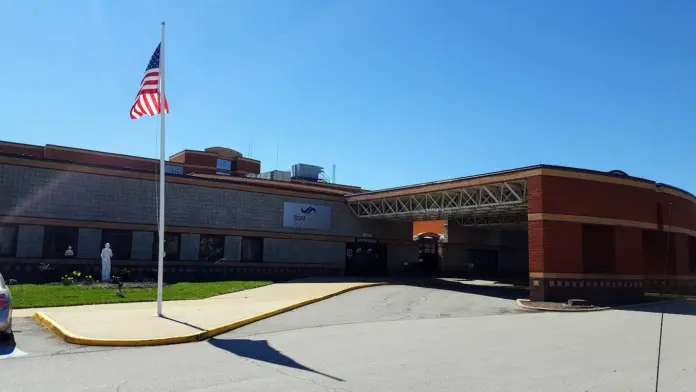
The addiction program sits in a medical office building on the hospital campus on Medical Drive, in Wentzville.
It primarily serves residents of western St. Charles, Warren, Lincoln and Montgomery counties, with weekday hours and some evening availability.
Sign language services are available for hearing-impaired individuals.
The program accepts many major plans, including Aetna, Anthem Blue Cross and Blue Shield, Cigna, Humana Medicare Advantage, Optum, UnitedHealthcare and more.
Private insurance and self-pay are accepted, and Medicare, military insurance, sliding scale options and financial assistance may be available for eligible individuals.
Facility Overview
 77
77 Number of Available Beds
Latest Reviews
I can’t say enough about our visit today with our nephew. Our nurse, Sam, in the ER was an absolute Godsend. She is exactly who we needed today; her wisdom was spoken, heard and relevant. She was an angel in scrubs, and I hope you guys realize what a gem you have.
Response from the owner1 week ago
Thank you for your kind comments. We are so pleased that you have chosen SSM Health for your care! Please note, this response is from SSM Health on behalf of the individual provider.
I went to SSM for an accidental overdose for 2 weeks on my ADHD stimulants. The following day my symptoms worsened and I called SSM and they informed me that they did not have a Psychiatrist on staff and I was therefore sent to BJC in Wentzville. Thank God!! Everything about this hospital far exceeded my expectations!! When I got there, I was the only person waiting to be seen! The gentleman at the front desk was so kind and even though he was just trying to get a little basic info., he let me rattle on all my symptoms without interrupting me. After a long period of excessive talking, he gently told me that I could talk about all of this with the Psychiatrist, which put me at ease! I was walked back to a private room which has never happened to me and I have been to many hospitals. I didn’t have to go through triage and my vitals were taken in my room by a super caring lady! The security guard came in and he could not have been any nicer!! He told me everything to expect and went through my bags and sent everything out to the car with my husband except my coat and shoes. He indicated that I could not have my med. Box with me which did scare me because historically I have not been given my meds. Until after seeing the doctor and the pharmacist. He could tell I was nervous and requested that the nurse update me on this procedure. She immediately came in and told me that she had my medication list and I would receive all of my meds. On-time. The doctor came to see me within 30 min. And was the nicest and most informative doctor that I have ever had and spent 30 min. With me giving me all the medical recommendations he had as I also had a severe viral infection causing sores all over my mouth, severe body aches, bruises all over my body, including under my eye. I told him what the 1st hospital had recommended I do, and he informed to stop all of it and that it would only irritate my infection, especially all the over-the-counter items I was using. He spoke with the Psychiatrist and came back to see me again after getting the Psychiatrists course of action, and spent another 30 min. With me extensively answering all of my questions. This was rare because I had a lot and at most hospitals you are lucky to get 10-15 questions with the doctor. The nurse was also very helpful getting me an extra pillow and 4 cups of ice chips because it was was the only thing easing the pain in my mouth. I was quickly discharged feeling like my husband, who stayed with me the whole time, and I could manage my treatment plan!! The best hospital I have ever been to and will never go anywhere else, as well as referring anyone I know with a medical or mental health crisis!!!
Response from the owner1 week ago
Thank you for your kind comments. We are so pleased that you have chosen SSM Health for your care! Please note, this response is from SSM Health on behalf of the individual provider.
I have been going here for 4 years, the doctor in the outpatient office is amazing!! The outpatient therapist all of them are also amazing. The staff does their best to help the people that are willing to take the help. They have not only help me with my PTSD, but they’ve helped my youngest son when he needed it most. I will forever be grateful for the staff and support they give so willingly.
Thank you all for helping my family
Sincerely,
Kelli Ransford
Response from the owner1 week ago
Thank you for your kind comments. We are so pleased that you have chosen SSM Health for your care! Please note, this response is from SSM Health on behalf of the individual provider. 
Rehab Score
 Our Methodology
Scoring is assigned by a proprietary system which helps surface key metrics that determine quality. The 10-point scale factors in categories such as operations, customer satisfaction, and trust metrics. Read Full Methodology

6.5 / 10
Gallery
Accepted Insurance

Medica
Other Forms of Payment
Private insurance refers to any kind of healthcare coverage that isn't from the state or federal government. This includes individual and family plans offered by an employer or purchased from the Insurance Marketplace. Every plan will have different requirements and out of pocket costs so be sure to get the full details before you start treatment.
Self-pay involves paying for treatment out of your own pocket. You can use savings or credit, get a personal loan, or receive help from family and friends to fund your treatment. If you don't have insurance or your insurance plan doesn't cover a specific program, self-pay can help ensure you still get the care you need.
Financial aid can take many forms. Centers may have grants or scholarships available to clients who meet eligibility requirements. Programs that receive SAMHSA grants may have financial aid available for those who need treatment as well. Grants and scholarships can help you pai for treatment without having to repay.
Sliding scale payments are based on a client's income and family size. The goal is to make treatment affordable to everyone. By taking these factors into account, addiction recovery care providers help ensure that your treatment does not become a financial burden to you or your family, eliminating one barrier to care.
Medicare is a federal program that provides health insurance for those 65 and older. It also serves people under 65 with chronic and disabling health challenges. To use Medicare for addiction treatment you need to find a program that accepts Medicare and is in network with your plan. Out of pocket costs and preauthorization requirements vary, so always check with your provider.
Military members, veterans, and eligible dependents have access to specific insurance programs that help them get the care they need. TRICARE and VA insurance can help you access low cost or no cost addiction and mental health treatment. Programs that accept military insurance often have targeted treatment focused on the unique challenges military members, veterans, and their families face.
Medicaid is a state based program that helps lower-income individuals and families pay for healthcare. Medicaid covers addiction treatment so those enrolled can use their coverage to pay for rehab. When a program accepts Medicaid the client often pays very little or nothing out of their own pocket.
Addiction Treatments
Levels of Care
The Youth and Family Intensive Outpatient Services is for families and teens ages 11 to 17, who are experiencing signs and symptoms of depression, anxiety and/or other mood disorders. This 4-5 week intensive outpatient program is designed specifically for teens who have significant changes in mood, behavior or personality that lasts more than a few weeks. The program is designed to treat the family as well as their youth, prevent hospitalization and ensure a smooth transition back into everyday life.
Inpatient rehabs provide a safe, supportive environment for clients to focus on their recovery secure from outside distractions, stressors, and triggers. Clients receive housing, meals, and intensive clinical supervision. They also engage in extensive addiction counseling, often including group and family therapy. Many programs prioritize recovery-focused life skills training to support clients' reintegration into their home, workplace, school, and community. Evidence-based holistic therapies, such as yoga, acupuncture, meditation, hypnotherapy, or animal therapy, may also be provided.
Intensive outpatient programs provide an intermediate level of care, often supporting clients' transition from inpatient rehab to outpatient treatment. Most IOP programs require a minimum of nine therapeutic hours weekly, but clients may receive up to 20 hours of care, with the intensity and frequency of care declining as clients grow stronger in their sobriety. Intensive outpatient treatment generally combines addiction counseling, recovery education, holistic therapies, and, for some, medication assisted treatment (MAT).
Rehab aftercare programs offer continuing care for clients in the maintenance phase of recovery and are designed to evolve over time. Outpatient treatment is generally categorized as drug rehab aftercare, but many clients continue to receive services after being discharged from formal care. These services are customized to clients' unique recovery goals, but typically include medical, mental health, and social services. Clients' case manager and recovery team play a key role in developing the client's care plan.
Intervention services helps family or friends of addicts stage an intervention, which is a meeting in which loved ones share their concerns and attempt to get an addict into treatment. Professional intervention specialists can help loved ones organize, gather, and communicate with an addict. They can guide intervention participants in describing the damage the addict's behavior is causing and that outside help is necessary to address the addiction. The ideal outcome of an intervention is for the addict to go to rehab and get the help they need.
At certain points in the recovery process, it's important to have support available 24/7. 24-hour clinical care offers a safe environment in which to recover from drug or alcohol addiction in peace, knowing medical detox and other treatment will happen with professionals on hand.
SSM Health Stabilization Service is a hospital service that provides adults 18 and older with medical management of withdrawal symptoms from alcohol and opiates. It develops individualized treatments for each patient’s complex stabilization needs, and also works with patients to identify and develop those resources necessary to bring about a new beginning.
Treatments
The goal of treatment for alcoholism is abstinence. Those with poor social support, poor motivation, or psychiatric disorders tend to relapse within a few years of treatment. For these people, success is measured by longer periods of abstinence, reduced use of alcohol, better health, and improved social functioning. Recovery and Maintenance are usually based on 12 step programs and AA meetings.
Drug rehab in Missouri usually involves several phases: detox, rehab, and aftercare. The rehab phase may include a combination of inpatient and outpatient treatments, as the individual moves through a continuum of care on their recovery journey.
Many of those suffering from addiction also suffer from mental or emotional illnesses like schizophrenia, bipolar disorder, depression, or anxiety disorders. Rehab and other substance abuse facilities treating those with a dual diagnosis or co-occurring disorder administer psychiatric treatment to address the person's mental health issue in addition to drug and alcohol rehabilitation.
A combined mental health and substance abuse rehab has the staff and resources available to handle individuals with both mental health and substance abuse issues. It can be challenging to determine where a specific symptom stems from (a mental health issue or an issue related to substance abuse), so mental health and substance abuse professionals are helpful in detangling symptoms and keeping treatment on track.
Opioid rehabs specialize in supporting those recovering from opioid addiction. They treat those suffering from addiction to illegal opioids like heroin, as well as prescription drugs like oxycodone. These centers typically combine both physical as well as mental and emotional support to help stop addiction. Physical support often includes medical detox and subsequent medical support (including medication), and mental support includes in-depth therapy to address the underlying causes of addiction.
Programs
Adult rehab programs include therapies tailored to each client's specific needs, goals, and recovery progress. They are tailored to the specific challenges adult clients may face, including family and work pressures and commitments. From inpatient and residential treatment to various levels of outpatient services, there are many options available. Some facilities also help adults work through co-occurring conditions, like anxiety, that can accompany addiction.
Young adulthood can be an exciting, yet difficult, time of transition. Individuals in their late teens to mid-20s face unique stressors related to school, jobs, families, and social circles, which can lead to a rise in substance use. Rehab centers with dedicated young adult programs will include activities and amenities that cater to this age group, with an emphasis on specialized counseling, peer socialization, and ongoing aftercare.
Recovery is most successful when clients feel accepted and validated by their peers and treatment providers. Facilities that offer LGBTQ-inclusive programming are committed to creating a safe space where everyone can grow and recover without fear of judgment or discrimination. They will have dedicated policies in place to create a safe and supportive environment that fosters free expression.
Serving in the military is both mentally and physically challenging, and can result in trauma that persists even after combat ends. Military programs are tailored to the specific and often complex needs of active duty personnel, veterans, and military families. Clients often access these programs through the U.S. Department of Veterans Affairs (VA).
Clinical Services
Cognitive Behavioral Therapy (CBT) is a therapy modality that focuses on the relationship between one's thoughts, feelings, and behaviors. It is used to establish and allow for healthy responses to thoughts and feelings (instead of unhealthy responses, like using drugs or alcohol). CBT has been proven effective for recovering addicts of all kinds, and is used to strengthen a patient's own self-awareness and ability to self-regulate. CBT allows individuals to monitor their own emotional state, become more adept at communicating with others, and manage stress without needing to engage in substance abuse.
Group therapy is any therapeutic work that happens in a group (not one-on-one). There are a number of different group therapy modalities, including support groups, experiential therapy, psycho-education, and more. Group therapy involves treatment as well as processing interaction between group members.
In individual therapy, a patient meets one-on-one with a trained psychologist or counselor. Therapy is a pivotal part of effective substance abuse treatment, as it often covers root causes of addiction, including challenges faced by the patient in their social, family, and work/school life.
Motivational interviewing is a short term method often used during drug rehab in Missouri. It typically lasts one or two sessions, with the goal of facilitating conversation about change. The client should leave the sessions feeling more decisive and secure in their ability to make the changes they desire in their life.
Within a trauma therapy environment, you have a structured approach to healing from past traumatic events that you witnessed or experienced. You are guided to understand your response and then develop healthier coping skills and mechanisms that Foster greater empowerment and recovery.
Research clearly demonstrates that recovery is far more successful and sustainable when loved ones like family members participate in rehab and substance abuse treatment. Genetic factors may be at play when it comes to drug and alcohol addiction, as well as mental health issues. Family dynamics often play a critical role in addiction triggers, and if properly educated, family members can be a strong source of support when it comes to rehabilitation.
Life skills trainings involve all the skills a person must have in order to function successfully in the world. These include time management, career guidance, money management, and effective communication. Truly successful addiction recovery is based on the ability to not only live substance-free, but to thrive. Life skills teaches the practical necessities of functioning in society, which sets clients up for success in life, and therefore sobriety.
Nutrition therapy, aka medical nutrition therapy (MNT), is a way of treating physical, emotional, and medical conditions through diet. Specific dietary plans are designed by professional nutritionists or registered dietitians, and patients follow them in order to positively affect their physical and mental health.
Amenities
-
 Residential Setting
 -
 Private Setting
Staff & Accreditations
Staff
Laura S. Kaiser, FACHE
President & CEO
Joan Bachleitner, JD
CSO
Stephanie Duggan, MD
CCO
Steve Smoot, FACHE
COO
Amy Wilson, DNP, RN, CPHQ
CNE
Accreditations

The Joint Commission, formerly known as JCAHO, is a nonprofit organization that accredits rehab organizations and programs. Founded in 1951, the Joint Commision's mission is to improve the quality of patient care and demonstrating the quality of patient care.
Joint Commission Accreditation: Yes
Rehab.com regularly reviews this listing for accuracy but changes may occur between updates. For the most up-to-date information, please contact SSM Health St. Joseph Hospital – Wentzville.
Contact Information

500 Medical Drive
Wentzville, MO 63385
Get Help Now - 636-206-4296
Sponsored Helpline
Sponsored Helpline


