Thanks to the word of God and Him leading me to this beautiful place, my life is different! I am so grateful to God and to the staff that represents him on earth! Thank you for all the support and help!
About Central Oregon Campus of Adult and Teen Challenge
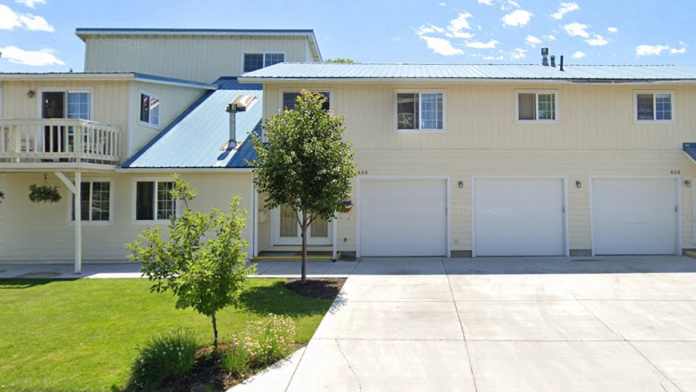
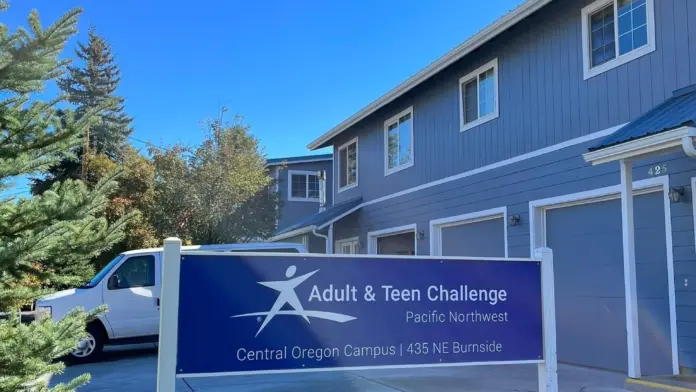
Popular for its vast range of outdoor activities, Bend, Oregon is also home to Central Oregon Campus of Adult and Teen Challenge. Since their first center in 1960, this recovery organization has provided faith based addiction care for adults and adolescents. This gender specific location welcomes men aged 18 and older to find healing and growth.
Their 12 month residential discipleship program offers a Bible based treatment approach blended with vocational training. With residential care, you can live on campus and receive ongoing support and encouragement. They strive to help you reach recovery by developing and nurturing a relationship with Jesus Christ. They require you to complete detox before admission.
Long Term Care for Lasting Recovery
What stands out most to me is their program length. Addiction experts recommend remaining in treatment for at least 90 days to promote the best outcomes. While 12 months is a big commitment, you’ll benefit from plenty of time to adapt to sober life and grow spiritually. You can progress through treatment at a pace that works for you. You’ll also have time to reinforce the skills you learn in treatment.
Dedication to Accessible Care
Another great thing about them is their commitment to serving everyone, regardless of finances. Their organization is funded through donations but they require a $500 intake fee upon admission. Still, they’re dedicated to helping anyone they can even if you can’t afford treatment.
Promoting Wellness With Prevention Services
I also think their Decide2Impact Prevention Program is fantastic. You and your loved ones can participate in interactive presentations and panel discussions about different prevention topics. They cover the effects of vaping, the impacts of underage drinking and substance abuse, and the significance of making healthy choices.

Latest Reviews
Rehab Score
Gallery
Other Forms of Payment
Private insurance refers to any kind of healthcare coverage that isn't from the state or federal government. This includes individual and family plans offered by an employer or purchased from the Insurance Marketplace. Every plan will have different requirements and out of pocket costs so be sure to get the full details before you start treatment.
Self-pay involves paying for treatment out of your own pocket. You can use savings or credit, get a personal loan, or receive help from family and friends to fund your treatment. If you don't have insurance or your insurance plan doesn't cover a specific program, self-pay can help ensure you still get the care you need.
Addiction Treatments
Levels of Care
Residential treatment programs are those that offer housing and meals in addition to substance abuse treatment. Rehab facilities that offer residential treatment allow patients to focus solely on recovery, in an environment totally separate from their lives. Some rehab centers specialize in short-term residential treatment (a few days to a week or two), while others solely provide treatment on a long-term basis (several weeks to months). Some offer both, and tailor treatment to the patient's individual requirements.
Rehab aftercare programs are generally predicated on the understanding that addiction disease is chronic and relapsing and the recovery is a life-long process requiring ongoing care. Clients in drug rehab aftercare have typically completed inpatient detox and/or rehab but may still be receiving outpatient treatment. Their unique care plan is usually developed in collaboration with their care team and case manager and may include peer coaching, career counseling, 12 step program facilitation, and related services.
12-step programs are addiction recovery models based on Alcoholics Anonymous (AA). A number of substance abuse programs (including some drug and alcohol rehab centers) use the 12 steps as a basis for treatment. Beginning steps involve admitting powerlessness over the addiction and creating a spiritual basis for recovery. Middle steps including making direct amends to those who've been hurt by the addiction, and the final step is to assist others in addiction recovery in the same way. 12-Step offshoots including Narcotics Anonymous (NA), Cocaine Anonymous (CA), Dual Recovery Anonymous (DRA), Sex and Love Addicts Anonymous (SLAA) and Gamblers Anonymous (GA).

Medical detox is the process of weaning your body off drugs and/or alcohol under 24/7 medical supervision. Suddenly stopping use of addictive substances can have negative side effects, and in severe cases, it can be extremely dangerous or deadly. In an inpatient environment, a medically assisted detox provides you with a team of medical professionals whose job is to help alleviate potential withdrawal symptoms and keep you safe and comfortable. After this process, you'll likely transition to an inpatient treatment program or other form of continued care.
Treatments
The goal of treatment for alcoholism is abstinence. Those with poor social support, poor motivation, or psychiatric disorders tend to relapse within a few years of treatment. For these people, success is measured by longer periods of abstinence, reduced use of alcohol, better health, and improved social functioning. Recovery and Maintenance are usually based on 12 step programs and AA meetings.
Drug rehab in Oregon offers a full continuum of care for those struggling with addiction. From detox, to inpatient, to outpatient, to aftercare, Oregon residents can find the support they need for recovery. This treatment empowers individuals to replace drug use with positive alternatives and develop a healthier lifestyle.
Many of those suffering from addiction also suffer from mental or emotional illnesses like schizophrenia, bipolar disorder, depression, or anxiety disorders. Rehab and other substance abuse facilities treating those with a dual diagnosis or co-occurring disorder administer psychiatric treatment to address the person's mental health issue in addition to drug and alcohol rehabilitation.
A combined mental health and substance abuse rehab has the staff and resources available to handle individuals with both mental health and substance abuse issues. It can be challenging to determine where a specific symptom stems from (a mental health issue or an issue related to substance abuse), so mental health and substance abuse professionals are helpful in detangling symptoms and keeping treatment on track.

Opioid rehabs specialize in supporting those recovering from opioid addiction. They treat those suffering from addiction to illegal opioids like heroin, as well as prescription drugs like oxycodone. These centers typically combine both physical as well as mental and emotional support to help stop addiction. Physical support often includes medical detox and subsequent medical support (including medication), and mental support includes in-depth therapy to address the underlying causes of addiction.
Programs
Adult rehab programs include therapies tailored to each client's specific needs, goals, and recovery progress. They are tailored to the specific challenges adult clients may face, including family and work pressures and commitments. From inpatient and residential treatment to various levels of outpatient services, there are many options available. Some facilities also help adults work through co-occurring conditions, like anxiety, that can accompany addiction.
Young adulthood can be an exciting, yet difficult, time of transition. Individuals in their late teens to mid-20s face unique stressors related to school, jobs, families, and social circles, which can lead to a rise in substance use. Rehab centers with dedicated young adult programs will include activities and amenities that cater to this age group, with an emphasis on specialized counseling, peer socialization, and ongoing aftercare.
Recovery is most successful when clients feel accepted and validated by their peers and treatment providers. Facilities that offer LGBTQ-inclusive programming are committed to creating a safe space where everyone can grow and recover without fear of judgment or discrimination. They will have dedicated policies in place to create a safe and supportive environment that fosters free expression.

Clinical Services
Group therapy is any therapeutic work that happens in a group (not one-on-one). There are a number of different group therapy modalities, including support groups, experiential therapy, psycho-education, and more. Group therapy involves treatment as well as processing interaction between group members.
In individual therapy, a patient meets one-on-one with a trained psychologist or counselor. Therapy is a pivotal part of effective substance abuse treatment, as it often covers root causes of addiction, including challenges faced by the patient in their social, family, and work/school life.
Life skills trainings involve all the skills a person must have in order to function successfully in the world. These include time management, career guidance, money management, and effective communication. Truly successful addiction recovery is based on the ability to not only live substance-free, but to thrive. Life skills teaches the practical necessities of functioning in society, which sets clients up for success in life, and therefore sobriety.
Amenities
-
Residential Setting
Contact Information
435 NE Burnside Avenue
Bend, OR 97701