






























































































One day at a time everything is possible. This program is so useful in life and during the recovery process, everyone that has followed it can't deny it. I'm glad that I found a place like this.
About IOP PHP & Addiction Treatment Center at The Brook Retreat
The Brook Retreat is an outpatient addiction treatment center in Plympton, Massachusetts. The program supports clients through multiple stages of recovery with detox placement assistance and sober living support.
The Brook Retreat blends evidence based clinical care with a holistic whole client approach to long term wellness.
Addiction Treatment With Wellness Programs
For many clients care begins with an assessment and possibly a referral to medically assisted detox before stepping into structured outpatient programming.
Clients may enter partial hospitalization, intensive outpatient, or a flexible evening IOP designed for those balancing work, school, or family responsibilities.
Programs include counseling and psychiatric services with medication management and skills training rooted in CBT and DBT, motivational interviewing, and trauma focused care.
Family therapy and 12 step support, MAT, and wellness programming round out a continuum that emphasizes relapse prevention and dual diagnosis treatment.
Quick Facts About The Brook Retreat
- Levels of care: PHP, IOP, evening IOP, outpatient, aftercare, detox placement, and sober living support.
- Who they treat: Adult and young adult men and women with substance use and co-occurring mental health conditions.
- Approach: Evidence based therapies, MAT, 12 step methodology, and holistic wellness care.
- Payment options: In-network with most major insurance plans, with self pay available and insurance verification support.
- Amenities: Yoga studio, meditation and mindfulness practices, and wellness focused programming.
- Accreditation: Joint Commission accredited and LegitScript certified.
Latest Reviews
The best transition program. They focus on the whole person—mind, body, and spirit.
Response from the owner1 week ago
Sam, your experience highlights what makes our approach different. This alcoholism treatment program is designed to support the whole person, not just sobriety. Focusing on mind, body, and spirit helps create stability during transition and long-term recovery. We’re honored to be part of that important chapter in your journey.
Moving from detox into the real world is terrifying, but the staff at Brook Retreat made it seamless. I loved the holistic approach; combining traditional counseling with yoga and meditation helped me heal parts of myself I had ignored for years. I feel truly balanced now.
Response from the owner1 week ago
Amber, your journey reflects exactly what we hope to provide at our Alcoholism treatment program. Combining counseling with holistic therapies like yoga and meditation is designed to heal both mind and body. We’re honored to have supported you in finding balance and confidence as you stepped back into the real world.
I found a level of peace here that I didn't think was possible. The mindfulness practices gave me the tools to handle my cravings and anxiety without spiraling.
Response from the owner1 week ago
Mitchell, it’s inspiring to hear how our Alcoholism treatment program helped you discover peace and coping tools for cravings and anxiety. Mindfulness is a cornerstone of lasting recovery, and knowing it made a meaningful difference in your journey reminds us why holistic, client-centered care is so vital. 
Rehab Score
 Our Methodology
Scoring is assigned by a proprietary system which helps surface key metrics that determine quality. The 10-point scale factors in categories such as operations, customer satisfaction, and trust metrics. Read Full Methodology

7.7 / 10
Gallery

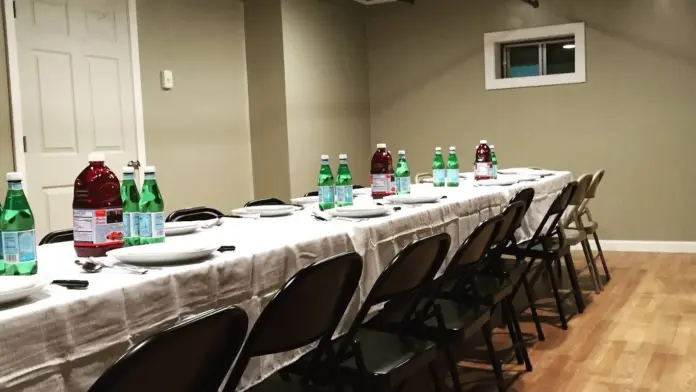

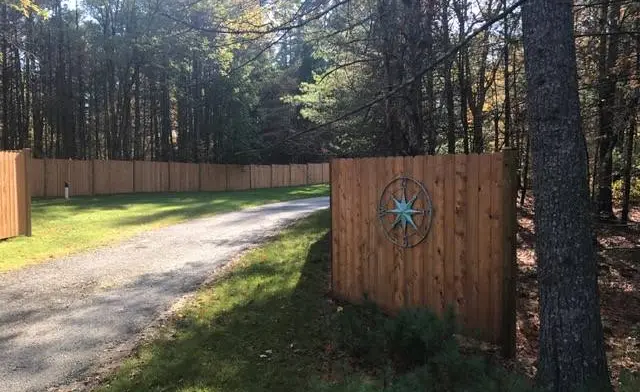
Other Forms of Payment
Self-pay involves paying for treatment out of your own pocket. You can use savings or credit, get a personal loan, or receive help from family and friends to fund your treatment. If you don't have insurance or your insurance plan doesn't cover a specific program, self-pay can help ensure you still get the care you need.
Addiction Treatments
Levels of Care
Outpatient programs are designed for clients who are medically stable and not at an elevated risk of relapse, including those who have already completed inpatient care. Outpatient programs typically advance clients' established treatment plans, offering continuing addiction counseling and recovery education. Clients who enter outpatient care immediately following detox may also receive medical and mental health assessments and personalized treatment plans. Most outpatient rehabs provide multiple levels of care to align with clients' unique needs.
Residential treatment programs are those that offer housing and meals in addition to substance abuse treatment. Rehab facilities that offer residential treatment allow patients to focus solely on recovery, in an environment totally separate from their lives. Some rehab centers specialize in short-term residential treatment (a few days to a week or two), while others solely provide treatment on a long-term basis (several weeks to months). Some offer both, and tailor treatment to the patient's individual requirements.
Intensive outpatient programs (IOP) facilitate clients' sustained sobriety through high-level care aligned with their evolving needs. Clients engage in multiple treatment sessions per week, typically receiving between nine and 20 hours of outpatient care weekly. The frequency and intensity of treatment gradually decreases as clients stabilize. Many intensive outpatient rehabs offer a variety of services, including addiction counseling, recovery-focused life skills training, and medication assisted treatment (MAT). Evidence-based complementary therapies are also common.
Rehab aftercare programs offer customized, wraparound support for clients in the maintenance phase of recovery. Many clients enroll in drug rehab immediately after completing intensive inpatient or residential care. Services encompass outpatient treatment but often extend long beyond the completion of a formal recovery program and typically include a variety of medical, mental health, and social service programs. Peer coaching, relapse prevention, 12 step program induction, and related services are commonly available.
12-step programs are addiction recovery models based on Alcoholics Anonymous (AA). A number of substance abuse programs (including some drug and alcohol rehab centers) use the 12 steps as a basis for treatment. Beginning steps involve admitting powerlessness over the addiction and creating a spiritual basis for recovery. Middle steps including making direct amends to those who've been hurt by the addiction, and the final step is to assist others in addiction recovery in the same way. 12-Step offshoots including Narcotics Anonymous (NA), Cocaine Anonymous (CA), Dual Recovery Anonymous (DRA), Sex and Love Addicts Anonymous (SLAA) and Gamblers Anonymous (GA).
A partial hospitalization program (PHP), also known as day treatment, allows you to receive rehab-level care while living at home. PHP treatment requires a minimum of 20 hours of treatment each week for an average of 90 days. PHP treatment plans can vary depending on your needs but typically includes relapse prevention, medication management, and evidence-based therapies, such as cognitive-behavioral therapy (CBT), and dialectical behavior therapy (DBT). Most insurance providers fully or partially cover PHP treatment.
Medically supervised detox is the process of removing addictive substances from your body and managing the withdrawal symptoms in a medically supervised environment. Typically, this is the first step in the recovery process and lasts an average of 5-7 days, though the length can vary depending on your individual needs. Once your system is cleared of alcohol and drugs, you'll likely transition to an inpatient treatment program for the next phase of your recovery.
Treatments
The goal of treatment for alcoholism is abstinence. Those with poor social support, poor motivation, or psychiatric disorders tend to relapse within a few years of treatment. For these people, success is measured by longer periods of abstinence, reduced use of alcohol, better health, and improved social functioning. Recovery and Maintenance are usually based on 12 step programs and AA meetings.
Addiction is a highly complex problem, and drug rehab in Massachusetts is often necessary to address it. These programs treat physical, mental, and relational issues that are involved. Treatment empowers individuals to manage these issues without the use of drugs.
Opioid rehabs specialize in supporting those recovering from opioid addiction. They treat those suffering from addiction to illegal opioids like heroin, as well as prescription drugs like oxycodone. These centers typically combine both physical as well as mental and emotional support to help stop addiction. Physical support often includes medical detox and subsequent medical support (including medication), and mental support includes in-depth therapy to address the underlying causes of addiction.
Substance rehabs focus on helping individuals recover from substance abuse, including alcohol and drug addiction (both illegal and prescription drugs). They often include the opportunity to engage in both individual as well as group therapy.
Programs
Adult rehab programs include therapies tailored to each client's specific needs, goals, and recovery progress. They are tailored to the specific challenges adult clients may face, including family and work pressures and commitments. From inpatient and residential treatment to various levels of outpatient services, there are many options available. Some facilities also help adults work through co-occurring conditions, like anxiety, that can accompany addiction.
Young adulthood can be an exciting, yet difficult, time of transition. Individuals in their late teens to mid-20s face unique stressors related to school, jobs, families, and social circles, which can lead to a rise in substance use. Rehab centers with dedicated young adult programs will include activities and amenities that cater to this age group, with an emphasis on specialized counseling, peer socialization, and ongoing aftercare.
Clinical Services
During cognitive behavioral therapy in Massachusetts, clients work with a trained counselor to identify negative thinking patterns and change them. This change in thinking has been shown to lead to changes in behavior to treat substance use and mental health disorders effectively.
If you are experiencing intense, negative emotions, dialectical behavior therapy can help you learn how to regulate painful emotions and manage the interpersonal situations that generate them. This method is often used during substance use treatment in Massachusetts to help you develop better coping skills and avoid relapse.
Group therapy is a safe space for participants to share their stories and experiences within a confidential and judgment free environment. You have the opportunity to openly discuss your difficulties and create a network of community support that can extend long after group therapy sessions end.
In individual therapy, a patient meets one-on-one with a trained psychologist or counselor. Therapy is a pivotal part of effective substance abuse treatment, as it often covers root causes of addiction, including challenges faced by the patient in their social, family, and work/school life.
Trauma therapy addresses the psychological impact of experiencing a traumatic event. You can also experience mental and emotional injury after witnessing a trauma. By identifying what triggers those responses and developing effective coping mechanisms, you can rebuild a sense of safety and trust in your environment.
Research clearly demonstrates that recovery is far more successful and sustainable when loved ones like family members participate in rehab and substance abuse treatment. Genetic factors may be at play when it comes to drug and alcohol addiction, as well as mental health issues. Family dynamics often play a critical role in addiction triggers, and if properly educated, family members can be a strong source of support when it comes to rehabilitation.
If you find it difficult to put thoughts and feelings into words, creative arts therapy in Massachusetts might be a good treatment method for you. Through art, music, and other expressive activities, this therapy allows you to explore and convey thoughts and emotions in a safe, creative space.
During experiential therapy, clients process their emotions and situations from the inside out. This is different than the outside in approach of talk therapies. Experiential methods include art, music, equine therapy, and drama, which allow creative expression and personal interaction.
Amenities
-
 Yoga Studio
Accreditations

The Joint Commission, formerly known as JCAHO, is a nonprofit organization that accredits rehab organizations and programs. Founded in 1951, the Joint Commision's mission is to improve the quality of patient care and demonstrating the quality of patient care.
Joint Commission Accreditation: Yes
Rehab.com regularly reviews this listing for accuracy but changes may occur between updates. For the most up-to-date information, please contact IOP PHP & Addiction Treatment Center at The Brook Retreat.
Contact Information

55 Brook Street
Plympton, MA 02367
Get Help Now - 508-375-7527
Sponsored Helpline
Sponsored Helpline

