










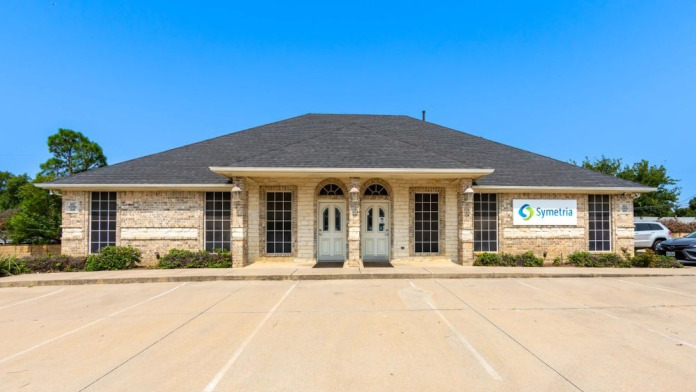
Symetria — Hurst Outpatient Rehab & Suboxone Clinic
1
Top 10 Rehab Centers In Hurst



















































































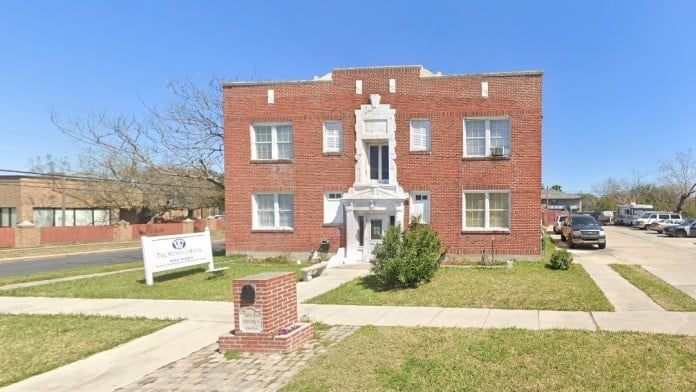
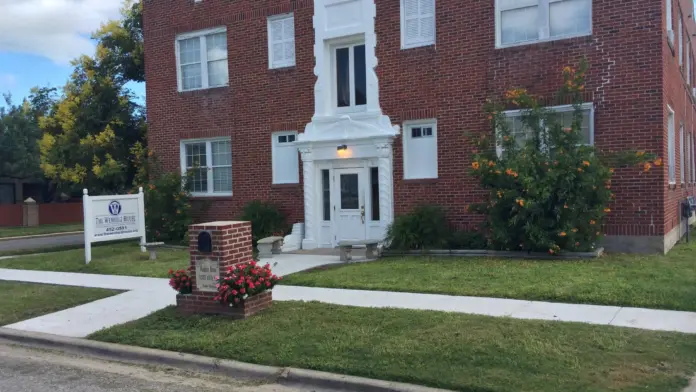
The Wenholz House is a sober living home for men and women in the early stage of substance use recovery in central Corpus Christi, Texas. This recovery home is suitable if you’re transitioning from rehab or just completed detox but are not ready for independent living. It’s also ideal for people who seek support to prevent relapse or lack a stable home free from drugs and alcohol.
Wenholz House offers safe, structured and supportive housing where residents with common desires for sobriety support each other as they navigate recovery. The communal sense of belonging that exists in this setting makes addiction recovery less lonely, more exciting and more fun. You’ll enjoy the support of peers who provide encouragement and celebrate your progress.
Wenholz House serves about 60 adults daily and has separate homes for men and women within Corpus Christi. You’ll learn accountability and personal responsibility and develop life skills that enhance independent living in the real world. You’ll also benefit from the support and guidance of the onsite staff who are committed to seeing you thrive. They’ll assist you in seeking appropriate aftercare, securing employment and attending recovery meetings, including 12 Step AA and NA meetings offsite. They also facilitate reunification with family, friends and the community. It’s all about helping you regain stability and reenter the workforce as you transition to independent living in the community. The program is also spiritual, and residents are encouraged to attend church and Bible classes to find balance in life.
The program is funded by churches, private donations, humanitarian groups and area foundations. You’re required to contribute a small amount of rent each week once you’ve been in recovery for a certain amount of time and have a job. This also helps you transition to independent living while maintaining accountability. Food is free and you’ll share a room with others while onsite. Amenities like WIFI and laundry equipment may be accessible as well to enhance comfort.
The facility is situated in central Corpus Christi near the Uptown and Six Points neighborhoods. It is less than two miles from downtown Corpus Christi and the Corpus Christi Bayfront. This area is surrounded by landmarks like Cole Park, McGee Beach and the Texas State Aquarium. These all add to its attraction. Its closeness to Staples St and Crosstown Expressway enhances access by car. Several CCRTA bus routes including Route 5, Route 12 and Route 19 serve this area. This ensures seamless transportation to Alameda, Robstown and Staples St.

 Our Methodology


Self-pay involves paying for treatment out of your own pocket. You can use savings or credit, get a personal loan, or receive help from family and friends to fund your treatment. If you don't have insurance or your insurance plan doesn't cover a specific program, self-pay can help ensure you still get the care you need.
Medicaid is a state based program that helps lower-income individuals and families pay for healthcare. Medicaid covers addiction treatment so those enrolled can use their coverage to pay for rehab. When a program accepts Medicaid the client often pays very little or nothing out of their own pocket.
Medicare is a federal program that provides health insurance for those 65 and older. It also serves people under 65 with chronic and disabling health challenges. To use Medicare for addiction treatment you need to find a program that accepts Medicare and is in network with your plan. Out of pocket costs and preauthorization requirements vary, so always check with your provider.
After completing some form of inpatient care, many clients transition or step down to an outpatient rehab, while some choose to transition from detox directly into outpatient care. High-intensity outpatient programming, including partial hospitalization (PHP) and intensive outpatient (IOP) is widely available for clients in early recovery, those leaving detox, and those at an elevated relapse risk. Clients in outpatient care generally engage in robust addiction counseling and recovery education, and some also receive medication assisted treatment (MAT).
Sober Living Houses (SLHs), aka sober homes or halfway houses, are safe, substance-free, supportive living facilities for those recovering from substance abuse. Ideal for those who've just been through inpatient or outpatient treatment, SLHs are supervised environments with rules that support sobriety, such as curfews, shared chores, and therapeutic meetings. Residents are also often trained on life skills and coping skills to make it easier to transition into society. SLHs also provide a strong sense of community that can lead to the kind of deep and lasting connections with other sober individuals that supports a new, healthy lifestyle.
Ridding the body of harmful, addictive substances, also known as detoxification, is usually the first phase of recovery. Those going through medically assisted detox can be administered medications by a team of medical professionals who are on-site 24/7 to provide different types of therapies that help mitigate withdrawal symptoms.
The goal of treatment for alcoholism is abstinence. Those with poor social support, poor motivation, or psychiatric disorders tend to relapse within a few years of treatment. For these people, success is measured by longer periods of abstinence, reduced use of alcohol, better health, and improved social functioning. Recovery and Maintenance are usually based on 12 step programs and AA meetings.
During rehab in Texas, you'll deal with underlying issues that contribute to addiction. By addressing these challenges and learning healthy ways to cope with them, you'll develop strategies that help you live a drug-free lifestyle.
Opioid rehabs specialize in supporting those recovering from opioid addiction. They treat those suffering from addiction to illegal opioids like heroin, as well as prescription drugs like oxycodone. These centers typically combine both physical as well as mental and emotional support to help stop addiction. Physical support often includes medical detox and subsequent medical support (including medication), and mental support includes in-depth therapy to address the underlying causes of addiction.
Substance rehabs focus on helping individuals recover from substance abuse, including alcohol and drug addiction (both illegal and prescription drugs). They often include the opportunity to engage in both individual as well as group therapy.
Adult rehab programs include therapies tailored to each client's specific needs, goals, and recovery progress. They are tailored to the specific challenges adult clients may face, including family and work pressures and commitments. From inpatient and residential treatment to various levels of outpatient services, there are many options available. Some facilities also help adults work through co-occurring conditions, like anxiety, that can accompany addiction.
Young adulthood can be an exciting, yet difficult, time of transition. Individuals in their late teens to mid-20s face unique stressors related to school, jobs, families, and social circles, which can lead to a rise in substance use. Rehab centers with dedicated young adult programs will include activities and amenities that cater to this age group, with an emphasis on specialized counseling, peer socialization, and ongoing aftercare.
Group therapy is any therapeutic work that happens in a group (not one-on-one). There are a number of different group therapy modalities, including support groups, experiential therapy, psycho-education, and more. Group therapy involves treatment as well as processing interaction between group members.
Individual therapy offers you a confidential space to address the complexities of your drug or alcohol addiction. Your therapist guides these personalized sessions to help develop self awareness and manage stress. This promotes sustained sobriety and overall well being.
Life skills trainings involve all the skills a person must have in order to function successfully in the world. These include time management, career guidance, money management, and effective communication. Truly successful addiction recovery is based on the ability to not only live substance-free, but to thrive. Life skills teaches the practical necessities of functioning in society, which sets clients up for success in life, and therefore sobriety.
 Residential Setting
  Private Rooms
 Executive Director
Rehab.com regularly reviews this listing for accuracy but changes may occur between updates. For the most up-to-date information, please contact Wenholz House.

1200 10th Street
Corpus Christi, TX 78404
Sponsored Helpline

Great place very interesting old building and extremely good home cooking. Get place for rehabilitation


This is a really nice place if you are re-entering the free world and want to stay some where where you can be around a clean and sober environment. You get the things you need with a pretty good breakfast and dinner with all the snacks you can stand in between. The men who stay here are very friendly and helpful. The staff the same. The place has its problems. But what old building doesn't. If you are really looking to stay clean and save a little money doing it I recommend this place.

Awesome staff and a great friendly experience
 Back
Back
Sharing your insights and experiences can help others learn more about this rehab center.
 Written By: Chika Uchendu
