


































































































Get Help Now
Question iconSponsored Helpline
Phone icon 800-784-1361

West Valley Wellness Center

20151 Nordhoff St
Los Angeles, CA 91311
Claim Profile
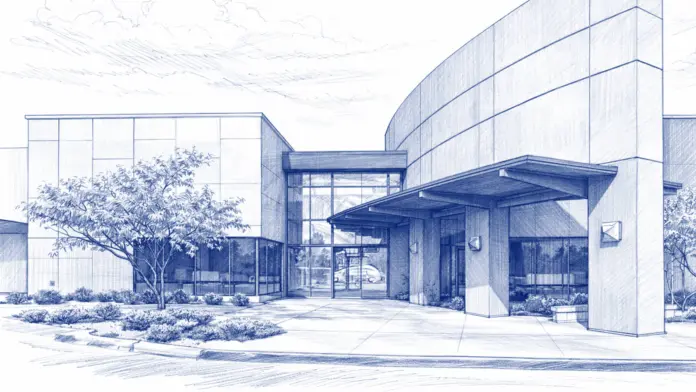
Close-up sketch of the modern glass entrance to a drug and alcohol recovery center.

About West Valley Wellness Center

West Valley Wellness Center is an outpatient mental health care and addiction recovery facility for adults in Los Angeles, California specializing in general outpatient (OP) programming and aftercare planning and support. Dedicated services are available for seniors, persons with hearing impairment, LGBTQ+ persons, and persons with co-occurring addiction and mental illness.

Their outpatient programs are designed to ensure robust access to care for clients who do not require high-intensity inpatient care. Clients receive medical and mental health assessments and personalized care planning. They also engage in intensive individual, group, and family counseling drawing on proven modalities, including CBT and DBT. The program promotes clients’ sustained sobriety through robust, recovery-focused life skills training addressing topics such as coping, self-care, trauma resolution, wellness, anger and stress management, and relapse prevention. An array of evidence-based complementary therapies, including experiential therapy, is available.

Their aftercare services ensure a complete continuum of care aligned with clients’ evolving needs and may include step-down support, 12 step program facilitation, and referrals for medical, mental health, and social service programs.

West Valley Wellness Center accepts private insurance, Medicare, Medicaid, financing, sliding scale payment schedules, and self-pay. Financial aid is available.

Similar Rehab Centers

Fact checked and written by:
Terri Beth Miller, PhD
Edited by:
Quentin Blount

Latest Reviews

Raven Blackrose
6 months ago on Google
1
Ariana P: My experience with Dr. Ina Barg has been incredibly disappointing and harmful. There is absolutely no way to contact her outside of appointments, and the front desk staff are unresponsive, acting as if voicemails don’t even exist. For someone in real need, this creates a wall of silence instead of support. From the very beginning, she was fully aware of my situation. I tested high on the anxiety, depression, and PTSD assessments, and she knows the level of trauma I’ve been through, trauma that most people would not have survived. Despite that, her approach was detached and dismissive. During my second-to-last session, after I told her the medications weren’t working, her response was: “I don’t know what to do for you. You need to learn how to control your emotions.” That kind of remark wasn’t just unhelpful, it was cruel, especially for a patient already doing everything possible to heal without the support I needed… At my final session, she casually announced that she was retiring and that I’d be handed off to another doctor, who I now can’t even see until November (if that, who knows if that will actually happen because this place is SO unreliable). She didn’t adjust my meds, didn’t offer guidance, and didn’t show any genuine care. It felt like she just checked a box, said “good luck,” and moved on. Dr. Barg showed a complete disregard for my well-being. For a psychiatrist, that level of neglect and lack of compassion is unacceptable. THANK GOD she is retiring, because it’s one less careless person pretending to care about the people who truly need it. Patients deserve better than to be brushed off, shoved meds that don’t work, and forced to wait months for proper care.
A Purtee Pack Ariana Purtee
6 months ago on Google
1
My experience with West Valley Mental Health Center has been devastating. After going through their initial interview and testing, where I scored high on every assessment, they still did absolutely nothing to help me. For six months, I contacted them at least once a week or at most every day of the week, begging to get set up with a proper therapist. Every time it was either voicemail, empty promises of “we’ll call you back,” or no response at all. Despite clearly being in crisis, I was ignored. It has now been almost a year, and I am still struggling with severe depression, anxiety, and PTSD, without the help I desperately needed. Their complete disregard for patient well-being is not just unprofessional, it’s cruel. No one who reaches out for mental health care should be left abandoned after putting in months of effort. West Valley Mental Health Center has shown me they do not care about their patients, and I’ve given up on them entirely. The damage of their neglect is something I am still living with every day.
Mehrdad Karimi
7 months ago on Google
1
On August 24, 2025, around 3 pm, I was helping my friend, who is a patient at West Valley Health Center. He has a disability and a language barrier, and it was very important for him to confirm his next appointment. I was with him during a phone call to help translate if needed. After a long hold, a representative who identified herself as Ana answered. My friend asked about his appointment with the mental health center. Instead of assisting, she dismissively said it was the wrong number and then hung up on us. This was shocking, especially for a health care facility that deals with mental health patients. We called again, and this time Ana laughed, denied hanging up the first call, and contradicted herself. When my friend, in broken English, tried again to ask about his next appointment, she became upset, said she could not talk to me, and insisted he call back with a translator. She then hung up a second time. Hanging up on patients is unacceptable, especially when dealing with individuals with disabilities and language barriers. This behavior was unprofessional, untrained, and discriminatory. My friend ended the calls feeling neglected, humiliated, and deeply upset. Whether or not there is a policy requiring communication only with the patient, there is absolutely no excuse for laughing at a patient, being dismissive, or repeatedly hanging up the phone. If the front desk staff cannot show compassion and professionalism, what should we expect from the rest of the facility? This experience was not only frustrating but also harmful. My friend felt discriminated against because of his disability and language difficulties. We will be filing formal complaints with the Department of Health and other relevant agencies to ensure this type of behavior is addressed. Patients deserve respect and dignity. What happened with Ana at West Valley Health Center was appalling, and people should be aware of the kind of treatment they may face here.
Rehab.com icon

Rehab Score

Question iconOur Methodology
Scoring is assigned by a proprietary system which helps surface key metrics that determine quality. The 10-point scale factors in categories such as operations, customer satisfaction, and trust metrics. Read Full MethodologyCaret icon
Gauge icon
4 / 10

Other Forms of Payment

Medicaid is a state based program that helps lower-income individuals and families pay for healthcare. Medicaid covers addiction treatment so those enrolled can use their coverage to pay for rehab. When a program accepts Medicaid the client often pays very little or nothing out of their own pocket.

Self-pay involves paying for treatment out of your own pocket. You can use savings or credit, get a personal loan, or receive help from family and friends to fund your treatment. If you don't have insurance or your insurance plan doesn't cover a specific program, self-pay can help ensure you still get the care you need.

Financial aid can take many forms. Centers may have grants or scholarships available to clients who meet eligibility requirements. Programs that receive SAMHSA grants may have financial aid available for those who need treatment as well. Grants and scholarships can help you pai for treatment without having to repay.

Sliding scale payments are based on a client's income and family size. The goal is to make treatment affordable to everyone. By taking these factors into account, addiction recovery care providers help ensure that your treatment does not become a financial burden to you or your family, eliminating one barrier to care.

Medicare is a federal program that provides health insurance for those 65 and older. It also serves people under 65 with chronic and disabling health challenges. To use Medicare for addiction treatment you need to find a program that accepts Medicare and is in network with your plan. Out of pocket costs and preauthorization requirements vary, so always check with your provider.

Addiction Treatments

Levels of Care

Outpatient Programs (OP) are for those seeking mental rehab or drug rehab, but who also stay at home every night. The main difference between outpatient treatment (OP) and intensive outpatient treatment (IOP) lies in the amount of hours the patient spends at the facility. Most of the time an outpatient program is designed for someone who has completed an inpatient stay and is looking to continue their growth in recovery. Outpatient is not meant to be the starting point, it is commonly referred to as aftercare.

Treatments

Many of those suffering from addiction also suffer from mental or emotional illnesses like schizophrenia, bipolar disorder, depression, or anxiety disorders. Rehab and other substance abuse facilities treating those with a dual diagnosis or co-occurring disorder administer psychiatric treatment to address the person's mental health issue in addition to drug and alcohol rehabilitation.

Mental health rehabs focus on helping individuals recover from mental illnesses like bipolar disorder, clinical depression, anxiety disorders, schizophrenia, and more. Mental health professionals at these facilities are trained to understand and treat mental health issues, both in individual and group settings.

Programs

Adult rehab programs include therapies tailored to each client's specific needs, goals, and recovery progress. They are tailored to the specific challenges adult clients may face, including family and work pressures and commitments. From inpatient and residential treatment to various levels of outpatient services, there are many options available. Some facilities also help adults work through co-occurring conditions, like anxiety, that can accompany addiction.

Recovery is most successful when clients feel accepted and validated by their peers and treatment providers. Facilities that offer LGBTQ-inclusive programming are committed to creating a safe space where everyone can grow and recover without fear of judgment or discrimination. They will have dedicated policies in place to create a safe and supportive environment that fosters free expression.

Young adulthood can be an exciting, yet difficult, time of transition. Individuals in their late teens to mid-20s face unique stressors related to school, jobs, families, and social circles, which can lead to a rise in substance use. Rehab centers with dedicated young adult programs will include activities and amenities that cater to this age group, with an emphasis on specialized counseling, peer socialization, and ongoing aftercare.

Clinical Services

Cognitive Behavioral Therapy (CBT) is a therapy modality that focuses on the relationship between one's thoughts, feelings, and behaviors. It is used to establish and allow for healthy responses to thoughts and feelings (instead of unhealthy responses, like using drugs or alcohol). CBT has been proven effective for recovering addicts of all kinds, and is used to strengthen a patient's own self-awareness and ability to self-regulate. CBT allows individuals to monitor their own emotional state, become more adept at communicating with others, and manage stress without needing to engage in substance abuse.

Whether a marriage or other committed relationship, an intimate partnership is one of the most important aspects of a person's life. Drug and alcohol addiction affects both members of a couple in deep and meaningful ways, as does rehab and recovery. Couples therapy and other couples-focused treatment programs are significant parts of exploring triggers of addiction, as well as learning how to build healthy patterns to support ongoing sobriety.

Dialectical Behavior Therapy (DBT) is a modified form of Cognitive Behavioral Therapy (CBT), a treatment designed to help people understand and ultimately affect the relationship between their thoughts, feelings, and behaviors. DBT is often used for individuals who struggle with self-harm behaviors, such as self-mutilation (cutting) and suicidal thoughts, urges, or attempts. It has been proven clinically effective for those who struggle with out-of-control emotions and mental health illnesses like Borderline Personality Disorder.

Eating disorders include anorexia, bulimia, binge eating, and dysfunctional eating patterns. Many psychologists and other mental health professionals consider eating disorders to be food addictions, meaning food is being used in an addictive way (similar to drug or alcohol addiction). Certain substance abuse treatment programs will have treatment for eating disorders as one of the services offered. An eating disorder may also present as a co-occuring disorder or dual diagnosis alongside drug and alcohol addiction.

Experiential therapy is a form of therapy in which clients are encouraged to surface and work through subconscious issues by engaging in real-time experiences. Experiential therapy departs from traditional talk therapy by involving the body, and having clients engage in activities, movements, and physical and emotional expression. This can involve role-play or using props (which can include other people). Experiential therapy can help people process trauma, memories, and emotion quickly, deeply, and in a lasting fashion, leading to substantial and impactful healing.

Research clearly demonstrates that recovery is far more successful and sustainable when loved ones like family members participate in rehab and substance abuse treatment. Genetic factors may be at play when it comes to drug and alcohol addiction, as well as mental health issues. Family dynamics often play a critical role in addiction triggers, and if properly educated, family members can be a strong source of support when it comes to rehabilitation.

Group therapy is any therapeutic work that happens in a group (not one-on-one). There are a number of different group therapy modalities, including support groups, experiential therapy, psycho-education, and more. Group therapy involves treatment as well as processing interaction between group members.

In individual therapy, a patient meets one-on-one with a trained psychologist or counselor. Therapy is a pivotal part of effective substance abuse treatment, as it often covers root causes of addiction, including challenges faced by the patient in their social, family, and work/school life.

Trauma therapy addresses traumatic incidents from a client's past that are likely affecting their present-day experience. Trauma is often one of the primary triggers and potential causes of addiction, and can stem from child sexual abuse, domestic violence, having a parent with a mental illness, losing one or both parents at a young age, teenage or adult sexual assault, or any number of other factors. The purpose of trauma therapy is to allow a patient to process trauma and move through and past it, with the help of trained and compassionate mental health professionals.

Staff

Jennifer Chen, M.D

Medical Director

Pamela Contreras

Registered Nurse

Contact Information

Building icon

20151 Nordhoff St
Los Angeles, CA 91311

Reviews of West Valley Wellness Center

2.08/5 (24 reviews)
0
Staff
0
Amenities
0
Meals
0
Value
0
Cleanliness
5
5
4
0
3
2
2
2
1
15

Reviews

Overall Experience
Date Submitted
Reviewer

Google Reviews

2.08 (24 reviews)
Yo Mama
5 months ago
1

Raven Blackrose
6 months ago
1

Ariana P: My experience with Dr. Ina Barg has been incredibly disappointing and harmful. There is absolutely no way to contact her outside of appointments, and the front desk staff are unresponsive, acting as if voicemails don’t even exist. For someone in real need, this creates a wall of silence instead of support. From the very beginning, she was fully aware of my situation. I tested high on the anxiety, depression, and PTSD assessments, and she knows the level of trauma I’ve been through, trauma that most people would not have survived. Despite that, her approach was detached and dismissive. During my second-to-last session, after I told her the medications weren’t working, her response was: “I don’t know what to do for you. You need to learn how to control your emotions.” That kind of remark wasn’t just unhelpful, it was cruel, especially for a patient already doing everything possible to heal without the support I needed… At my final session, she casually announced that she was retiring and that I’d be handed off to another doctor, who I now can’t even see until November (if that, who knows if that will actually happen because this place is SO unreliable). She didn’t adjust my meds, didn’t offer guidance, and didn’t show any genuine care. It felt like she just checked a box, said “good luck,” and moved on. Dr. Barg showed a complete disregard for my well-being. For a psychiatrist, that level of neglect and lack of compassion is unacceptable. THANK GOD she is retiring, because it’s one less careless person pretending to care about the people who truly need it. Patients deserve better than to be brushed off, shoved meds that don’t work, and forced to wait months for proper care.

A Purtee Pack Ariana Purtee
6 months ago
1

My experience with West Valley Mental Health Center has been devastating. After going through their initial interview and testing, where I scored high on every assessment, they still did absolutely nothing to help me. For six months, I contacted them at least once a week or at most every day of the week, begging to get set up with a proper therapist. Every time it was either voicemail, empty promises of “we’ll call you back,” or no response at all. Despite clearly being in crisis, I was ignored. It has now been almost a year, and I am still struggling with severe depression, anxiety, and PTSD, without the help I desperately needed. Their complete disregard for patient well-being is not just unprofessional, it’s cruel. No one who reaches out for mental health care should be left abandoned after putting in months of effort. West Valley Mental Health Center has shown me they do not care about their patients, and I’ve given up on them entirely. The damage of their neglect is something I am still living with every day.

Mehrdad Karimi
7 months ago
1

On August 24, 2025, around 3 pm, I was helping my friend, who is a patient at West Valley Health Center. He has a disability and a language barrier, and it was very important for him to confirm his next appointment. I was with him during a phone call to help translate if needed. After a long hold, a representative who identified herself as Ana answered. My friend asked about his appointment with the mental health center. Instead of assisting, she dismissively said it was the wrong number and then hung up on us. This was shocking, especially for a health care facility that deals with mental health patients. We called again, and this time Ana laughed, denied hanging up the first call, and contradicted herself. When my friend, in broken English, tried again to ask about his next appointment, she became upset, said she could not talk to me, and insisted he call back with a translator. She then hung up a second time. Hanging up on patients is unacceptable, especially when dealing with individuals with disabilities and language barriers. This behavior was unprofessional, untrained, and discriminatory. My friend ended the calls feeling neglected, humiliated, and deeply upset. Whether or not there is a policy requiring communication only with the patient, there is absolutely no excuse for laughing at a patient, being dismissive, or repeatedly hanging up the phone. If the front desk staff cannot show compassion and professionalism, what should we expect from the rest of the facility? This experience was not only frustrating but also harmful. My friend felt discriminated against because of his disability and language difficulties. We will be filing formal complaints with the Department of Health and other relevant agencies to ensure this type of behavior is addressed. Patients deserve respect and dignity. What happened with Ana at West Valley Health Center was appalling, and people should be aware of the kind of treatment they may face here.

Overall Experience
Date Submitted
No reviews matching the selected filter!
Get Help Now
Question iconSponsored Helpline
Phone icon 800-784-1361
Left arrow iconBack

Write a review for West Valley Wellness Center

Sharing your insights and experiences can help others learn more about this rehab center.

Title of Your Review
This is a required field
Your Review

Reviews comments must comply with our Review Policy Content Standards. Please do not use names (job titles / positions are acceptable) of any individual or identifying features, abusive remarks, or allegations of negligence or criminal activity.

A minimum of 200 characters and max of 2,000 characters required.
This is a required field
How would you rate the facility on the following?*
Overall Experience
Must select a star rating
Accomodations & Amenities
Must select a star rating
Meals & Nutrition
N/A
Must select a star rating
Treatment Effectiveness
Must select a star rating
Admissions Process
Must select a star rating
Staff & Friendliness
Must select a star rating
Cleanliness
Must select a star rating
Value for Cost
Must select a star rating
What is your connection to this facility?
This is a required field
Your Name*
This is a required field
Your Email*
This is a required field
Spinner icon Submitting your review...
Thumbs up icon Your review was successfully submitted.

Nearby Featured Providers

Get Help Today Phone icon 800-823-7153
Question iconSponsored Helpline

