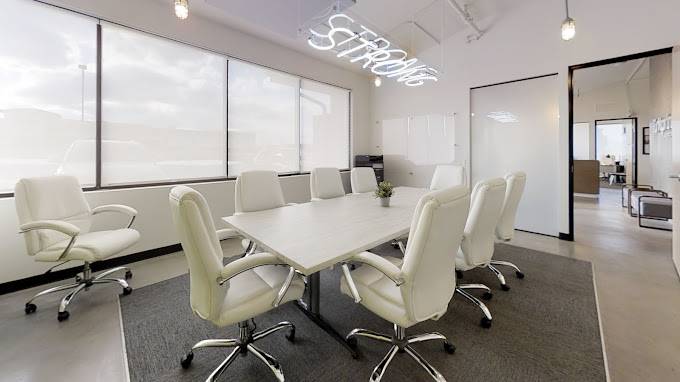
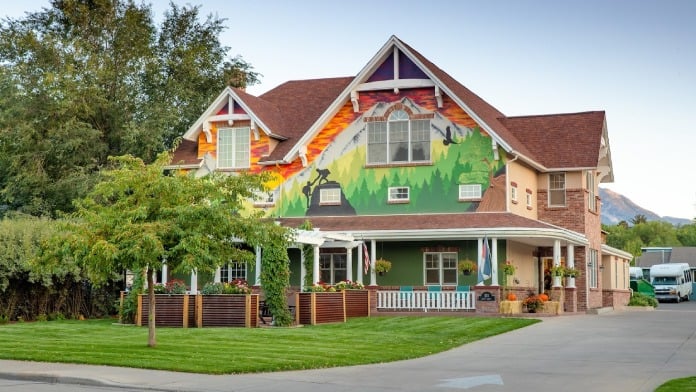
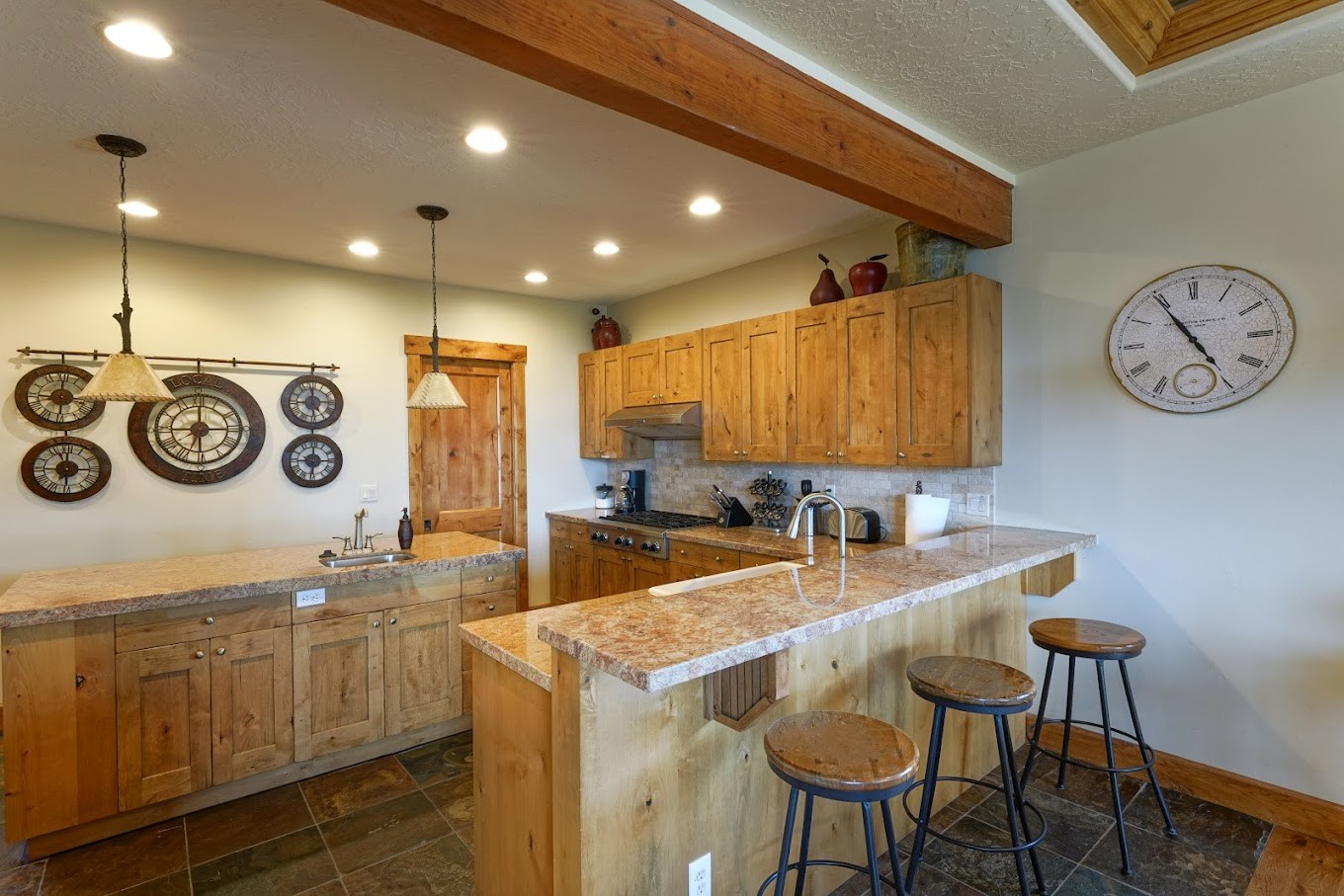
In their residential program, youth participate in scheduled sessions from the time when they wake up in the morning through the evening. The predictable daily schedule provides youth with routine and structure that is therapeutic. They become part of the community during their stay and, in doing so, they start to learn accountability towards others and themselves.
Their staff use evidence based therapies such as cognitive behavioral therapy and dialectical behavioral therapy. They’re trained in using trauma informed approaches to treatment and service delivery.
While enrolled, children continue their schooling through the Yellowstone Academy. This is the onsite school with teachers who are trained to work with children with behavioral health needs. The supportive environment and staffing help children continue to meet their educational needs while they’re in treatment.
Most people use insurance to cover the cost of their stay. There are some managed Medicaid programs that will cover treatment. They’re in-network with TRICARE West, Blue Cross and other private health insurers, but you should verify your benefits before getting services.
Honestly i know i may sound cliche but ybgr does help heal, hope and inspire youth. Many people may counter argue that with me but hey we all have our own opinions. Many others though would agree with me. There may have been crazy things that have happened there but at the same time this place has saved many people from alot of things. Ybgr helped save me from my addiction, my self doubt and the negative in my life. thank you to my Kramily(Kramlich lodge) My shucrew(Schumaker lodge) and countless others. I wish the best of any kid who goes in there and all the employees too. My last final journey with ybgr ended Sept. 30th and i will forever miss it there and hold it dear in my heart. With all the love in the world- ShayQ (Kramlich Lodge from Feb. - Sept 2025
Response from the owner1 week ago
Thank you for your kind words, Shay. It means a lot to hear that your time with us made a positive difference. The work we do with youth and families is a privilege, and we’re grateful to have walked alongside you on your journey. Wishing you all the best on the road ahead!
I enjoyed every single program about this place while I went there. I loved all my teachers and wished I could stay there.. But I did have a friend that went there who had his knees slammed backwards for a restraint and broken by a teacher there. There was nothing that could be done because of the legal paperwork that parents sign. 🤔 I enjoyed my time there tho. Just feel bad for other kids who weren't so lucky.
Response from the owner1 week ago
Thank you for reaching out Atom. We are glad to hear that you are doing well and enjoyed your time here. If your friend has any concerns about what happened please have him reach out at info@ybgr.org so we can discuss the matter further with them.
I'm now 40 and came to this place back in 1999. I hated being there but to be fair didn't have much to complain about. Bt time is been there 6ish months I didn't want to leave. I learn so much being there that I'm still grateful to this day. I earned freedom to walk the grounds unsupervised with permission as well as helping give tours to potential clients. I rode horses often did cattle branding of calves of course and did artificial insemination. I did small engines and wood working along with horticulture which were all a blast. There was a lot that happened in the dorms with the girls but what do you expect when you have so many girls with sick am array of issues. A huge part of getting something from these programs is if you want to. If your ready to get better. The staff members were all fabulous I can't think of anyone who I didn't like. I always felt genuine concern from them. I was even given the privilege to go off campus 1x a week to do gymnastics. I still to this day have small decorated box given to me as a gift upon leaving from a staff member named Marilyn. When you opened it it has a tiny box with a small now that says it was filled with her love. I'm not sure what has happened but, this place turned my life around and who know where it be today without it. So Thank you so so so much. Sorry for the delayed post lol.
Response from the owner1 week ago
Amanda, thank you for sharing your story. Your words are heartfelt and powerful—it means a lot to know your time with us made such an impact.
We're grateful you gave us a chance—and even more grateful that you carried those experiences with you. Stories like yours are a reminder of why our work matters.
Thank you again for taking the time to leave this review.
Scoring is assigned by a proprietary system which helps surface key metrics that determine quality. The 10-point scale factors in categories such as operations, customer satisfaction, and trust metrics. Read Full Methodology
6.6 / 10
Gallery
Accepted Insurance
Please contact to verify your specific insurance provider.
Yellowstone Boys and Girls Ranch works with several private insurance providers, please contact to verify your specific insurance provider.
Medicaid is a state based program that helps lower-income individuals and families pay for healthcare. Medicaid covers addiction treatment so those enrolled can use their coverage to pay for rehab. When a program accepts Medicaid the client often pays very little or nothing out of their own pocket.
Private insurance refers to any kind of healthcare coverage that isn't from the state or federal government. This includes individual and family plans offered by an employer or purchased from the Insurance Marketplace. Every plan will have different requirements and out of pocket costs so be sure to get the full details before you start treatment.
Self-pay involves paying for treatment out of your own pocket. You can use savings or credit, get a personal loan, or receive help from family and friends to fund your treatment. If you don't have insurance or your insurance plan doesn't cover a specific program, self-pay can help ensure you still get the care you need.
Financial aid can take many forms. Centers may have grants or scholarships available to clients who meet eligibility requirements. Programs that receive SAMHSA grants may have financial aid available for those who need treatment as well. Grants and scholarships can help you pai for treatment without having to repay.
Military members, veterans, and eligible dependents have access to specific insurance programs that help them get the care they need. TRICARE and VA insurance can help you access low cost or no cost addiction and mental health treatment. Programs that accept military insurance often have targeted treatment focused on the unique challenges military members, veterans, and their families face.
Private insurance refers to any kind of healthcare coverage that isn't from the state or federal government. This includes individual and family plans offered by an employer or purchased from the Insurance Marketplace. Every plan will have different requirements and out of pocket costs so be sure to get the full details before you start treatment.
Addiction Treatments
Levels of Care
Outpatient Programs (OP) are for those seeking mental rehab or drug rehab, but who also stay at home every night. The main difference between outpatient treatment (OP) and intensive outpatient treatment (IOP) lies in the amount of hours the patient spends at the facility. Most of the time an outpatient program is designed for someone who has completed an inpatient stay and is looking to continue their growth in recovery. Outpatient is not meant to be the starting point, it is commonly referred to as aftercare.
Residential treatment programs are those that offer housing and meals in addition to substance abuse treatment. Rehab facilities that offer residential treatment allow patients to focus solely on recovery, in an environment totally separate from their lives. Some rehab centers specialize in short-term residential treatment (a few days to a week or two), while others solely provide treatment on a long-term basis (several weeks to months). Some offer both, and tailor treatment to the patient's individual requirements.
Treatments
Many of those suffering from addiction also suffer from mental or emotional illnesses like schizophrenia, bipolar disorder, depression, or anxiety disorders. Rehab and other substance abuse facilities treating those with a dual diagnosis or co-occurring disorder administer psychiatric treatment to address the person's mental health issue in addition to drug and alcohol rehabilitation.
Mental health rehabs focus on helping individuals recover from mental illnesses like bipolar disorder, clinical depression, anxiety disorders, schizophrenia, and more. Mental health professionals at these facilities are trained to understand and treat mental health issues, both in individual and group settings.
Addiction treatment programs In Montana provide comprehensive rehab for individuals struggling with substance abuse. Levels of care can include residential rehab, detox, and intensive outpatient programs. Substance abuse treatments include interventions like cognitive behavioral therapy, or dialectical behavioral therapy, educational groups, skills training, and family counseling. The benefits of substance abuse treatment are improved health and increased odds of long-term sobriety.
Programs
The providers who specialize in the children's rehab space understand the specialized needs that this population faces. School-based and social services such as tutoring and family counseling are often central to treatment. Child programs may also address the needs of youth experiencing substance abuse in the home, including a parent's or sibling's addiction.
Clinical Services
Cognitive Behavioral Therapy (CBT) is a therapy modality that focuses on the relationship between one's thoughts, feelings, and behaviors. It is used to establish and allow for healthy responses to thoughts and feelings (instead of unhealthy responses, like using drugs or alcohol). CBT has been proven effective for recovering addicts of all kinds, and is used to strengthen a patient's own self-awareness and ability to self-regulate. CBT allows individuals to monitor their own emotional state, become more adept at communicating with others, and manage stress without needing to engage in substance abuse.
Whether a marriage or other committed relationship, an intimate partnership is one of the most important aspects of a person's life. Drug and alcohol addiction affects both members of a couple in deep and meaningful ways, as does rehab and recovery. Couples therapy and other couples-focused treatment programs are significant parts of exploring triggers of addiction, as well as learning how to build healthy patterns to support ongoing sobriety.
Dialectical Behavior Therapy (DBT) is a modified form of Cognitive Behavioral Therapy (CBT), a treatment designed to help people understand and ultimately affect the relationship between their thoughts, feelings, and behaviors. DBT is often used for individuals who struggle with self-harm behaviors, such as self-mutilation (cutting) and suicidal thoughts, urges, or attempts. It has been proven clinically effective for those who struggle with out-of-control emotions and mental health illnesses like Borderline Personality Disorder.
Experiential therapy is a form of therapy in which clients are encouraged to surface and work through subconscious issues by engaging in real-time experiences. Experiential therapy departs from traditional talk therapy by involving the body, and having clients engage in activities, movements, and physical and emotional expression. This can involve role-play or using props (which can include other people). Experiential therapy can help people process trauma, memories, and emotion quickly, deeply, and in a lasting fashion, leading to substantial and impactful healing.
Research clearly demonstrates that recovery is far more successful and sustainable when loved ones like family members participate in rehab and substance abuse treatment. Genetic factors may be at play when it comes to drug and alcohol addiction, as well as mental health issues. Family dynamics often play a critical role in addiction triggers, and if properly educated, family members can be a strong source of support when it comes to rehabilitation.
Group therapy is any therapeutic work that happens in a group (not one-on-one). There are a number of different group therapy modalities, including support groups, experiential therapy, psycho-education, and more. Group therapy involves treatment as well as processing interaction between group members.
In individual therapy, a patient meets one-on-one with a trained psychologist or counselor. Therapy is a pivotal part of effective substance abuse treatment, as it often covers root causes of addiction, including challenges faced by the patient in their social, family, and work/school life.
Nutrition therapy, aka medical nutrition therapy (MNT), is a way of treating physical, emotional, and medical conditions through diet. Specific dietary plans are designed by professional nutritionists or registered dietitians, and patients follow them in order to positively affect their physical and mental health.
Trauma therapy addresses traumatic incidents from a client's past that are likely affecting their present-day experience. Trauma is often one of the primary triggers and potential causes of addiction, and can stem from child sexual abuse, domestic violence, having a parent with a mental illness, losing one or both parents at a young age, teenage or adult sexual assault, or any number of other factors. The purpose of trauma therapy is to allow a patient to process trauma and move through and past it, with the help of trained and compassionate mental health professionals.
During addiction treatment, recreational therapy gives you a structured approach using activities like creative writing, hiking, outdoor adventures, and team sports. The activities improve your physical health and provide you with an emotional outlet to express your feelings and reduce your stress level. These are crucial components to maintaining a sober lifestyle.
Equine Therapy
Animal Therapy
Amenities
Residential Setting
Staff & Accreditations
Staff
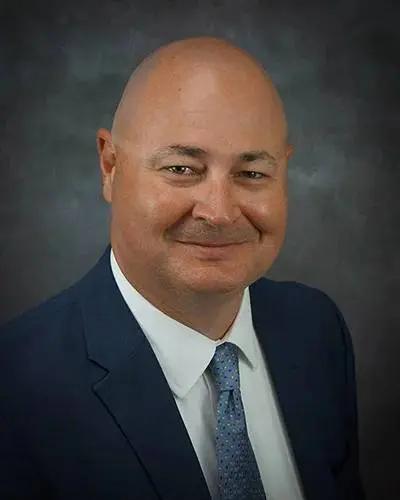
Michael Chavers
CEO
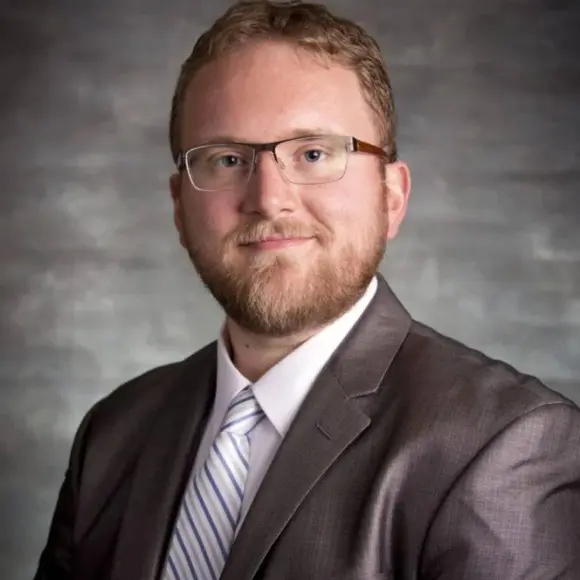
Tyson Schumacher
COO
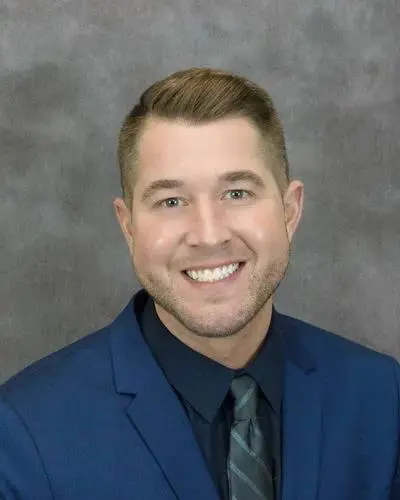
Michael Chandler
CFO
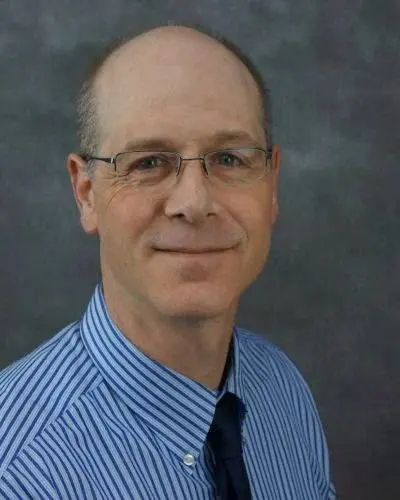
Dr. Taylor Mayer
Executive Director of Residential Services
Kim Collins
Executive Director of Community Based Services
Rishay Watson
Executive Director of Business Development and Marketing
Tra Williams
Director of Nursing and Clinic Operations
Lance Moyer
Director of Human Resources
Accreditations
The Commission on Accreditation of Rehabilitation Facilities (CARF) is a non-profit organization that specifically accredits rehab organizations. Founded in 1966, CARF's, mission is to help service providers like rehab facilities maintain high standards of care.
CARF Accreditation: Yes
The Substance Abuse and Mental Health Services Administration (SAMHSA) is a branch of the U.S. Department of Health and Human Services. Established in 1992 by congress, SAMHSA's mission is to reduce the impact of substance abuse and mental illness on American's communities.
SAMHSA Listed: Yes
Rehab.com regularly reviews this listing for accuracy but changes may occur between updates. For the most up-to-date information, please contact Yellowstone Boys and Girls Ranch.
Very good conditions and the staff care about the kids a lot. Ive been there and the staff are actually required to call you on how good your child is doing, plus you can aleaalwaysys ask and the staff are happy to oblige, your kid will hate being there, but it is the best r ...
Read More
Reviewed on 7/25/2019
1
The service here is very slow and the staff can never help you at all.
I went here in 2002-2003. I was forcefully Baptized against my will, which was incongruous given my upbringing in a strictly Reformed Jewish family. Additionally, the sedation of kids my age (around 11) being forced into small padded rooms while the rest of us were on lock-down, was some of the scariest things I have ever seen.
Shy Jackson
3 months ago
1
Parents, listen to me when I say this: you will never forgive yourselves if you put your child here. I was there for 4 months and was supposed to be there for 6 months to a year. I was put down many times, the staff doesn't care about your well-being, and it's a residency that will scar you for life.
My time there was nothing short of a nightmare. A nightmare I couldn't wake up from for 4 whole months. The staff constantly puts you down and doesn't help with anything. They just want to get paid. The kids are all struggling and take it out on other kids. Many kids were hurt mentally and physically by their peers.
I don't think I've seen so many kids hurt themselves because of such an environment. Patients get dangerously creative when it comes to self-harm.
My first week there, I ended up developing a bad cold, which eventually turned into strep. I was throwing up for days, and the nurses there didn't do anything. If you throw up, the nurses say, and I quote: 'If I didn't see it, it didn't happen."
This is NOT a safe place to send your child if they need help. I'm hoping that this comment will find at least one parent, and they can save their child from this place. I was a broken kid, and I've been out of YGR for almost 2 years. I get scared when someone mentions it.
There have been multiple reports from patients, including myself, who reported staff being inappropriate with patients. I brought it to the staff, and thank god those people got fired. But it happens more frequently, and I don't wish that on anyone.
So please, for the sake of your child, NO NOT SEND THEM TO YELLOWSTONE BOYS AND GIRLS RANCH. Thank you for reading my comment.
M O G
5 months ago
1
I went to YBGR at 14, in 2020 and 2021. I was in Schumaker lodge. I thought it would be a fresh start where I could gain independence while getting help for my mental problems, but instead I was warehoused, in the "care" of staff who had varying levels of competence. The policies were one-size-fits-all, with little to no adjustment for our individual circumstances and needs. We got less autonomy than the average elementary schooler, all forms of therapy (including medication) were subpar at best and did nothing but harm at worst, and we were almost completely isolated from the outside world. Peer relationships were tense because we were driven apart by the policies, so we had no allies there. Kids who acted out got better treatment, so there was an incentive to act out - and that meant becoming worse, picking up new problems you didn't have before. The school often failed to teach grade-level content, and despite all the restrictions in the name of safety there were unaddressed safety hazards in the lodge. This isn't an extensive list of YBGR's problems.
My physical and mental health, and likely my cognitive ability as well, kept declining throughout my stay there. My existing problems were worsened and new ones were created. I lost all my coping skills, and to this day I struggle with what that place did to me. Despite being better than many other facilities in the Troubled Teen Industry, YBGR is far from good or even neutral. If you care about your kid, or even if you only care how they affect you, don't send them there.
Michelle Tavares is a registered nurse with over 15 years of experience in mental health nursing. She has worked in inpatient and outpatient settings as well as in bedside and administrative roles. She is a fighter of stigma and an advocate for getting people the mental health services they need.
By calling the helpline you agree to the terms of use. We do not receive any commission or fee that is dependent upon which treatment provider a caller chooses. There is no obligation to enter treatment.
Calls to numbers on a specific treatment center listing will be routed to that treatment center. Calls to any general helpline could be forwarded to SAMHSA or a verified treatment provider.
If you wish to connect with non-sponsor centers, you can browse top-rated listings, visit our homepage and browse by state, or visit SAMHSA.

 Sponsored Helpline





























































































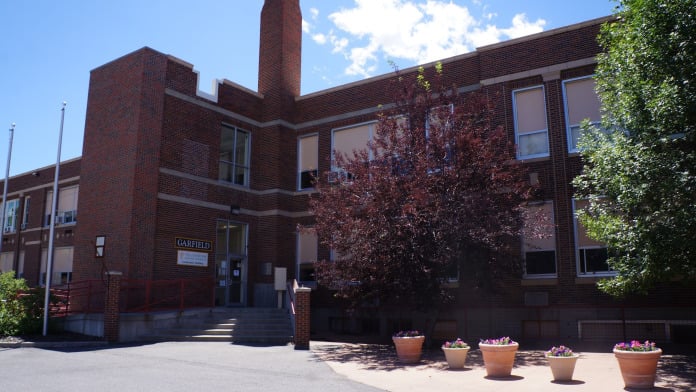





 Residential Setting