






























































































Jaywalker Lodge do a good job! They have shown me that recovery is possible. Thank you for all the support you gave me during all this time, thanks to them now I can enjoy life being free of problems.
About Jaywalker Lodge
Jaywalker Lodge is a men-only addiction treatment provider in Carbondale, Colorado offering a full continuum of care for adult men with substance use disorders.
The program treats alcohol, opioid, stimulant and other dependencies alongside co-occurring conditions like anxiety, depression, PTSD and bipolar disorder using clinical care.
Built on an Open Community Model that prioritizes accountability, peer connection and personal responsibility, Jaywalker helps men build a lasting recovery that reaches far beyond the therapy room.
Men’s Addiction Recovery
Jaywalker specializes in a 90-day treatment commitment designed for men with chronic relapse histories and complex needs.
The continuum spans residential care at The Landing, partial hospitalization at The Lodge, Solutions intensive outpatient, outpatient services and sober living. The program does not provide medical detox.
Treatment blends CBT, DBT, motivational interviewing, EMDR and 12-Step immersion with targeted therapy.
Expedition programming turns hiking, climbing, rafting and skiing into experiential recovery tools that build resilience and brotherhood.
Real-World Skills and Family Support
Solutions emphasizes independent-living readiness through employment or education planning, community service and money and time management.
Family services invite relatives to actively participate, share their stories and build healthier perspectives, with parents praising the weekly groups and personalized care.
Latest Reviews
Best Rehab in the country
Response from the owner1 week ago
We really appreciate your kind words and are delighted that you consider us the best! It means a lot to our team that we're able to support you in such a meaningful way. Here's to continued health and happiness!
I've been a fan of Jaywalker Lodge for years, and my respect for what they've built has only grown over time. As a fellow behavioral health professional who has referred clients to Jaywalker and spent time on the ground in Carbondale with their team, I've had a front-row seat to what this program actually produces, and it's the real thing.
Let me start with the obvious: the location is extraordinary. Carbondale is one of the most beautiful places in this country, and Jaywalker leverages that setting in a way that actually matters clinically. Their clients aren't just staring at mountains, they're experiencing all that incredible place has to offer (skiing, mountain biking, etc.). That connection to the outdoors isn't a selling point, it's part of how men rediscover what it feels like to be alive.
But what makes Jaywalker truly exceptional isn't the scenery, it's the community. Carbondale has embraced this program in a way I've never seen in any other treatment market. You can't walk through town without running into an alumnus who stayed, built a life, found work, and put down roots. I've seen this firsthand - walking those streets, talking with people who came for treatment and never left because they finally had something worth staying for. That kind of living proof is rare and powerful.
I've sat with their clinical and leadership team, seen how they operate up close, and walked away more impressed each time. Their communication is exceptional, their collaboration with families is thoughtful, and the sustained recoveries I've seen in referred clients speak for themselves. This is a team that isn't content with where they are, they're always evolving, always raising the bar, and they hold themselves to a standard the rest of the industry should be studying.
The leadership operates with genuine integrity. That's not something you can fake long-term, and it's certainly not something you can fake in person. Jaywalker has been proving it for years.
I tell people this often and I mean it sincerely: if I ever needed treatment myself, Jaywalker Lodge would be my first call.
Response from the owner1 week ago
We're deeply grateful for your heartfelt review, Ryan! 🌟 It's truly rewarding to hear about your positive experiences and trust in our team. We strive to create a community that feels like home, and it's empowering to know you see the genuine impact of our work here in Carbondale. Thank you for your continued support and kind words!
Jaywalker saved our son and helped us to show up in the way he needed us in recovery. Despite being healthcare professionals, we had no idea how to support our son. He is sober and married with 3 beautiful sons just 5 years later. We know sobriety is a daily struggle but what Jaywalker provided were the tools he needed and a community of support and accountability. We can't say enough about the journey and support. We are forever changed as a family. Thank you JW.
Response from the owner1 week ago
Thank you so much for your kind words and for sharing your journey with us! We're honored to have been a part of your son's recovery and your family's transformation. Our team is dedicated to offering support and compassion every step of the way. Your story is incredibly inspiring and motivates us to continue doing what we love. 
Rehab Score
 Our Methodology
Scoring is assigned by a proprietary system which helps surface key metrics that determine quality. The 10-point scale factors in categories such as operations, customer satisfaction, and trust metrics. Read Full Methodology

8.7 / 10
Gallery
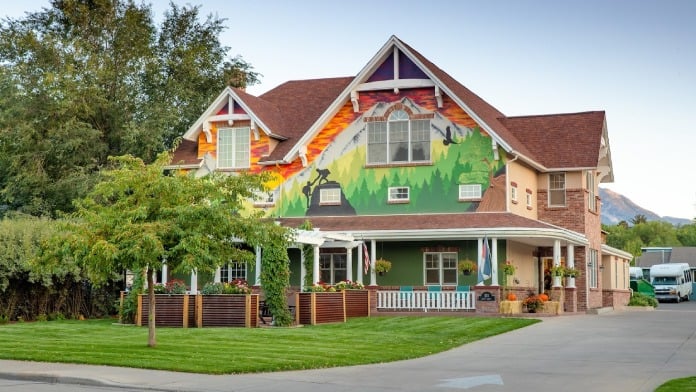
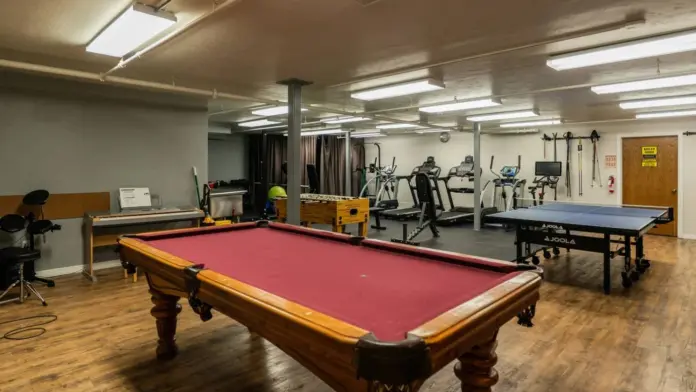



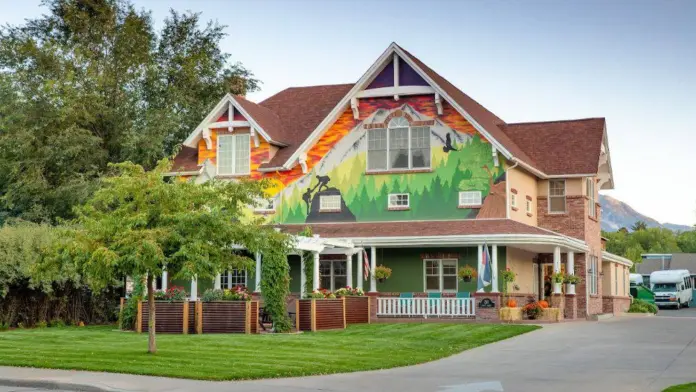
Accepted Insurance
Other Forms of Payment
Private insurance refers to any kind of healthcare coverage that isn't from the state or federal government. This includes individual and family plans offered by an employer or purchased from the Insurance Marketplace. Every plan will have different requirements and out of pocket costs so be sure to get the full details before you start treatment.
Self-pay involves paying for treatment out of your own pocket. You can use savings or credit, get a personal loan, or receive help from family and friends to fund your treatment. If you don't have insurance or your insurance plan doesn't cover a specific program, self-pay can help ensure you still get the care you need.
Addiction Treatments
Levels of Care
Outpatient Programs (OP) are for those seeking mental rehab or drug rehab, but who also stay at home every night. The main difference between outpatient treatment (OP) and intensive outpatient treatment (IOP) lies in the amount of hours the patient spends at the facility. Most of the time an outpatient program is designed for someone who has completed an inpatient stay and is looking to continue their growth in recovery. Outpatient is not meant to be the starting point, it is commonly referred to as aftercare.
Residential treatment programs are those that offer housing and meals in addition to substance abuse treatment. Rehab facilities that offer residential treatment allow patients to focus solely on recovery, in an environment totally separate from their lives. Some rehab centers specialize in short-term residential treatment (a few days to a week or two), while others solely provide treatment on a long-term basis (several weeks to months). Some offer both, and tailor treatment to the patient's individual requirements.
Intensive Outpatient Programs (IOP) are for those who want or need a very structured treatment program but who also wish to live at home and continue with certain responsibilities (such as work or school). IOP substance abuse treatment programs vary in duration and intensity, and certain outpatient rehab centers will offer individualized treatment programs.
12-step programs are addiction recovery models based on Alcoholics Anonymous (AA). A number of substance abuse programs (including some drug and alcohol rehab centers) use the 12 steps as a basis for treatment. Beginning steps involve admitting powerlessness over the addiction and creating a spiritual basis for recovery. Middle steps including making direct amends to those who've been hurt by the addiction, and the final step is to assist others in addiction recovery in the same way. 12-Step offshoots including Narcotics Anonymous (NA), Cocaine Anonymous (CA), Dual Recovery Anonymous (DRA), Sex and Love Addicts Anonymous (SLAA) and Gamblers Anonymous (GA).
Residents of a sober living home in Colorado are encouraged to continue to develop coping skills and habits they learned in treatment. They can typically live at the halfway house as long as they want, until they feel they are ready to transition home. During their stay, they must adhere to house rules, which may include contributing to household chores, abiding by a curfew, and maintaining a job.
For those that don't require round-the-clock care, a partial hospitalization program (PHP) is a short-term option that can be used as a step-down treatment or as an alternative to intensive hospitalization. PHP treatment requires up to 5 days a week of commitment where you'll receive 6 to 8 hours of support every day. While a partial hospitalization program typically requires a commute, telehealth may be available. PHP treatment costs can vary but are often covered by most insurance.
The process of medically assisted detox usually takes place in an inpatient setting while under the 24/7 care of a team of licensed medical professionals. It's considered the safest way to rid the body of all addictive substances and prepare you for a transition into either an inpatient program or various forms of outpatient rehab. The program length varies depending on your needs, but it typically takes about 5-7 days.
Treatments
The goal of treatment for alcoholism is abstinence. Those with poor social support, poor motivation, or psychiatric disorders tend to relapse within a few years of treatment. For these people, success is measured by longer periods of abstinence, reduced use of alcohol, better health, and improved social functioning. Recovery and Maintenance are usually based on 12 step programs and AA meetings.
Professional services are often necessary to recover from addiction. Drug rehab in Colorado provides the expert services needed to address the complex issues of addiction and help individuals start their recovery journey.
Many of those suffering from addiction also suffer from mental or emotional illnesses like schizophrenia, bipolar disorder, depression, or anxiety disorders. Rehab and other substance abuse facilities treating those with a dual diagnosis or co-occurring disorder administer psychiatric treatment to address the person's mental health issue in addition to drug and alcohol rehabilitation.
A combined mental health and substance abuse rehab has the staff and resources available to handle individuals with both mental health and substance abuse issues. It can be challenging to determine where a specific symptom stems from (a mental health issue or an issue related to substance abuse), so mental health and substance abuse professionals are helpful in detangling symptoms and keeping treatment on track.
Opioid rehabs specialize in supporting those recovering from opioid addiction. They treat those suffering from addiction to illegal opioids like heroin, as well as prescription drugs like oxycodone. These centers typically combine both physical as well as mental and emotional support to help stop addiction. Physical support often includes medical detox and subsequent medical support (including medication), and mental support includes in-depth therapy to address the underlying causes of addiction.
Colorado offers a range of substance abuse treatment programs that encompass various levels of care to meet your specific needs. These addiction treatment programs often encompass medical detox, outpatient, inpatient, and partial hospitalization programs. You'll find each program includes individual and group therapy, and educational groups to provide you with the tools to achieve and sustain your recovery.
With residential addiction treatment, you live in a rehab facility while receiving mental health services. Rehabs offer 24/7 care provided by clinical and mental health staff. A typical inpatient program lasts 28-30 days, but some last for several months. Standard mental health services include group and individual counseling, with addiction and relapse prevention education. Amenities, like recreational offerings, vary by facility.
Programs
Adult rehab programs include therapies tailored to each client's specific needs, goals, and recovery progress. They are tailored to the specific challenges adult clients may face, including family and work pressures and commitments. From inpatient and residential treatment to various levels of outpatient services, there are many options available. Some facilities also help adults work through co-occurring conditions, like anxiety, that can accompany addiction.
Men face specific challenges and concerns when seeking addiction treatment. Gender-specific recovery programs help them tackle these issues head-on in an environment that's focused, targeted, and distraction-free. It also gives them the opportunity to connect with and learn from other men who have been through a similar journey and can offer support for the next step.
Clinical Services
The main principle of cognitive behavioral therapy (CBT) in Colorado is that substance use disorders are based on faulty thinking and behavior patterns. The goal of this treatment is to help the individual learn better ways of coping with challenges, which will lead to changes in thinking and behavior.
Dialectical behavior therapy is skills based and present oriented. You'll be asked to keep a diary of emotions and related behaviors and practice the skills you've been learning between sessions. The focus of skills development is on mindfulness, distress tolerance, emotion regulation, and interpersonal effectiveness.
Group therapy is any therapeutic work that happens in a group (not one-on-one). There are a number of different group therapy modalities, including support groups, experiential therapy, psycho-education, and more. Group therapy involves treatment as well as processing interaction between group members.
In individual therapy, a patient meets one-on-one with a trained psychologist or counselor. Therapy is a pivotal part of effective substance abuse treatment, as it often covers root causes of addiction, including challenges faced by the patient in their social, family, and work/school life.
Therapists who employ motivational interview techniques seek to draw out the client's ideas about change and allow them to draw their own conclusions about the need for change. This method is often effective for clients who feel unsure about their ability to change or the need for change.
Trauma therapy addresses traumatic incidents from a client's past that are likely affecting their present-day experience. Trauma is often one of the primary triggers and potential causes of addiction, and can stem from child sexual abuse, domestic violence, having a parent with a mental illness, losing one or both parents at a young age, teenage or adult sexual assault, or any number of other factors. The purpose of trauma therapy is to allow a patient to process trauma and move through and past it, with the help of trained and compassionate mental health professionals.
 Eye Movement Desensitization And Reprocessing
Amenities
-
 Residential Setting
 -
 Private Rooms
 -
 Hiking
 -
 Walking Trails
 -
 Gym
Gym -
 Meditation Room
Staff & Accreditations
Staff
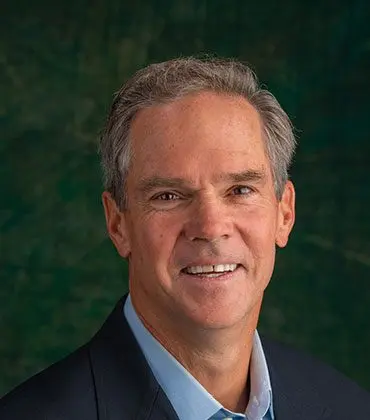
Bob Ferguson
Owner & Founder
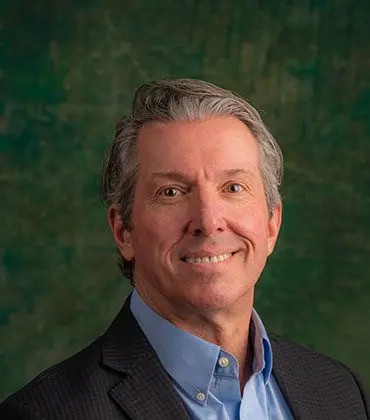
Bill Anuszweski
CEO
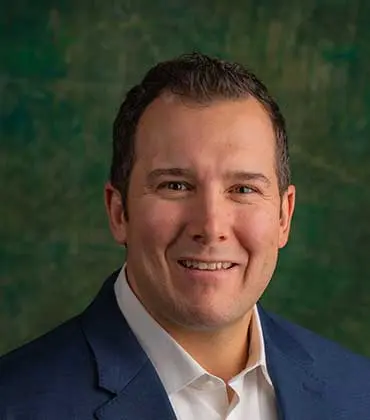
STEFAN BATE, MA, LAC, CCTP
COO
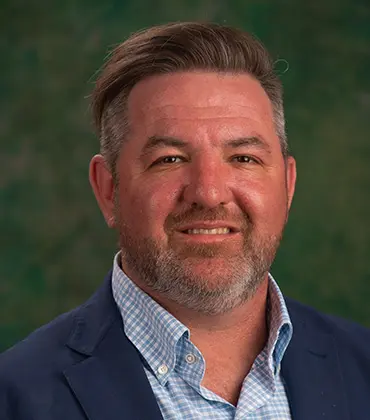
KC Gooding
CMO
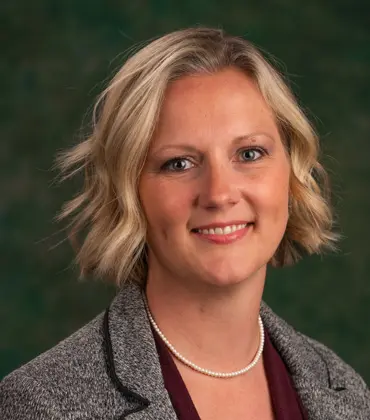
Julie Ireland
CFO

Dr. Arshad William, MD
Medical Director
Accreditations

The Joint Commission, formerly known as JCAHO, is a nonprofit organization that accredits rehab organizations and programs. Founded in 1951, the Joint Commision's mission is to improve the quality of patient care and demonstrating the quality of patient care.
Joint Commission Accreditation: Yes

LegitScript has reviewed Jaywalker Lodge as part of their certification program, and has determined that it meets the LegitScript standards for legality, safety and transparency.
LegitScript verified in September 2020

The National Association of Addiction Treatment Providers (NAATP) is a professional association that represents organizations in the field of addiction services. Founded in 1978, NAATP's mission is to advance addiction services and ensure that high-quality addiction treatment is available and accessible.
NAATP Member: Yes
Member ID: 1826
Rehab.com regularly reviews this listing for accuracy but changes may occur between updates. For the most up-to-date information, please contact Jaywalker Lodge.
Contact Information

811 Main Court
Carbondale, CO 81623
Get Help Now - 719-405-0523
Sponsored Helpline
Sponsored Helpline

