



































































































About A Fresh Start Sober Living Environments
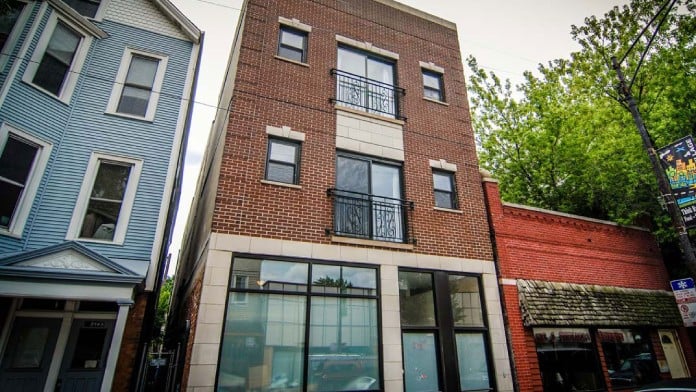
A Fresh Start is an organization that provides sober living environments that operate on the principles of both independence and accountability. The Belmont Women’s House, located in Roscoe Village in Chicago, Illinois, is one of two Fresh Start residences designated for women. Here, residents can find a safe place to live and recover while bridging the gap between inpatient treatments and completely independent living.
Sober Living Designed to Foster Growth
The program and rules of the Belmont Women’s House are designed to promote safe recovery and accountability for all the residents. The leaders in the house (most of whom also went through recovery in their lives) strongly encourage residents to practice the tools they learned from any treatment they underwent before coming to A Fresh Start. To keep the environment safe and the residents accountable, they do random drug tests and daily breathalyzing.
Additionally, the program requires the residents to have employment, to attend regular self help meetings, to engage in their 12 step programs, and to be able to live well with others. All of these elements are meant to help the residents grow in responsibility. One resident reported that she needed the structure and accountability and that living in the house was an “amazing experience.”
Excellent Amenities Inside and Out
The Belmont Women’s House comes packed with great accommodations. They have a shared kitchen, TVs, fast WiFi, and on site laundry machines that accept coins. Residents sleep in two person bedrooms, and it all comes at a manageable weekly cost.
Outside, residents can visit numerous cozy cafes, coffee shops, and brunch restaurants. This also means that the residence is within walking distance of many places where someone can look for work if they need to.
Latest Reviews



Rehab Score
 Our Methodology


Gallery
Other Forms of Payment
Private insurance refers to any kind of healthcare coverage that isn't from the state or federal government. This includes individual and family plans offered by an employer or purchased from the Insurance Marketplace. Every plan will have different requirements and out of pocket costs so be sure to get the full details before you start treatment.
Self-pay involves paying for treatment out of your own pocket. You can use savings or credit, get a personal loan, or receive help from family and friends to fund your treatment. If you don't have insurance or your insurance plan doesn't cover a specific program, self-pay can help ensure you still get the care you need.
Addiction Treatments
Levels of Care
Outpatient Programs (OP) are for those seeking mental rehab or drug rehab, but who also stay at home every night. The main difference between outpatient treatment (OP) and intensive outpatient treatment (IOP) lies in the amount of hours the patient spends at the facility. Most of the time an outpatient program is designed for someone who has completed an inpatient stay and is looking to continue their growth in recovery. Outpatient is not meant to be the starting point, it is commonly referred to as aftercare.
Intensive outpatient programs (IOP) enable clients to receive high-level care while living at home. Clients may choose to enter IOP instead of enrolling in inpatient care post-detox or they may transition from an inpatient rehab into IOP. Intensive outpatient treatment involves multiple therapeutic sessions per week and includes a combination of psychotherapy and addiction and recovery education. Many programs also offer medication assisted treatment (MAT) and/or holistic therapies, such as acupuncture and massage.
Rehab aftercare programs provide a full continuum of care for clients who are exiting inpatient treatment. Though outpatient care is often considered an element of drug rehab aftercare, services typically continue for the remainder of the clients' life and long after formal treatment is completed. Clients work with their case managers and care team to formulate a customized portfolio of medical, mental health, and social service resources designed to evolve as the client's needs change.
Participants in 12 step programs focus on emotional, psychological, and spiritual growth as the foundation for long-term sobriety. They engage in regular 12 step meetings, which are anonymous, free, and accessible day and night, year-round, in most communities. Participants also receive one-on-one mentoring from a self-selected sponsor. Though the 12 steps of recovery are based on spiritual principles, religious affiliation isn't required. Specialized formats are available, including programs for seniors, teens, and families.
Sober Living Houses (SLHs), aka sober homes or halfway houses, are safe, substance-free, supportive living facilities for those recovering from substance abuse. Ideal for those who've just been through inpatient or outpatient treatment, SLHs are supervised environments with rules that support sobriety, such as curfews, shared chores, and therapeutic meetings. Residents are also often trained on life skills and coping skills to make it easier to transition into society. SLHs also provide a strong sense of community that can lead to the kind of deep and lasting connections with other sober individuals that supports a new, healthy lifestyle.
During the medically supervised detox process, licensed medical professionals monitor your vitals and administer medications meant to help alleviate the physical symptoms of withdrawal. The process can take between five and seven days, although the actual length depends on your individual needs. In most cases, medically assisted detox is partially, if not fully, covered by insurance.
Treatments
Substance rehabs focus on helping individuals recover from substance abuse, including alcohol and drug addiction (both illegal and prescription drugs). They often include the opportunity to engage in both individual as well as group therapy.
Programs
Adult rehab programs include therapies tailored to each client's specific needs, goals, and recovery progress. They are tailored to the specific challenges adult clients may face, including family and work pressures and commitments. From inpatient and residential treatment to various levels of outpatient services, there are many options available. Some facilities also help adults work through co-occurring conditions, like anxiety, that can accompany addiction.
Young adulthood can be an exciting, yet difficult, time of transition. Individuals in their late teens to mid-20s face unique stressors related to school, jobs, families, and social circles, which can lead to a rise in substance use. Rehab centers with dedicated young adult programs will include activities and amenities that cater to this age group, with an emphasis on specialized counseling, peer socialization, and ongoing aftercare.
Clinical Services
If you engage in cognitive behavioral therapy in Illinois, your therapist will work with you to change your thinking patterns. You'll learn how to recognize faulty thinking and develop skills to deal with stress without using substances.
Men and women in Illinois learn to recognize their strengths and capabilities within a group therapy setting. This helps to boost their self image and self confidence as they work toward overcoming addiction and building a healthier life. Group therapy is a perfect environment for you to see successful recovery behaviors and become inspired to manage your addiction.
In individual therapy, a patient meets one-on-one with a trained psychologist or counselor. Therapy is a pivotal part of effective substance abuse treatment, as it often covers root causes of addiction, including challenges faced by the patient in their social, family, and work/school life.
Motivational interviewing in Illinois is person centered and collaborative. This method allows the therapist to come alongside the client to address the issue of ambivalence toward change. By listening and reflecting, the therapist helps the client see the need for change and commit to making changes.
During couples therapy in Illinois, you may work on a variety of relationship challenges. Couples therapy can address topics such as finances, children, health, addiction, intimacy, external stressors, and family relationships. You'll develop tools to address these types of challenges in healthy ways.
Family therapy helps to rebuild trust and strengthen relationships that have been affected by addiction. Therapists use guided interventions to help families improve their interactions and address underlying issues that impact their relationships. This helps create a supportive atmosphere for the recovery process.
Amenities
-
 Residential Setting
 -
 Private Rooms
Staff
Juan Fernandez
Executive Director
Contact Information


2310 W. Belmont Ave
Chicago, IL 60618
Sponsored Helpline


