




























































































 Claimed


I am writing this review to warn other families about the extremely unprofessional and dangerous way my son was treated by AKUA Mind, Body, and Soul. My son was scheduled to be admitted to this facility. I informed AKUA ahead of time that he was heavily intoxicated. Despite ...
About Akua Mind Body – Mental Health & Addiction Treatment Newport Beach
At Akua Mind Body, we provide specialized outpatient alcohol rehab designed for individuals seeking recovery while maintaining daily responsibilities. Our outpatient programs address both substance use and co-occurring mental health conditions through evidence-based therapies, individualized care, and holistic healing practices. We understand that alcohol addiction impacts the mind, body, and spirit, which is why our treatment combines cognitive-behavioral therapy (CBT), dialectical behavior therapy (DBT), trauma-informed care, family support, and relapse prevention planning. Clients receive ongoing guidance through individual therapy, group support, and wellness activities that foster balance and resilience. Outpatient rehab allows clients to continue working, attending school, or caring for family while receiving the structure and accountability needed to achieve and maintain long-term sobriety. At Akua, we believe recovery is possible, and we’re here every step of the way to support lasting change.
Latest Reviews
This place is amazing, everyone is kind, helpful. Richard is a great leader. Candace is such a great listener and kind. Gaby is very patient and kind. All the staff shows lots of love and care. Very greatful to have had the opportunity to thrive and learn more about recovery with Akua!
Response from the owner2 days ago
Thank you for your kind words! We will share your appreciation with Richard, Candace, Gaby, and the entire AS Newport Beach team!
Grateful for this program, saved my life! Staff and crew all amazing!! Candace my case manager helped me through some of the hardest times of my life and don’t know where I would be without them.
Response from the owner2 days ago
Thank you for sharing your experience! We’re honored to have been part of your journey, and we’ll be sure to share your kind words with Candace and the entire AS Newport Beach team.
I came to Akua feeling scared and entirely without directions. I ended up finding my safe space. I truly came to understand that I am not alone with my struggles. The people in the groups were respectful and I did not, for one second, feel judged or made uncomfortable. The entire staff is welcoming, super friendly and knowledgeable. My counselor Kris was awesome! She helped me set up for a "life after Akua :)" with lots of research. My therapist Savannah was the best! I felt understood and my sessions with her always left me with hope and the reinforced knowledge that "yeah, I got this"!!! Good-feel bonus: yoga, acupuncture and sound- bath :) I would recommend Akua to anyone!!!
Response from the owner2 days ago
Thank you for sharing your experience with Akua Strong Newport Beach. It means so much to hear that Akua became a place where you felt safe, supported, and reminded that you’re not alone. We’re so glad Kris and Savannah were able to be part of your journey and provide guidance, encouragement, and care along the way. And we love that you enjoyed some of the wellness experiences too! Thank you for trusting us and for your recommendation. 💙 
Rehab Score
 Our Methodology
Scoring is assigned by a proprietary system which helps surface key metrics that determine quality. The 10-point scale factors in categories such as operations, customer satisfaction, and trust metrics. Read Full Methodology

8.4 / 10
Gallery


Accepted Insurance

Anthem
BlueCross BlueShield
Other Forms of Payment
Private insurance refers to any kind of healthcare coverage that isn't from the state or federal government. This includes individual and family plans offered by an employer or purchased from the Insurance Marketplace. Every plan will have different requirements and out of pocket costs so be sure to get the full details before you start treatment.
Self-pay involves paying for treatment out of your own pocket. You can use savings or credit, get a personal loan, or receive help from family and friends to fund your treatment. If you don't have insurance or your insurance plan doesn't cover a specific program, self-pay can help ensure you still get the care you need.
Military members, veterans, and eligible dependents have access to specific insurance programs that help them get the care they need. TRICARE and VA insurance can help you access low cost or no cost addiction and mental health treatment. Programs that accept military insurance often have targeted treatment focused on the unique challenges military members, veterans, and their families face.
Addiction Treatments
Levels of Care
During the first phase of recovery – detox – it is crucial to have 24-hour clinical care in California. This care provides constant monitoring in order to ensure your safely and comfort as you progress through the withdrawal process for drug or alcohol addiction. Licensed professionals prescribe medications to treat withdrawal symptoms and provide frequent monitoring to ensure your safely as addictive toxins leave your system.
Commonly known as "day treatment," a partial hospitalization program (PHP) is an intensive form of outpatient treatment where clients meet during the day and return home in the evening. PHP treatment doesn't require 24-hour care and often serves as an alternative to inpatient hospitalization or a step-down after a residential program. With PHP treatment, you can receive daily support for 6 to 8 hours which includes evidence-based therapies and medication management. The cost of PHP treatment typically varies but averages 90 days.
Intensive Outpatient programs are for those who want or need a very structured treatment program but who also wish to live at home and continue with certain responsibilities (such as work or school). IOP substance abuse treatment programs vary in duration and intensity, and certain outpatient rehab centers will offer individualized treatment programs. The AKUA Intensive Outpatient Program (IOP) is perfect for people who have completed detoxification or primary care and are ready to return to work, school or other responsibilities, or who do not require a higher level of care. The AKUA Model of Care provides clinical treatment methods to help make positive changes in the patient's life. Individual counseling sessions, classes and group sessions led by their experienced team of licensed professional at our state-of-the-art facility in Newport Beach are available.
Clients receiving treatment at an outpatient rehab typically do not require hospitalization or intensive supervision and support. Outpatient addiction counseling and recovery education are often offered during the morning, evening, night, and weekend, allowing clients to tailor treatment to their own schedule. Partial hospitalization (PHP) and intensive outpatient (IOP) programs are the most time-intensive and are designed for clients who are at an increased relapse risk and/or who need more robust therapeutic support.
Participants engaged in 12 step programs receive intensive peer coaching (sponsorship) and community support. Spiritual development as a means of achieving psychological and emotional healing and growth is the cornerstone of 12 step recovery, but religious affiliations are not required. Meetings are free, anonymous, and open to the public, though specialized formats are available, including groups for seniors, teens, and family members. Evening, night, and day meetings are conducted year-round in most communities.
Rehab aftercare programs offer clients in addiction recovery a robust continuum of care after clients have completed active treatment. These services address recovery as a life-long process and are designed to evolve with clients' changing needs. Clients may partner with their case managers and/or addiction recovery team to identify the rehab aftercare services that are right for them. They may receive career counseling, housing assistance, peer coaching, 12 step program induction, among many other services.
Using telehealth options in California allows you to share health information with your provider via phone call, video chat, or healthcare apps. You can meet with them virtually as well as submit health information online so they can track your progress without having to meet with them in person.
When an individual is in denial about their substance use disorder, their loved ones may organize a drug intervention in California. This effort involves gently but assertively confronting the individual about their substance use and sharing how it has affected those who care about them. A professional interventionist may also attend this gathering. Their expertise with intervention services can prove helpful in guiding the conversation to a positive result.
Treatments
The goal of treatment for alcoholism is abstinence. Those with poor social support, poor motivation, or psychiatric disorders tend to relapse within a few years of treatment. For these people, success is measured by longer periods of abstinence, reduced use of alcohol, better health, and improved social functioning. Recovery and Maintenance are usually based on 12 step programs and AA meetings.
Drug rehab in California teaches participants constructive ways to stay clean and sober. Treatment revolves around helping individuals stop using the substance they are addicted to and learn healthy habits to avoid relapse.
Many of those suffering from addiction also suffer from mental or emotional illnesses like schizophrenia, bipolar disorder, depression, or anxiety disorders. Rehab and other substance abuse facilities treating those with a dual diagnosis or co-occurring disorder administer psychiatric treatment to address the person's mental health issue in addition to drug and alcohol rehabilitation.
In California, substance abuse treatment programs can help individuals with any type of substance use disorders and co-occurring conditions. These rehab programs typically encompass various levels of care, including medically assisted detox, intensive outpatient, outpatient, residential rehab, and partial hospitalization. You can expect clinicians to utilize evidence-based therapies like cognitive behavioral therapy (CBT), dialectical behavioral therapy (DBT), and mindfulness to help you achieve and sustain your recovery. The rehab's clinical team can provide a comprehensive assessment to determine the appropriate level of care and medical support you may need.
Opioid rehabs specialize in supporting those recovering from opioid addiction. They treat those suffering from addiction to illegal opioids like heroin, as well as prescription drugs like oxycodone. These centers typically combine both physical as well as mental and emotional support to help stop addiction. Physical support often includes medical detox and subsequent medical support (including medication), and mental support includes in-depth therapy to address the underlying causes of addiction.
Inpatient treatment for drug and alcohol addiction with a focus on mental health is a good fit for people who need closer monitoring and care. Treatment may occur in a hospital setting, a clinic, or a luxury rehab center. Mental health counselors and staff are available 24/7. Therapies typically include group and individual counseling, relapse prevention education, and emotional coping skills training.
Programs
Adult rehab programs include therapies tailored to each client's specific needs, goals, and recovery progress. They are tailored to the specific challenges adult clients may face, including family and work pressures and commitments. From inpatient and residential treatment to various levels of outpatient services, there are many options available. Some facilities also help adults work through co-occurring conditions, like anxiety, that can accompany addiction.
Recovery is most successful when clients feel accepted and validated by their peers and treatment providers. Facilities that offer LGBTQ-inclusive programming are committed to creating a safe space where everyone can grow and recover without fear of judgment or discrimination. They will have dedicated policies in place to create a safe and supportive environment that fosters free expression.
Serving in the military is both mentally and physically challenging, and can result in trauma that persists even after combat ends. Military programs are tailored to the specific and often complex needs of active duty personnel, veterans, and military families. Clients often access these programs through the U.S. Department of Veterans Affairs (VA).
Men face specific challenges and concerns when seeking addiction treatment. Gender-specific recovery programs help them tackle these issues head-on in an environment that's focused, targeted, and distraction-free. It also gives them the opportunity to connect with and learn from other men who have been through a similar journey and can offer support for the next step.
Rehabs for women provide a safe, nurturing space for female clients to heal. These treatment programs consider the specific obstacles that women can face during recovery and place a special emphasis on mental, social, physical, and reproductive health. They explore how each woman's experience has shaped the trajectory of their substance use, addressing issues such as sexual abuse and past trauma.
Clinical Services
Cognitive behavioral therapy in California is a method that therapists often use for the effective treatment of substance use disorders. It is based on the principle that substance abuse stems from unhelpful ways of thinking and patterns of behavior, which can be changed by helping the individual learn better ways of coping.
The goal of couples therapy in California is to strengthen the couple's relationship. The therapist may take one or more approaches to counseling which may include the Gottman method, emotionally focused therapy, behavioral therapy, and psychodynamic couple's therapy.
The goal of creative arts therapy in California is to encourage growth and transformation. It can be used in individual and group settings with both children and adults. Options include movement, music, and painting.
While participating in dialectical behavior therapy in California, you'll focus on four key areas of skill development: mindfulness, interpersonal effectiveness, emotion regulation, and distress tolerance. Treatment includes weekly individual and group sessions.
 Eye Movement Desensitization and Reprocessing
Family therapy offers a platform for members to have an open dialogue about the challenges that addiction has placed on the family unit. Through guided sessions, therapists can help families develop healthy communication skills and address unresolved issues. By working together toward a common goal, they help to support their loved one's sobriety.
During group therapy, men and women learn to express their emotions openly in a non judgmental setting. This helps you process your feelings and reduces feelings of social isolation that are often associated with addiction.
Individual therapy for drug addiction includes a customized treatment plan that considers your history and life circumstances. During your therapy sessions, the therapist helps you uncover underlying issues and triggers for addictive behavior that support a holistic approach to recovery.
While in rehab treatment, you may work on developing various life skills to help you in long term recovery. These may include resilience, interpersonal skills, and self awareness. The focus will be on developing healthy habits for self care and relationships so you have the skills you need to manage day to day life.
 Sound Therapy
Substances can prevent the absorption of nutrients and cause damage to your body's systems. Nutrition therapy in California addresses the deficiencies in vitamins and minerals that are caused by substance abuse.
Trauma therapy is a structured approach used by therapists to help you heal from a past traumatic event. Your therapist works with you to identify the traumatic memory and process the information so you experience emotional healing and a sense of safety and stability.
Amenities
-
 Acupuncture room
 -
 Art activities
 -
 Private transportation
Staff & Accreditations
Staff
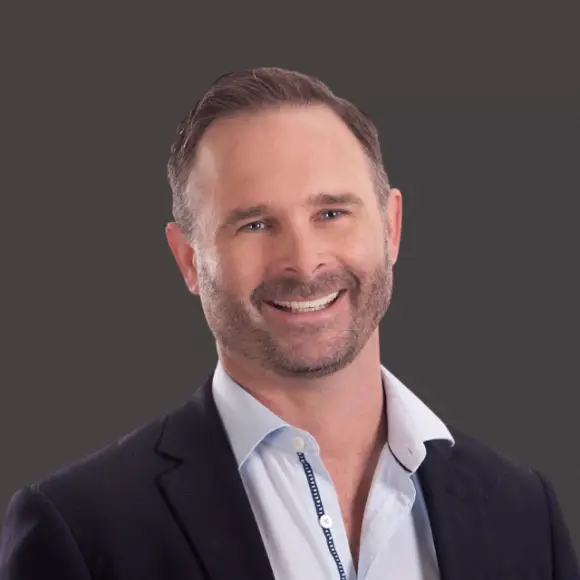
Christian Small, MD
Medical Director

Venice Sanchez, MD
Medical Director
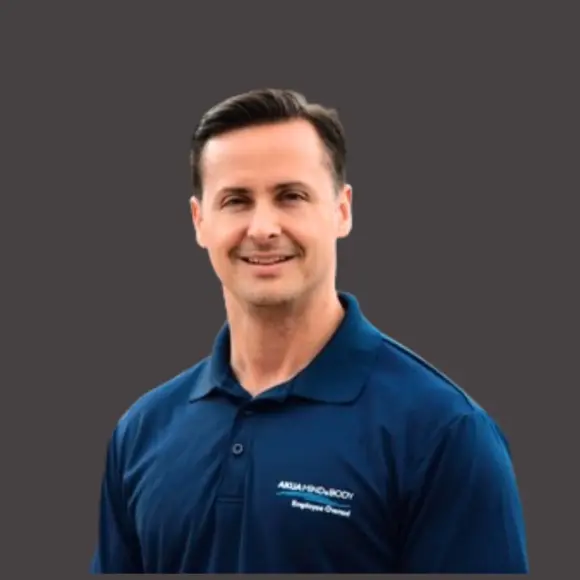
Tony Guerena, MFT
VP

Aven Armstrong-Sutton, PhD, LCSW, BCD
Clinical Director

Piyush Saluja, MHA, LMFT
VP

Rosie Jackson
Director of Finance & HR
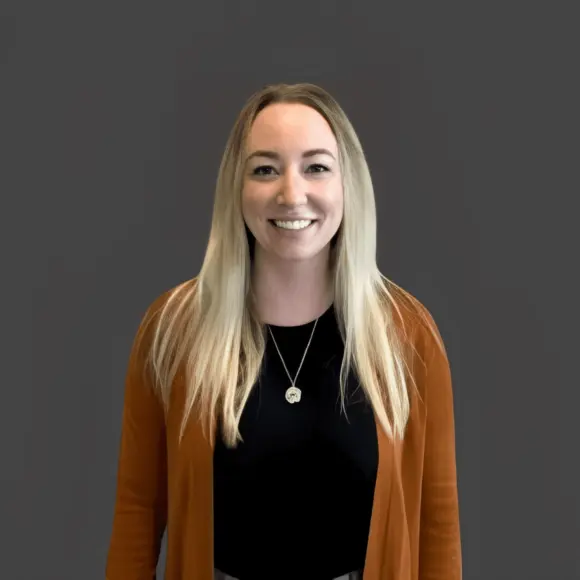
Molly Davenport, BA, RADT
Program Manager
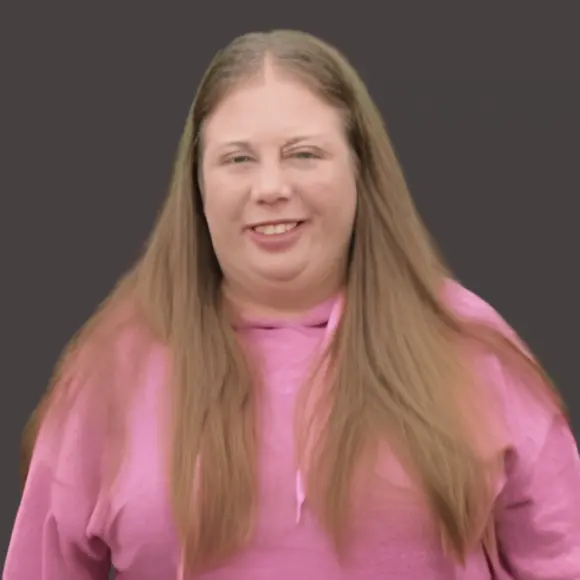
Michelle Molnar, MS, AMFT
Case Manager
Accreditations

LegitScript has reviewed Akua Mind Body – Mental Health & Addiction Treatment Newport Beach as part of their certification program, and has determined that it meets the LegitScript standards for legality, safety and transparency.
LegitScript verified in February 2020

The Joint Commission, formerly known as JCAHO, is a nonprofit organization that accredits rehab organizations and programs. Founded in 1951, the Joint Commision's mission is to improve the quality of patient care and demonstrating the quality of patient care.
Joint Commission Accreditation: Yes
Accreditation Number: 574851
Rehab.com regularly reviews this listing for accuracy but changes may occur between updates. For the most up-to-date information, please contact Akua Mind Body – Mental Health & Addiction Treatment Newport Beach.
Contact Information

20271 SouthWest Birch Street
Suite 202
Newport Beach, CA 92660
Get Help Now - 949-484-8743
Sponsored Helpline
Sponsored Helpline


