











Elevate Addiction Services - SLT
1
Top 10 Rehab Centers In South Lake Tahoe



















































































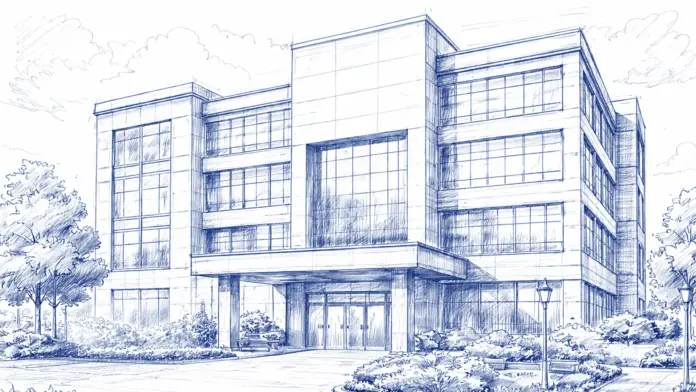
You’ll find Tigard Comprehensive Treatment Center in Tigard, Oregon, about 10 miles southwest of Portland. They provide specialized opioid addiction treatment for adults aged 18 and older. You can access outpatient medication assisted treatment (MAT) to reach your recovery goals. They accept commercial insurance, Medicaid, Medicare and TRICARE. Private pay options are also available.
Their MAT programs provide an integrated approach with FDA approved medications and behavioral therapies. These medications can help you manage withdrawal symptoms and cravings while honing in on recovery. You’ll benefit from getting to the root of addiction with dialectical behavior therapy and cognitive behavioral therapy in group and individual sessions.
What stands out most to me is their wide range of MAT options. They prescribe methadone, naltrexone, Suboxone or buprenorphine. Their expert clinicians work with you to determine the best type and dosage for your journey. You’ll benefit from a personalized approach to ensure you receive the right support at the right time.
Another great feature that caught my eye was their accessibility. Deciding to seek treatment is a challenging decision. They ensure you can get the help you need whenever you’re ready. You can access same day admissions and 24/7 appointment scheduling. They also provide take home dosing based on your unique situation. They strive to help you find the best solution to start recovery and stay on track.
Near the treatment center you’ll find multiple attractions that can support your recovery efforts. Fanno Creek Park offers walking trails and green spaces for fitness or quiet reflection. The tigard Public Library provides community programs and involvement. Or you can head to Cook Park to make use of their athletic fields, picnic areas and Tualatin River access.



 Our Methodology


Private insurance refers to any kind of healthcare coverage that isn't from the state or federal government. This includes individual and family plans offered by an employer or purchased from the Insurance Marketplace. Every plan will have different requirements and out of pocket costs so be sure to get the full details before you start treatment.
Self-pay involves paying for treatment out of your own pocket. You can use savings or credit, get a personal loan, or receive help from family and friends to fund your treatment. If you don't have insurance or your insurance plan doesn't cover a specific program, self-pay can help ensure you still get the care you need.
Financial aid can take many forms. Centers may have grants or scholarships available to clients who meet eligibility requirements. Programs that receive SAMHSA grants may have financial aid available for those who need treatment as well. Grants and scholarships can help you pai for treatment without having to repay.
Medicaid is a state based program that helps lower-income individuals and families pay for healthcare. Medicaid covers addiction treatment so those enrolled can use their coverage to pay for rehab. When a program accepts Medicaid the client often pays very little or nothing out of their own pocket.
Medicare is a federal program that provides health insurance for those 65 and older. It also serves people under 65 with chronic and disabling health challenges. To use Medicare for addiction treatment you need to find a program that accepts Medicare and is in network with your plan. Out of pocket costs and preauthorization requirements vary, so always check with your provider.
Military members, veterans, and eligible dependents have access to specific insurance programs that help them get the care they need. TRICARE and VA insurance can help you access low cost or no cost addiction and mental health treatment. Programs that accept military insurance often have targeted treatment focused on the unique challenges military members, veterans, and their families face.
Outpatient Programs (OP) are for those seeking mental rehab or drug rehab, but who also stay at home every night. The main difference between outpatient treatment (OP) and intensive outpatient treatment (IOP) lies in the amount of hours the patient spends at the facility. Most of the time an outpatient program is designed for someone who has completed an inpatient stay and is looking to continue their growth in recovery. Outpatient is not meant to be the starting point, it is commonly referred to as aftercare.
Drug and alcohol addiction often takes a heavy toll on one's body. Over time, a physical dependence can develop, meaning the body physiologically needs the substance to function. Detox is the process of removing drugs and/or alcohol from the body, a process that can be lethal if mismanaged. Medical detox is done by licensed medical professionals who monitor vital signs and keep you safe, healthy, and as comfortable as possible as you go through detox and withdrawal. The length of stay at the detoxification program is determined according to the specific needs of the patient.
Intervention services helps family or friends of addicts stage an intervention, which is a meeting in which loved ones share their concerns and attempt to get an addict into treatment. Professional intervention specialists can help loved ones organize, gather, and communicate with an addict. They can guide intervention participants in describing the damage the addict's behavior is causing and that outside help is necessary to address the addiction. The ideal outcome of an intervention is for the addict to go to rehab and get the help they need
Opioid rehabs specialize in supporting those recovering from opioid addiction. They treat those suffering from addiction to illegal opioids like heroin, as well as prescription drugs like oxycodone. These centers typically combine both physical as well as mental and emotional support to help stop addiction. Physical support often includes medical detox and subsequent medical support (including medication), and mental support includes in-depth therapy to address the underlying causes of addiction.
Substance rehabs focus on helping individuals recover from substance abuse, including alcohol and drug addiction (both illegal and prescription drugs). They often include the opportunity to engage in both individual as well as group therapy.
Adult rehab programs include therapies tailored to each client's specific needs, goals, and recovery progress. They are tailored to the specific challenges adult clients may face, including family and work pressures and commitments. From inpatient and residential treatment to various levels of outpatient services, there are many options available. Some facilities also help adults work through co-occurring conditions, like anxiety, that can accompany addiction.
Young adulthood can be an exciting, yet difficult, time of transition. Individuals in their late teens to mid-20s face unique stressors related to school, jobs, families, and social circles, which can lead to a rise in substance use. Rehab centers with dedicated young adult programs will include activities and amenities that cater to this age group, with an emphasis on specialized counseling, peer socialization, and ongoing aftercare.
Group therapy is any therapeutic work that happens in a group (not one-on-one). There are a number of different group therapy modalities, including support groups, experiential therapy, psycho-education, and more. Group therapy involves treatment as well as processing interaction between group members.
In individual therapy, a patient meets one-on-one with a trained psychologist or counselor. Therapy is a pivotal part of effective substance abuse treatment, as it often covers root causes of addiction, including challenges faced by the patient in their social, family, and work/school life.
 Private Setting
The Commission on Accreditation of Rehabilitation Facilities (CARF) is a non-profit organization that specifically accredits rehab organizations. Founded in 1966, CARF's, mission is to help service providers like rehab facilities maintain high standards of care.
CARF Accreditation: Yes

The Substance Abuse and Mental Health Services Administration (SAMHSA) is a branch of the U.S. Department of Health and Human Services. Established in 1992 by congress, SAMHSA's mission is to reduce the impact of substance abuse and mental illness on American's communities.
SAMHSA Listed: Yes
Rehab.com regularly reviews this listing for accuracy but changes may occur between updates. For the most up-to-date information, please contact Tigard Comprehensive Treatment Center.

10763 SW Greenburg Road
Tigard, OR 97223
Sponsored Helpline

CRC Allied Health is awesome! I was bottom of the barrel a few years ago. They pulled me up and out of that dark place. Their system is tried and true but it does require you to follow their protocols and have a little determination. Keep up the good work CRC!

The Nurses go above and beyond Especially Narissa, Cynthia and Shauna! Counselors are great too! K-La, Margaret, Andrew, Laura and Trish are the Veterans than keep the geas greased!! To Every name I mentioned on this review; YOU ARE AN ASSET TOO Allied: Tigard We need you and appreciate your hard work and patience. Thank you!! -MASON C.

Great staff, they don’t give up on you no matter how many times you have failed. Went there for 4 years. Always felt good here

I have been here for over 8yrs, I see the bad reviews and laugh because they are false, it DOESNT take 45mins to get dosed, you DONT have to beg for your dose. If you do your groups, meet with counselors, you WILL get dosed. 1 to 2 times a year they have computer issues and wait times are 20-45mins. But most everyday its 5-15mins 15mins MAXXX. addicts are great at not telling the truth and blowing things out of proportion. Yes there are times when its busy, all you do is come 15mins earlier next time and it wont be busy. The only people getting holds and issues with this place are people that dont follow the rules, then they blame the staff for the hold. Take some responsibility, follow the rules, dont be a jerk, & you will have a easy road to recovery. Its your CHOICE to come here and get help, follow the rules or find somewhere else to pawn off your bs. This place is wonderful, caring, & attentive. Its always clean the nurses are super nice and actually care about us as a patient, most of the counselors love their job, but rarely 1 starts working there that isnt in it for the right reasons, but they quit rightaway. The only thing I would change is some how making the staff feel more important, paying them more, IDK but they deserve so much more dealing with addicts all day.
 Back
Back
Sharing your insights and experiences can help others learn more about this rehab center.
 Written By: Mariah Bourne
M.A.
Written By: Mariah Bourne
M.A.
