





























































































About Bangor Comprehensive Treatment Center
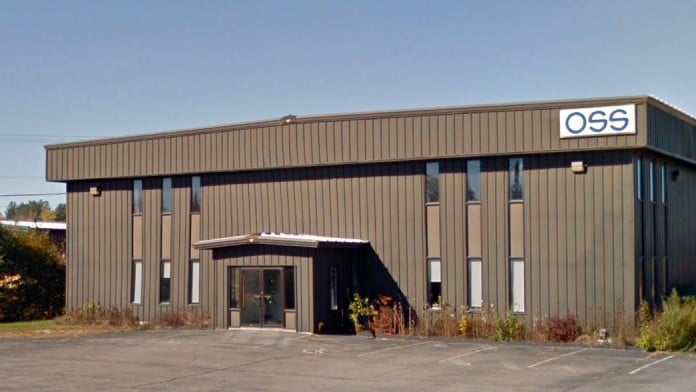
Bangor Comprehensive Treatment Center offers opioid addiction recovery services in Bangor, Maine. These services are available for individuals age 18 and older and of any gender. Medication assisted treatment is the primary service provided at this facility. The staff is experienced in treating clients with addictions to various opioids, including heroin and prescription painkillers. Medicaid and Medicare are accepted, and individuals may be able to qualify for state or public funding.
Medication Treatment Customized to Your Needs
One thing I noticed about this facility is that, in contrast to other methadone clinics, they provide both methadone and Suboxone as options for treatment. Having both medications allows the staff to pick one that best fits your needs. Common symptoms that can occur when clients stop opioid use include muscle cramps, stomach pain, and intense cravings for opioids. Both medications can help to reduce your overall physical discomfort.
While the medical staff will start you on a specific dosage, they’re ready to make adjustments as needed to make sure you’re on track to meet your recovery goals. As the physical discomfort is being reduced, you’ll receive counseling to give you a better understanding of your addiction. Your counselor will work with you to make lifestyle and behavioral changes necessary to support your recovery. You’ll primarily be participating in group therapy, where you can receive support from your peers and learn from their diverse perspectives.
Interesting Attractions in Bangor
Walking through the Bangor City Forest or visiting the Orono Bog Boardwalk are a few of the interesting attractions you can check out in Bangor. You might also enjoy checking out the Cole Land Transportation Museum.
Latest Reviews



Rehab Score
 Our Methodology


Gallery

Other Forms of Payment
Self-pay involves paying for treatment out of your own pocket. You can use savings or credit, get a personal loan, or receive help from family and friends to fund your treatment. If you don't have insurance or your insurance plan doesn't cover a specific program, self-pay can help ensure you still get the care you need.
Private insurance refers to any kind of healthcare coverage that isn't from the state or federal government. This includes individual and family plans offered by an employer or purchased from the Insurance Marketplace. Every plan will have different requirements and out of pocket costs so be sure to get the full details before you start treatment.
Medicaid is a state based program that helps lower-income individuals and families pay for healthcare. Medicaid covers addiction treatment so those enrolled can use their coverage to pay for rehab. When a program accepts Medicaid the client often pays very little or nothing out of their own pocket.
Medicare is a federal program that provides health insurance for those 65 and older. It also serves people under 65 with chronic and disabling health challenges. To use Medicare for addiction treatment you need to find a program that accepts Medicare and is in network with your plan. Out of pocket costs and preauthorization requirements vary, so always check with your provider.
Addiction Treatments
Levels of Care
Outpatient Programs (OP) are for those seeking mental rehab or drug rehab, but who also stay at home every night. The main difference between outpatient treatment (OP) and intensive outpatient treatment (IOP) lies in the amount of hours the patient spends at the facility. Most of the time an outpatient program is designed for someone who has completed an inpatient stay and is looking to continue their growth in recovery. Outpatient is not meant to be the starting point, it is commonly referred to as aftercare.
Intensive outpatient programs (IOP) enable clients to remain in or return to their community while receiving high-level treatment. Most rehabs offering intensive outpatient treatment require clients to commit to a minimum of nine therapeutic hours per week, though clients who need more robust care often receive up to 20 hours of service weekly. Treatment modalities vary, but generally include psychotherapy, recovery education, evidence-based holistic therapies, and medication assisted treatment (MAT) for alcohol and/or opioid addiction.
Medical detox is the process of removing addictive substances from your body while under medical supervision. Quitting alcohol and drugs on your own can cause uncomfortable and even dangerous side effects. In a medically supervised detox, licensed medical professionals monitor you 24/7 to help keep you as safe and comfortable as possible. The process is highly individualized to fit your specific needs, but the medical detox generally takes 5-7 days.
Programs
Adult rehab programs include therapies tailored to each client's specific needs, goals, and recovery progress. They are tailored to the specific challenges adult clients may face, including family and work pressures and commitments. From inpatient and residential treatment to various levels of outpatient services, there are many options available. Some facilities also help adults work through co-occurring conditions, like anxiety, that can accompany addiction.
Clinical Services
Individual therapy offers personalized sessions for drug and alcohol addiction treatment to help uncover and address the root causes of addictive behavior. Your therapist will provide individualized, one on one support to help you build resilience and develop healthier habits with a focus on long term sobriety.
Amenities
-
 Residential Setting
Accreditations

The National Association of Addiction Treatment Providers (NAATP) is a professional association that represents organizations in the field of addiction services. Founded in 1978, NAATP's mission is to advance addiction services and ensure that high-quality addiction treatment is available and accessible.
NAATP Member: Yes

The Substance Abuse and Mental Health Services Administration (SAMHSA) is a branch of the U.S. Department of Health and Human Services. Established in 1992 by congress, SAMHSA's mission is to reduce the impact of substance abuse and mental illness on American's communities.
SAMHSA Listed: Yes
Rehab.com regularly reviews this listing for accuracy but changes may occur between updates. For the most up-to-date information, please contact Bangor Comprehensive Treatment Center.
Contact Information


689 Odlin Rd
Suite 1
Bangor, ME 04401
Sponsored Helpline



