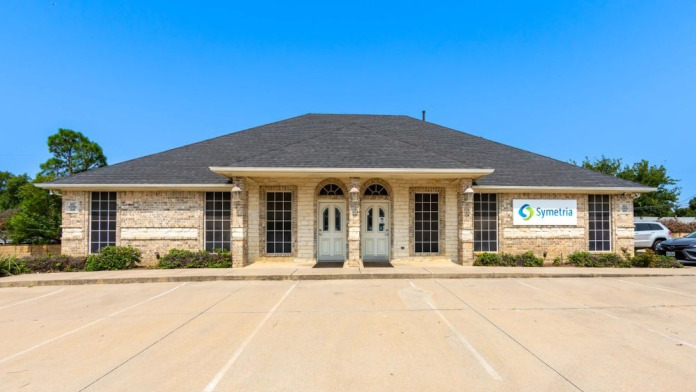
Symetria — Hurst Outpatient Rehab & Suboxone Clinic
1
Top 10 Rehab Centers In Hurst



















































































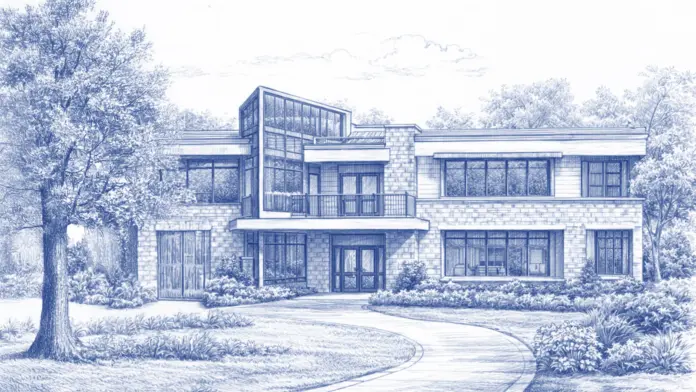
Behavioral Health Center – Mental Health of Nueces Center for Mental Health and Intellectual Disabilities serves adults 18 and older in Corpus Christi, Texas.
The center provides outpatient counseling, case management and medication support for mental health conditions and co-occurring substance use concerns.
Care is individually designed to promote independence, choice, and lasting recovery for Nueces County residents.
The Brownlee Boulevard location specializes in outpatient treatment for adults living with major depression, bipolar disorder, schizophrenia and related disorders, and other conditions that interfere with daily life.
The team also supports clients navigating co-occurring drug and alcohol use through counseling and medication access.
Treatment typically includes individual counseling, family counseling and case management, paired with medication support to stabilize symptoms and sustain recovery.
Sessions focus on building practical skills, addressing underlying challenges and connecting clients to community resources that reinforce long-term wellness.
Besides offering clinical care, the center offers wellness programming such as exercise and nutrition support, job training and help applying for Social Security Disability and SSI benefits.
Veterans, military members and their families are specifically welcomed with services designed to address the broader realities of daily life alongside mental health recovery.

 Our Methodology


Medicaid is a state based program that helps lower-income individuals and families pay for healthcare. Medicaid covers addiction treatment so those enrolled can use their coverage to pay for rehab. When a program accepts Medicaid the client often pays very little or nothing out of their own pocket.
Private insurance refers to any kind of healthcare coverage that isn't from the state or federal government. This includes individual and family plans offered by an employer or purchased from the Insurance Marketplace. Every plan will have different requirements and out of pocket costs so be sure to get the full details before you start treatment.
Self-pay involves paying for treatment out of your own pocket. You can use savings or credit, get a personal loan, or receive help from family and friends to fund your treatment. If you don't have insurance or your insurance plan doesn't cover a specific program, self-pay can help ensure you still get the care you need.
Sliding scale payments are based on a client's income and family size. The goal is to make treatment affordable to everyone. By taking these factors into account, addiction recovery care providers help ensure that your treatment does not become a financial burden to you or your family, eliminating one barrier to care.
Medicare is a federal program that provides health insurance for those 65 and older. It also serves people under 65 with chronic and disabling health challenges. To use Medicare for addiction treatment you need to find a program that accepts Medicare and is in network with your plan. Out of pocket costs and preauthorization requirements vary, so always check with your provider.
Military members, veterans, and eligible dependents have access to specific insurance programs that help them get the care they need. TRICARE and VA insurance can help you access low cost or no cost addiction and mental health treatment. Programs that accept military insurance often have targeted treatment focused on the unique challenges military members, veterans, and their families face.
Outpatient Programs (OP) are for those seeking mental rehab or drug rehab, but who also stay at home every night. The main difference between outpatient treatment (OP) and intensive outpatient treatment (IOP) lies in the amount of hours the patient spends at the facility. Most of the time an outpatient program is designed for someone who has completed an inpatient stay and is looking to continue their growth in recovery. Outpatient is not meant to be the starting point, it is commonly referred to as aftercare.
Many of those suffering from addiction also suffer from mental or emotional illnesses like schizophrenia, bipolar disorder, depression, or anxiety disorders. Rehab and other substance abuse facilities treating those with a dual diagnosis or co-occurring disorder administer psychiatric treatment to address the person's mental health issue in addition to drug and alcohol rehabilitation.
Mental health rehabs focus on helping individuals recover from mental illnesses like bipolar disorder, clinical depression, anxiety disorders, schizophrenia, and more. Mental health professionals at these facilities are trained to understand and treat mental health issues, both in individual and group settings.
Adult rehab programs include therapies tailored to each client's specific needs, goals, and recovery progress. They are tailored to the specific challenges adult clients may face, including family and work pressures and commitments. From inpatient and residential treatment to various levels of outpatient services, there are many options available. Some facilities also help adults work through co-occurring conditions, like anxiety, that can accompany addiction.
Young adulthood can be an exciting, yet difficult, time of transition. Individuals in their late teens to mid-20s face unique stressors related to school, jobs, families, and social circles, which can lead to a rise in substance use. Rehab centers with dedicated young adult programs will include activities and amenities that cater to this age group, with an emphasis on specialized counseling, peer socialization, and ongoing aftercare.
Cognitive Behavioral Therapy (CBT) is a therapy modality that focuses on the relationship between one's thoughts, feelings, and behaviors. It is used to establish and allow for healthy responses to thoughts and feelings (instead of unhealthy responses, like using drugs or alcohol). CBT has been proven effective for recovering addicts of all kinds, and is used to strengthen a patient's own self-awareness and ability to self-regulate. CBT allows individuals to monitor their own emotional state, become more adept at communicating with others, and manage stress without needing to engage in substance abuse.
Group therapy is any therapeutic work that happens in a group (not one-on-one). There are a number of different group therapy modalities, including support groups, experiential therapy, psycho-education, and more. Group therapy involves treatment as well as processing interaction between group members.
In individual therapy, a patient meets one-on-one with a trained psychologist or counselor. Therapy is a pivotal part of effective substance abuse treatment, as it often covers root causes of addiction, including challenges faced by the patient in their social, family, and work/school life.

CEO
Medical Director
Human Resource Director

Deputy CEO
Rehab.com regularly reviews this listing for accuracy but changes may occur between updates. For the most up-to-date information, please contact Behavioral Health Center – Mental Health.

1546 South Brownlee Boulevard
Corpus Christi, TX 78404
Sponsored Helpline

0 rating if i could. IF YOU ARE WANTING TO GET SERIOUS HELP AND SUPPORT, DO NOT AND I REPEAT DO NOT GO HERE!! they claim they will help you , then do it on THEIR time not even caring about the situation at hand, some of them VAPE ,(jackelyn brady is all i know of), and they are robotic. its almost as if they are programmed to all act the same and say the same things. not sure what happened ever since MALLORIE GOMEZ became the case manager , but ive noticed less and less communication, caring, and support. and specifically from THESE WOMEN working there, MALLORIE GOMEZ, JEANETTE, JULIA, JACKELYN BRADY.(dont have the last names for all , but youll know who im talking about , they only have a few people working there now). i HIGHLY suggest going somewhere else for some real help because at this point theyre just taking your money . please be safe out here and dont settle for places like this. and i hope and pray that this place gets a clean sweep and weeded out of the people working here for the love of the people who actually need help.🤍

so , ive been using mhid services for a while , and ever since i got jackie or jackelyn Brady its been a complete MESS. she always cancels on me, she wont text me back so im left in the dark about the appointment until AFTER she feels like responding. so inconsiderate and rude, im trying to get MY LIFE together and here she is canceling appointments and letting me know almost an hour AFTER the set date was confirmed 3 times. so unprofessional , if you ever take services here, DO NOT TAKE JACKELYN BRADY AS YOUR CASE WORKER unless you want to have little to no help at all.

This place saved my life, i have yet to have bad experiences with this facility.

I'm from the bottom of my Heart and my families We appreciate everything every worker does for this center .you all are what makes it happen for the lost ..the weary..that we are not alone .u are there to show us We are not alone.God has us like u do ..y'all give y'all's one hundred and expect nothing in return but only to be better than we were before every day and I'm Grateful for your services I got out of homelessnesss due to you all..I got the mental health and medication I needed ..and I'm still learning to be a Human .most of all Treated me like a human Thank you all staff of MHID
 Back
Back
Sharing your insights and experiences can help others learn more about this rehab center.