






























































































Awful awful awful. The only way I can describe my experience. After a long wait for my intake I was finally able to speak to the nurse/doctor and she was the worst person I ever met. Before I even had a chance to get a word out she berated me and said I’m a junkie who need ...
About BHG Glen Allen Treatment Center
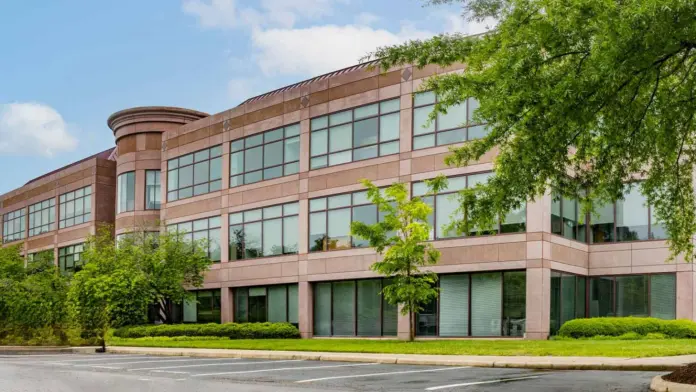
Behavioral Health Group Opioid Treatment Center – Glen Allen is a drug rehab in Glen Allen, Virginia, providing leading outpatient addiction treatment and medication-assisted treatment (MAT) for individuals with opioid use disorder.
Behavioral Health Group is a national leader in providing safe and supportive medication services to help men and women navigate their opioid use struggles. This is one of their treatment centers located in Glen Allen, Virginia. Through this outpatient clinic, you’ll work with mental health professionals and physicians who will determine if medication therapy can help you on the path to recovery.
You can walk in for immediate support if you need it and they accept policies for most major insurance providers including Medicaid and Medicare. There are sliding feed scales available for individuals who qualify.
Medication assisted treatment is the core service provided by the Behavioral Health Group. Here, you’ll have access to FDA approved medications including Suboxone and methadone. These medications can help you manage your withdrawal symptoms and minimize cravings to help you work toward a sustainably sober future. They have flexible dosing hours including hours on Saturday. Anyone can walk into this clinic for care as they routinely accept new patients.
One of the benefits of seeking services with the Behavioral Health Group is that if you do move within the state or outside of it then you’ll likely find another BHG treatment center to continue your recovery.
There’s also addiction counseling offered at this location which helps them stand out from a traditional dosing clinic. Through addiction counseling, you’ll have an experienced and trained professional who will speak with you about obstacles in your recovery and how to overcome them.
Located just outside of the state’s capital, Glenn Allen is a suburb of Richmond. You’ll find beautiful landscapes that will help you focus on your recovery. You’re close to natural landmarks including the nearby James River and the Shenandoah Mountains to your west.
Latest Reviews
I personally love everyone who works here. they've been so supportive over my time as a patient. Highly recommend for anyone wanting change. Great staff great providers. They actually care,
Response from the owner1 week ago
Appreciate you sharing your thoughts! Thank you!
The staff at this clinic are exceptionally great at everything they do and more. I have never seen a clinic this awesome!!!
Response from the owner1 week ago
Thank you for your wonderful feedback! Your kind words mean a great deal to our staff and the work they do every day. 💙
Quite, nice staff, lines usually aren't terribly.lomg.like.most other clinics
Response from the owner1 week ago
Appreciate you sharing your thoughts and the high rating! We’ll use your feedback as we continue to strive for excellence. 
Rehab Score
 Our Methodology
Scoring is assigned by a proprietary system which helps surface key metrics that determine quality. The 10-point scale factors in categories such as operations, customer satisfaction, and trust metrics. Read Full Methodology

8 / 10
Gallery
Accepted Insurance
Other Forms of Payment
Private insurance refers to any kind of healthcare coverage that isn't from the state or federal government. This includes individual and family plans offered by an employer or purchased from the Insurance Marketplace. Every plan will have different requirements and out of pocket costs so be sure to get the full details before you start treatment.
Self-pay involves paying for treatment out of your own pocket. You can use savings or credit, get a personal loan, or receive help from family and friends to fund your treatment. If you don't have insurance or your insurance plan doesn't cover a specific program, self-pay can help ensure you still get the care you need.
Medicare is a federal program that provides health insurance for those 65 and older. It also serves people under 65 with chronic and disabling health challenges. To use Medicare for addiction treatment you need to find a program that accepts Medicare and is in network with your plan. Out of pocket costs and preauthorization requirements vary, so always check with your provider.
Medicaid is a state based program that helps lower-income individuals and families pay for healthcare. Medicaid covers addiction treatment so those enrolled can use their coverage to pay for rehab. When a program accepts Medicaid the client often pays very little or nothing out of their own pocket.
Addiction Treatments
Levels of Care
Outpatient Programs (OP) are for those seeking mental rehab or drug rehab, but who also stay at home every night. The main difference between outpatient treatment (OP) and intensive outpatient treatment (IOP) lies in the amount of hours the patient spends at the facility. Most of the time an outpatient program is designed for someone who has completed an inpatient stay and is looking to continue their growth in recovery. Outpatient is not meant to be the starting point, it is commonly referred to as aftercare.
Clients who are in early recovery, leaving detox, or experiencing a crisis often require the intensive treatment of an inpatient rehab facility. Clients in inpatient care receive robust clinical supervision, housing, and meals, allowing them to focus exclusively on their recovery while they stabilize. The primary treatment modalities used in most inpatient centers include extensive addiction counseling and recovery-focused life skills training. Many drug rehabs also offer holistic therapies, such as music, art, fitness, and experiential therapies.
Clients in an intensive outpatient rehab (IOP) benefit from robust support but often do not require the high-level supervision and round-the-clock clinical care provided in an inpatient setting. Clients engage in multiple therapeutic sessions weekly, with most programs requiring between nine and 20 treatment hours per week. Intensive outpatient rehabs provide a wide array of evidence-based services, including addiction counseling, recovery-focused life skills training, holistic therapies, and medication assisted treatment (MAT).
Clients participating in a rehab aftercare program receive comprehensive and customized support as they leave high-intensity treatment, reintegrate into their community, and focus on maintaining their sobriety. These programs offer a wide variety of services to align with the client's unique and evolving needs, often including medical, mental health, and social service program referrals. Clients typically develop their drug rehab aftercare plan in conjunction with their case manager and care team.
A drug intervention in Virginia requires careful planning and execution. Due to complex family dynamics, intervention services are often necessary to help families successfully navigate the process. An intervention specialist can help family members plan what they will say and then facilitate the conversation. This expert also educates everyone involved about addiction, enabling behaviors, and treatment options.
24-hour clinical care in Virginia features a highly trained team of professionals to treat your physical, mental, and emotional needs. Doctors and nurses are available to prescribe and administer medications. Psychologists and counselors provide professional counseling. Other experts such as nutritionists and addiction specialists may also offer support. This 24/7, comprehensive care is designed to give you the support you need to begin a successful recovery.
Known as the first step of the addiction recovery process, medical detox is the removal of addictive drugs and alcohol from your body and helping manage physical withdrawal. Medically assisted detox takes place in an inpatient setting where you will be closely monitored by a team of medical professionals to ensure your maximum health and safety. Medications like Suboxone or Vivitrol may be administered if needed to alleviate any potential withdrawal symptoms. This process is typically at least partially covered by most insurance plans.
Programs
Adult rehab programs include therapies tailored to each client's specific needs, goals, and recovery progress. They are tailored to the specific challenges adult clients may face, including family and work pressures and commitments. From inpatient and residential treatment to various levels of outpatient services, there are many options available. Some facilities also help adults work through co-occurring conditions, like anxiety, that can accompany addiction.
Young adulthood can be an exciting, yet difficult, time of transition. Individuals in their late teens to mid-20s face unique stressors related to school, jobs, families, and social circles, which can lead to a rise in substance use. Rehab centers with dedicated young adult programs will include activities and amenities that cater to this age group, with an emphasis on specialized counseling, peer socialization, and ongoing aftercare.
Clinical Services
When men and women in Virginia participate in group therapy sessions, they learn to freely express their emotions in a non judgmental setting. This helps you process your feelings and begin to understand the link between your thoughts, feelings, and behaviors that are associated with addictive behavior.
Men and women in Virginia use individual therapy to focus on addiction related challenges as a necessary part of their drug and alcohol addiction treatment. Your therapist guides you in developing coping strategies, setting realistic goals, and building a strong foundation for an improved quality of life.
Trauma therapy helps you understand and manage the emotional and physical responses that often follow witnessing or experiencing traumatic events. Using therapeutic interventions, your therapist works with you to reframe that experience, which in turn reduces your anxiety and helps you regain control over your life.
If you've experienced addiction, you may have lost the skills to self manage and adapt to change. Because these basic life skills are crucial for recovery, drug rehab programs typically include life skills training as an integral part of treatment.
Amenities
-
 Private Transportation
 -
 Residential Setting
 -
 Private Rooms
Staff & Accreditations
Staff
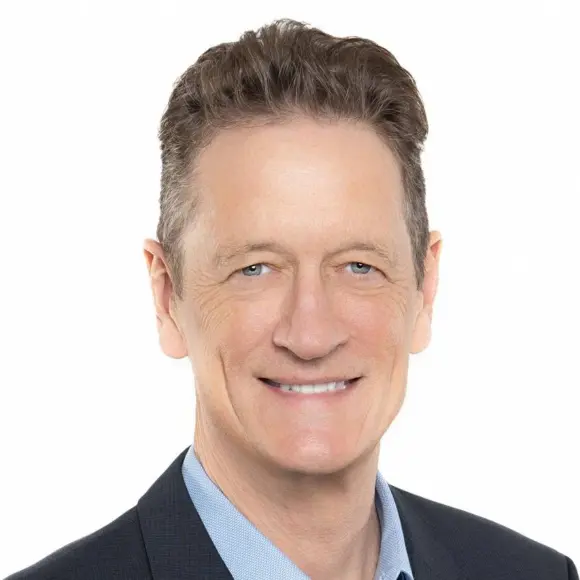
Jay Higham
CEO
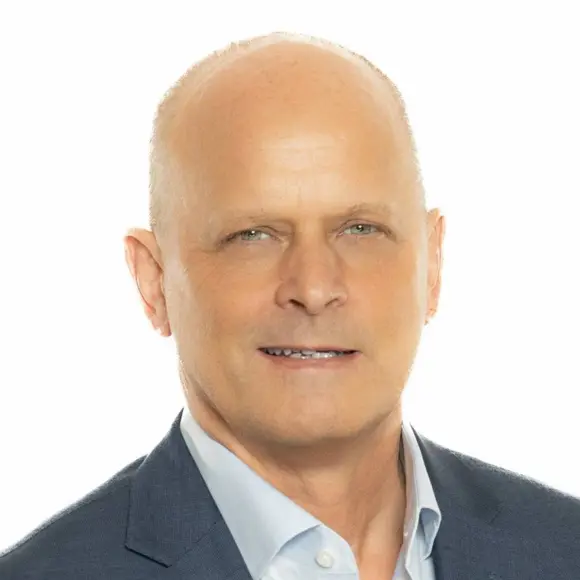
James Hopwood
CFO
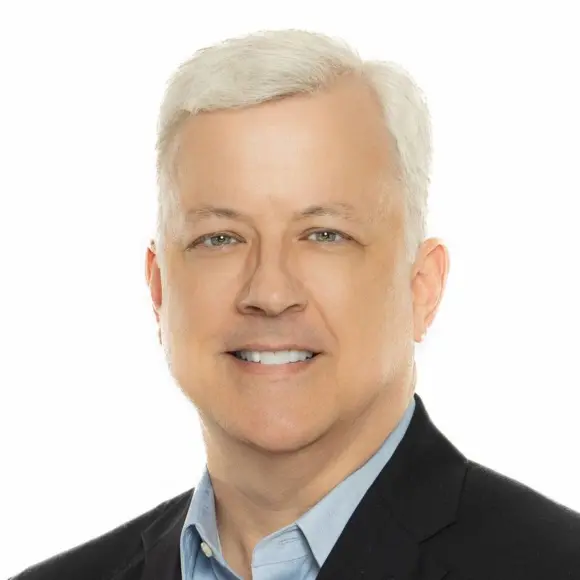
John Whisler
VP for Finance
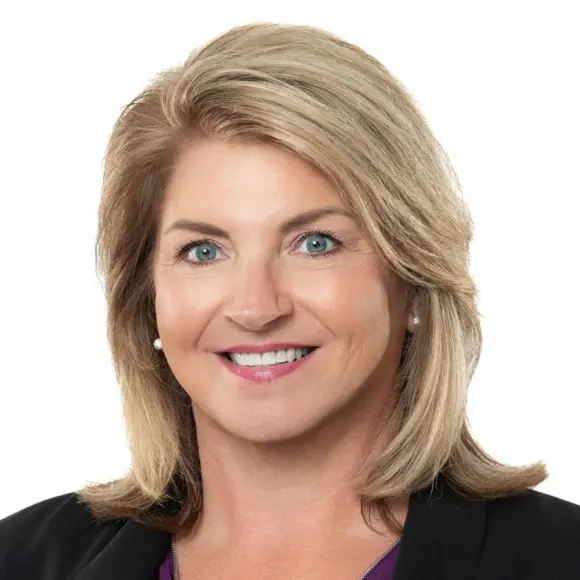
Julie Koenig
COO
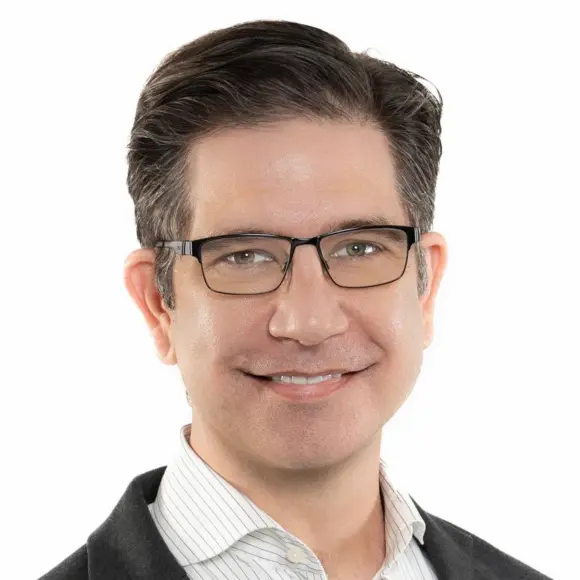
Benjamin Nordstrom, MD, PhD
Chief Medical Officer
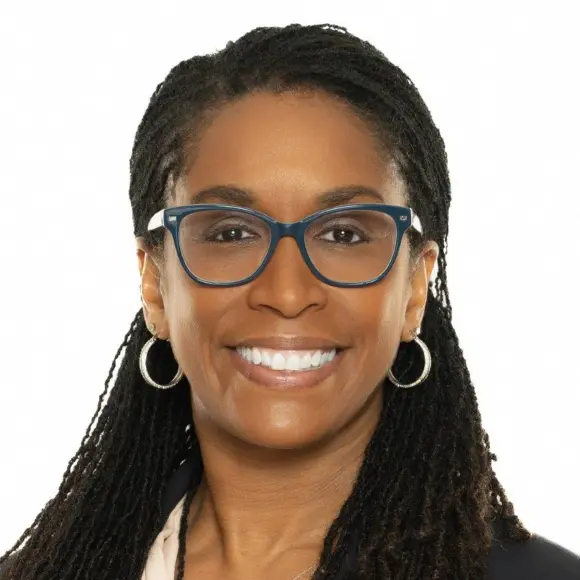
Kamala Greene Genece
Chief Clinical Officer
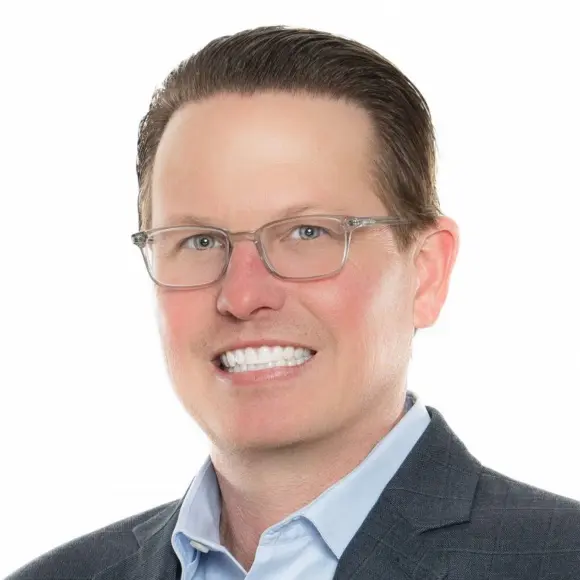
Russel Goin
Chief People Officer
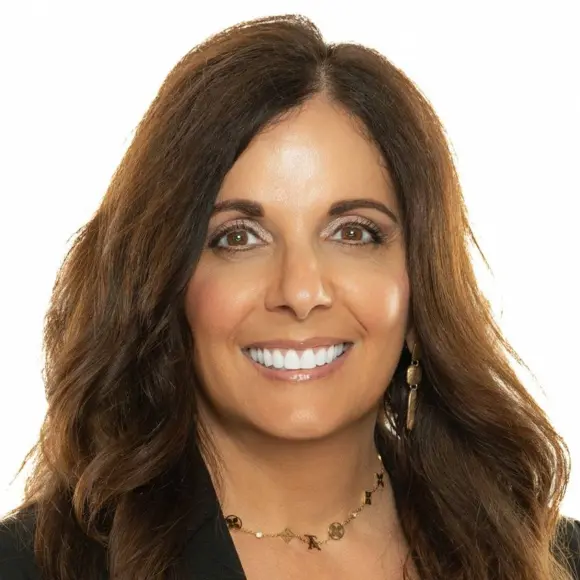
Angela Valchine
Senior VP for Sales & Marketing
Accreditations

The Substance Abuse and Mental Health Services Administration (SAMHSA) is a branch of the U.S. Department of Health and Human Services. Established in 1992 by congress, SAMHSA's mission is to reduce the impact of substance abuse and mental illness on American's communities.
SAMHSA Listed: Yes

State Licenses are permits issued by government agencies that allow rehab organizations to conduct business legally within a certain geographical area. Typically, the kind of program a rehab facility offers, along with its physical location, determines which licenses are required to operate legally.
State License: Virginia

The Joint Commission, formerly known as JCAHO, is a nonprofit organization that accredits rehab organizations and programs. Founded in 1951, the Joint Commision's mission is to improve the quality of patient care and demonstrating the quality of patient care.
Joint Commission Accreditation: Yes
Rehab.com regularly reviews this listing for accuracy but changes may occur between updates. For the most up-to-date information, please contact BHG Glen Allen Treatment Center.
Contact Information

13100 Mountain Rd
Glen Allen, VA 23059
Get Help Now - 804-331-4905
Sponsored Helpline
Sponsored Helpline


