





























































































About Belmont Behavioral Health Hospital
Belmont Behavioral Health Hospital is a behavioral health and substance use treatment provider in Philadelphia, Pennsylvania serving all ages.
With more than 80 years of service the hospital offers a full continuum of care that includes inpatient treatment and partial hospitalization as well as intensive outpatient and outpatient psychiatry.
What kinds of treatment does Belmont Behavioral Health Hospital offer?
Belmont provides inpatient care including an adult co-occurring disorders program that treats mental health conditions and substance use together.
Outpatient services include PHP, IOP, and outpatient psychiatry along with counseling and medication management.
Evidence-based approaches include CBT and DBT, mindfulness, and 12-Step programming.
Who can get help here?
The hospital serves children and adolescents, adults, and older adults facing mental health and co-occurring substance use concerns.
Specialty tracks include adult co-occurring disorders and mood disorders treatment, child and adolescent services, and an autism program for children ages five to 12.
Where is the hospital located?
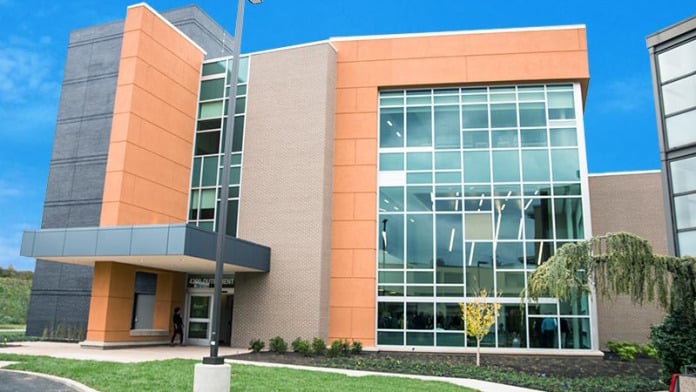
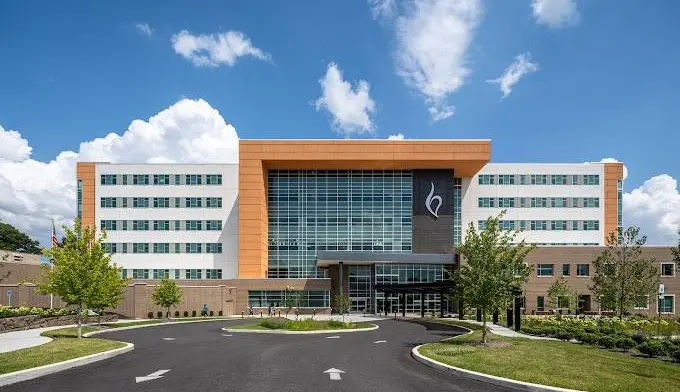
Belmont is located at 4200 Monument Road in Philadelphia which is its main campus for both inpatient and outpatient care. The grounds feature a healing garden and recreation areas, a gym, and outdoor spaces that support recovery.
Do they take insurance or self-pay?
Belmont accepts all major forms of insurance along with private pay, cash, credit card, and checks. Free confidential assessments are available through the admissions team.
Facility Overview
 252
252 Latest Reviews



Rehab Score
 Our Methodology


Gallery

Other Forms of Payment
Private insurance refers to any kind of healthcare coverage that isn't from the state or federal government. This includes individual and family plans offered by an employer or purchased from the Insurance Marketplace. Every plan will have different requirements and out of pocket costs so be sure to get the full details before you start treatment.
Self-pay involves paying for treatment out of your own pocket. You can use savings or credit, get a personal loan, or receive help from family and friends to fund your treatment. If you don't have insurance or your insurance plan doesn't cover a specific program, self-pay can help ensure you still get the care you need.
Medicare is a federal program that provides health insurance for those 65 and older. It also serves people under 65 with chronic and disabling health challenges. To use Medicare for addiction treatment you need to find a program that accepts Medicare and is in network with your plan. Out of pocket costs and preauthorization requirements vary, so always check with your provider.
Medicaid is a state based program that helps lower-income individuals and families pay for healthcare. Medicaid covers addiction treatment so those enrolled can use their coverage to pay for rehab. When a program accepts Medicaid the client often pays very little or nothing out of their own pocket.
Military members, veterans, and eligible dependents have access to specific insurance programs that help them get the care they need. TRICARE and VA insurance can help you access low cost or no cost addiction and mental health treatment. Programs that accept military insurance often have targeted treatment focused on the unique challenges military members, veterans, and their families face.
Addiction Treatments
Levels of Care
Residential treatment programs are those that offer housing and meals in addition to substance abuse treatment. Rehab facilities that offer residential treatment allow patients to focus solely on recovery, in an environment totally separate from their lives. Some rehab centers specialize in short-term residential treatment (a few days to a week or two), while others solely provide treatment on a long-term basis (several weeks to months). Some offer both, and tailor treatment to the patient's individual requirements.
Outpatient rehabs specialize in providing comprehensive care for clients who choose to remain in their homes and communities during treatment. Their services may include transitional support for clients stepping down from intensive inpatient programming. Ambulatory medical detox may be provided for clients at low risk for withdrawal complications. Many programs include evening, night, and weekend services to accommodate clients who are working professionals or caregivers. Addiction counseling and life skills training are common treatment modalities.
A partial hospitalization program (PHP) is a short-term form of intensive rehab, usually for those with acute symptoms that are hard to manage but don’t require 24-hour care. PHPs have structured programming (i.e. individual and/or group therapy), and usually meet 3-5 days a week for around 6 hours (i.e. 9am-3m). Some PHPs are residential (patients sleep on site) and some are not, so patients sleep at home. PHPs can last from 1-6 months, and some offer transportation and meals.
12-step programs are addiction recovery models based on Alcoholics Anonymous (AA). A number of substance abuse programs (including some drug and alcohol rehab centers) use the 12 steps as a basis for treatment. Beginning steps involve admitting powerlessness over the addiction and creating a spiritual basis for recovery. Middle steps including making direct amends to those who've been hurt by the addiction, and the final step is to assist others in addiction recovery in the same way. 12-Step offshoots including Narcotics Anonymous (NA), Cocaine Anonymous (CA), Dual Recovery Anonymous (DRA), Sex and Love Addicts Anonymous (SLAA) and Gamblers Anonymous (GA).
The intensive outpatient program is offered for adults and is designed to minimize a patient’s absence from work and family, while still allowing him or her to receive the intensive, thorough treatment necessary in order to overcome the struggles he or she is facing. Patients in IOP receive effective treatment that is personalized to meet their needs and enhance their progress. This program is ideal for patients who are in need of more support than traditional one-to-one outpatient services alone, but may not require the level of care offered through partial hospitalization.
Because the severity of withdrawal symptoms can fluctuate, constant monitoring under 24-hour clinical care in Pennsylvania is recommended for early recovery. As you undergo detox, medical staff will supervise your health and ensure severe symptoms do not develop or threaten your life. Professional counselors will also be available to treat mental and emotional health needs.
Treatments
Adults who are battling the distressing symptoms of mental health disorders while trapped in an insidious cycle of substance abuse can take part in our adult co-occurring disorders program to achieve the recovered lives they desire. This program is based on a medical model of treatment and arms patients with the skills needed to manage mental illness symptoms and abstain from using substances.
Mental health rehabs focus on helping individuals recover from mental illnesses like bipolar disorder, clinical depression, anxiety disorders, schizophrenia, and more. Mental health professionals at these facilities are trained to understand and treat mental health issues, both in individual and group settings.
Programs
Adult rehab programs include therapies tailored to each client's specific needs, goals, and recovery progress. They are tailored to the specific challenges adult clients may face, including family and work pressures and commitments. From inpatient and residential treatment to various levels of outpatient services, there are many options available. Some facilities also help adults work through co-occurring conditions, like anxiety, that can accompany addiction.
Clinical Services
Dialectical Behavior Therapy (DBT) is a modified form of Cognitive Behavioral Therapy (CBT), a treatment designed to help people understand and ultimately affect the relationship between their thoughts, feelings, and behaviors. DBT is often used for individuals who struggle with self-harm behaviors, such as self-mutilation (cutting) and suicidal thoughts, urges, or attempts. It has been proven clinically effective for those who struggle with out-of-control emotions and mental health illnesses like Borderline Personality Disorder.
Motivational Interviewing (MI) is a clinical approach to helping people with substance abuse issues and other conditions shift behavior in positive ways. It is more goal-oriented than traditional psychotherapy, as MI counselors directly attempt to get clients to consider making behavioral change (rather than wait for them to come to conclusions themselves). Its primary purpose is to resolve ambivalence and help clients become able to make healthy choices freely.
Creativity is inherently healing, and can help those in recovery express thoughts or feelings they might not otherwise be able to. Creative arts therapy can include music, poetry/writing, painting, sculpting, dance, theater, sandplay, and more. Unlike traditional art, the final product matters far less than the experience of creation and expression itself.
Amenities
-
 Residential Setting
 -
 Private Setting
 -
 Yoga Studio
Staff & Accreditations
Staff

Laura Longstreet
CEO
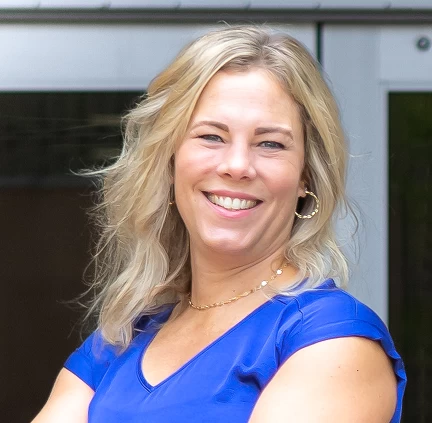
Jacqueline Basile
COO

Dr. Fayez El-Gabalawi
Chief Medical Officer

Dawn Bausman
Chief Nursing Officer
Accreditations

The Joint Commission, formerly known as JCAHO, is a nonprofit organization that accredits rehab organizations and programs. Founded in 1951, the Joint Commision's mission is to improve the quality of patient care and demonstrating the quality of patient care.
Joint Commission Accreditation: Yes
Accreditation Number: 3116
Rehab.com regularly reviews this listing for accuracy but changes may occur between updates. For the most up-to-date information, please contact Belmont Behavioral Health Hospital.
Contact Information


4200 Monument Road
Philadelphia PA, 19131
Sponsored Helpline


