





























































































About Brightview – Ashtabula Addiction Treatment Center
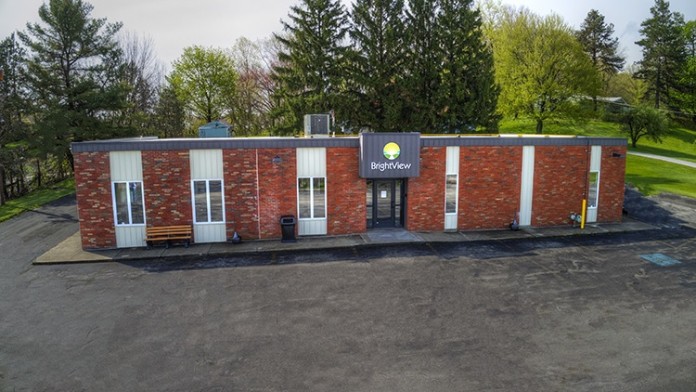
BrightView in Ashtabula, Ohio is a drug and alcohol recovery center for adults 18 and older. They provide online scheduling and flexible treatment plans to help guests overcome addiction through proven recovery solutions.
Some services are available on the day of contact. They work with most health insurance providers including Medicaid and offer a sliding fee scale for guests without healthcare coverage.
Safe Withdrawal Process
BrightView understands that one of the most daunting aspects of recovery is facing withdrawal. Many guests prolong seeking treatment due to the fear of harsh symptoms.
One of the tools that often helps clients struggling with opioid or alcohol addiction is medication. Options such as Suboxone and methadone can relieve withdrawal symptoms and reduce drug cravings so guests can remain comfortable without distractions.
Medication assisted treatment is a combination of medication and counseling. The team at BrightView collaborates with clients to uncover the potential root causes of substance use. They can work through past traumas and develop healthy coping methods for life’s stressors.
Social Support Services
The center offers additional services to minimize treatment barriers and help guests stay engaged in recovery. They design plans that target each person’s specific needs and future goals. Services may involve relapse prevention strategies that guests can use following the program.
Former clients have mentioned appreciating the accessible treatment options, while others report comprehensive care and staff professionalism. The center is near Walnut Beach Park within proximity to Lake Erie’s shores and green spaces that can promote reflection, relaxation and recovery. There are also numerous community centers that provide local resources.
Latest Reviews



Rehab Score
 Our Methodology


Gallery
Other Forms of Payment
Self-pay involves paying for treatment out of your own pocket. You can use savings or credit, get a personal loan, or receive help from family and friends to fund your treatment. If you don't have insurance or your insurance plan doesn't cover a specific program, self-pay can help ensure you still get the care you need.
Private insurance refers to any kind of healthcare coverage that isn't from the state or federal government. This includes individual and family plans offered by an employer or purchased from the Insurance Marketplace. Every plan will have different requirements and out of pocket costs so be sure to get the full details before you start treatment.
Medicaid is a state based program that helps lower-income individuals and families pay for healthcare. Medicaid covers addiction treatment so those enrolled can use their coverage to pay for rehab. When a program accepts Medicaid the client often pays very little or nothing out of their own pocket.
Medicare is a federal program that provides health insurance for those 65 and older. It also serves people under 65 with chronic and disabling health challenges. To use Medicare for addiction treatment you need to find a program that accepts Medicare and is in network with your plan. Out of pocket costs and preauthorization requirements vary, so always check with your provider.
Addiction Treatments
Levels of Care
Drug and alcohol addiction often takes a heavy toll on one's body. Over time, a physical dependence can develop, meaning the body physiologically needs the substance to function. Detox is the process of removing drugs and/or alcohol from the body, a process that can be lethal if mismanaged. Medical detox is done by licensed medical professionals who monitor vital signs and keep you safe, healthy, and as comfortable as possible as you go through detox and withdrawal. The length of stay at the detoxification program is determined according to the specific needs of the patient.
Intensive Outpatient Programs (IOP) are for those who want or need a very structured treatment program but who also wish to live at home and continue with certain responsibilities (such as work or school). IOP substance abuse treatment programs vary in duration and intensity, and certain outpatient rehab centers will offer individualized treatment programs.
Outpatient Programs (OP) are for those seeking mental rehab or drug rehab, but who also stay at home every night. The main difference between outpatient treatment (OP) and intensive outpatient treatment (IOP) lies in the amount of hours the patient spends at the facility. Most of the time an outpatient program is designed for someone who has completed an inpatient stay and is looking to continue their growth in recovery. Outpatient is not meant to be the starting point, it is commonly referred to as aftercare.
Treatments
Substance rehabs focus on helping individuals recover from substance abuse, including alcohol and drug addiction (both illegal and prescription drugs). They often include the opportunity to engage in both individual as well as group therapy.
Programs
Adult rehab programs include therapies tailored to each client's specific needs, goals, and recovery progress. They are tailored to the specific challenges adult clients may face, including family and work pressures and commitments. From inpatient and residential treatment to various levels of outpatient services, there are many options available. Some facilities also help adults work through co-occurring conditions, like anxiety, that can accompany addiction.
Clinical Services
Cognitive Behavioral Therapy (CBT) is a therapy modality that focuses on the relationship between one's thoughts, feelings, and behaviors. It is used to establish and allow for healthy responses to thoughts and feelings (instead of unhealthy responses, like using drugs or alcohol). CBT has been proven effective for recovering addicts of all kinds, and is used to strengthen a patient's own self-awareness and ability to self-regulate. CBT allows individuals to monitor their own emotional state, become more adept at communicating with others, and manage stress without needing to engage in substance abuse.
Research clearly demonstrates that recovery is far more successful and sustainable when loved ones like family members participate in rehab and substance abuse treatment. Genetic factors may be at play when it comes to drug and alcohol addiction, as well as mental health issues. Family dynamics often play a critical role in addiction triggers, and if properly educated, family members can be a strong source of support when it comes to rehabilitation.
Group therapy is any therapeutic work that happens in a group (not one-on-one). There are a number of different group therapy modalities, including support groups, experiential therapy, psycho-education, and more. Group therapy involves treatment as well as processing interaction between group members.
Staff & Accreditations
Staff

Chad Smith
CEO
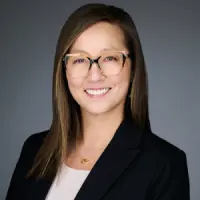
Jane Cobler
Chief People Officer

Nick Cook
Chief Legal Officer
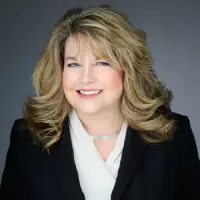
Julie Seitz
Chief Compliance Officer

Dylan Jackson
COO

Brad Barker
CFO
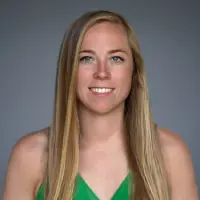
Jen Dumiak
Chief of Staff
Accreditations

The Joint Commission, formerly known as JCAHO, is a nonprofit organization that accredits rehab organizations and programs. Founded in 1951, the Joint Commision's mission is to improve the quality of patient care and demonstrating the quality of patient care.
Joint Commission Accreditation: Yes

LegitScript has reviewed Brightview – Ashtabula Addiction Treatment Center as part of their certification program, and has determined that it meets the LegitScript standards for legality, safety and transparency.
LegitScript verified in April 2020
Rehab.com regularly reviews this listing for accuracy but changes may occur between updates. For the most up-to-date information, please contact Brightview – Ashtabula Addiction Treatment Center.
Contact Information


2210 South Ridge Road
Ashtabula, OH 44004
Sponsored Helpline


