






























































































This place is simply amazing. The staff was caring, kind and knowledgable. They got me in quickly and helped me all the way through from detox through inlatient and even php and iop, at the same place. The docs and nurses took their time with me and the techs could relate so ...
About Calvary Healing Center
Calvary Healing Center, located in sunny Phoenix, Arizona, has been a trusted name in addiction recovery for over 65 years. Offering a full continuum of care—from medical detox to residential and outpatient programs—we blend proven 12-step approaches with optional faith-based paths to healing.
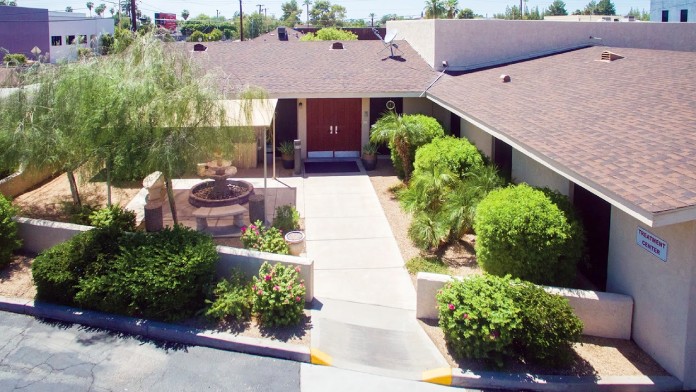
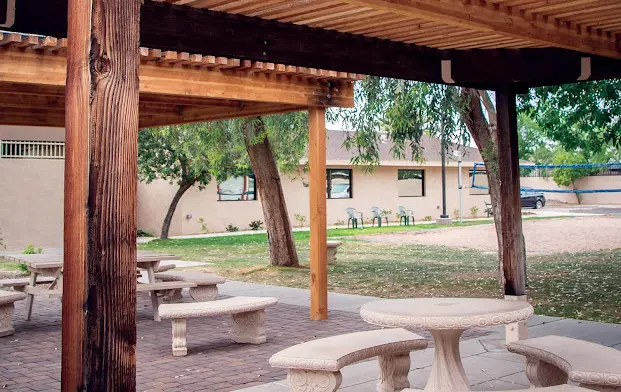
With a compassionate care team, many of whom have walked their own recovery journeys, Calvary creates a deeply supportive environment. Our welcoming campus is designed for comfort and renewal, providing a nurturing space for clients to rediscover their strengths and reclaim their lives.
Foundations Recovery Network
Calvary Healing Center is a member of Foundations Recovery Network, the premier provider of integrated treatment for co-occurring addiction and mental health concerns, offering residential and outpatient services nationwide.
We have Locations in California, Arizona, Minnesota and Michigan. At each facility, we focus on patient-centered care and an individualized approach, upholding a high standard of innovative treatment and compassionate attention to each patient’s needs. We are committed to providing evidence-based treatment for individuals with co-occurring disorders through clinical services, education and research.
Our purpose is to create lifetime relationships for long-term recovery. Everything we do is designed to support recovery in a comprehensive way, addressing the needs of the whole person-physically, emotionally, mentally and spiritually. We provide the foundation, you build the life.
Facility Overview
 50
50 Number of Available Beds
Latest Reviews
RUN don’t walk to this facility if you’re struggling, if you feel trapped and insane and depressed and anxious, this is where you need to go. This is a magical place thanks to the staff and especially the therapist Jade, and although it might feel somewhat understaffed at times, it’s only because everyone there works so hard. This place restored my Faith in God and now my life has changed beyond what I thought ever possible. Best choice I ever made was coming here and meeting so many new friends that I still stay in contact with. You’ll want to go back just to catch up with everybody again! You become a family in there. (I hope you won’t need to go back but, you catch my drift ). 1000000/10 stars. I can’t thank them enough! 🌵
Response from the owner3 weeks ago
It is very thoughtful of you to leave us such positive comments. Thank you for taking the time to share your feedback with us. We hope you are doing well!
Calvary is the oldest recovery on the State and for a good reason they and their staff are “Best in Class”!!
Personally I had the pleasure to work with April, Sara, Mike, Jennifer and Shyler (let’s not forget Chef Rudy, Adream & Savannah. I would remiss if I didn’t mention Lindsay & Shevaun, Jessica & Jared.
They all made my stay more than pleasant!!
Mahalo~Jett 🏝️ ⛳️
Response from the owner3 weeks ago
Thank you for sharing such kind words about our team and for recognizing so many of our staff members by name. We’re grateful you took the time to share, and we will be sure to pass your feedback along to everyone you mentioned.
Did The impatient program here. Place is amazing. Great food. Coolest staff. Best nurses. Mrs. Jade. The Best in the west yo.
~ GER
Response from the owner3 weeks ago
Thank you for sharing such a kind and energetic review of our team and environment. We truly appreciate your recognition of our staff! 
Rehab Score
 Our Methodology
Scoring is assigned by a proprietary system which helps surface key metrics that determine quality. The 10-point scale factors in categories such as operations, customer satisfaction, and trust metrics. Read Full Methodology

8.4 / 10
Gallery



Accepted Insurance
Other Forms of Payment
Medicaid is a state based program that helps lower-income individuals and families pay for healthcare. Medicaid covers addiction treatment so those enrolled can use their coverage to pay for rehab. When a program accepts Medicaid the client often pays very little or nothing out of their own pocket.
Military members, veterans, and eligible dependents have access to specific insurance programs that help them get the care they need. TRICARE and VA insurance can help you access low cost or no cost addiction and mental health treatment. Programs that accept military insurance often have targeted treatment focused on the unique challenges military members, veterans, and their families face.
Private insurance refers to any kind of healthcare coverage that isn't from the state or federal government. This includes individual and family plans offered by an employer or purchased from the Insurance Marketplace. Every plan will have different requirements and out of pocket costs so be sure to get the full details before you start treatment.
Self-pay involves paying for treatment out of your own pocket. You can use savings or credit, get a personal loan, or receive help from family and friends to fund your treatment. If you don't have insurance or your insurance plan doesn't cover a specific program, self-pay can help ensure you still get the care you need.
Addiction Treatments
Levels of Care
Many clients who enroll in an outpatient rehab program are exiting intensive inpatient care and no longer require such high-level clinical supervision. Outpatient programs typically follow a step-down structure, with treatment frequency and intensity decreasing as clients progress in their recovery journey. Partial hospitalization (PHP) and intensive outpatient (IOP) levels of care are the most time-intensive and are designed primarily for clients who have just left inpatient treatment or who are at an elevated risk of relapse.
Inpatient treatment at Calvary Recovery includes individual and group therapy that begins with a medical examination and psychiatric evaluation (if needed). The program continues with a psychosocial assessment, group and one-on-one sessions, addiction and recovery education, relapse prevention, recreation therapy and holistic offerings like acupuncture and yoga. Often, substance use leads to severe neglect of health and nutrition. Their Residential Treatment includes nutritional support, health monitoring and wellness options that outpatient treatment cannot offer. And their entire team works together to provide extensive discharge and aftercare planning, giving our clients a roadmap to recovery.
Intensive Outpatient programs are for those who want or need a very structured treatment program but who also wish to live at home and continue with certain responsibilities (such as work or school). IOP substance abuse treatment programs vary in duration and intensity, and certain outpatient rehab centers will offer individualized treatment programs. Calvary’s Intensive Outpatient Program (IOP) consists of seven groups offered at three different Phoenix-area locations.
Drug and alcohol addiction often takes a heavy toll on one’s body. Over time, a physical dependence can develop, meaning the body physiologically needs the substance to function. Detox is the process of removing drugs and/or alcohol from the body, a process that can be lethal if mismanaged. Medical detox is done by licensed medical professionals who monitor vital signs and keep you safe, healthy, and as comfortable as possible as you go through detox and withdrawal. The Detox Program at Calvary Addiction Recovery Center is overseen by Dr. Alan Kazan, a board certified addictionologist with more than 30 years of experience treating addiction.
12-step programs are addiction recovery models based on Alcoholics Anonymous (AA). A number of substance abuse programs (including some drug and alcohol rehab centers) use the 12 steps as a basis for treatment. Beginning steps involve admitting powerlessness over the addiction and creating a spiritual basis for recovery. Middle steps including making direct amends to those who've been hurt by the addiction, and the final step is to assist others in addiction recovery in the same way. 12-Step offshoots including Narcotics Anonymous (NA), Cocaine Anonymous (CA), Dual Recovery Anonymous (DRA), Sex and Love Addicts Anonymous (SLAA) and Gamblers Anonymous (GA).
A partial hospitalization program (PHP) offers a short-term alternative to inpatient treatment or a step-down option after a residential program. With PHP treatment, you'll receive 6 to 8 hours of daily support, up to 5 days a week. The duration of a partial hospitalization program can vary with the average length being 90 days. While commuting is necessary, some programs also offer telehealth options. PHP treatment is often covered by insurance and typically offers medication management, relapse prevention techniques, and behavioral therapy.
Treatments
The goal of treatment for alcoholism is abstinence. Those with poor social support, poor motivation, or psychiatric disorders tend to relapse within a few years of treatment. For these people, success is measured by longer periods of abstinence, reduced use of alcohol, better health, and improved social functioning. Recovery and Maintenance are usually based on 12 step programs and AA meetings.
Drug rehab in Arizona is the process of treating individuals who are dependent on a particular addictive drug. Because addiction is complex, this treatment typically includes a variety of interventions that address the many physical and emotional issues involved.
Many of those suffering from addiction also suffer from mental or emotional illnesses like schizophrenia, bipolar disorder, depression, or anxiety disorders. Rehab and other substance abuse facilities treating those with a dual diagnosis or co-occurring disorder administer psychiatric treatment to address the person's mental health issue in addition to drug and alcohol rehabilitation.
Opioid rehabs specialize in supporting those recovering from opioid addiction. They treat those suffering from addiction to illegal opioids like heroin, as well as prescription drugs like oxycodone. These centers typically combine both physical as well as mental and emotional support to help stop addiction. Physical support often includes medical detox and subsequent medical support (including medication), and mental support includes in-depth therapy to address the underlying causes of addiction.
Arizona's substance abuse treatment centers can provide tailored treatment for individuals with substance use disorders and mental health conditions. Treatment programs may include medically assisted detox, 12-Step recovery, intensive outpatient programs, and aftercare support. Addiction experts employ evidence-based therapies like cognitive behavioral therapy (CBT), dialectical behavioral therapy (DBT), and talk therapy to uncover and reframe unhelpful patterns. By graduation, you'll have developed new coping strategies, learned new stress management techniques, and have the capability of sustaining your recovery.
Programs
Adult rehab programs include therapies tailored to each client's specific needs, goals, and recovery progress. They are tailored to the specific challenges adult clients may face, including family and work pressures and commitments. From inpatient and residential treatment to various levels of outpatient services, there are many options available. Some facilities also help adults work through co-occurring conditions, like anxiety, that can accompany addiction.
Serving in the military is both mentally and physically challenging, and can result in trauma that persists even after combat ends. Military programs are tailored to the specific and often complex needs of active duty personnel, veterans, and military families. Clients often access these programs through the U.S. Department of Veterans Affairs (VA).
Clinical Services
Cognitive Behavioral Therapy (CBT) is a therapy modality that focuses on the relationship between one's thoughts, feelings, and behaviors. It is used to establish and allow for healthy responses to thoughts and feelings (instead of unhealthy responses, like using drugs or alcohol). CBT has been proven effective for recovering addicts of all kinds, and is used to strengthen a patient's own self-awareness and ability to self-regulate. CBT allows individuals to monitor their own emotional state, become more adept at communicating with others, and manage stress without needing to engage in substance abuse.
Motivational Interviewing (MI) is a clinical approach to helping people with substance abuse issues and other conditions shift behavior in positive ways. It is more goal-oriented than traditional psychotherapy, as MI counselors directly attempt to get clients to consider making behavioral change (rather than wait for them to come to conclusions themselves). Its primary purpose is to resolve ambivalence and help clients become able to make healthy choices freely.
Trauma therapy addresses traumatic incidents from a client's past that are likely affecting their present-day experience. Trauma is often one of the primary triggers and potential causes of addiction, and can stem from child sexual abuse, domestic violence, having a parent with a mental illness, losing one or both parents at a young age, teenage or adult sexual assault, or any number of other factors. The purpose of trauma therapy is to allow a patient to process trauma and move through and past it, with the help of trained and compassionate mental health professionals.
Dialectical behavior therapy in Arizona focuses on acceptance of your reality and behaviors while also attempting to make changes in unhealthy behaviors. It has been shown to be effective for the treatment of anxiety, depression, PTSD, and substance use disorder.
Amenities
-
 Basketball court
 -
 Pet friendly
 -
 Swimming pool
 -
 Tennis court
 -
 Volleyball court
Staff & Accreditations
Staff
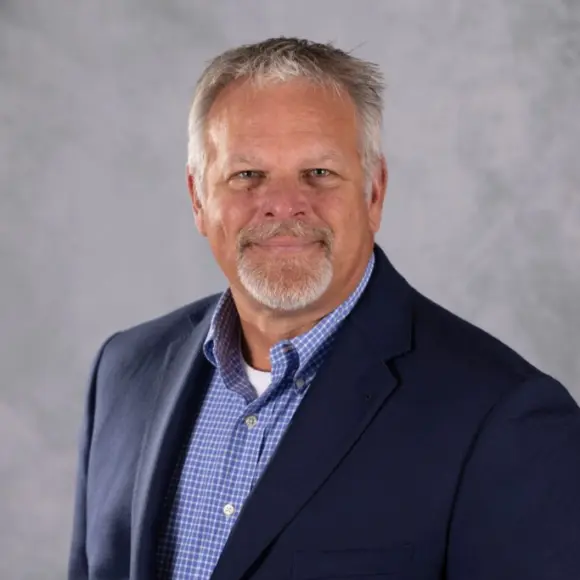
Michael McFarland, LMSW
Chief Executive Officer
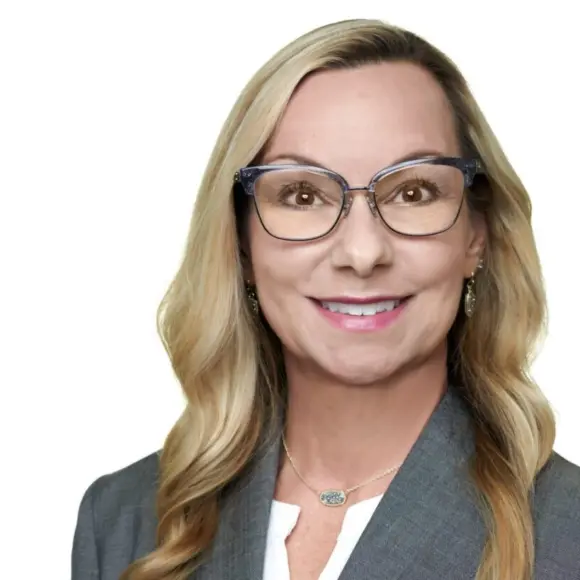
Tamara Luckett, MSW, LCSW
Clinical Director & Calvary Healing Center
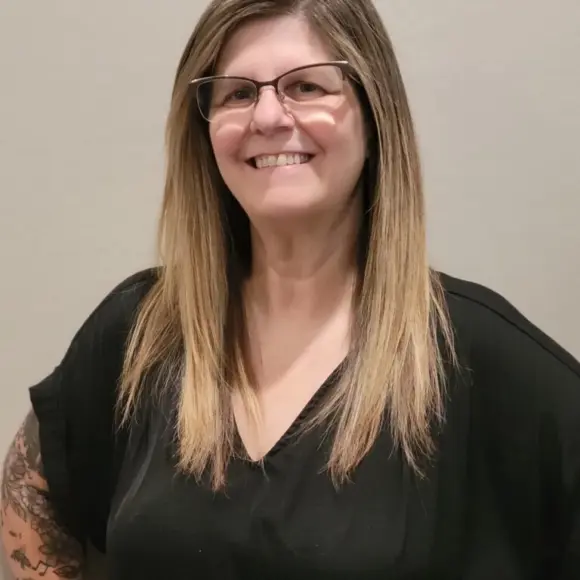
Tracy Herrera, MA, LPC
Director of Outpatient Services

Rita French
Executive Chef
Accreditations

The Commission on Accreditation of Rehabilitation Facilities (CARF) is a non-profit organization that specifically accredits rehab organizations. Founded in 1966, CARF's, mission is to help service providers like rehab facilities maintain high standards of care.
CARF Accreditation: Yes
Accreditation Number: 37841
Rehab.com regularly reviews this listing for accuracy but changes may occur between updates. For the most up-to-date information, please contact Calvary Healing Center.
Contact Information

720 East Montebello Avenue
Phoenix, AZ 85014
Get Help Now - 602-834-1056
Sponsored Helpline
Sponsored Helpline


