
 800-784-1361


Will never return here if I have the chance. Their services are completely unorganized and the staff doesn't seem all that willing to try to help you.
About Counseling Services
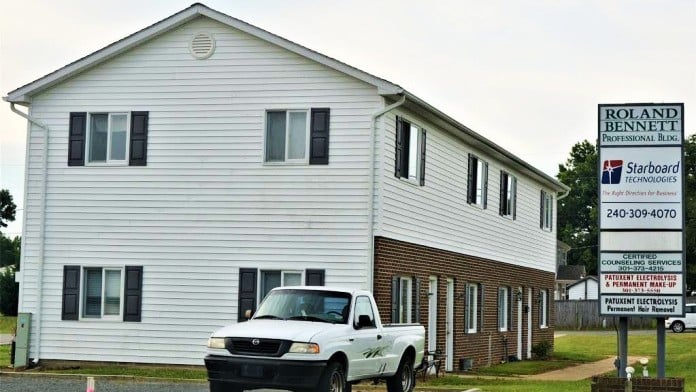
Counseling Services, located in Hollywood, Maryland is a private alcohol and drug rehab that offers treatment for a variety of substance abuse addictions including alcoholism, co-occurring mental health disorders, and opiate addiction.
Specialty rehab programs at Counseling Services include tailored care focusing on women's specific needs and experiences, gender-specific addiction treatment addressing unique challenges faced by men, and age-sensitive addiction treatment considering health and life-stage issues of older adults.
Latest Reviews
I actually had to stay here for close to 2 years on a 12 week program. The woman has got to be close to 85 years of age. I had long hair, I cut it. 8 months after a cut, she was still staying wow chris u cut ur hair. Do not go here. She has Alzheimer's or dementia or something. Can be a sweet lady but she has no business running a business what so. I failed marijuana test for CBd oil. I had more traces of marijuana because of CBd oil which in today's modern world, is something positive and a great outlook for people suffering from multiple reasons. I have a 1 yr old son, 2 years in still havent got my liscence back. She reported 5 failed test for CBd oil. She doesnt remember who u r ever. I reported her because she has effected my life so badly. I even told my probation officer who is literally vowing to tell southern maryland it's time to move on from this woman. Shes old, out of touch and has no idea what the world is about, what people go through. Nor how to fix it. This is absolute disgrace to the citizens of southern maryland to go here either to pursue help or to do it court ordered. An absolute joke. DO NOT GO HERE. This is an actual representation of went when on here. I will hold myself accountable for the mere fact that of anyone may think this from me and animosity, it is not. It's a waste of precious time. The only benefit to going here, is if your curious to see how alcohol rehabilitation through the courts might have worked and existed in 1920. Sorry Susan, but it ruining people lives with your inability to adapt to modernization throughout the years. Go home, play some uno or Chinese checkers and wait for the lord to call u cause ur not doing a civic duty to no one In these close counties.
Reviewed on 02/21/2019
Will never return here if I have the chance. Their services are completely unorganized and the staff doesn't seem all that willing to try to help you.
Its been about 45 days I'm still waiting on my results and paper work I need to send elsewhere ive have called 5 differemt times left 3 voicemails and talked to someone else in the office twice telling them I need a call back asap to get my results and what do you know. No returned call!!! Extreamly disorganized, terrible customer service and her office smells like 82 cats live in there pretty bad. I wouldn't reccomended this place if you need anything done in any sort of timely fashion!

Rehab Score
 Our Methodology
Scoring is assigned by a proprietary system which helps surface key metrics that determine quality. The 10-point scale factors in categories such as operations, customer satisfaction, and trust metrics. Read Full Methodology

1.3 / 10
Gallery
Other Forms of Payment
Self-pay involves paying for treatment out of your own pocket. You can use savings or credit, get a personal loan, or receive help from family and friends to fund your treatment. If you don't have insurance or your insurance plan doesn't cover a specific program, self-pay can help ensure you still get the care you need.
Sliding scale payments are based on a client's income and family size. The goal is to make treatment affordable to everyone. By taking these factors into account, addiction recovery care providers help ensure that your treatment does not become a financial burden to you or your family, eliminating one barrier to care.
Addiction Treatments
Treatments
The goal of treatment for alcoholism is abstinence. Those with poor social support, poor motivation, or psychiatric disorders tend to relapse within a few years of treatment. For these people, success is measured by longer periods of abstinence, reduced use of alcohol, better health, and improved social functioning. Recovery and Maintenance are usually based on 12 step programs and AA meetings.
Once a person has become addicted to a substance, drug rehab in Maryland is often necessary to overcome that addiction. These programs provide the tools individuals need to manage the physical, mental, and emotional issues involved and begin a successful recovery journey.
Many of those suffering from addiction also suffer from mental or emotional illnesses like schizophrenia, bipolar disorder, depression, or anxiety disorders. Rehab and other substance abuse facilities treating those with a dual diagnosis or co-occurring disorder administer psychiatric treatment to address the person's mental health issue in addition to drug and alcohol rehabilitation.
A combined mental health and substance abuse rehab has the staff and resources available to handle individuals with both mental health and substance abuse issues. It can be challenging to determine where a specific symptom stems from (a mental health issue or an issue related to substance abuse), so mental health and substance abuse professionals are helpful in detangling symptoms and keeping treatment on track.
Opioid rehabs specialize in supporting those recovering from opioid addiction. They treat those suffering from addiction to illegal opioids like heroin, as well as prescription drugs like oxycodone. These centers typically combine both physical as well as mental and emotional support to help stop addiction. Physical support often includes medical detox and subsequent medical support (including medication), and mental support includes in-depth therapy to address the underlying causes of addiction.
Programs
Adult rehab programs include therapies tailored to each client's specific needs, goals, and recovery progress. They are tailored to the specific challenges adult clients may face, including family and work pressures and commitments. From inpatient and residential treatment to various levels of outpatient services, there are many options available. Some facilities also help adults work through co-occurring conditions, like anxiety, that can accompany addiction.
Young adulthood can be an exciting, yet difficult, time of transition. Individuals in their late teens to mid-20s face unique stressors related to school, jobs, families, and social circles, which can lead to a rise in substance use. Rehab centers with dedicated young adult programs will include activities and amenities that cater to this age group, with an emphasis on specialized counseling, peer socialization, and ongoing aftercare.
Clinical Services
Research clearly demonstrates that recovery is far more successful and sustainable when loved ones like family members participate in rehab and substance abuse treatment. Genetic factors may be at play when it comes to drug and alcohol addiction, as well as mental health issues. Family dynamics often play a critical role in addiction triggers, and if properly educated, family members can be a strong source of support when it comes to rehabilitation.
In individual therapy, a patient meets one-on-one with a trained psychologist or counselor. Therapy is a pivotal part of effective substance abuse treatment, as it often covers root causes of addiction, including challenges faced by the patient in their social, family, and work/school life.
Contact Information

24930 three Notch Road
Hollywood, MD 20636
Get Help Now - 443-376-8434
Sponsored Helpline
Sponsored Helpline
