






























































































This is a great resource for mental health services. The staff is ready for dealing with complicated cases like me.
About Dirigo Counseling Clinic
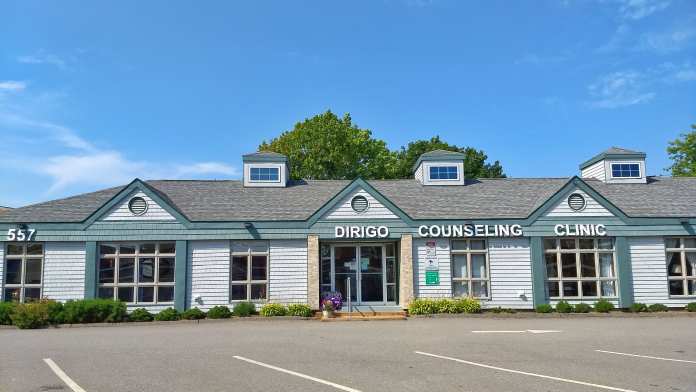
Dirigo Counseling Clinic helps folks who have substance use and mental health disorders. They offer counseling and treatment. Some people need evaluations for legal reasons, work, or personal matters. You’ll find ’em located out in suburban Ellsworth, Maine.
Find Your Worth in Ellsworth
The clinic has trained over 30 professionals. They offer different levels of treatment, depending on what each person needs. They also use tests to check progress and work with doctors when medication is needed.
I think it’s cool that Ellsworth can supplement your recovery with some local attractions around the clinic. The center’s not too far from Hayford Park and a skate park. The historic district is also within driving distance.
OUI Support in Maine
People can get individual counseling or small group support. If a client is charged with an OUI in Maine, they can get the required assessment and treatment here.
If you can’t stay overnight in treatment centers, there’s intensive outpatient (IOP) care. It requires at least nine hours each week and lets you keep up with work and daily life.
They also help with mental health. Life can be hard and sometimes people need someone to talk to about family problems and stress. Sessions usually last an hour and can be once a week or every other week.
The clinic accepts insurance and has lower cost options for folks paying on their own. Sometimes, they can even help with costs through grants or interns in training.
Fact checked and written by:
Benjamin Cardenas
Edited by:
Peter Lee, PhD
Latest Reviews
my counseling understands me and he is so nice i wish i knew his number to tell him how im doing
Rachel Benson is the best councilor I've had yet. Only councilor that has good practice. She's amazing and understands, and She don't judge. I always look forward to seeing her each week.
Second to no one in the surrounding area. They work for you with you and advocate endlessly to see that Your needs are met. They are team oriented as well as client/people oriented. You are not a number you are not a dollar sign. You are a human being a person whom
They are determined to help rebuild your life one practical step one listening ear at a time.
I am forever grateful for their support and help in my world.
Lori A Conlon

Rehab Score
 Our Methodology
Scoring is assigned by a proprietary system which helps surface key metrics that determine quality. The 10-point scale factors in categories such as operations, customer satisfaction, and trust metrics. Read Full Methodology

6 / 10
Gallery
Accepted Insurance
Other Forms of Payment
Private insurance refers to any kind of healthcare coverage that isn't from the state or federal government. This includes individual and family plans offered by an employer or purchased from the Insurance Marketplace. Every plan will have different requirements and out of pocket costs so be sure to get the full details before you start treatment.
Self-pay involves paying for treatment out of your own pocket. You can use savings or credit, get a personal loan, or receive help from family and friends to fund your treatment. If you don't have insurance or your insurance plan doesn't cover a specific program, self-pay can help ensure you still get the care you need.
Financial aid can take many forms. Centers may have grants or scholarships available to clients who meet eligibility requirements. Programs that receive SAMHSA grants may have financial aid available for those who need treatment as well. Grants and scholarships can help you pai for treatment without having to repay.
Medicare is a federal program that provides health insurance for those 65 and older. It also serves people under 65 with chronic and disabling health challenges. To use Medicare for addiction treatment you need to find a program that accepts Medicare and is in network with your plan. Out of pocket costs and preauthorization requirements vary, so always check with your provider.
Military members, veterans, and eligible dependents have access to specific insurance programs that help them get the care they need. TRICARE and VA insurance can help you access low cost or no cost addiction and mental health treatment. Programs that accept military insurance often have targeted treatment focused on the unique challenges military members, veterans, and their families face.
Medicaid is a state based program that helps lower-income individuals and families pay for healthcare. Medicaid covers addiction treatment so those enrolled can use their coverage to pay for rehab. When a program accepts Medicaid the client often pays very little or nothing out of their own pocket.
Addiction Treatments
Levels of Care
Outpatient Programs (OP) are for those seeking mental rehab or drug rehab, but who also stay at home every night. The main difference between outpatient treatment (OP) and intensive outpatient treatment (IOP) lies in the amount of hours the patient spends at the facility. Most of the time an outpatient program is designed for someone who has completed an inpatient stay and is looking to continue their growth in recovery. Outpatient is not meant to be the starting point, it is commonly referred to as aftercare.
Clients entering inpatient rehab can expect to engage in intensive daily treatment, focusing principally on addiction counseling. Inpatient programs generally offer a range of psychotherapeutic options, including CBT, DBT, RBT, and motivational interviewing. Many also prioritize group and family counseling as well as one-on-one therapy. Many inpatient programs also include extensive addiction education and evidence-based holistic therapies, such as meditation and creative arts therapy.
Intensive Outpatient Programs (IOP) are for those who want or need a very structured treatment program but who also wish to live at home and continue with certain responsibilities (such as work or school). IOP substance abuse treatment programs vary in duration and intensity, and certain outpatient rehab centers will offer individualized treatment programs.
Rehab aftercare programs facilitate continuity of care for clients transitioning out of inpatient treatment. In addition to outpatient counseling, recovery education, and other forms of care, services typically include peer coaching, relapse prevention, career counseling, and 12 step program induction. Clients often continue to receive support after being discharged from formal outpatient treatment. Case managers and care teams may provide medical, mental health, and social service referrals as a part of the clients' rehab aftercare service plan.
Participants in 12 step programs receive ongoing peer coaching and support as they cultivate understanding, accountability, and acceptance as a condition of their recovery journey. Though 12 step recovery is rooted in the belief in a higher power as a cornerstone of sustained sobriety, religious affiliation is not required. Regular attendance at 12 step meetings is expected. These meetings are free, peer-led, and available multiple times per day, 365 days per year, in most communities.
Medical detox is the process of removing addictive substances from your body while under medical supervision. Quitting alcohol and drugs on your own can cause uncomfortable and even dangerous side effects. In a medically supervised detox, licensed medical professionals monitor you 24/7 to help keep you as safe and comfortable as possible. The process is highly individualized to fit your specific needs, but the medical detox generally takes 5-7 days.
no evidence found
Treatments
The goal of treatment for alcoholism is abstinence. Those with poor social support, poor motivation, or psychiatric disorders tend to relapse within a few years of treatment. For these people, success is measured by longer periods of abstinence, reduced use of alcohol, better health, and improved social functioning. Recovery and Maintenance are usually based on 12 step programs and AA meetings.
Drug rehab in Maine is the process of helping someone learn how to live without the use of substances. Professional staff provide treatment to address the various issues of addiction. Methods often involve medication, counseling, and evidence-based therapies.
Many of those suffering from addiction also suffer from mental or emotional illnesses like schizophrenia, bipolar disorder, depression, or anxiety disorders. Rehab and other substance abuse facilities treating those with a dual diagnosis or co-occurring disorder administer psychiatric treatment to address the person's mental health issue in addition to drug and alcohol rehabilitation.
A combined mental health and substance abuse rehab has the staff and resources available to handle individuals with both mental health and substance abuse issues. It can be challenging to determine where a specific symptom stems from (a mental health issue or an issue related to substance abuse), so mental health and substance abuse professionals are helpful in detangling symptoms and keeping treatment on track.
Opioid rehabs specialize in supporting those recovering from opioid addiction. They treat those suffering from addiction to illegal opioids like heroin, as well as prescription drugs like oxycodone. These centers typically combine both physical as well as mental and emotional support to help stop addiction. Physical support often includes medical detox and subsequent medical support (including medication), and mental support includes in-depth therapy to address the underlying causes of addiction.
Dirigo Counseling Clinic provides specialized substance use counseling including DUI-related evaluation and counseling, and medication-assisted treatment with Suboxone for clients managing substance abuse and addiction.
Programs
Adult rehab programs include therapies tailored to each client's specific needs, goals, and recovery progress. They are tailored to the specific challenges adult clients may face, including family and work pressures and commitments. From inpatient and residential treatment to various levels of outpatient services, there are many options available. Some facilities also help adults work through co-occurring conditions, like anxiety, that can accompany addiction.
Young adulthood can be an exciting, yet difficult, time of transition. Individuals in their late teens to mid-20s face unique stressors related to school, jobs, families, and social circles, which can lead to a rise in substance use. Rehab centers with dedicated young adult programs will include activities and amenities that cater to this age group, with an emphasis on specialized counseling, peer socialization, and ongoing aftercare.
Clinical Services
Cognitive Behavioral Therapy (CBT) is a therapy modality that focuses on the relationship between one's thoughts, feelings, and behaviors. It is used to establish and allow for healthy responses to thoughts and feelings (instead of unhealthy responses, like using drugs or alcohol). CBT has been proven effective for recovering addicts of all kinds, and is used to strengthen a patient's own self-awareness and ability to self-regulate. CBT allows individuals to monitor their own emotional state, become more adept at communicating with others, and manage stress without needing to engage in substance abuse.
Dialectical behavior therapy in Maine helps you challenge distorted thinking so you can develop better patterns of thoughts and behaviors. It incorporates many of the same methods as cognitive behavioral therapy, with an additional focus on intense emotions.
Group therapy is any therapeutic work that happens in a group (not one-on-one). There are a number of different group therapy modalities, including support groups, experiential therapy, psycho-education, and more. Group therapy involves treatment as well as processing interaction between group members.
In individual therapy, a patient meets one-on-one with a trained psychologist or counselor. Therapy is a pivotal part of effective substance abuse treatment, as it often covers root causes of addiction, including challenges faced by the patient in their social, family, and work/school life. Dirigo Counseling Clinic offers confidential counseling and assessment services to more than 1000 individuals and families in Maine each year. Their professionals provide a research-informed, best-practice approach to psychotherapies and interventions found in the field of mental health.
The goal of motivational interviewing in Maine is twofold. First is to increase your motivation to change. Second is to help you make a commitment to change. The process involves allowing you to express your views and concerns out loud. The therapist will listen affirm and encourage you to make the changes you desire in your life.
Trauma therapy addresses traumatic incidents from a client's past that are likely affecting their present-day experience. Trauma is often one of the primary triggers and potential causes of addiction, and can stem from child sexual abuse, domestic violence, having a parent with a mental illness, losing one or both parents at a young age, teenage or adult sexual assault, or any number of other factors. The purpose of trauma therapy is to allow a patient to process trauma and move through and past it, with the help of trained and compassionate mental health professionals.
Whether a marriage or other committed relationship, an intimate partnership is one of the most important aspects of a person's life. Drug and alcohol addiction affects both members of a couple in deep and meaningful ways, as does rehab and recovery. Couples therapy and other couples-focused treatment programs are significant parts of exploring triggers of addiction, as well as learning how to build healthy patterns to support ongoing sobriety.
Research clearly demonstrates that recovery is far more successful and sustainable when loved ones like family members participate in rehab and substance abuse treatment. Genetic factors may be at play when it comes to drug and alcohol addiction, as well as mental health issues. Family dynamics often play a critical role in addiction triggers, and if properly educated, family members can be a strong source of support when it comes to rehabilitation.
To maintain long term recovery, you need to adopt a new way of life that encourages sobriety. To do this, you'll need certain life skills. That's why addiction rehab in Maine incorporates life skills training. This will equip you with the tools you need to successfully manage daily life in recovery.
During active addiction, substances rob your body of the vitamins and minerals it needs for proper functioning. Nutrition therapy in Maine helps you restore a balanced diet that supports recovery. It includes nutrition education and skill development to maintain long term sobriety.
Experiential therapy is a form of therapy in which clients are encouraged to surface and work through subconscious issues by engaging in real-time experiences. Experiential therapy departs from traditional talk therapy by involving the body, and having clients engage in activities, movements, and physical and emotional expression. This can involve role-play or using props (which can include other people). Experiential therapy can help people process trauma, memories, and emotion quickly, deeply, and in a lasting fashion, leading to substantial and impactful healing.
Amenities
-
 Private Setting
Staff
Jill Peters
Executive Administrator
Jody Peters
Operations Manager
Wayne Carr
Claims Technician
Lisa Hall
Office Manager
Wyatt Smith
Facilities – Manager
Rehab.com regularly reviews this listing for accuracy but changes may occur between updates. For the most up-to-date information, please contact Dirigo Counseling Clinic.
Contact Information

557 Hammond Street, Bangor, ME 04401
Get Help Now - 207-805-9392
Sponsored Helpline
Sponsored Helpline


