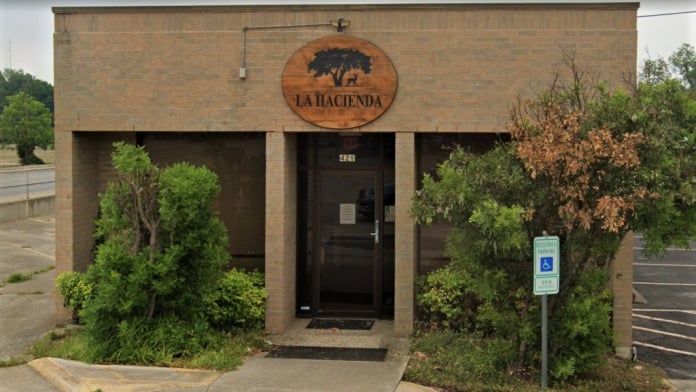
The inpatient program at Saint Francis Hospital is for men and women age 60 and older who need to be in a medical setting while receiving mental and behavioral healthcare. Their services are for those struggling with depression, anxiety, dementia, and general medical concerns. Areas of concern for the aging are addressed. Stabilization is a priority, along with establishing a foundation for long-term recovery and health.
The outpatient program is for those who do not need to be inpatient and who are able to receive and benefit from treatment services while remaining at home. This level of service offers individual and group counseling services.
Individual therapy creates the space to explore the psychological challenges associated with the addiction. With the help of a professional, individuals are given the space and direction to talk about and process their emotions. Often this includes unresolved trauma, anger, depression, anxiety, and the need for more control or autonomy in life.
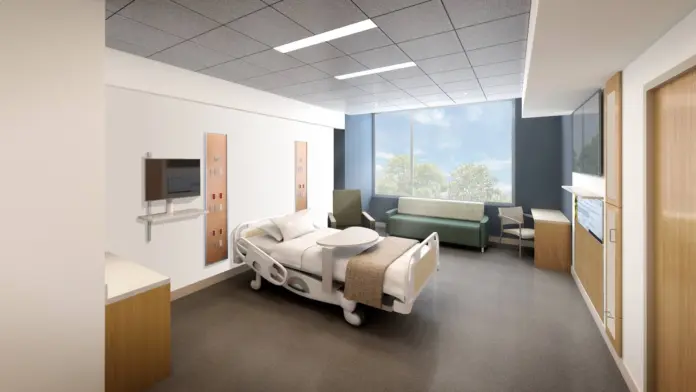
Very clean hospital. Staff on the 5th floor were so nice and amazing. The room I was in was massive and felt like I was in a suite. I was well taken care of. The nursing team for any procedure needing to be done kept me calm and talked me through it. They did everything to make me feel very comfortable during my stay. My basic needs were met. They always made sure my call light was near by, they cleaned my bedding and sheets daily. Housekeeping was amazing! If I had an issue it was addressed in a timely fashion. The staff were fun to talk to and share laughs to because some times “laughter is the best medicine”. I appreciate one over night nurse whom was able to give me a resource for free medical equipment! Some of the staff sure did go above and beyond for my care during my stay.
This review is for Lyndall in the Emergency Room. 100% the best staff. ER was very full and my daughter broke her leg and lots of road rash not only did he step in to help when I was carrying her back and forth to the bathroom but he jumped in to help her after we had been there for a while and not a lot of help. He took over her care, was very calm, reassuring, and did whatever he could to help ease her pain and worry. He then personally wheeled her to the car and made sure she was comfortably in the vehicle before leaving her. Emergency Rooms need more staff like Lyndall!!!
I just wanted to take a moment to acknowledge the amazing people that took care of me this shift on 4th floor. This is by no means exclusive as I had so many guardian angels. I feel that I quite literally would be dead without their love and care: Dr. Ellis, Izzy, RN, Bethany CNA, Bri CNA, Lindsey RT, and Samara SST. There were so many others, but I felt loved and cared for this week. Thank you to all of these and many others. Thank you for not just taking care of me, but teaching me to do it myself. You encourage without judgment or shame. Truly, love you all so much.
Scoring is assigned by a proprietary system which helps surface key metrics that determine quality. The 10-point scale factors in categories such as operations, customer satisfaction, and trust metrics. Read Full Methodology
6.7 / 10
Gallery
Other Forms of Payment
Private insurance refers to any kind of healthcare coverage that isn't from the state or federal government. This includes individual and family plans offered by an employer or purchased from the Insurance Marketplace. Every plan will have different requirements and out of pocket costs so be sure to get the full details before you start treatment.
Self-pay involves paying for treatment out of your own pocket. You can use savings or credit, get a personal loan, or receive help from family and friends to fund your treatment. If you don't have insurance or your insurance plan doesn't cover a specific program, self-pay can help ensure you still get the care you need.
Financial aid can take many forms. Centers may have grants or scholarships available to clients who meet eligibility requirements. Programs that receive SAMHSA grants may have financial aid available for those who need treatment as well. Grants and scholarships can help you pai for treatment without having to repay.
Medicare is a federal program that provides health insurance for those 65 and older. It also serves people under 65 with chronic and disabling health challenges. To use Medicare for addiction treatment you need to find a program that accepts Medicare and is in network with your plan. Out of pocket costs and preauthorization requirements vary, so always check with your provider.
Medicaid is a state based program that helps lower-income individuals and families pay for healthcare. Medicaid covers addiction treatment so those enrolled can use their coverage to pay for rehab. When a program accepts Medicaid the client often pays very little or nothing out of their own pocket.
Military members, veterans, and eligible dependents have access to specific insurance programs that help them get the care they need. TRICARE and VA insurance can help you access low cost or no cost addiction and mental health treatment. Programs that accept military insurance often have targeted treatment focused on the unique challenges military members, veterans, and their families face.
Addiction Treatments
Levels of Care
Inpatient rehabs provide extra support for clients in early recovery and those at a high risk of relapse. They allow clients to focus on their sobriety safe from outside distractions, stressors, and addiction triggers. Clients reside at the treatment center for the length of their program, where they receive extensive addiction counseling, including individual, group, and family therapy. Many programs also offer robust life skills training and holistic therapies, such as meditation.
24-hour clinical care in Oklahoma is highly recommended for those beginning recovery. As your body detoxes, withdrawal from substances such as alcohol, benzos, and opiates can cause severe physical symptoms. Health risks include seizures, hallucinations, heart palpitations, and severe dehydration. A clinical setting offers 24/7 medical care to treat these symptoms and make the detox process more comfortable.
Clients seeking care in an outpatient rehab are often stepping down from intensive inpatient treatment or have chosen to remain in their home while in treatment. Outpatient programs offer a variety of services to provide clients with a full continuum of care. Partial hospitalization (PHP) and intensive outpatient (IOP) programs are high frequency and intensity services for clients who require robust structure, supervision, and support. Outpatient treatment typically consists of psychotherapy, recovery education, and medication assisted treatment (MAT).
Treatments
Many of those suffering from addiction also suffer from mental or emotional illnesses like schizophrenia, bipolar disorder, depression, or anxiety disorders. Rehab and other substance abuse facilities treating those with a dual diagnosis or co-occurring disorder administer psychiatric treatment to address the person's mental health issue in addition to drug and alcohol rehabilitation.
Mental health rehabs focus on helping individuals recover from mental illnesses like bipolar disorder, clinical depression, anxiety disorders, schizophrenia, and more. Mental health professionals at these facilities are trained to understand and treat mental health issues, both in individual and group settings.
People with alcoholism (also known as alcohol dependence or alcohol use disorder) do not have reliable control of their alcohol use. They experience withdrawal symptoms if drinking suddenly stops. Due to these symptoms, medical detox is often best for those who seek treatment for alcohol addiction. Once this supervised process is complete, alcohol rehab in Oklahoma can provide further treatment and follow-up for recovery.
To address the issues of addiction, each drug rehab in Oklahoma is tailored to meet the individual's needs. Treatment may occur in a residential or outpatient setting, and may last from a few days to several months.
Opioid Addiction
Programs
Adult rehab programs include therapies tailored to each client's specific needs, goals, and recovery progress. They are tailored to the specific challenges adult clients may face, including family and work pressures and commitments. From inpatient and residential treatment to various levels of outpatient services, there are many options available. Some facilities also help adults work through co-occurring conditions, like anxiety, that can accompany addiction.
Young adulthood can be an exciting, yet difficult, time of transition. Individuals in their late teens to mid-20s face unique stressors related to school, jobs, families, and social circles, which can lead to a rise in substance use. Rehab centers with dedicated young adult programs will include activities and amenities that cater to this age group, with an emphasis on specialized counseling, peer socialization, and ongoing aftercare.
Serving in the military is both mentally and physically challenging, and can result in trauma that persists even after combat ends. Military programs are tailored to the specific and often complex needs of active duty personnel, veterans, and military families. Clients often access these programs through the U.S. Department of Veterans Affairs (VA).
Clinical Services
Cognitive Behavioral Therapy (CBT) is a therapy modality that focuses on the relationship between one's thoughts, feelings, and behaviors. It is used to establish and allow for healthy responses to thoughts and feelings (instead of unhealthy responses, like using drugs or alcohol). CBT has been proven effective for recovering addicts of all kinds, and is used to strengthen a patient's own self-awareness and ability to self-regulate. CBT allows individuals to monitor their own emotional state, become more adept at communicating with others, and manage stress without needing to engage in substance abuse.
Whether a marriage or other committed relationship, an intimate partnership is one of the most important aspects of a person's life. Drug and alcohol addiction affects both members of a couple in deep and meaningful ways, as does rehab and recovery. Couples therapy and other couples-focused treatment programs are significant parts of exploring triggers of addiction, as well as learning how to build healthy patterns to support ongoing sobriety.
Dialectical Behavior Therapy (DBT) is a modified form of Cognitive Behavioral Therapy (CBT), a treatment designed to help people understand and ultimately affect the relationship between their thoughts, feelings, and behaviors. DBT is often used for individuals who struggle with self-harm behaviors, such as self-mutilation (cutting) and suicidal thoughts, urges, or attempts. It has been proven clinically effective for those who struggle with out-of-control emotions and mental health illnesses like Borderline Personality Disorder.
Experiential therapy is a form of therapy in which clients are encouraged to surface and work through subconscious issues by engaging in real-time experiences. Experiential therapy departs from traditional talk therapy by involving the body, and having clients engage in activities, movements, and physical and emotional expression. This can involve role-play or using props (which can include other people). Experiential therapy can help people process trauma, memories, and emotion quickly, deeply, and in a lasting fashion, leading to substantial and impactful healing.
Research clearly demonstrates that recovery is far more successful and sustainable when loved ones like family members participate in rehab and substance abuse treatment. Genetic factors may be at play when it comes to drug and alcohol addiction, as well as mental health issues. Family dynamics often play a critical role in addiction triggers, and if properly educated, family members can be a strong source of support when it comes to rehabilitation.
Group therapy is any therapeutic work that happens in a group (not one-on-one). There are a number of different group therapy modalities, including support groups, experiential therapy, psycho-education, and more. Group therapy involves treatment as well as processing interaction between group members.
In individual therapy, a patient meets one-on-one with a trained psychologist or counselor. Therapy is a pivotal part of effective substance abuse treatment, as it often covers root causes of addiction, including challenges faced by the patient in their social, family, and work/school life.
Nutrition therapy, aka medical nutrition therapy (MNT), is a way of treating physical, emotional, and medical conditions through diet. Specific dietary plans are designed by professional nutritionists or registered dietitians, and patients follow them in order to positively affect their physical and mental health.
Trauma therapy addresses traumatic incidents from a client's past that are likely affecting their present-day experience. Trauma is often one of the primary triggers and potential causes of addiction, and can stem from child sexual abuse, domestic violence, having a parent with a mental illness, losing one or both parents at a young age, teenage or adult sexual assault, or any number of other factors. The purpose of trauma therapy is to allow a patient to process trauma and move through and past it, with the help of trained and compassionate mental health professionals.
Staff
Cliff Robertson, MD
CEO Saint Francis Health System
Barry Steichen, CPA
Executive VP COO Saint Francis Health System
Deborah Dage
Senior VP CFO
Doug Williams
Senior VP
Mike Lissau, JD
Senior VP General Counsel Saint Francis Health System
Reetu Singh, MD
Senior VP CMO Saint Francis Health System
Michele Keeling
Senior VP, President of Saint Francis Hospital Muskogee
Meridith Coburn
VP & CIO
Rehab.com regularly reviews this listing for accuracy but changes may occur between updates. For the most up-to-date information, please contact Saint Francis Hospital Muskogee.
I was lucky to have found this place, friendly and helpful everyone in this hospital. People here care enough for their patients. A great experience an amazing place.
Reviewed on 3/4/2019
1
I had no hope for my life, my family hated me, I didn't have any friends, I was contemplating suicide and... I will continue like this, this center won't help me
Very clean hospital. Staff on the 5th floor were so nice and amazing. The room I was in was massive and felt like I was in a suite. I was well taken care of. The nursing team for any procedure needing to be done kept me calm and talked me through it. They did everything to make me feel very comfortable during my stay. My basic needs were met. They always made sure my call light was near by, they cleaned my bedding and sheets daily. Housekeeping was amazing! If I had an issue it was addressed in a timely fashion. The staff were fun to talk to and share laughs to because some times “laughter is the best medicine”. I appreciate one over night nurse whom was able to give me a resource for free medical equipment! Some of the staff sure did go above and beyond for my care during my stay.
Amanda Meddley
2 weeks ago
1
Worst hospital. The attendant was manhandling my dads broken shoulder like it was fun for her. Hes a disabled veteran. And when asked for a wheelchair she said oh he can walk, he cant. And they sent his meds to a pharmacy that isn't open and doesnt take his insurance. Ive been fighting with them over the phone for hours to try and get his medicine sent to a pharmacy he can use. And of course they dont care so they just give the run around. Then they try to tell me cvs is closed today, which its not ive been talking to their employee all day long trying to see if they've gotten it. This hospital is a dumpster fire.
Carrie Radebaugh
2 weeks ago
5
This review is for Lyndall in the Emergency Room. 100% the best staff. ER was very full and my daughter broke her leg and lots of road rash not only did he step in to help when I was carrying her back and forth to the bathroom but he jumped in to help her after we had been there for a while and not a lot of help. He took over her care, was very calm, reassuring, and did whatever he could to help ease her pain and worry. He then personally wheeled her to the car and made sure she was comfortably in the vehicle before leaving her. Emergency Rooms need more staff like Lyndall!!!
Peter W.Y. Lee is a PhD in history and culture, specializing in American Cold War culture and youth culture. He has published dozens of academic essays and online articles, edited three anthologies, and written one monograph on boyhood in postwar Hollywood films.
By calling the helpline you agree to the terms of use. We do not receive any commission or fee that is dependent upon which treatment provider a caller chooses. There is no obligation to enter treatment.
Calls to numbers on a specific treatment center listing will be routed to that treatment center. Calls to any general helpline could be forwarded to SAMHSA or a verified treatment provider.
If you wish to connect with non-sponsor centers, you can browse top-rated listings, visit our homepage and browse by state, or visit SAMHSA.

 Sponsored Helpline






























































































 320
320