





























































































About Edward Outpatient Center
The partial hospitalization program is their highest level of outpatient care, having you commit to five to six hours of daily therapy for five days a week. Their intensive outpatient program is a step down from that and does half days, which are about three hours a day for five days a week.
Both of these programs offer interactive, group-based therapy and a lot of the same treatment options. You’ll find individualized care that involves individual therapy, skill development courses, and medication management, which is always a plus. Their definition of individualized care is a blend of psychiatry, personal and family therapy, addressing substance use, past traumas, and focusing on mindfulness.
The only downside here is for those who are seeking residential care, or something with more constant supervision from medical professionals. If you do need acute care, they’ll refer you to other Endeavor Health locales.
Latest Reviews



Rehab Score
 Our Methodology


Gallery
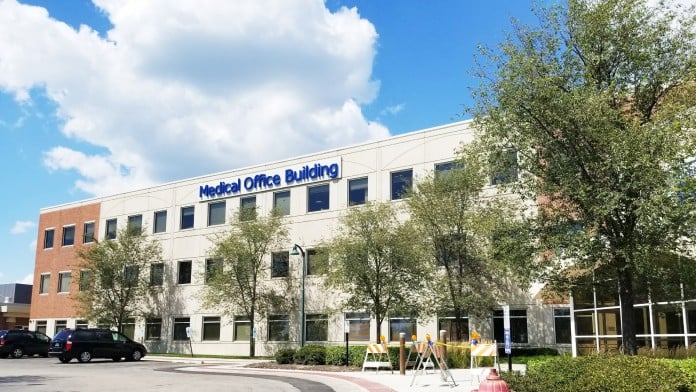
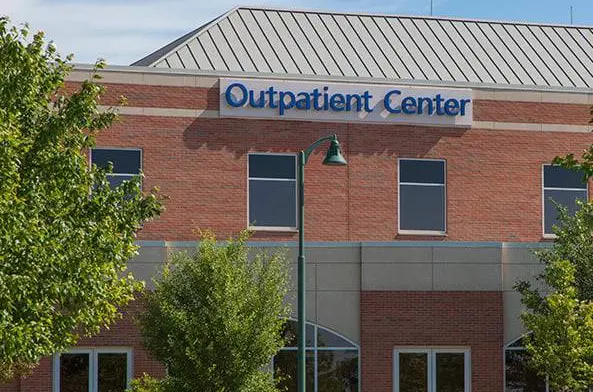
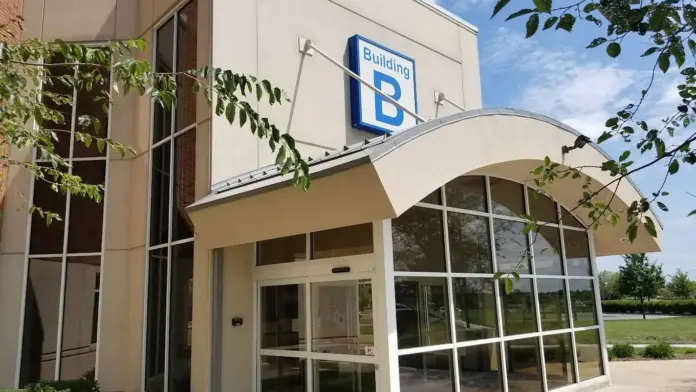
Accepted Insurance
Other Forms of Payment
Medicaid is a state based program that helps lower-income individuals and families pay for healthcare. Medicaid covers addiction treatment so those enrolled can use their coverage to pay for rehab. When a program accepts Medicaid the client often pays very little or nothing out of their own pocket.
Private insurance refers to any kind of healthcare coverage that isn't from the state or federal government. This includes individual and family plans offered by an employer or purchased from the Insurance Marketplace. Every plan will have different requirements and out of pocket costs so be sure to get the full details before you start treatment.
Self-pay involves paying for treatment out of your own pocket. You can use savings or credit, get a personal loan, or receive help from family and friends to fund your treatment. If you don't have insurance or your insurance plan doesn't cover a specific program, self-pay can help ensure you still get the care you need.
Military members, veterans, and eligible dependents have access to specific insurance programs that help them get the care they need. TRICARE and VA insurance can help you access low cost or no cost addiction and mental health treatment. Programs that accept military insurance often have targeted treatment focused on the unique challenges military members, veterans, and their families face.
Medicare is a federal program that provides health insurance for those 65 and older. It also serves people under 65 with chronic and disabling health challenges. To use Medicare for addiction treatment you need to find a program that accepts Medicare and is in network with your plan. Out of pocket costs and preauthorization requirements vary, so always check with your provider.
Financial aid can take many forms. Centers may have grants or scholarships available to clients who meet eligibility requirements. Programs that receive SAMHSA grants may have financial aid available for those who need treatment as well. Grants and scholarships can help you pai for treatment without having to repay.
Addiction Treatments
Levels of Care
Outpatient care for addiction is an important part of the recovery process. After the initial detoxification and/or residential treatment, they will work with you to set up an outpatient treatment plan that meets your needs. There are different levels available depending on the patient's needs, including the Partial Hospitalization Program and the Intensive Outpatient Program.
Intensive Outpatient programs are for those who want or need a very structured treatment program but who also wish to live at home and continue with certain responsibilities (such as work or school). IOP substance abuse treatment programs vary in duration and intensity, and certain outpatient rehab centers will offer individualized treatment programs. At Linden Oaks the IOP consists of daily therapy, including group, individual and family.
Residential treatment programs are those that offer housing and meals in addition to substance abuse treatment. Rehab facilities that offer residential treatment allow patients to focus solely on recovery, in an environment totally separate from their lives. Some rehab centers specialize in short-term residential treatment (a few days to a week or two), while others solely provide treatment on a long-term basis (several weeks to months). Some offer both, and tailor treatment to the patient's individual requirements. Linden Oaks' Residential Stay Program offers additional support for those who may benefit from a structured living environment. A patient's stay may vary from a few days to 30 days ago. The program includes group, family and individual counseling.
Intervention services helps family or friends of addicts stage an intervention, which is a meeting in which loved ones share their concerns and attempt to get an addict into treatment. Professional intervention specialists can help loved ones organize, gather, and communicate with an addict. They can guide intervention participants in describing the damage the addict's behavior is causing and that outside help is necessary to address the addiction. The ideal outcome of an intervention is for the addict to go to rehab and get the help they need.
12-step programs are addiction recovery models based on Alcoholics Anonymous (AA). A number of substance abuse programs (including some drug and alcohol rehab centers) use the 12 steps as a basis for treatment. Beginning steps involve admitting powerlessness over the addiction and creating a spiritual basis for recovery. Middle steps including making direct amends to those who've been hurt by the addiction, and the final step is to assist others in addiction recovery in the same way. 12-Step offshoots including Narcotics Anonymous (NA), Cocaine Anonymous (CA), Dual Recovery Anonymous (DRA), Sex and Love Addicts Anonymous (SLAA) and Gamblers Anonymous (GA).
As part of the ongoing care, they highly recommend support groups. They provide a place for patients to share their story and offer strategies to cope with life’s struggles. They offer access to a wide variety of support groups including: Al-Anon, Alcoholics Anonymous, Cocaine Anonymous, Nar-Anon, Narcotics Anonymous, and Positive Acceptance Towards Healing (PATH) for family members and friends of addicts.
Treatments
Mental health rehabs focus on helping individuals recover from mental illnesses like bipolar disorder, clinical depression, anxiety disorders, schizophrenia, and more. Mental health professionals at these facilities are trained to understand and treat mental health issues, both in individual and group settings.
Programs
Adult rehab programs include therapies tailored to each client's specific needs, goals, and recovery progress. They are tailored to the specific challenges adult clients may face, including family and work pressures and commitments. From inpatient and residential treatment to various levels of outpatient services, there are many options available. Some facilities also help adults work through co-occurring conditions, like anxiety, that can accompany addiction.
Young adulthood can be an exciting, yet difficult, time of transition. Individuals in their late teens to mid-20s face unique stressors related to school, jobs, families, and social circles, which can lead to a rise in substance use. Rehab centers with dedicated young adult programs will include activities and amenities that cater to this age group, with an emphasis on specialized counseling, peer socialization, and ongoing aftercare.
Clinical Services
Animal therapy (aka pet therapy or animal-assisted therapy) can be very healing, as it allows patients to bond with animals, who give unconditional love. This is particularly useful for those who suffered trauma by the hands of people, who may be able to trust and form closer attachments to animals than humans at certain stages of rehabilitation.
Cognitive Behavioral Therapy (CBT) is a therapy modality that focuses on the relationship between one's thoughts, feelings, and behaviors. It is used to establish and allow for healthy responses to thoughts and feelings (instead of unhealthy responses, like using drugs or alcohol). CBT has been proven effective for recovering addicts of all kinds, and is used to strengthen a patient's own self-awareness and ability to self-regulate. CBT allows individuals to monitor their own emotional state, become more adept at communicating with others, and manage stress without needing to engage in substance abuse.
Dialectical Behavior Therapy (DBT) is a modified form of Cognitive Behavioral Therapy (CBT), a treatment designed to help people understand and ultimately affect the relationship between their thoughts, feelings, and behaviors. DBT is often used for individuals who struggle with self-harm behaviors, such as self-mutilation (cutting) and suicidal thoughts, urges, or attempts. It has been proven clinically effective for those who struggle with out-of-control emotions and mental health illnesses like Borderline Personality Disorder.
Linden Oaks Behavioral Health is known throughout the Chicago area for its comprehensive eating disorders program. Led by a team of experienced psychiatrists who specialize in eating disorders, they offer the latest techniques to help adults and adolescents age 13 and older who are struggling with anorexia, bulimia and related eating disorders. Their program offers inpatient, partial hospitalization and intensive outpatient care. Through group therapy, nutrition education and exercise counseling, they help individuals address complex psychological issues while treating physical and dietary needs.
Therapists use everyday activities (occupations) to help people recovering from illness, injury and/or addiction regain and improve the skills they need to thrive in their daily lives. Groups focus on career-related topics that include: identifying interests and job skills, building a resume, preparing for job interviews, finding a job and exploring careers, and maintaining employment.
Research clearly demonstrates that recovery is far more successful and sustainable when loved ones like family members participate in rehab and substance abuse treatment. Genetic factors may be at play when it comes to drug and alcohol addiction, as well as mental health issues. Family dynamics often play a critical role in addiction triggers, and if properly educated, family members can be a strong source of support when it comes to rehabilitation.
Group therapy is any therapeutic work that happens in a group (not one-on-one). There are a number of different group therapy modalities, including support groups, experiential therapy, psycho-education, and more. Group therapy involves treatment as well as processing interaction between group members.
The therapists of Linden Oaks Medical Group provide traditional outpatient therapy. Patients usually meet once or twice a week for talk therapy with a counselor. The frequency of your sessions may vary based on your therapist’s and/or psychiatrist’s recommendations. Sessions last 45 minutes to an hour.
In addition to intensive outpatient programs (half day) and partial hospitalization programs (full day), they also offer life skills education. Their life skills education is designed to provide vocational training and teach you healthy coping and problem-solving skills.
The Linden Oaks crisis response team provides immediate and practical resources for those impacted by trauma and serious loss. By offering assessments, information, referrals, education and support during a time of need, the team delivers frontline mental health care with compassion, dignity and excellence. The Linden Oaks crisis response team includes approximately 20 members. Members represent various disciplines, including counseling, psychology, social work, education, nursing and other related areas.
Amenities
-
 Yoga Studio
Staff & Accreditations
Staff

Gerald "J.P." Gallagher
President & CEO
Deb Anderson
CIO
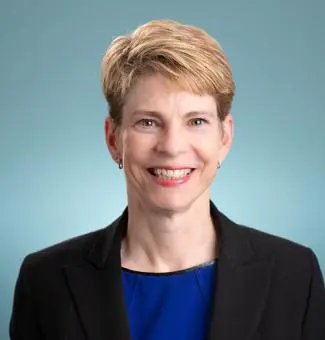
Anne Martino
CMO
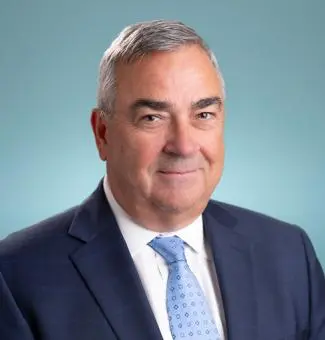
Doug Welday
CFO
Accreditations

The Joint Commission, formerly known as JCAHO, is a nonprofit organization that accredits rehab organizations and programs. Founded in 1951, the Joint Commision's mission is to improve the quality of patient care and demonstrating the quality of patient care.
Joint Commission Accreditation: Yes
Rehab.com regularly reviews this listing for accuracy but changes may occur between updates. For the most up-to-date information, please contact Edward Outpatient Center.
Contact Information


24600 West 127th Street
Building B Suite 300
Plainfield, IL 60585
Sponsored Helpline



