






























































































Love it staff is great ive been here a year an half an never had one problem from anyone here. I am doing awesome great counselors and great security.
About Elkton Comprehensive Treatment Center
Elkton Comprehensive Treatment Center is located in Elkton, Maryland. This is an opioid treatment facility where men and women can come and receive counseling and medication assisted treatment (MAT) for addiction struggles they’re facing.
They have 24/7 appointment scheduling, so you can call at any time to learn more about the services here and how they can help you. You can also schedule an appointment, and you can usually get an appointment the next day or the same day in some cases.
They accept policies from most major insurance providers, including Medicaid, Medicare, and select veterans’ benefits.
Clinical Care and MAT
You’ll find that the treatment approach here is very much rooted in clinical practices. Their MAT program employs the use of methadone maintenance so that you can manage lingering withdrawal symptoms or ongoing cravings.
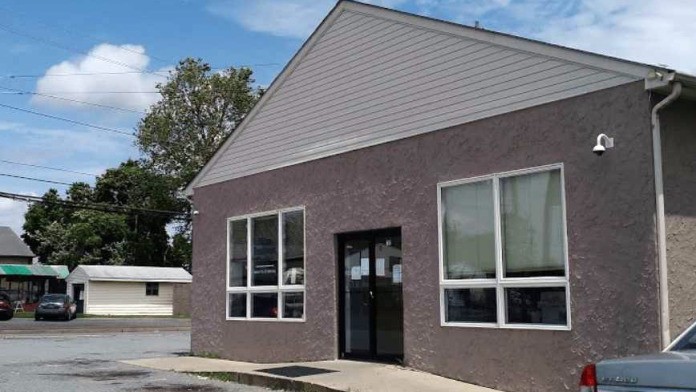
Although this facility has a very administrative feel to it, you’ll find that the staff is supportive, provides judgment free care, and will help you when you encounter challenges in your recovery journey.
MAT is followed up by individual counseling. Through counseling, you’ll learn how to take back control over your emotions, identify and manage triggers, and build healthy habits that will support your sobriety.
Supportive Community
The Elkton Comprehensive Treatment Center is about one hour northeast of Baltimore. You’re close enough to the big city where you can enjoy all that Maryland’s bustling metropolis has to offer, such as the Baltimore Museum of Art, the National Aquarium, or catching a game at Oriole Park at Camden Yards.
Elkton, however, is a much smaller community, making it a good place to receive care if you want to be away from the distractions of city life but close enough to find more resources if you need them.
Surrounding Elkton is the beautiful landscape of northern Maryland, and this makes it a great way for you to venture out into nature and explore the beauty this state has to offer.
Latest Reviews
Highly recommend this clinic. The nurses as well as the staff are very friendly and extremely helpful. Very supportive in my early recovery. Counselors have always been very personable. Would recommend to anyone trying to get on the road to recovery. YOUR WORTH IT!
Response from the owner1 week ago
We’re so happy to receive your feedback! Our top priorities have always been to provide compassionate care, personalized treatment, and a welcoming space to heal.
Place is awesome bro. If I could give more stars I totally would dude. Wickedddddd
If you’re looking for help this is the place to be. I have the coolest counselor in the world. The people that work there are very nice. I’ve never had no problem there I had one little misunderstanding and they took care of it for me. If you’re trying to get your life together this is the place to go to

Rehab Score
 Our Methodology
Scoring is assigned by a proprietary system which helps surface key metrics that determine quality. The 10-point scale factors in categories such as operations, customer satisfaction, and trust metrics. Read Full Methodology

6.9 / 10
Gallery
Other Forms of Payment
Private insurance refers to any kind of healthcare coverage that isn't from the state or federal government. This includes individual and family plans offered by an employer or purchased from the Insurance Marketplace. Every plan will have different requirements and out of pocket costs so be sure to get the full details before you start treatment.
Self-pay involves paying for treatment out of your own pocket. You can use savings or credit, get a personal loan, or receive help from family and friends to fund your treatment. If you don't have insurance or your insurance plan doesn't cover a specific program, self-pay can help ensure you still get the care you need.
Medicare is a federal program that provides health insurance for those 65 and older. It also serves people under 65 with chronic and disabling health challenges. To use Medicare for addiction treatment you need to find a program that accepts Medicare and is in network with your plan. Out of pocket costs and preauthorization requirements vary, so always check with your provider.
Military members, veterans, and eligible dependents have access to specific insurance programs that help them get the care they need. TRICARE and VA insurance can help you access low cost or no cost addiction and mental health treatment. Programs that accept military insurance often have targeted treatment focused on the unique challenges military members, veterans, and their families face.
Medicaid is a state based program that helps lower-income individuals and families pay for healthcare. Medicaid covers addiction treatment so those enrolled can use their coverage to pay for rehab. When a program accepts Medicaid the client often pays very little or nothing out of their own pocket.
Addiction Treatments
Levels of Care
Outpatient Programs (OP) are for those seeking mental rehab or drug rehab, but who also stay at home every night. The main difference between outpatient treatment (OP) and intensive outpatient treatment (IOP) lies in the amount of hours the patient spends at the facility. Most of the time an outpatient program is designed for someone who has completed an inpatient stay and is looking to continue their growth in recovery. Outpatient is not meant to be the starting point, it is commonly referred to as aftercare.
Inpatient rehab enables clients to focus exclusively on their recovery while living in a highly structured and supportive environment. Inpatient treatment is typically designed for clients who have just completed detox, are in early recovery, and/or are at an elevated risk of relapse. Their treatment generally involves intensive addiction counseling, including individual, group, and family counseling. Many inpatient rehabs also offer recovery-focused life skills training and/or holistic therapies, such as yoga, massage, and meditation.
Clients who are leaving inpatient rehab often choose to transition into an intensive outpatient program (IOP) to receive high-level support as they reintegrate into their home, workplace, and community. Intensive outpatient rehab also benefits those at risk of relapse. Clients typically participate in nine to 20 hours of treatment weekly, with modalities ranging from psychotherapy to addiction and recovery education. Many programs also provide medication assisted treatment (MAT) and complementary care, such as nutrition counseling, and acupuncture.
Intervention services helps family or friends of addicts stage an intervention, which is a meeting in which loved ones share their concerns and attempt to get an addict into treatment. Professional intervention specialists can help loved ones organize, gather, and communicate with an addict. They can guide intervention participants in describing the damage the addict's behavior is causing and that outside help is necessary to address the addiction. The ideal outcome of an intervention is for the addict to go to rehab and get the help they need.
Drug and alcohol addiction often takes a heavy toll on one's body. Over time, a physical dependence can develop, meaning the body physiologically needs the substance to function. Detox is the process of removing drugs and/or alcohol from the body, a process that can be lethal if mismanaged. Medical detox is done by licensed medical professionals who monitor vital signs and keep you safe, healthy, and as comfortable as possible as you go through detox and withdrawal.
Treatments
Opioid rehabs specialize in supporting those recovering from opioid addiction. They treat those suffering from addiction to illegal opioids like heroin, as well as prescription drugs like oxycodone. These centers typically combine both physical as well as mental and emotional support to help stop addiction. Physical support often includes medical detox and subsequent medical support (including medication), and mental support includes in-depth therapy to address the underlying causes of addiction.
Substance rehabs focus on helping individuals recover from substance abuse, including alcohol and drug addiction (both illegal and prescription drugs). They often include the opportunity to engage in both individual as well as group therapy.
Programs
Adult rehab programs include therapies tailored to each client's specific needs, goals, and recovery progress. They are tailored to the specific challenges adult clients may face, including family and work pressures and commitments. From inpatient and residential treatment to various levels of outpatient services, there are many options available. Some facilities also help adults work through co-occurring conditions, like anxiety, that can accompany addiction.
Young adulthood can be an exciting, yet difficult, time of transition. Individuals in their late teens to mid-20s face unique stressors related to school, jobs, families, and social circles, which can lead to a rise in substance use. Rehab centers with dedicated young adult programs will include activities and amenities that cater to this age group, with an emphasis on specialized counseling, peer socialization, and ongoing aftercare.
Clinical Services
Group therapy is any therapeutic work that happens in a group (not one-on-one). There are a number of different group therapy modalities, including support groups, experiential therapy, psycho-education, and more. Group therapy involves treatment as well as processing interaction between group members.
In individual therapy, a patient meets one-on-one with a trained psychologist or counselor. Therapy is a pivotal part of effective substance abuse treatment, as it often covers root causes of addiction, including challenges faced by the patient in their social, family, and work/school life.
Amenities
-
 Private Setting
Accreditations

The Commission on Accreditation of Rehabilitation Facilities (CARF) is a non-profit organization that specifically accredits rehab organizations. Founded in 1966, CARF's, mission is to help service providers like rehab facilities maintain high standards of care.
CARF Accreditation: Yes

The National Association of Addiction Treatment Providers (NAATP) is a professional association that represents organizations in the field of addiction services. Founded in 1978, NAATP's mission is to advance addiction services and ensure that high-quality addiction treatment is available and accessible.
NAATP Member: Yes
Rehab.com regularly reviews this listing for accuracy but changes may occur between updates. For the most up-to-date information, please contact Elkton Comprehensive Treatment Center.
Contact Information

212 Blue Ball Avenue
Elkton, MD 21921
Get Help Now - 443-376-8502
Sponsored Helpline
Sponsored Helpline



