





























































































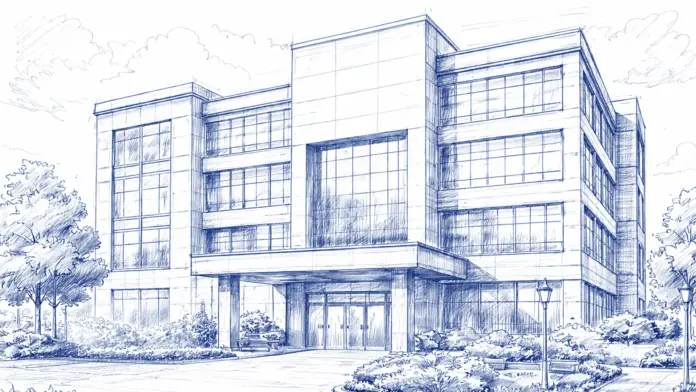
About Embark Behavioral Health: Teen Rehab in Berwyn, PA
Embark Behavioral Health in Berwyn, Pennsylvania is a Joint Commission-accredited outpatient mental health center for adolescents and teens ages 12 to 17. Located at 1031 Old Cassatt Road in the Philadelphia Main Line suburbs, the program treats anxiety, depression, trauma, ADHD, bipolar disorder, self-harm, and co-occurring substance use through evidence-based, family-centered care. The CDC’s 2021 Youth Risk Behavior Survey found that more than 4 in 10 Pennsylvania high school students reported persistent feelings of sadness or hopelessness, and Embark provides local outpatient programs for families who need intensive support without disrupting school or home life.
Programs and Levels of Care
Embark Behavioral Health Berwyn offers a continuum of outpatient services calibrated to each adolescent’s clinical need. The partial hospitalization program (PHP) provides 12 to 20 hours of structured treatment per week across four to six days. The intensive outpatient program (IOP) meets in the evenings to fit school and family schedules, typically three to four days per week for nine to twelve hours. Standard outpatient individual therapy and a virtual IOP option are also available for teens who need a lighter or remote treatment format.
The clinical team uses cognitive behavioral therapy (CBT), dialectical behavior therapy (DBT), attachment-based therapy, trauma-focused therapy, experiential therapy, and creative art therapies. Families are required to participate in treatment from intake through discharge, with structured family therapy sessions, parent coaching, and community parent support groups included in the program.
Quick Facts
- Location: 1031 Old Cassatt Rd Suite 100, Berwyn, PA 19312, in Chester County near the Philadelphia Main Line.
- Levels of care: PHP, IOP, standard outpatient, virtual IOP, and telehealth.
- Who the clinic serves: Adolescents and teens ages 12 to 17 of all genders, including LGBTQ+ youth.
- Conditions addressed: Anxiety, depression, trauma and PTSD, ADHD, bipolar disorder, self-harm, suicidal ideation, and co-occurring substance use.
- Accreditation: Joint Commission accredited; Pennsylvania state licensed.
- Insurance: Accepts public and private insurance; staff assist with benefits verification at no charge.
Getting Started
Embark Behavioral Health offers a free 15-minute consultation to help families identify the right level of care and confirm insurance coverage. Contact the Berwyn clinic to speak with an admissions team member and take the first step toward treatment.
Latest Reviews



Rehab Score
 Our Methodology


Gallery
Other Forms of Payment
Private insurance refers to any kind of healthcare coverage that isn't from the state or federal government. This includes individual and family plans offered by an employer or purchased from the Insurance Marketplace. Every plan will have different requirements and out of pocket costs so be sure to get the full details before you start treatment.
Self-pay involves paying for treatment out of your own pocket. You can use savings or credit, get a personal loan, or receive help from family and friends to fund your treatment. If you don't have insurance or your insurance plan doesn't cover a specific program, self-pay can help ensure you still get the care you need.
Addiction Treatments
Levels of Care
Evening-scheduled outpatient care typically meeting three to four days per week, nine to twelve hours total, allowing teens to maintain school attendance during treatment.
A structured day program at the Berwyn clinic running 12 to 20 hours per week across four to six days, designed for adolescents needing intensive support while living at home
Individual weekly therapy sessions for adolescents with moderate symptoms or those stepping down from higher levels of care, scheduled to fit the teen's daily routine.
Virtual IOP and remote counseling sessions that extend access to Embark Behavioral Health's Berwyn-based clinical team for families outside the immediate area or with scheduling constraints.
Treatments
The Berwyn program addresses co-occurring mental health and substance use conditions simultaneously, treating both within the same outpatient care plan rather than as separate episodes.
Programs
Embark Behavioral Health Berwyn's core program serves teens ages 12 to 17 of all genders, including LGBTQ+ youth, for anxiety, depression, trauma, ADHD, and co-occurring conditions.
Clinical Services
An evidence-based therapy used at the Berwyn program to build distress tolerance, emotion regulation, and interpersonal skills in teens with mood and self-harm concerns.
Structured experiential and creative art therapy activities, including visual art, music, and movement, used at the Berwyn clinic to support emotional regulation and co-regulation with caregivers.
Family participation is required from intake through discharge at Embark Berwyn, with structured family sessions, parent coaching, and community parent support groups integral to the program model.
Structured peer group sessions delivered across IOP and PHP levels at the Berwyn clinic, providing adolescents with skill-building, shared experience, and peer support in a clinically supervised setting.
One-on-one sessions with licensed Embark therapists in Berwyn, with an average caseload of six clients per therapist to ensure focused, individualized clinical attention.
A core modality at Embark Berwyn used to help adolescents identify and shift thought patterns driving anxiety, depression, and related behavioral health conditions.
Specialized trauma treatment delivered within Embark's IOP and PHP programs to address PTSD, adverse experiences, and the behavioral health symptoms they produce in adolescents.
Staff & Accreditations
Staff

Matthew Dale, MA
VP of Operations – East

Abigail AckoureyAssistant Clinical Director
LCSW

Anthony Carvalho, MA, LMFT
Clinic Director

Regan Sarmento, M.Ed.
Senior Director of Clinical Partnerships

Dr. Harry Gill, MD, PhD
Medical Director
Accreditations

The Joint Commission, formerly known as JCAHO, is a nonprofit organization that accredits rehab organizations and programs. Founded in 1951, the Joint Commision's mission is to improve the quality of patient care and demonstrating the quality of patient care.
Joint Commission Accreditation: Yes
Rehab.com regularly reviews this listing for accuracy but changes may occur between updates. For the most up-to-date information, please contact Embark Behavioral Health: Teen Rehab in Berwyn, PA.
Contact Information


1031 Old Cassatt Rd
Suite 100
Berwyn, PA 19312
Sponsored Helpline


