

































































































My son ended up here after North Austin Recovery decided that he could no longer stay with them. The real problem was mental health which wasn't addressed. This was two years ago. He ended up in his own apartment but needed the structure of living with others. One night he e ...
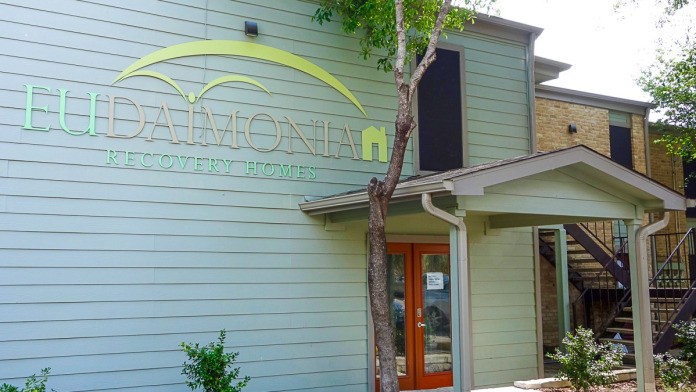
About Eudaimonia recovery homes
The center is known for being inclusive. If this is important to you then you may like the fact that they offer treatment to men, women and LGBTQIA+ individuals from all walks of life. No matter who you are you’ll likely find the help you need at this center if you’re ready to lead a sober lifestyle.
To help you achieve this lifestyle you can participate in any of the sober living arrangements that allow you to gain valuable life skills while learning how to navigate real-life responsibilities. When you live at one of the Eudaimonia recovery homes – which are gender and LGBTQIA+ specific – you’ll be responsible for paying a fair monthly fee. You will also need to participate in a unique custom-tailored three-phase recovery program.
You can also rest easy knowing that staff are on-site 24/7 if you ever need assistance or are facing a crisis during your journey to sobriety. The recovery homes are affordable and near amenities and facilities that can help your long-term recovery. The homes also include everything you could need during your stay for as long as required. For example, cable, Wi-Fi, a media center, a private pool, a fitness center, a community center and fully furnished rooms are available.
Many have also loved that the Austin, Texas recovery home offers a distraction-free space with clinical support. You can practice what you have learned in rehab and receive individual therapy to continue overcoming personal issues that could impact addiction recovery and personal growth.
You’ll need to speak with the facility to learn more about the recovery homes and whether rooms are available.
Fact checked and written by:
Jason Collins
Edited by:
Courtney Myers, MS
Latest Reviews
Eudomania been a major positive impact on my recovery I feel like I’m at home here I spent a long time in active addiction looking for a home without realizing that a home is not 4 walls a home is a solid group of guys in your life that loves you for you for you and meets you where your at and gives you accountability and doesn’t co sign your bs and let’s you be vulnerable and let’s you be able to ask for help and gives you affirmation I strongely recommend Eudomania for anyone that is seeking recovery it helped save my life living here I’m currently 200 days clean and sober ❤️🩹🙏🏽
Overall, it's a great place to build on your recovery. It's a different concept from traditional sober living homes because you're actually living in apartments. I have my own apartment so I have a decent amount of independence and privacy. I work from home so it's a good fit. They come furnished with living room and bedroom furniture and kitchen appliances. You're allowed to have small pets as well, which is great because I have a cat!
Living here still has all the accountabilities important for sober living environments: curfews, weekly UAs, no outside guests allowed in your apartment, all packages you receive have to opened in front of a staff member in the office, overnight passes have to be cleared by staff, any perscription medication has to be on file with the office. The staff are very nice, tough at times but fair.
You're required to attend at least 3 meetings a week and be working steps with a sponsor. They have 2-3 meetings a week on premise so it's easy to make your meetings and is a good way to meet other residents here. It's a good community and helpful way to meet other people working on their recovery.
There's a shared laundry facility for the complex, washers and dryers are free, you have to provide your own detergent. There are 5 stacked washer/dryer units but 1-2 of units seem to be down at any given time so sometimes there's a wait to do laundry.
Response from the owner1 month ago
Thanks for the detailed 5-star review, Chad — we really appreciate you taking the time to share your experience. We're glad the apartment setup, furnished units, pet policy, and on-site meetings made it a good fit for your recovery and work-from-home routine. It’s great to hear our staff and the community have been supportive while keeping the necessary structure in place. Sorry about the intermittent laundry issues; we’ll follow up with maintenance to improve washer and dryer availability.
If I could do four and a half I would but I can't so I'll err on the side of grace. The pictures on the website actually match the apartments. The maintenance is mostly on point except for smaller items, so stop whining. The gym has a lot of hard iron, and the pool (which is oddly empty most of the time) is clean and cold. Two small demerits - older folks would benefit from a good working treadmill or exercise bicycle, and the app where one is expected to document one's experience is clunky and cumbersome. But any sober living environment rises or falls on programs and staff, and in that area this place is extraordinary. The counselors/advocates (all of whom are in recovery) are there all the time; talking to you, asking about you, working with you, and gently encouraging you to attend meetings and to support each other. They are excellent in smaller groups although the larger group meetings, which are rare, are not facilitated as well. Overall, it's the best sober living environment in Austin, likely in the CenTex area - affordable, non-judgmental, and almost home.
Response from the owner1 month ago
Thank you, Antonio, for the thoughtful and detailed review and for highlighting what we do well, including accurate listings and the strong recovery community. We appreciate your praise for our counselors and smaller group work, and we will share your feedback about facilitating larger meetings more effectively. Thank you also for flagging the need for a working treadmill or exercise bike and the clunky app; we are exploring equipment upgrades and ways to streamline the app experience. We’re glad you feel at home here and grateful for your recommendation. 
Rehab Score
 Our Methodology
Scoring is assigned by a proprietary system which helps surface key metrics that determine quality. The 10-point scale factors in categories such as operations, customer satisfaction, and trust metrics. Read Full Methodology

6.5 / 10
Gallery
Other Forms of Payment
Private insurance refers to any kind of healthcare coverage that isn't from the state or federal government. This includes individual and family plans offered by an employer or purchased from the Insurance Marketplace. Every plan will have different requirements and out of pocket costs so be sure to get the full details before you start treatment.
Self-pay involves paying for treatment out of your own pocket. You can use savings or credit, get a personal loan, or receive help from family and friends to fund your treatment. If you don't have insurance or your insurance plan doesn't cover a specific program, self-pay can help ensure you still get the care you need.
Addiction Treatments
Levels of Care
After completing some form of inpatient care, many clients transition or step down to an outpatient rehab, while some choose to transition from detox directly into outpatient care. High-intensity outpatient programming, including partial hospitalization (PHP) and intensive outpatient (IOP) is widely available for clients in early recovery, those leaving detox, and those at an elevated relapse risk. Clients in outpatient care generally engage in robust addiction counseling and recovery education, and some also receive medication assisted treatment (MAT).
Intensive outpatient programs offer high-level care for clients as an increased risk of relapse, including those in early recovery, those with a strong history of relapse, and those experiencing a crisis. Intensive outpatient treatment typically requires clients to engage in nine to 20 hours of care weekly, with treatment modalities that combine psychotherapy and recovery education, and holistic therapies, such as acupuncture and animal therapy. Medication assisted treatment (MAT) is also common in alcohol and/or opioid recovery.
Rehab aftercare programs are based on a model of continuing care and the premise that recovery is a life-long process requiring ongoing client support. Many rehab aftercare services include outpatient care, but clients often continue to receive support after being discharged from formal treatment. Case managers and care teams typically collaborate with clients to design their long-term care plan, which may include peer coaching, career counseling, and 12 step program induction, among other services.
12 step programs promote participants' sustained sobriety through rigorous and ongoing peer coaching and personal spiritual growth. Participants routinely attend 12 step meetings, which are available multiple times per day, 365 days per year in most communities. This ensures that those in recovery have prompt access to the structure and support they need when they need it. These programs use spiritual precepts to address the root causes of addiction and encourage compassion, self-awareness, forgiveness, accountability, and acceptance.
Sober Living Houses (SLHs), aka sober homes or halfway houses, are safe, substance-free, supportive living facilities for those recovering from substance abuse. Ideal for those who've just been through inpatient or outpatient treatment, SLHs are supervised environments with rules that support sobriety, such as curfews, shared chores, and therapeutic meetings. Residents are also often trained on life skills and coping skills to make it easier to transition into society. SLHs also provide a strong sense of community that can lead to the kind of deep and lasting connections with other sober individuals that supports a new, healthy lifestyle.
Ridding the body of harmful, addictive substances, also known as detoxification, is usually the first phase of recovery. Those going through medically assisted detox can be administered medications by a team of medical professionals who are on-site 24/7 to provide different types of therapies that help mitigate withdrawal symptoms.
Treatments
A combined mental health and substance abuse rehab has the staff and resources available to handle individuals with both mental health and substance abuse issues. It can be challenging to determine where a specific symptom stems from (a mental health issue or an issue related to substance abuse), so mental health and substance abuse professionals are helpful in detangling symptoms and keeping treatment on track.
Programs
Recovery is most successful when clients feel accepted and validated by their peers and treatment providers. Facilities that offer LGBTQ-inclusive programming are committed to creating a safe space where everyone can grow and recover without fear of judgment or discrimination. They will have dedicated policies in place to create a safe and supportive environment that fosters free expression.
Clinical Services
The goal of cognitive behavioral therapy (CBT) in Texas is to change thought patterns, which leads to changes in behavior. Specific techniques during CBT can include self talk, SMART goals, journaling, and positive activities.
Treatment that takes a dialectical behavior therapy approach focuses on four strategies. Distress tolerance will help you accept and tolerate intense emotions. Emotional regulation will teach you to manage those emotions. Mindfulness will keep you in the present moment instead of regret or worry. Interpersonal effectiveness will teach you to manage your relationships.
Peer support is an important aspect of group therapy sessions for drug and alcohol addiction. As you and your peers share stories and encourage each other, it fosters a sense of community and belonging that helps you process your feelings and reduces the sense of isolation that is associated with addiction.
Individual therapy offers you a confidential space to address the complexities of your drug or alcohol addiction. Your therapist guides these personalized sessions to help develop self awareness and manage stress. This promotes sustained sobriety and overall well being.
Therapy sessions that incorporate motivational interviewing focus on OARS: open questions, affirmation, reflections, and summarizing. This facilitates an exchange of information and an empowering of the client to decide for themselves what changes might need to be made in their lives.
Together with an experienced trauma therapist, you work on healing emotional wounds from traumatic experiences within a trauma therapy environment. Your therapist will help you process the experience of the trauma, which promotes emotional healing and improves your overall mental health.
Couples therapy helps couples learn to control emotions, trust each other, and communicate more effectively. It can be useful for short term intervention for a specific issue or for working on the relationship long term.
The purpose of family therapy is to create a supportive and understanding family dynamic within the family unit. Therapists help individual members to identify and change harmful behavior patterns and improve communication. This provides a stable foundation for the family and their loved one's recovery.
Life skills trainings involve all the skills a person must have in order to function successfully in the world. These include time management, career guidance, money management, and effective communication. Truly successful addiction recovery is based on the ability to not only live substance-free, but to thrive. Life skills teaches the practical necessities of functioning in society, which sets clients up for success in life, and therefore sobriety.
What you eat has a significant effect on your mental and physical health. That's why many addiction recovery programs in Texas incorporate nutrition therapy in their treatment. This therapy teaches you how addiction affects nutrition, what foods are best to eat during recovery, and how to shop for and prepare healthy meals.
Creative arts therapy focuses on creative processes. You may engage in sculpting, dancing, improv, painting, or sketching. These creative outlets provide an opportunity to explore and express difficult emotions.
When used as recommended, nicotine replacement therapy in Texas provides enough nicotine to help you avoid severe cravings and withdrawal symptoms after quitting smoking. This increases comfort so you're less likely to relapse into your smoking habit.
Amenities
-
 Gym
Gym -
 Yoga Studio
 -
 Wifi
Wifi -
 Residential Setting
 -
 Private Rooms
 -
 Mountain Views
 -
 Gardens
 -
 Walking Trails
Rehab.com regularly reviews this listing for accuracy but changes may occur between updates. For the most up-to-date information, please contact Eudaimonia recovery homes.
Contact Information

7211 Northeast Dr
Austin, TX 78723
Get Help Now - 737-359-2621
Sponsored Helpline
Sponsored Helpline

