












Footprints to Recovery Addiction Treatment Centers
1
Top 10 Rehab Centers In Centennial



















































































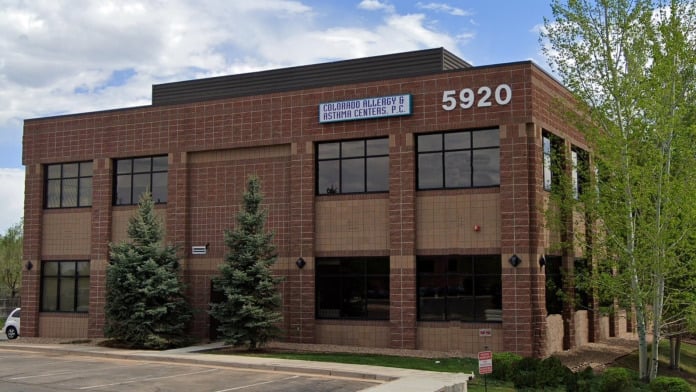
Located in Littleton, Colorado, is the Galaxy Detox Center. This is a full service detox facility that helps adults who are struggling with a drug addiction.
They specialize in treating individuals with various substance use issues, including those addicted to prescription drugs, benzodiazepines, stimulants and other substances. Most major insurance policies are accepted here, and they can help you find financial aid support services that can cover the cost of your care.
Detox rooms are private, with single occupancy queen size beds, providing you with a space to safely wean off of your chemical dependency. Here at the Galaxy Detox Center, you’ll find a peaceful, hotel-like environment that features freshly catered meals from local restaurants, as well as around the clock snacks and beverages available to you.
While you’re on site, you’ll have access to Wi-Fi, 24/7 medical staff, and will engage in traditional recovery approaches like cognitive behavioral therapy and family counseling.
These treatment approaches will help you discover the cause of your addiction, come up with relapse prevention strategies and strengthen your support system. The facility itself is close to popular cities like Denver ,and there are a number of community parks and access to community resources here.
Another great thing about this facility is that it has a low staff to patient ratio. This means that you’ll have more time to receive personalized care to address your unique needs.
Additional services you’ll receive here include daily physical exams and daily mental health checks. Gallus Detox Center receives an average rating of 4.5 out of five stars. A reviewer expressed that they felt welcomed, never judged and always cared for.

 Our Methodology


Self-pay involves paying for treatment out of your own pocket. You can use savings or credit, get a personal loan, or receive help from family and friends to fund your treatment. If you don't have insurance or your insurance plan doesn't cover a specific program, self-pay can help ensure you still get the care you need.
Private insurance refers to any kind of healthcare coverage that isn't from the state or federal government. This includes individual and family plans offered by an employer or purchased from the Insurance Marketplace. Every plan will have different requirements and out of pocket costs so be sure to get the full details before you start treatment.
Drug and alcohol addiction often takes a heavy toll on one's body. Over time, a physical dependence can develop, meaning the body physiologically needs the substance to function. Detox is the process of removing drugs and/or alcohol from the body, a process that can be lethal if mismanaged. Medical detox is done by licensed medical professionals who monitor vital signs and keep you safe, healthy, and as comfortable as possible as you go through detox and withdrawal. The length of stay at the detoxification program is determined according to the specific needs of the patient.
Residential treatment programs are those that offer housing and meals in addition to substance abuse treatment. Rehab facilities that offer residential treatment allow patients to focus solely on recovery, in an environment totally separate from their lives. Some rehab centers specialize in short-term residential treatment (a few days to a week or two), while others solely provide treatment on a long-term basis (several weeks to months). Some offer both, and tailor treatment to the patient's individual requirements.
Completing a drug or alcohol rehab program shouldn't spell the end of substance abuse treatment. Aftercare involves making a sustainable plan for recovery, including ongoing support. This can include sober living arrangements like halfway houses, career counseling, and setting a patient up with community programs like Alcoholics Anonymous (AA) or Narcotics Anonymous (NA).
The goal of treatment for alcoholism is abstinence. Those with poor social support, poor motivation, or psychiatric disorders tend to relapse within a few years of treatment. For these people, success is measured by longer periods of abstinence, reduced use of alcohol, better health, and improved social functioning. Recovery and Maintenance are usually based on 12 step programs and AA meetings.
Professional services are often necessary to recover from addiction. Drug rehab in Colorado provides the expert services needed to address the complex issues of addiction and help individuals start their recovery journey.
Opioid rehabs specialize in supporting those recovering from opioid addiction. They treat those suffering from addiction to illegal opioids like heroin, as well as prescription drugs like oxycodone. These centers typically combine both physical as well as mental and emotional support to help stop addiction. Physical support often includes medical detox and subsequent medical support (including medication), and mental support includes in-depth therapy to address the underlying causes of addiction.
Substance rehabs focus on helping individuals recover from substance abuse, including alcohol and drug addiction (both illegal and prescription drugs). They often include the opportunity to engage in both individual as well as group therapy.
Adult rehab programs include therapies tailored to each client's specific needs, goals, and recovery progress. They are tailored to the specific challenges adult clients may face, including family and work pressures and commitments. From inpatient and residential treatment to various levels of outpatient services, there are many options available. Some facilities also help adults work through co-occurring conditions, like anxiety, that can accompany addiction.
Young adulthood can be an exciting, yet difficult, time of transition. Individuals in their late teens to mid-20s face unique stressors related to school, jobs, families, and social circles, which can lead to a rise in substance use. Rehab centers with dedicated young adult programs will include activities and amenities that cater to this age group, with an emphasis on specialized counseling, peer socialization, and ongoing aftercare.
Research clearly demonstrates that recovery is far more successful and sustainable when loved ones like family members participate in rehab and substance abuse treatment. Genetic factors may be at play when it comes to drug and alcohol addiction, as well as mental health issues. Family dynamics often play a critical role in addiction triggers, and if properly educated, family members can be a strong source of support when it comes to rehabilitation.
In individual therapy, a patient meets one-on-one with a trained psychologist or counselor. Therapy is a pivotal part of effective substance abuse treatment, as it often covers root causes of addiction, including challenges faced by the patient in their social, family, and work/school life.
Nicotine Replacement Therapy (NRT) is a way of getting nicotine into the bloodstream without smoking. It uses products that supply low doses of nicotine to help people stop smoking. The goal of therapy is to cut down on cravings for nicotine and ease the symptoms of nicotine withdrawal.
 Private Setting
  Wifi
Wifi  Private Transportation
  Private Rooms
Founder

Chairman and Chief Executive Officer

President and Chief Operating Officer
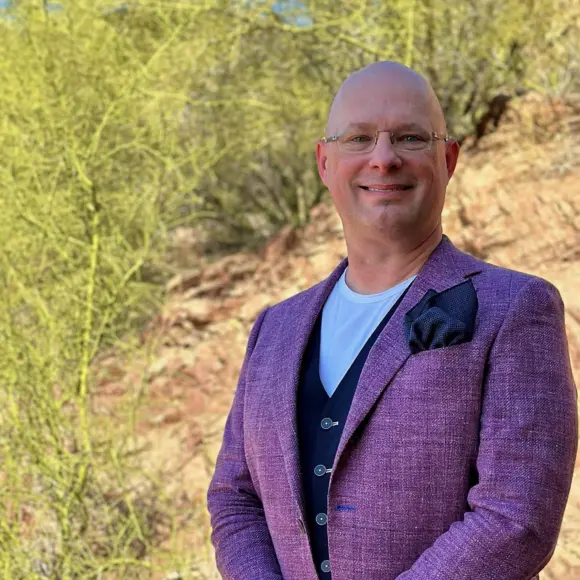
Medical Director
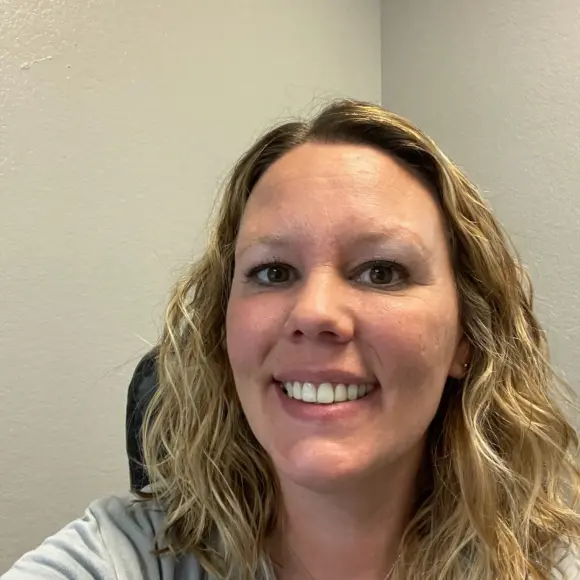
Executive Clinical Director

Medical Director

The Joint Commission, formerly known as JCAHO, is a nonprofit organization that accredits rehab organizations and programs. Founded in 1951, the Joint Commision's mission is to improve the quality of patient care and demonstrating the quality of patient care.
Joint Commission Accreditation: Yes

LegitScript has reviewed Gallus Detox Center as part of their certification program, and has determined that it meets the LegitScript standards for legality, safety and transparency.
LegitScript verified in July 2020
Rehab.com regularly reviews this listing for accuracy but changes may occur between updates. For the most up-to-date information, please contact Gallus Detox Center.

5920 S. Estes Street Suite 150
Littleton, CO 80123
Sponsored Helpline

My experience at Gallus was better than I could ever have imagined and truly life changing / saving. I felt genuinely cared for by a highly professional staff. I was pretty sick going in and terrified of how difficult detox might be, their approach to make it as smooth and comfortable as possible honestly made it feel quite easy. The staff is consistently monitoring your comfort and symptoms and makes adjustments as needed along the way. The therapists and medical staff treated me like a person vs a number or billing opportunity, which so many in this industry don’t. Additionally, the facility is extremely comfortable. A well stocked kitchen with tons of drinks and snacks, comfortable places to relax, and plenty of options for entertainment (games, movies, books, puzzles, etc). Cannot recommend Gallus enough for those that need the best care possible in a really difficult situation.

My dad recently completed treatment at Gallus Detox Center, and our family couldn’t be more grateful for the care he received. From the moment he arrived, the staff treated him with kindness, respect, and genuine compassion. They made a difficult time much easier by providing a safe, supportive, and encouraging environment. A special thank you to Christian, the Clinical Director, whose leadership and dedication to patient care are evident throughout the facility. Diana, the Director of Nursing, was incredibly compassionate and ensured my dad received exceptional care. Stormy, the Office Manager, was always welcoming, organized, and helpful, making the entire process seamless. I also want to recognize Ramil, who went above and beyond as a tech. His encouragement, positive attitude, and genuine care made a lasting impact on my dad’s experience. And thank you to Izzy, RN, for providing outstanding nursing care with professionalism, patience, and compassion. The entire team works together to create an environment where patients feel valued, supported, and respected. Our family is incredibly thankful for everything they did for my dad. If you’re looking for a detox center that truly cares about its patients, I highly recommend Gallus Detox Center. Thank you all for the amazing work you do!

I had a great experience at Gallus! Especially want to shout out the nurse manager Tess, Carolyn, Izzy and Katherine! I appreciated that I could have my phone and laptop

Hands down the best Detox in the country!! Gallus gives top shelf care everytime. This organization treats everyone with dignity and respect. Great knowledgeable staff. Gallus uses the latest protocols lead by research with successful testimonies to back it. Safe and secure environment. They care about the community and take pride in doing whats best for their clients. Take a look at the other reviews. The proof is in the pudding.
 Back
Back
Sharing your insights and experiences can help others learn more about this rehab center.
 Written By: Nadia El-Yaouti
M. Ed.
Written By: Nadia El-Yaouti
M. Ed.