








 1
Avenues Recovery Center at Lake Ariel
1
Top 10 Rehab Centers In Lake Ariel













































Adults, children and families come to Gateway Healthcare for help with mental health and substance use problems. It’s a licensed community mental health center and an addiction treatment center in Pawtucket, Rhode Island.
New Beginnings is Gateway Healthcare’s intensive outpatient program for adults who have a substance use disorder and a co occurring mental health condition. Group sessions meet in person, three hours at a time Mondays through Thursdays.
The program treats these concerns together through dual diagnosis care. This offers you treatment in the same center without the need to find a different provider elsewhere.
Gateway Healthcare also provides Child and Adolescent Intensive Treatment Services for youth facing substance use problems alongside mental health issues.
Its protocol relies on Motivational Enhancement Therapy, a counseling approach that builds your motivation to change, and Cognitive Behavior Therapy which works on the thought and behavior patterns behind substance use.
The Rhode Island Department of Behavioral Health, Developmental Disabilities, and Hospitals licenses Gateway Healthcare and it is a Certified Community Behavioral Health Clinic with services reaching across Rhode Island.
The clinic has operated in Pawtucket since 1966 and began its affiliation with Lifespan, now called Brown University Health in 2013.


 Our Methodology


Medicaid is a state based program that helps lower-income individuals and families pay for healthcare. Medicaid covers addiction treatment so those enrolled can use their coverage to pay for rehab. When a program accepts Medicaid the client often pays very little or nothing out of their own pocket.
Private insurance refers to any kind of healthcare coverage that isn't from the state or federal government. This includes individual and family plans offered by an employer or purchased from the Insurance Marketplace. Every plan will have different requirements and out of pocket costs so be sure to get the full details before you start treatment.
Self-pay involves paying for treatment out of your own pocket. You can use savings or credit, get a personal loan, or receive help from family and friends to fund your treatment. If you don't have insurance or your insurance plan doesn't cover a specific program, self-pay can help ensure you still get the care you need.
Financial aid can take many forms. Centers may have grants or scholarships available to clients who meet eligibility requirements. Programs that receive SAMHSA grants may have financial aid available for those who need treatment as well. Grants and scholarships can help you pai for treatment without having to repay.
Sliding scale payments are based on a client's income and family size. The goal is to make treatment affordable to everyone. By taking these factors into account, addiction recovery care providers help ensure that your treatment does not become a financial burden to you or your family, eliminating one barrier to care.
Medicare is a federal program that provides health insurance for those 65 and older. It also serves people under 65 with chronic and disabling health challenges. To use Medicare for addiction treatment you need to find a program that accepts Medicare and is in network with your plan. Out of pocket costs and preauthorization requirements vary, so always check with your provider.
Outpatient Programs (OP) are for those seeking mental rehab or drug rehab, but who also stay at home every night. The main difference between outpatient treatment (OP) and intensive outpatient treatment (IOP) lies in the amount of hours the patient spends at the facility. Most of the time an outpatient program is designed for someone who has completed an inpatient stay and is looking to continue their growth in recovery. Outpatient is not meant to be the starting point, it is commonly referred to as aftercare.
Intensive outpatient programs (IOP) support clients' long-term sobriety and their successful reintegration into the community through high-level services that evolve with clients' changing needs. The intensity and frequency of treatment decrease as clients stabilize, but most IOP programs involve between nine and 20 hours of treatment weekly. Intensive outpatient rehabs specialize in an array of services, including psychotherapy, medication assisted treatment (MAT), addiction and recovery education, and holistic care, such as massage and biofeedback.
Many of those suffering from addiction also suffer from mental or emotional illnesses like schizophrenia, bipolar disorder, depression, or anxiety disorders. Rehab and other substance abuse facilities treating those with a dual diagnosis or co-occurring disorder administer psychiatric treatment to address the person's mental health issue in addition to drug and alcohol rehabilitation.
Mental health rehabs focus on helping individuals recover from mental illnesses like bipolar disorder, clinical depression, anxiety disorders, schizophrenia, and more. Mental health professionals at these facilities are trained to understand and treat mental health issues, both in individual and group settings.
Adult rehab programs include therapies tailored to each client's specific needs, goals, and recovery progress. They are tailored to the specific challenges adult clients may face, including family and work pressures and commitments. From inpatient and residential treatment to various levels of outpatient services, there are many options available. Some facilities also help adults work through co-occurring conditions, like anxiety, that can accompany addiction.
Young adulthood can be an exciting, yet difficult, time of transition. Individuals in their late teens to mid-20s face unique stressors related to school, jobs, families, and social circles, which can lead to a rise in substance use. Rehab centers with dedicated young adult programs will include activities and amenities that cater to this age group, with an emphasis on specialized counseling, peer socialization, and ongoing aftercare.
Cognitive Behavioral Therapy (CBT) is a therapy modality that focuses on the relationship between one's thoughts, feelings, and behaviors. It is used to establish and allow for healthy responses to thoughts and feelings (instead of unhealthy responses, like using drugs or alcohol). CBT has been proven effective for recovering addicts of all kinds, and is used to strengthen a patient's own self-awareness and ability to self-regulate. CBT allows individuals to monitor their own emotional state, become more adept at communicating with others, and manage stress without needing to engage in substance abuse.
Whether a marriage or other committed relationship, an intimate partnership is one of the most important aspects of a person's life. Drug and alcohol addiction affects both members of a couple in deep and meaningful ways, as does rehab and recovery. Couples therapy and other couples-focused treatment programs are significant parts of exploring triggers of addiction, as well as learning how to build healthy patterns to support ongoing sobriety.
Dialectical Behavior Therapy (DBT) is a modified form of Cognitive Behavioral Therapy (CBT), a treatment designed to help people understand and ultimately affect the relationship between their thoughts, feelings, and behaviors. DBT is often used for individuals who struggle with self-harm behaviors, such as self-mutilation (cutting) and suicidal thoughts, urges, or attempts. It has been proven clinically effective for those who struggle with out-of-control emotions and mental health illnesses like Borderline Personality Disorder.
Experiential therapy is a form of therapy in which clients are encouraged to surface and work through subconscious issues by engaging in real-time experiences. Experiential therapy departs from traditional talk therapy by involving the body, and having clients engage in activities, movements, and physical and emotional expression. This can involve role-play or using props (which can include other people). Experiential therapy can help people process trauma, memories, and emotion quickly, deeply, and in a lasting fashion, leading to substantial and impactful healing.
Research clearly demonstrates that recovery is far more successful and sustainable when loved ones like family members participate in rehab and substance abuse treatment. Genetic factors may be at play when it comes to drug and alcohol addiction, as well as mental health issues. Family dynamics often play a critical role in addiction triggers, and if properly educated, family members can be a strong source of support when it comes to rehabilitation.
Group therapy is any therapeutic work that happens in a group (not one-on-one). There are a number of different group therapy modalities, including support groups, experiential therapy, psycho-education, and more. Group therapy involves treatment as well as processing interaction between group members.
In individual therapy, a patient meets one-on-one with a trained psychologist or counselor. Therapy is a pivotal part of effective substance abuse treatment, as it often covers root causes of addiction, including challenges faced by the patient in their social, family, and work/school life.
Nutrition therapy, aka medical nutrition therapy (MNT), is a way of treating physical, emotional, and medical conditions through diet. Specific dietary plans are designed by professional nutritionists or registered dietitians, and patients follow them in order to positively affect their physical and mental health.
Trauma therapy addresses traumatic incidents from a client's past that are likely affecting their present-day experience. Trauma is often one of the primary triggers and potential causes of addiction, and can stem from child sexual abuse, domestic violence, having a parent with a mental illness, losing one or both parents at a young age, teenage or adult sexual assault, or any number of other factors. The purpose of trauma therapy is to allow a patient to process trauma and move through and past it, with the help of trained and compassionate mental health professionals.
Medical Director
Director of Substance Use, Psychiatric Rehabilatation & Residential Services
Director of Emergency Services
Director of Quality & Accreditation
Rehab.com regularly reviews this listing for accuracy but changes may occur between updates. For the most up-to-date information, please contact Gateway Healthcare — New Beginnings – Intensive Outpatient Program.

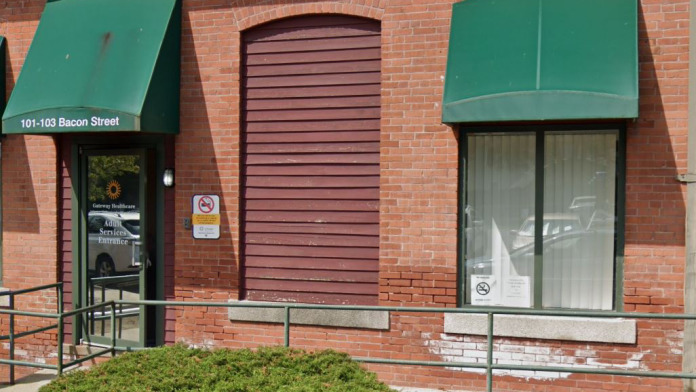
101-103 Bacon Street
Suite 101-105
Pawtucket, RI 02860
Sponsored Helpline


Poor service. Case manager was useless and did nothing for me. Psychiatrist decreased my medication dosage when I highly needed an increase (non habit forming drugs). And my therapist is more focused on my decline than my goals.

Gabby will “cert” you to a 9 day involuntary Hosptial stay for religious beliefs and use pawt pd as intimidation. Lieutenant Hormanski threaten criminal charges with Gabby standing there at my home just for emailing Donny Boy Grebein. Go elsewhere for help. They will lock you up for expression of feelings. Zero threat of self harm or harm to others. They were tired of me asking for help. I got punished for having feelings. Shameful practices

A friend of mine that’s been going through a lot has been using gateway services. She has been working with social workers Tim, Molly, and Gabby. Tim talks inappropriately to female clients. Gabby and Molly promised to get her food stamps and was going to bring her the card then picked her up for 3 hours with no food or food card. They have driven her to providence for help around 10-11 at night and when she couldn’t get help she needed they just left her to sleep outside for the night. They also offered to bring her to food banks last week and never did. I do not recommend. They do not help people mentally or physically like they claim. And beware of Tim. Tim, Molly, and Gabby provides care in the south county area.
 Back
Sharing your insights and experiences can help others learn more about this rehab center.