

































































































They were touted as an agency that could help me apply for SSI. Almost 2 years later, they haven't done anything, the head the local office told me that if I didn't like it, I could go take a flying leap.
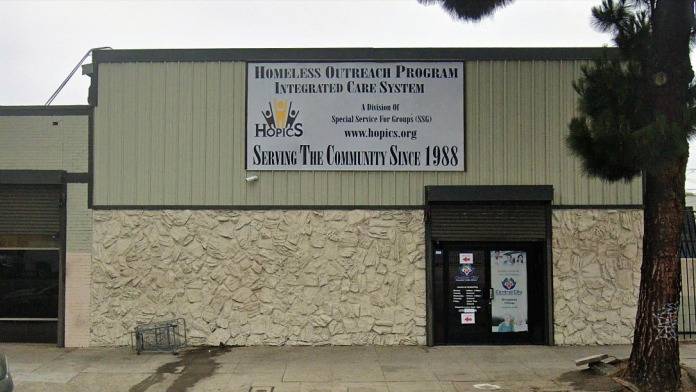
About Homeless Outreach Program Integrated Care System
They actually offer several types of services here for people with drug and alcohol addiction. For starters, they have a triage and placement service that can be your first contact when you’re ready to get sober. They’ll do a full assessment and see if you’re a good fit for their programs. If you need a different type of program like detox or residential rehab, they’ll help you get into the best facility for your needs.
The treatment programs at this location include an intensive outpatient program (IOP) and outpatient therapy. You ‘ll live in a transitional home or in a home that they can help secure for you, and then you’ll come to the facility for treatment. Usually that’s several times a week for a few hours at a time. Throughout the program they can help with mental health and trauma recovery, because this can play a part in your long term recovery, too.
One thing I thought was important about this facility is that they have harm reduction services. It’s a street based program that offers overdose and safety education as well as safe usage supplies. In this way, they offer help when you’re ready to get sober, but they’re also looking out for you until then.
Fact checked and written by:
Nikki Wisher, BA
Edited by:
Kerry Nenn, BSW
Latest Reviews
Hopic has done many clients wrong with the TLS program and funding that was improperly distributed for housing which now workers have abandoned clients without proper notice and basically left them to experience homelessness with out proper case management. I think Mayor Karen Bass should do an audit on how clients are being handled with their personal and identifier information with offices like Hopics who were supposed to be helping people experiencing homelessness instead of putting them through more pain and distress from their negligence in case management.
WENT TO HOPICS BACK IN DECEMBER OF 2017. DID'NT GET ANY HELP. JUST BEING PAST DOWN FROM PERSON TO PERSON. HERE IT IS 2025. I WENT TO THEM FOR HELP BECAUSE MY FMLA WASN'T PAYING ENOUGH AND IT CAUSED ME TO GET BEHIND. FIRST I WAS TOLD THE COULDNT HELP DUE TO ME BEING ON FMLA. AND WHEN I WENT BACK TO WORK, I WAS THEN TOLD I MADE TOO MUCH MONEY. SO NOW, IM HOMELESS. 😢
We apologize for your experience. We would like to gain more insight on how we can further support you experience. Please reach out to us at care@hopics.org.
Response from the owner5 months ago
Hello,We apologize for your experience. We would like to gain more insight on how we can further support you experience. Please reach out to us at care@hopics.org.
I personally use this H.O.P.I.C.S (Homeless Outreach program incorporated services) location at 729 West Manchester Ave. 90044. It's a great location for those of us whom are fortunately or unfortunately at the mercy of God's hand unhoused or homeless due to life's circumstances. Great employees who are always ready to help you in anyway they can. Very friendly , attentive, with pride and honor to help all those in need. The most commonly
used services there are for people to take showers, personally hygiene care, washers and dryers to do a load of laundry, and storage bins for those in need of storing things so the don't have to pack around so much stuff all at once. You can come everyday to use these services during their operating hours.

Rehab Score
 Our Methodology
Scoring is assigned by a proprietary system which helps surface key metrics that determine quality. The 10-point scale factors in categories such as operations, customer satisfaction, and trust metrics. Read Full Methodology

6.1 / 10
Gallery
Other Forms of Payment
Self-pay involves paying for treatment out of your own pocket. You can use savings or credit, get a personal loan, or receive help from family and friends to fund your treatment. If you don't have insurance or your insurance plan doesn't cover a specific program, self-pay can help ensure you still get the care you need.
Financial aid can take many forms. Centers may have grants or scholarships available to clients who meet eligibility requirements. Programs that receive SAMHSA grants may have financial aid available for those who need treatment as well. Grants and scholarships can help you pai for treatment without having to repay.
Sliding scale payments are based on a client's income and family size. The goal is to make treatment affordable to everyone. By taking these factors into account, addiction recovery care providers help ensure that your treatment does not become a financial burden to you or your family, eliminating one barrier to care.
Medicare is a federal program that provides health insurance for those 65 and older. It also serves people under 65 with chronic and disabling health challenges. To use Medicare for addiction treatment you need to find a program that accepts Medicare and is in network with your plan. Out of pocket costs and preauthorization requirements vary, so always check with your provider.
Private insurance refers to any kind of healthcare coverage that isn't from the state or federal government. This includes individual and family plans offered by an employer or purchased from the Insurance Marketplace. Every plan will have different requirements and out of pocket costs so be sure to get the full details before you start treatment.
Medicaid is a state based program that helps lower-income individuals and families pay for healthcare. Medicaid covers addiction treatment so those enrolled can use their coverage to pay for rehab. When a program accepts Medicaid the client often pays very little or nothing out of their own pocket.
Addiction Treatments
Levels of Care
Outpatient Programs (OP) are for those seeking mental rehab or drug rehab, but who also stay at home every night. The main difference between outpatient treatment (OP) and intensive outpatient treatment (IOP) lies in the amount of hours the patient spends at the facility. Most of the time an outpatient program is designed for someone who has completed an inpatient stay and is looking to continue their growth in recovery. Outpatient is not meant to be the starting point, it is commonly referred to as aftercare.
Treatments
The goal of treatment for alcoholism is abstinence. Those with poor social support, poor motivation, or psychiatric disorders tend to relapse within a few years of treatment. For these people, success is measured by longer periods of abstinence, reduced use of alcohol, better health, and improved social functioning. Recovery and Maintenance are usually based on 12 step programs and AA meetings.
Drug rehab in California teaches participants constructive ways to stay clean and sober. Treatment revolves around helping individuals stop using the substance they are addicted to and learn healthy habits to avoid relapse.
Many of those suffering from addiction also suffer from mental or emotional illnesses like schizophrenia, bipolar disorder, depression, or anxiety disorders. Rehab and other substance abuse facilities treating those with a dual diagnosis or co-occurring disorder administer psychiatric treatment to address the person's mental health issue in addition to drug and alcohol rehabilitation.
A combined mental health and substance abuse rehab has the staff and resources available to handle individuals with both mental health and substance abuse issues. It can be challenging to determine where a specific symptom stems from (a mental health issue or an issue related to substance abuse), so mental health and substance abuse professionals are helpful in detangling symptoms and keeping treatment on track.
Opioid rehabs specialize in supporting those recovering from opioid addiction. They treat those suffering from addiction to illegal opioids like heroin, as well as prescription drugs like oxycodone. These centers typically combine both physical as well as mental and emotional support to help stop addiction. Physical support often includes medical detox and subsequent medical support (including medication), and mental support includes in-depth therapy to address the underlying causes of addiction.
Programs
Adult rehab programs include therapies tailored to each client's specific needs, goals, and recovery progress. They are tailored to the specific challenges adult clients may face, including family and work pressures and commitments. From inpatient and residential treatment to various levels of outpatient services, there are many options available. Some facilities also help adults work through co-occurring conditions, like anxiety, that can accompany addiction.
Recovery is most successful when clients feel accepted and validated by their peers and treatment providers. Facilities that offer LGBTQ-inclusive programming are committed to creating a safe space where everyone can grow and recover without fear of judgment or discrimination. They will have dedicated policies in place to create a safe and supportive environment that fosters free expression.
Young adulthood can be an exciting, yet difficult, time of transition. Individuals in their late teens to mid-20s face unique stressors related to school, jobs, families, and social circles, which can lead to a rise in substance use. Rehab centers with dedicated young adult programs will include activities and amenities that cater to this age group, with an emphasis on specialized counseling, peer socialization, and ongoing aftercare.
Clinical Services
Cognitive Behavioral Therapy (CBT) is a therapy modality that focuses on the relationship between one's thoughts, feelings, and behaviors. It is used to establish and allow for healthy responses to thoughts and feelings (instead of unhealthy responses, like using drugs or alcohol). CBT has been proven effective for recovering addicts of all kinds, and is used to strengthen a patient's own self-awareness and ability to self-regulate. CBT allows individuals to monitor their own emotional state, become more adept at communicating with others, and manage stress without needing to engage in substance abuse.
Research clearly demonstrates that recovery is far more successful and sustainable when loved ones like family members participate in rehab and substance abuse treatment. Genetic factors may be at play when it comes to drug and alcohol addiction, as well as mental health issues. Family dynamics often play a critical role in addiction triggers, and if properly educated, family members can be a strong source of support when it comes to rehabilitation.
Group therapy is any therapeutic work that happens in a group (not one-on-one). There are a number of different group therapy modalities, including support groups, experiential therapy, psycho-education, and more. Group therapy involves treatment as well as processing interaction between group members.
In individual therapy, a patient meets one-on-one with a trained psychologist or counselor. Therapy is a pivotal part of effective substance abuse treatment, as it often covers root causes of addiction, including challenges faced by the patient in their social, family, and work/school life.
Nutrition therapy, aka medical nutrition therapy (MNT), is a way of treating physical, emotional, and medical conditions through diet. Specific dietary plans are designed by professional nutritionists or registered dietitians, and patients follow them in order to positively affect their physical and mental health.
Trauma therapy addresses traumatic incidents from a client's past that are likely affecting their present-day experience. Trauma is often one of the primary triggers and potential causes of addiction, and can stem from child sexual abuse, domestic violence, having a parent with a mental illness, losing one or both parents at a young age, teenage or adult sexual assault, or any number of other factors. The purpose of trauma therapy is to allow a patient to process trauma and move through and past it, with the help of trained and compassionate mental health professionals.
Amenities
-
 Private Setting
Staff
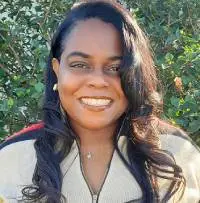
Veronica Lewis, MPA
Director
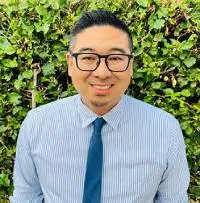
Jonathan Chi, MSW
Deputy Director of Permanent Housing

Kelvin Driscoll, PhD, MSW, MPA
Deputy Director of Access, Outreach, and Health Services

Jovon English
Associate Director of Operations
John Helyar, LMFT
Associate Director of Health Services
Chrismen Oliver
Associate Director of Interim Housing
Contact Information

5715 South Broadway
Los Angeles, CA 90037
Get Help Now - 213-584-2127
Sponsored Helpline
Sponsored Helpline


