The telephone attention they provide is very bad. I can not start a recovery process if I am already receiving false information.
About Human Skills & Resources, Inc.
Latest Reviews
Rehab Score
Gallery
Other Forms of Payment
Medicaid is a state based program that helps lower-income individuals and families pay for healthcare. Medicaid covers addiction treatment so those enrolled can use their coverage to pay for rehab. When a program accepts Medicaid the client often pays very little or nothing out of their own pocket.
Private insurance refers to any kind of healthcare coverage that isn't from the state or federal government. This includes individual and family plans offered by an employer or purchased from the Insurance Marketplace. Every plan will have different requirements and out of pocket costs so be sure to get the full details before you start treatment.
Self-pay involves paying for treatment out of your own pocket. You can use savings or credit, get a personal loan, or receive help from family and friends to fund your treatment. If you don't have insurance or your insurance plan doesn't cover a specific program, self-pay can help ensure you still get the care you need.
Addiction Treatments
Levels of Care
Outpatient Programs (OP) are for those seeking mental rehab or drug rehab, but who also stay at home every night. The main difference between outpatient treatment (OP) and intensive outpatient treatment (IOP) lies in the amount of hours the patient spends at the facility. Most of the time an outpatient program is designed for someone who has completed an inpatient stay and is looking to continue their growth in recovery. Outpatient is not meant to be the starting point, it is commonly referred to as aftercare.
Drug and alcohol addiction often takes a heavy toll on one's body. Over time, a physical dependence can develop, meaning the body physiologically needs the substance to function. Detox is the process of removing drugs and/or alcohol from the body, a process that can be lethal if mismanaged. Medical detox is done by licensed medical professionals who monitor vital signs and keep you safe, healthy, and as comfortable as possible as you go through detox and withdrawal.
Intensive Outpatient Programs (IOP) are for those who want or need a very structured treatment program but who also wish to live at home and continue with certain responsibilities (such as work or school). IOP substance abuse treatment programs vary in duration and intensity, and certain outpatient rehab centers will offer individualized treatment programs.
Treatments
The goal of treatment for alcoholism is abstinence. Those with poor social support, poor motivation, or psychiatric disorders tend to relapse within a few years of treatment. For these people, success is measured by longer periods of abstinence, reduced use of alcohol, better health, and improved social functioning. Recovery and Maintenance are usually based on 12 step programs and AA meetings.
To address the issues of addiction, each drug rehab in Oklahoma is tailored to meet the individual's needs. Treatment may occur in a residential or outpatient setting, and may last from a few days to several months.
Opioid rehabs specialize in supporting those recovering from opioid addiction. They treat those suffering from addiction to illegal opioids like heroin, as well as prescription drugs like oxycodone. These centers typically combine both physical as well as mental and emotional support to help stop addiction. Physical support often includes medical detox and subsequent medical support (including medication), and mental support includes in-depth therapy to address the underlying causes of addiction.

Substance rehabs focus on helping individuals recover from substance abuse, including alcohol and drug addiction (both illegal and prescription drugs). They often include the opportunity to engage in both individual as well as group therapy.
Programs
Adult rehab programs include therapies tailored to each client's specific needs, goals, and recovery progress. They are tailored to the specific challenges adult clients may face, including family and work pressures and commitments. From inpatient and residential treatment to various levels of outpatient services, there are many options available. Some facilities also help adults work through co-occurring conditions, like anxiety, that can accompany addiction.
Young adulthood can be an exciting, yet difficult, time of transition. Individuals in their late teens to mid-20s face unique stressors related to school, jobs, families, and social circles, which can lead to a rise in substance use. Rehab centers with dedicated young adult programs will include activities and amenities that cater to this age group, with an emphasis on specialized counseling, peer socialization, and ongoing aftercare.
Clinical Services
If you participate in cognitive behavioral therapy in Oklahoma, you can expect to attend somewhere between five and 20 sessions. This short term method is an effective way to learn healthy coping strategies that help you change your thinking and behavior patterns.
Group therapy is any therapeutic work that happens in a group (not one-on-one). There are a number of different group therapy modalities, including support groups, experiential therapy, psycho-education, and more. Group therapy involves treatment as well as processing interaction between group members.
Individual therapy in Oklahoma offers men and women customized care that's tailored to their specific needs for drug and alcohol addiction treatment. This can include interventions that promote self discovery, develop coping skills, or uncover the underlying causes of addictive behavior.
Motivational interviewing may be used on its own or in conjunction with other treatment approaches. It is designed as a mode of communication rather than an intervention. It involves asking questions, listening, and encouraging clients to come to their own conclusions and feel empowered to make changes in their lives.
Trauma therapy provides you with a safe and supportive environment in which you can confront and address the emotional and physical impacts of traumatic events. Your therapist helps you understand your emotional and physical responses and develop healthier coping skills, which lowers your anxiety level and provides you with greater self confidence.
Couples therapy often focuses on a specific problem, such as addiction, intimacy, jealousy, or finances. Treatment is solution focused and change oriented. The couple works with the therapist to identify goals for therapy and actively participates in learning skills and behaviors to reach those goals.
Family therapy offers a safe space for family members to openly talk about their feelings and the challenges that addiction has triggered. This process helps to improve their understanding of the disease of addiction and supports the family's unified approach to the recovery journey.
Staff & Accreditations
Staff
Steven Fritz, LPC, LADC
CEO
Rosie Andrews
Court Services Director & Creek County Drug Court Coordinator
Todd Redding, MD
Medical Director
Karen Reeks
Finance Director
Terri Joslin
Human Resources Director
Paula Inbody, LCSW
Strategic Advisor
Accreditations
The Commission on Accreditation of Rehabilitation Facilities (CARF) is a non-profit organization that specifically accredits rehab organizations. Founded in 1966, CARF's, mission is to help service providers like rehab facilities maintain high standards of care.
CARF Accreditation: Yes
Contact Information
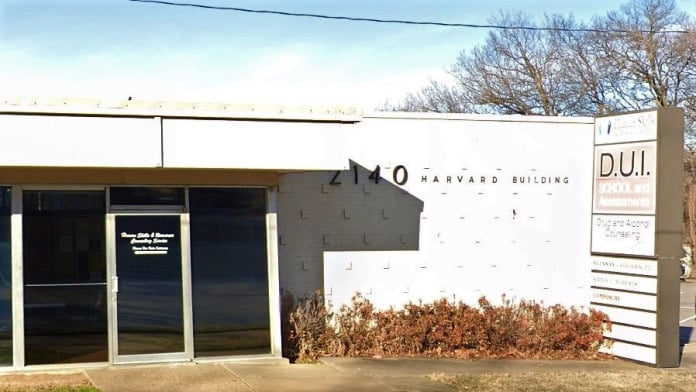
2140 S Harvard Ave
Tulsa, OK 74114