


























































































They only do the bare minimum for court-appointed services. You won't be surprised.
About Indianapolis Counseling Center
They offer standard outpatient and intensive outpatient programs (IOP) for substance use disorders. This program begins with an assessment to identify needs. This forms the basis for a personalized treatment plan that guides recovery. They accept referrals from the criminal justice system including the probation department. Self referral is accepted as well.
Both outpatient programs mainly involve psychoeducation and therapy groups that focus on recovery skill building. The therapy groups are open ended. This allows new referrals to get the help they need to begin their recovery and stay abstinent. Their psychoeducation classes address anger issues, relapse prevention and drunk driving. They incorporate the family system and include self help practices like AA/NA meetings to support recovery.
Their standard outpatient groups meet once a week for 26 weeks while the IOP groups meet three times a week for 12 weeks. They provide monthly reporting and discharge summaries to referring agencies as necessary.
DUI offenders can benefit from their 12-hour Prime for Life course. This court-ordered program helps offenders understand the risks of impaired driving and make better choices to prevent future offenses. It facilitates self assessment and risk reduction. Certification is provided upon completion. They also offer batterer intervention or domestic violence counseling.
They offer programs focused on public sexual misconduct and sexual misconduct group therapy. They also provide psychosexual offender treatment and human sexuality programs. These programs teach boundaries, personal responsibility and accountability. They use evidence based models to promote healthy social contacts and prevent relapse.
These programs can help offenders make positive changes and improving their behavior. They even offer a ‘families reunite’ program that facilitates reunification between a sex offender and their family members. The facility also provides training and education on substance use, sexual assault and sexual abuse for both the public and private sectors.
Additional services available here include forensic screening evaluations and family and spiritual counseling. They may offer referrals to community based support groups for ongoing support. They may also connect you to resources like housing and employment that ensure complete healing.
They accept modest fees for their services via the sliding fee scale option.
Fact checked and written by:
Chika Uchendu
Edited by:
Courtney Myers, MS
Latest Reviews
I have been at the clinic for more than six years and I have take home privileges 2 weeks I am stable mostly do good counseling I get from DD Amos. I feel that I can speak to her and she listens and takes care of any problem I have. The treatment center has made a real difference in my life in the quality of my life
In 2023 I advised Mr. Ron Smith that I needed a risk assessment evaluation for an action that happened 32 months prior. Smith praised me for "taking control of the addiction." I advised Smith this was not an addiction and I thanked him for his praise.
Smith would perform my risk assessment and the results described me as a MODERATE risk re-offender. Smith suggested I complete a 24 week program including weekly mandatory meetings. This led me to question Smith's comprehension capabilities.
I had performed 3 of the 24 mandatory meetings when I asked Smith why he felt I was a MODERATE risk for re-offending if the offense happened 32 months prior. Smith advised me and 3 other participants the risk assessment only takes in to accountability the nature of the exam, and the dynamics of my case were not pertinent in the results. This made me question Smith's integrity.
In that very same meeting, Smith would advise me that if I were to continue his weekly mandatory meetings, he would then perform ANOTHER risk assessment.
*NOTE*
Participants are charged $500 for this risk assessment and $60 each session. Smith was suggesting I pay him $1440 AFTER I had already paid him $500 for profiled results. Only then after my $1940 investment would Smith perform ANOTHER risk assessment..... for $500.
TO CONCLUDE:
Mr Smith is simply exhibiting 'supply and demand' for citizens whom need certified counseling. If you are court mandated to be in ICC, be prepared to spend the big bucks. If you're not court mandated to be here....DON'T BE HERE
If you've read this far, kudos to you. You owe yourself happiness and healing from whatever discrepancy has led you to research counseling. Treat yourself well, you deserve it 🙂
If I could give 0 stars I would, it is the epitome of what a counseling center should NOT be… the process of guilt shaming clients until that are led or forced to believe they are wrong as individuals is A1 so if that’s what your looking for come here. I was court mandated to come here and Dr Ken threw that in my face to remind me who really holds the power there… what a power trip. Your job is to help people and all you do instead is subjugate them to your method of guilt shaming and self-degradation. This place is the antithesis of treatment, it’s torture. For some voluntary, for most I assume involuntary, and that’s why they think they can get away with being such pieces of garbage. It’s stems down from Ken the director all the way to the receptionist. Absolute joke

Rehab Score
 Our Methodology
Scoring is assigned by a proprietary system which helps surface key metrics that determine quality. The 10-point scale factors in categories such as operations, customer satisfaction, and trust metrics. Read Full Methodology

4.4 / 10
Gallery
Accepted Insurance

Access to Recovery
Other Forms of Payment
Private insurance refers to any kind of healthcare coverage that isn't from the state or federal government. This includes individual and family plans offered by an employer or purchased from the Insurance Marketplace. Every plan will have different requirements and out of pocket costs so be sure to get the full details before you start treatment.
Self-pay involves paying for treatment out of your own pocket. You can use savings or credit, get a personal loan, or receive help from family and friends to fund your treatment. If you don't have insurance or your insurance plan doesn't cover a specific program, self-pay can help ensure you still get the care you need.
Medicaid is a state based program that helps lower-income individuals and families pay for healthcare. Medicaid covers addiction treatment so those enrolled can use their coverage to pay for rehab. When a program accepts Medicaid the client often pays very little or nothing out of their own pocket.
Medicare is a federal program that provides health insurance for those 65 and older. It also serves people under 65 with chronic and disabling health challenges. To use Medicare for addiction treatment you need to find a program that accepts Medicare and is in network with your plan. Out of pocket costs and preauthorization requirements vary, so always check with your provider.
Military members, veterans, and eligible dependents have access to specific insurance programs that help them get the care they need. TRICARE and VA insurance can help you access low cost or no cost addiction and mental health treatment. Programs that accept military insurance often have targeted treatment focused on the unique challenges military members, veterans, and their families face.
Addiction Treatments
Levels of Care
Outpatient Programs (OP) are for those seeking mental rehab or drug rehab, but who also stay at home every night. The main difference between outpatient treatment (OP) and intensive outpatient treatment (IOP) lies in the amount of hours the patient spends at the facility. Most of the time an outpatient program is designed for someone who has completed an inpatient stay and is looking to continue their growth in recovery. Outpatient is not meant to be the starting point, it is commonly referred to as aftercare.
Inpatient rehab provides intensive, round-the-clock care and is designed primarily for clients who have just completed detox, those in early recovery, and those at an increased risk of relapse. Inpatient treatment typically includes extensive psychotherapy that draws on various modalities like cognitive behavioral therapy (CBT) and motivational interviewing. Clients also learn the recovery-focused life skills needed to promote sustained recovery. Many inpatient drug rehabs also offer evidence-based holistic therapies like meditation, yoga, massage, and experiential therapy.
Intensive Outpatient Programs (IOP) are for those who want or need a very structured treatment program but who also wish to live at home and continue with certain responsibilities (such as work or school). IOP substance abuse treatment programs vary in duration and intensity, and certain outpatient rehab centers will offer individualized treatment programs.
Treatments
The goal of treatment for alcoholism is abstinence. Those with poor social support, poor motivation, or psychiatric disorders tend to relapse within a few years of treatment. For these people, success is measured by longer periods of abstinence, reduced use of alcohol, better health, and improved social functioning. Recovery and Maintenance are usually based on 12 step programs and AA meetings.
For long-term recovery from drug addiction, drug rehab in Indiana is often key. This treatment gives individuals who are struggling with a substance use disorder the tools to manage their disorder and achieve long-term sobriety.
Opioid rehabs specialize in supporting those recovering from opioid addiction. They treat those suffering from addiction to illegal opioids like heroin, as well as prescription drugs like oxycodone. These centers typically combine both physical as well as mental and emotional support to help stop addiction. Physical support often includes medical detox and subsequent medical support (including medication), and mental support includes in-depth therapy to address the underlying causes of addiction.
Substance rehabs focus on helping individuals recover from substance abuse, including alcohol and drug addiction (both illegal and prescription drugs). They often include the opportunity to engage in both individual as well as group therapy.
Programs
Adult rehab programs include therapies tailored to each client's specific needs, goals, and recovery progress. They are tailored to the specific challenges adult clients may face, including family and work pressures and commitments. From inpatient and residential treatment to various levels of outpatient services, there are many options available. Some facilities also help adults work through co-occurring conditions, like anxiety, that can accompany addiction.
Young adulthood can be an exciting, yet difficult, time of transition. Individuals in their late teens to mid-20s face unique stressors related to school, jobs, families, and social circles, which can lead to a rise in substance use. Rehab centers with dedicated young adult programs will include activities and amenities that cater to this age group, with an emphasis on specialized counseling, peer socialization, and ongoing aftercare.
Clinical Services
Group therapy is any therapeutic work that happens in a group (not one-on-one). There are a number of different group therapy modalities, including support groups, experiential therapy, psycho-education, and more. Group therapy involves treatment as well as processing interaction between group members.
Qualified therapists in Indiana use a customized treatment approach for individual therapy to address your drug and alcohol addiction treatment. This considers your past history and life circumstances to help you uncover the underlying issues that trigger addictive behavior and manage these factors to support a healthy approach to recovery.
Amenities
-
 Residential Setting
 -
 Private Setting
Staff
Kenneth E. Dickens, M.S., LMHC, CADACIV
Agency Director
Andrea L. Hern, M.A., LMHC, NCC, CAS, CAC/CDC
Agency Founder
Contact Information

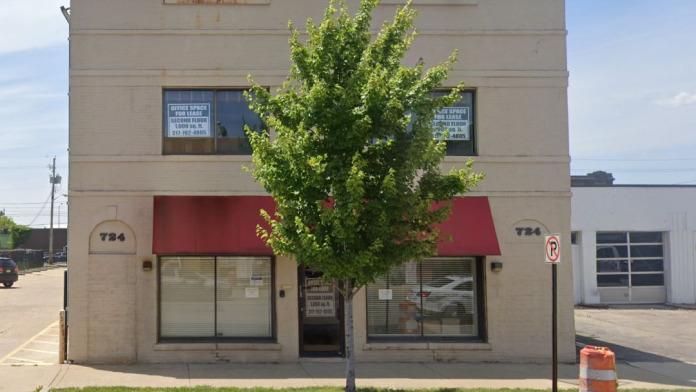
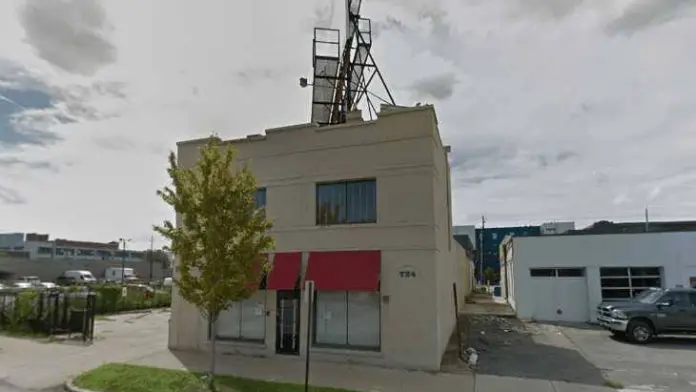
724 North Illinois street
Indianapolis IN, 46204
Get Help Now - 463-388-1405
Sponsored Helpline
Sponsored Helpline

